
03
2025-12
Unveiling the Potential of Stainless Steel Etched Microneedle Tips in Metallurgy




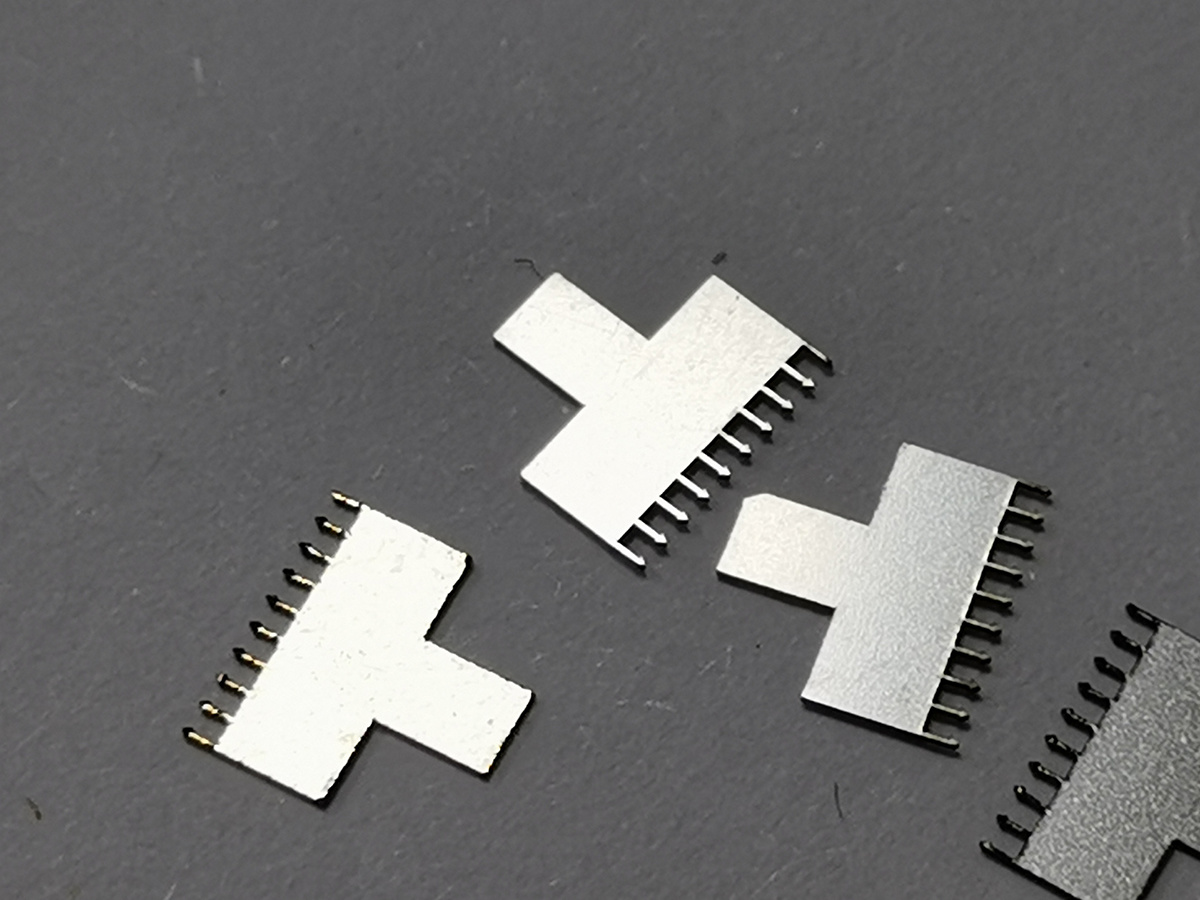
In recent years, stainless steel etched microneedle tips have emerged as a significant advancement in various industrial applications, particularly in the metallurgy and energy sectors. These specialized components exhibit unique properties that make them suitable for various high-precision tasks. Understanding their characteristics and applications can greatly benefit professionals in the field.
Stainless steel is known for its excellent corrosion resistance, which is crucial in environments exposed to harsh chemicals or temperatures. When these materials are etched to create microneedle tips, they gain enhanced precision and functionality, making them ideal for applications requiring meticulous details. The microneedle design allows for minimal tissue trauma in biomedical applications, but its use extends to industrial settings, including energy production and metallurgy.
The manufacturing process of etched microneedle tips typically involves advanced techniques such as photolithography and electrochemical etching. These methods facilitate the creation of intricate patterns and designs on the stainless steel surface, resulting in finely tuned microneedles that can perform specific tasks with high accuracy. As a professional, understanding these production techniques can help you assess the capabilities and limitations of these tools effectively.
In metallurgy, stainless steel etched microneedle tips are particularly valuable in processes like material testing, surface treatment, and the application of protective coatings. Their ability to deliver precise amounts of materials ensures that processes maintain high quality and efficiency. Furthermore, in energy applications, these microneedles can be utilized for sensor technologies and in systems that require precise measurements of various parameters.
Moreover, the versatility of stainless steel allows for customization in microneedle design. Professionals can select dimensions, shapes, and surface finishes that best suit their application needs. This adaptability is essential in industries where specific requirements must be met to ensure optimal performance.
When considering the integration of stainless steel etched microneedle tips into your operations, it is crucial to evaluate factors such as compatibility with existing systems, the potential for innovation in product development, and the overall impact on efficiency. As the industry continues to evolve towards more precise and efficient applications, these microneedles could play a pivotal role in driving advancements and meeting the demands of modern metallurgy and energy sectors.
In conclusion, stainless steel etched microneedle tips represent a unique intersection of innovation and functionality within the metallurgy industry. By leveraging their advantages, professionals can enhance operational efficiencies and contribute to the ongoing evolution of technology in their respective fields. Understanding their properties, production methods, and applications is essential for anyone looking to stay ahead in the competitive landscape of metallurgy and energy.
Stainless steel is known for its excellent corrosion resistance, which is crucial in environments exposed to harsh chemicals or temperatures. When these materials are etched to create microneedle tips, they gain enhanced precision and functionality, making them ideal for applications requiring meticulous details. The microneedle design allows for minimal tissue trauma in biomedical applications, but its use extends to industrial settings, including energy production and metallurgy.
The manufacturing process of etched microneedle tips typically involves advanced techniques such as photolithography and electrochemical etching. These methods facilitate the creation of intricate patterns and designs on the stainless steel surface, resulting in finely tuned microneedles that can perform specific tasks with high accuracy. As a professional, understanding these production techniques can help you assess the capabilities and limitations of these tools effectively.
In metallurgy, stainless steel etched microneedle tips are particularly valuable in processes like material testing, surface treatment, and the application of protective coatings. Their ability to deliver precise amounts of materials ensures that processes maintain high quality and efficiency. Furthermore, in energy applications, these microneedles can be utilized for sensor technologies and in systems that require precise measurements of various parameters.
Moreover, the versatility of stainless steel allows for customization in microneedle design. Professionals can select dimensions, shapes, and surface finishes that best suit their application needs. This adaptability is essential in industries where specific requirements must be met to ensure optimal performance.
When considering the integration of stainless steel etched microneedle tips into your operations, it is crucial to evaluate factors such as compatibility with existing systems, the potential for innovation in product development, and the overall impact on efficiency. As the industry continues to evolve towards more precise and efficient applications, these microneedles could play a pivotal role in driving advancements and meeting the demands of modern metallurgy and energy sectors.
In conclusion, stainless steel etched microneedle tips represent a unique intersection of innovation and functionality within the metallurgy industry. By leveraging their advantages, professionals can enhance operational efficiencies and contribute to the ongoing evolution of technology in their respective fields. Understanding their properties, production methods, and applications is essential for anyone looking to stay ahead in the competitive landscape of metallurgy and energy.
Related News


Shenzhen Nkeyto Precision Hardware Co., Ltd. is a factory specializing in precision hardware processing, committed to providing customers with high-quality products and services.We look forward to working with you.
Contact Us

E-mail: luna@nkeyto.com

Tel: +1 213-221-9094

Add: 13th Building, 202, Dawangshan Second Industrial Zone, Dawangshan Community, Shajing Street, Bao'an District, Shenzhen, Guangdong Province
Powered by: CEglobal
Copryright © 2025 Shenzhen Xintu Precision Hardware Co., Ltd.
Back To Top