



Flexible PCB Stiffener Plate Manufacturer | Custom Stainless Steel Reinforcement
Category:
Key Words:
Product parameters
Parameter | Description |
Material | Stainless Steel (SUS304, SUS301, SUS430, etc.) |
Thickness | 0.05mm - 2.0mm (Customizable based on customer requirements) |
Dimensions | Custom sizes, maximum size: 500mm x 500mm; common sizes: 50mm x 50mm, 100mm x 100mm |
Processing Methods | - Chemical Etching - Laser Cutting - CNC Machining - Precision Stamping |
Surface Treatment | - No Oxidation - Electroplating - Passivation - Polishing |
Hole Precision | ±0.05mm (Higher precision available upon request) |
Edge Processing | - Deburring - Edge Grinding |
Tensile Strength | ≥ 500 MPa |
Applicable Industries | Mobile Phones, Consumer Electronics, Automotive Electronics, Medical Devices, Wearable Devices, Industrial Control |
Customization Service | Full customization according to customer drawings or designs |
Lead Time | - Small batch: 5-7 working days - Large batch: 15-30 working days (depending on complexity) |
Quality Control | - Strict quality inspection for each batch - Full inspection for dimensions, surface quality, and processing precision before shipment |
Packaging | Anti-static bags/plastic bags packaging, with carton box for outer protection to prevent damage during transportation |
Product Description
Applications of Precision Metal Stiffeners in Consumer Electronics & Automotive PCBs
Flexible Printed Circuits (FPCs) are the backbone of modern electronics, allowing devices to bend, fold, and fit into compact spaces. However, the flexibility of these circuits often requires localized reinforcement to ensure durability and reliable connectivity. This is where precision metal stiffeners play a vital role.
From the smartphone in your pocket to the safety systems in modern electric vehicles, stainless steel stiffeners are working silently behind the scenes to prevent circuit failure. In this article, we explore how the requirements for these components differ across industries and how our manufacturing processes meet these diverse challenges.
Consumer Electronics: The Drive for Miniaturization
In the world of smartphones, wearables, and tablets, space is the most valuable commodity. Engineers are constantly pushing the limits of how thin and light a device can be without sacrificing performance.
The Challenge:
- Ultra-Thin Profiles: Devices are becoming razor-thin. A standard stiffener might be too bulky, interfering with the assembly or the device's sleek design.
- Complex Geometry: Inside a smartphone, FPCs often snake around batteries and cameras. Stiffeners must fit into irregular, tight spaces with complex cutouts.
- High-Density Connections: Connectors (like USB-C or board-to-board connectors) are getting smaller, requiring extreme precision to ensure the stiffener aligns perfectly with the gold fingers.
Our Solution:
We utilize chemical etching to produce stiffeners as thin as 0.03mm. This process allows us to create complex, burr-free shapes that fit perfectly within the tight constraints of consumer electronics. Whether it is a reinforcement plate for a smartwatch hinge or a support for a smartphone camera module, our precision manufacturing ensures the component adds strength without adding bulk.
Automotive Electronics: Reliability Under Pressure
The automotive industry is undergoing a revolution with the rise of Electric Vehicles (EVs) and Advanced Driver Assistance Systems (ADAS). Modern cars are essentially computers on wheels, relying heavily on flexible circuits for sensors, displays, and battery management systems.
The Challenge:
- Extreme Temperatures: Under the hood or near the battery pack, temperatures can fluctuate wildly. Components must withstand high heat without delaminating or warping.
- Vibration and Shock: A car is a high-vibration environment. Stiffeners must remain securely bonded to the FPC to prevent solder joint failure or pad lifting during years of operation.
- Long Lifespan: Unlike a smartphone which might be replaced every few years, automotive components are expected to last 10 to 15 years.
Our Solution:
For automotive applications, we recommend high-grade materials like SUS304 stainless steel for its superior corrosion resistance and thermal stability. Our manufacturing process ensures high adhesion strength for any applied adhesives, capable of withstanding the thermal cycling and vibration tests required by automotive standards (such as IATF 16949 guidelines). We understand that in automotive applications, reliability is not optional—it is a safety requirement.
Medical Devices: Precision and Cleanliness
Medical electronics, from wearable health monitors to surgical instruments, demand the highest levels of precision and hygiene.
The Challenge:
- Biocompatibility: Materials must often meet strict biocompatibility standards, especially for wearable sensors that are in constant contact with skin.
- Sterilization Resistance: Surgical tools and reusable devices must withstand sterilization processes (such as autoclaving) involving high heat and moisture.
- Micro-Precision: Implantable devices or diagnostic tools often use micro-FPCs that require tiny, intricate stiffeners.
Our Solution:
We provide medical-grade stainless steel stiffeners that are processed in controlled environments to ensure cleanliness. Our chemical etching process is ideal for medical parts because it produces no mechanical stress or burrs, which could harbor bacteria or cause irritation. We can also apply specialized coatings or select specific alloys (like SUS304) that offer the necessary corrosion resistance for sterilization environments.
Industry Comparison: What Matters Most?
Industry | Key Priority | Recommended Material | Critical Feature |
|---|---|---|---|
Consumer Electronics | Thinness & Complexity | SUS301 (Hard) | Ultra-thin (0.03mm), Burr-free |
Automotive | Durability & Heat | SUS304 | High Temp Resistance, Strong Adhesion |
Medical | Cleanliness & Safety | SUS304 / Medical Grade | Biocompatible, Corrosion Resistant |
Conclusion
Whether it is enabling the foldable screen of a new phone, ensuring the reliability of a car's braking sensor, or supporting a life-saving medical monitor, the humble stiffener is a critical component. By understanding the specific demands of your industry, we can tailor our manufacturing process—choosing the right alloy, the right thickness, and the right finishing—to ensure your FPC performs flawlessly.
Need Industry-Specific Stiffeners?
Don't compromise on the quality of your FPC support. Whether you need ultra-thin parts for consumer gadgets or high-reliability components for automotive systems, we have the expertise to deliver. Contact Luna on WhatsApp at 12132219094 to discuss your project requirements and get a quote tailored to your industry standards.
Questions and Answers
Frequently Asked Questions (FAQ)
Q: Can you manufacture stiffeners that are compatible with automated assembly lines?
A: Yes. We offer reel-to-reel processing and can apply specialized release liners (such as easy-peel films) to facilitate high-speed pick-and-place assembly for both consumer and automotive applications.
Q: Do your stiffeners meet RoHS and REACH standards?
A: Absolutely. All our materials, including stainless steel and adhesives (like 3M or Tesa), are fully compliant with RoHS, REACH, and other environmental directives required for export to Europe and North America.
Q: What is the difference between SUS301 and SUS304 for automotive applications?
A: While SUS301 offers higher hardness, SUS304 is generally preferred for automotive applications due to its superior corrosion resistance and better performance in high-temperature environments, which are common in vehicle engine bays and battery systems.
Q: Can you help with design optimization for medical devices?
A: Yes. Our engineering team can provide Design for Manufacturability (DFM) feedback. For medical devices, we often suggest adding micro-vents (via chemical etching) to allow air to escape during bonding, ensuring a void-free adhesive layer which is critical for hygiene.
Factory Description
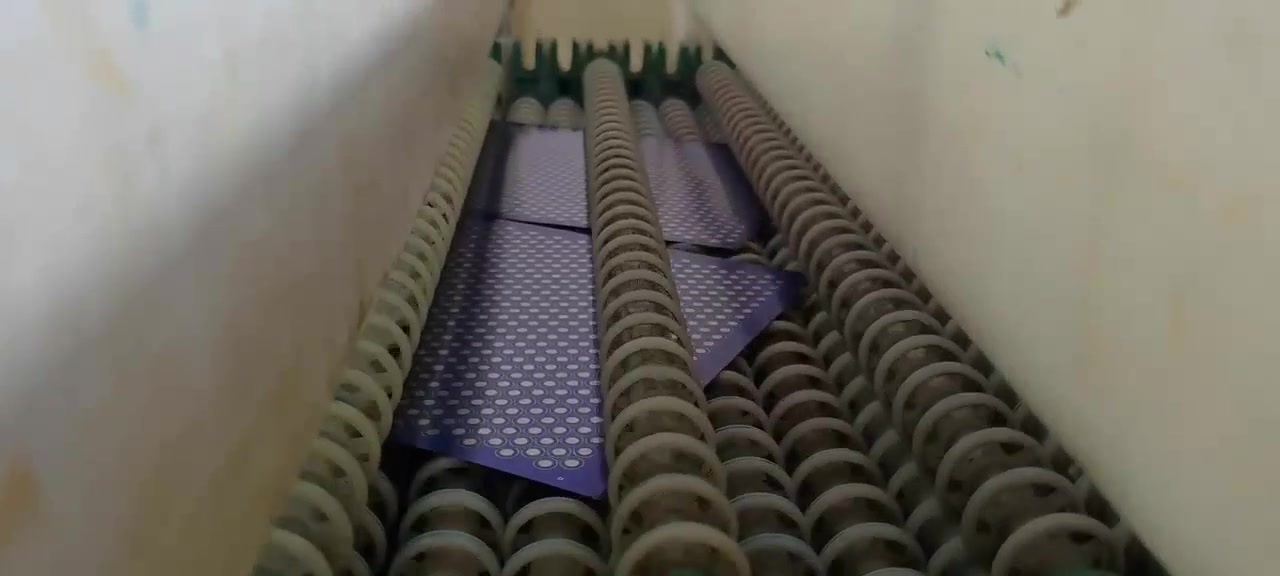
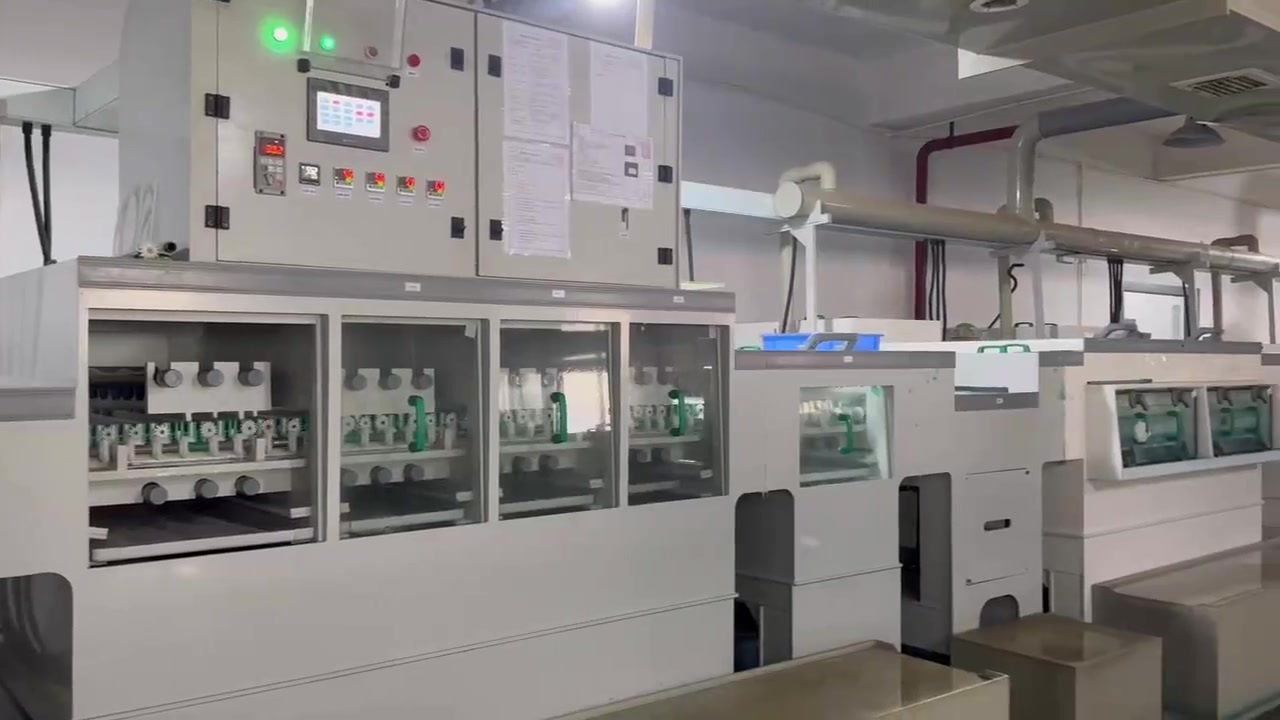
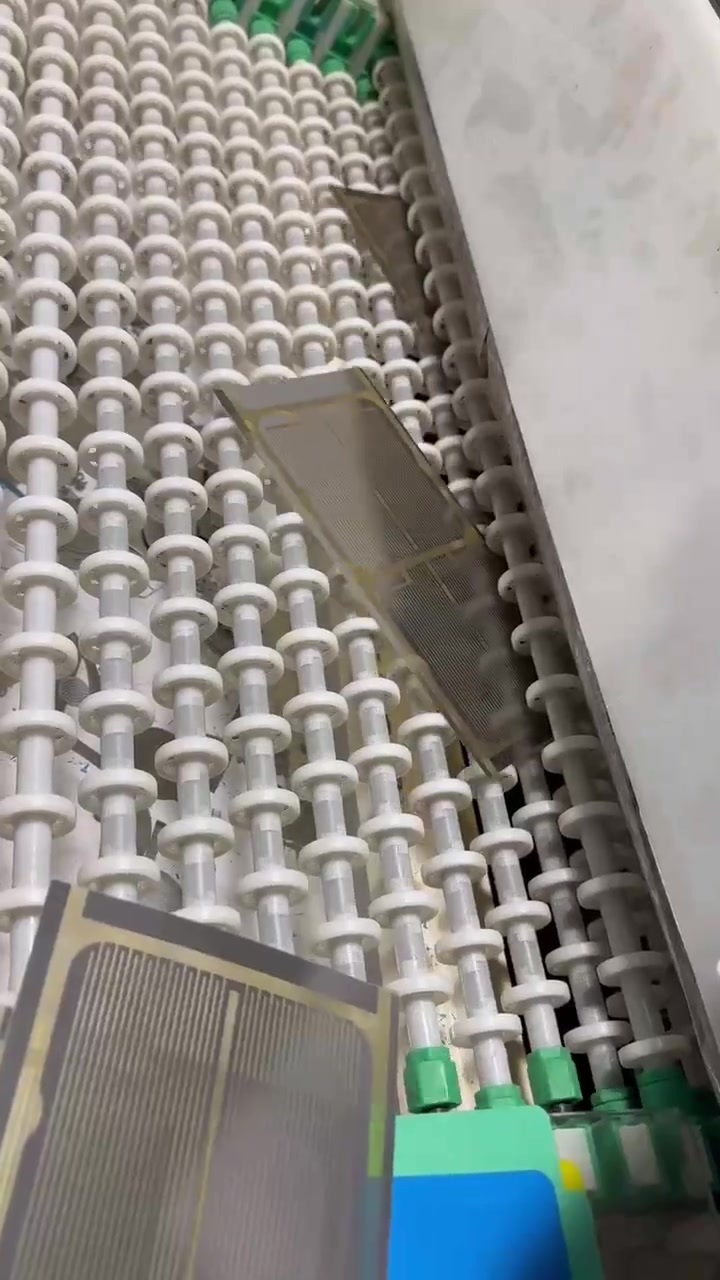
We have a full set of etching production equipment and mature processing technology. We can manufacture products in any shape with mesh sizes as small as 0.1mm, according to your requirements.

Our Advantage
Factory Direct Shipping
Our products undergo 100% QC checks before shipment, and we ensure compliance with international standards. If you require specific certifications for your target market, just let us know, and we'll meet those requirements.
Experienced Design and Manufacturing Team
We work closely with customers from the design phase to help avoid potential product flaws, ensuring both the functionality and design meet expectations.
Excellent Supply Chain Management
We can quickly adjust production schedules to meet your urgent deadlines, whether it's for large bulk orders or smaller rush orders.
OEM & ODM Support
We offer the option to print your logo or other customizations.
Strict Quality Control
Our products undergo 100% QC checks before shipment, and we ensure compliance with international standards. If you require specific certifications for your target market, just let us know, and we'll meet those requirements.
Certificate
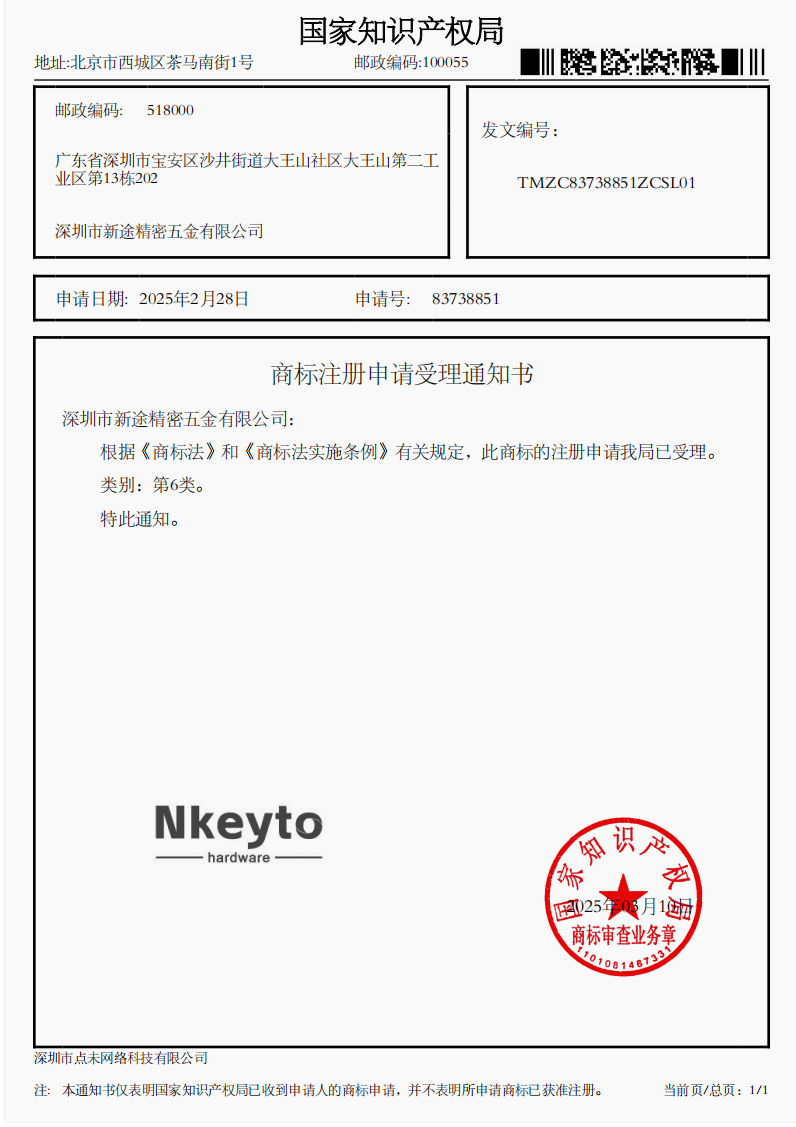
商标6类

9001
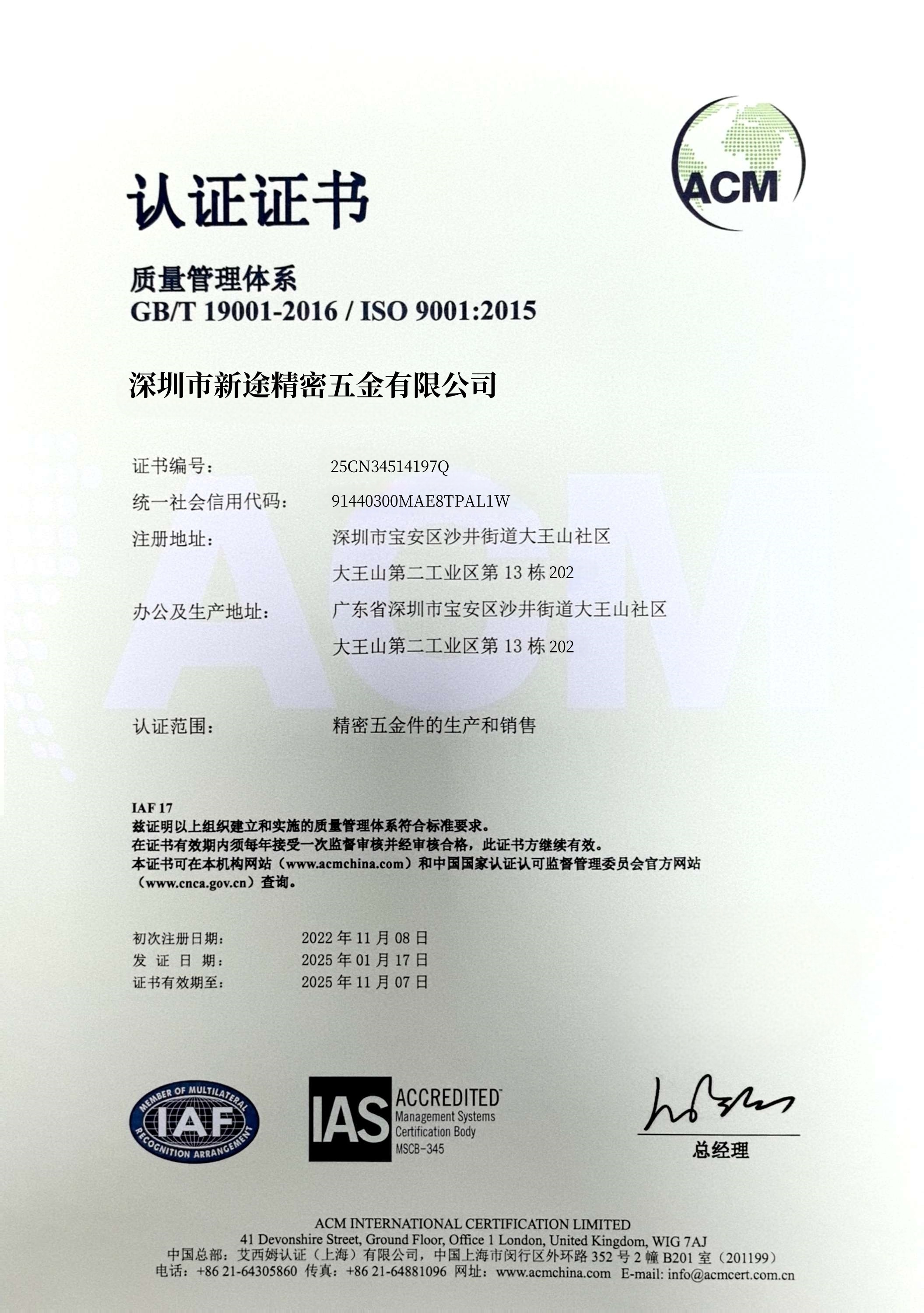
质量认证


Related Products

Shenzhen Nkeyto Precision Hardware Co., Ltd. is a factory specializing in precision hardware processing, committed to providing customers with high-quality products and services.We look forward to working with you.
Contact Us

E-mail: luna@nkeyto.com

Tel: +1 213-221-9094

Add: 13th Building, 202, Dawangshan Second Industrial Zone, Dawangshan Community, Shajing Street, Bao'an District, Shenzhen, Guangdong Province
Powered by: CEglobal
Copryright © 2025 Shenzhen Xintu Precision Hardware Co., Ltd.




Back To Top