



20 Micron Slit Plate Stainless Steel Precision Optical Component
Category:
Key Words:
Product parameters
Parameter | Specification |
Product Name | Optical Slit Plate / Slit Aperture Plate / Micro Slit Plate |
Material | Stainless Steel (SUS304 / SUS301), Nickel, Copper, Molybdenum (optional) |
Thickness | 0.02 mm – 0.50 mm |
Slit Width | 20 μm – 500 μm (custom available) |
Slit Tolerance | ±1 – ±5 μm |
Slit Type | Single Slit / Multi Slit / Parallel Slit / Custom Pattern |
Slit Length | 0.5 mm – 100 mm (custom) |
Manufacturing Process | Chemical Etching / Laser Cutting / Precision Machining |
Edge Condition | Burr-free / Smooth edge |
Surface Treatment | Polished / Matte / Black Coating (anti-reflection) |
Flatness | ≤ 0.01 – 0.05 mm |
Dimensional Tolerance | ±0.01 – ±0.02 mm |
Light Control | High precision light transmission and beam shaping |
Operating Temperature | -50°C to 300°C (material dependent) |
Corrosion Resistance | High (stainless steel / coating optional) |
Mounting Type | Through hole / Frame mount / Custom fixing |
Application Type | Optical Measurement / Laser Control / Detection Systems |
Customization | Slit width / spacing / shape / material / coating |
Product Description
Product Introduction:
This 20 micron slit plate is a high precision stainless steel plate designed for optical measurement and light control applications. The optical slit plate features ultra-narrow slit geometry with high dimensional accuracy, ensuring stable and consistent light transmission. As a reliable precision slit plate, it is suitable for applications requiring micro-scale optical alignment and signal control.
Applications:
Laser measurement systems, spectrometers, optical alignment devices, laboratory instruments, precision optical testing equipment
Chemical Etching vs. Laser Cutting: Manufacturing High-Precision Slit Plates
In the world of optical engineering and precision instrumentation, the quality of a slit plate defines the accuracy of the entire system. Whether for laser measurement, spectroscopy, or beam shaping, the physical characteristics of the slit—its edge quality, dimensional tolerance, and material integrity—are non-negotiable.
At our facility, we frequently encounter engineers debating between two dominant manufacturing processes: Chemical Etching and Laser Cutting. While both have their place in modern manufacturing, the choice becomes clear when the application demands ultra-high precision, specifically for components like our 20 Micron Slit Plate.
This article explores why chemical etching is the superior choice for manufacturing burr-free slit plates and how it ensures the precision manufacturing standards required by the optics industry.
The Challenge of Micro-Machining: Why Traditional Methods Struggle
When dealing with micro-scale geometries, such as a 20-micron aperture or slit, the limitations of mechanical and thermal processing become apparent.
- Mechanical Stamping: While cost-effective for mass production, stamping exerts significant physical force on the material. This often results in "roll-over" and burrs on the edges of the slit. For optical applications, these burrs can scatter light, introduce noise into measurements, and compromise the structural integrity of thin plates.
- Laser Cutting: Laser processing is versatile, but it is a thermal process. The heat-affected zone (HAZ) can alter the material properties near the cut edge. In very thin materials (often used in optical components), the heat can cause micro-deformation or leave recast layers (slag) that require secondary cleaning.
For applications requiring absolute cleanliness and geometric perfection, these traditional methods often fall short.
The Chemical Etching Advantage: A "Cold" Process
Chemical etching, also known as photochemical machining, is a subtractive manufacturing process that uses corrosive chemicals to dissolve metal from specific areas of a sheet. Unlike stamping or laser cutting, it is a "cold" process—meaning no heat or hard contact is applied to the material.
Here is why this matters for precision manufacturing:
- Absolutely Burr-Free Edges: Because the chemical etchant attacks the metal from both sides simultaneously, it creates a smooth, tapered, or straight wall (depending on the etch factor) without the mechanical tearing associated with stamping. For a slit plate, this means the light path is unobstructed by jagged edges, ensuring clean signal transmission.
- Zero Mechanical Stress: The material retains its original temper and hardness. There is no warping or deformation, which is critical when working with ultra-thin stainless steel sheets. This ensures that the slit plate remains perfectly flat, a key requirement for alignment in optical devices.
- High Aspect Ratio Capability: Our etching process allows us to machine complex geometries and extremely narrow slits (down to 20 microns) with high consistency. We can achieve tight tolerances, typically within ±0.005mm to ±0.01mm, which is difficult to maintain with other methods on such small scales.
Comparative Analysis: Etching vs. Laser for Slit Plates
To help you decide which process fits your project, we have compiled a comparison based on our manufacturing data.
Feature | Chemical Etching | Laser Cutting (Fiber/Nanosecond) |
|---|---|---|
Edge Quality | Burr-free, smooth, no recast layer | Potential for micro-burrs or slag; Heat Affected Zone |
Material Stress | None (Cold Process) | Thermal stress; potential for warping in thin sheets |
Precision/Tolerance | ±0.005mm - ±0.01mm (High) | ±0.02mm - ±0.05mm (Varies by thickness) |
Minimum Slit Width | ~20 μm (depending on thickness) | ~50-100 μm (Standard industrial capability) |
Cost for Prototypes | Low (Digital tooling) | Moderate |
Best For | Ultra-thin sheets, complex meshes, optical slits | Thicker plates, simple contours, rapid structural cuts |
Spotlight: The 20 Micron Slit Plate
A prime example of where chemical etching outperforms other methods is in the production of our 20 Micron Slit Plate.
This component is designed for high-precision optical measurement and light control. Achieving a 20-micron opening (0.02mm) in stainless steel is challenging.
- Why Etching Wins Here: To create a 20-micron slit with a laser, the kerf width (the width of the cut) must be incredibly small, often pushing the limits of standard industrial lasers and risking edge roughness. With chemical etching, we use high-resolution phototools to define the image. The result is a slit with consistent width and smooth walls, essential for stable light transmission in spectrometers and laser calibration devices.
Furthermore, because etching allows for "digital tooling," we can adjust the slit width by microns in the CAD file without incurring the high costs of physical die changes, making it perfect for R&D and custom optical projects.
Conclusion
Choosing the right manufacturing process is the first step toward a successful optical project. While laser cutting offers speed for thicker structural parts, chemical etching remains the gold standard for manufacturing burr-free, high-precision slit plates, especially when dealing with micro-dimensions like 20 microns.
At our factory, we combine decade-long expertise with advanced etching lines to deliver optical components that meet the strictest international standards.
Need technical specifications for our slit plates?
Contact Luna today via WhatsApp at 12132219094 to discuss your project requirements or to request a quote for custom precision metal parts.
Questions and Answers
Frequently Asked Questions (FAQ)
- Q: Can chemical etching handle materials other than stainless steel?
- A: Yes. While stainless steel (SUS304, SUS316) is the standard for its durability and corrosion resistance, our precision manufacturing capabilities extend to copper, nickel, molybdenum, and various alloys. This is crucial for optical applications requiring specific thermal or electrical conductivity.
- Q: What is the typical tolerance for etched slit plates?
- A: For precision components, we typically hold tolerances of ±0.005mm to ±0.01mm. This level of accuracy ensures that the optical slit plate performs consistently across the entire batch.
- Q: Do you offer surface treatments for these plates?
- A: Absolutely. We understand that stray light can be an issue in optical systems. We offer blackening (black oxide) treatments to reduce reflection, as well as passivation to enhance the corrosion resistance of the stainless steel.
- Q: Is laser cutting ever better than etching?
- A: Laser cutting is excellent for thicker materials (usually above 1mm or 2mm) where etching might be too slow or chemically intensive. However, for thin-sheet precision parts (0.01mm to 0.5mm) with complex features or micro-holes, etching is generally the more reliable and cost-effective choice.
Factory Description
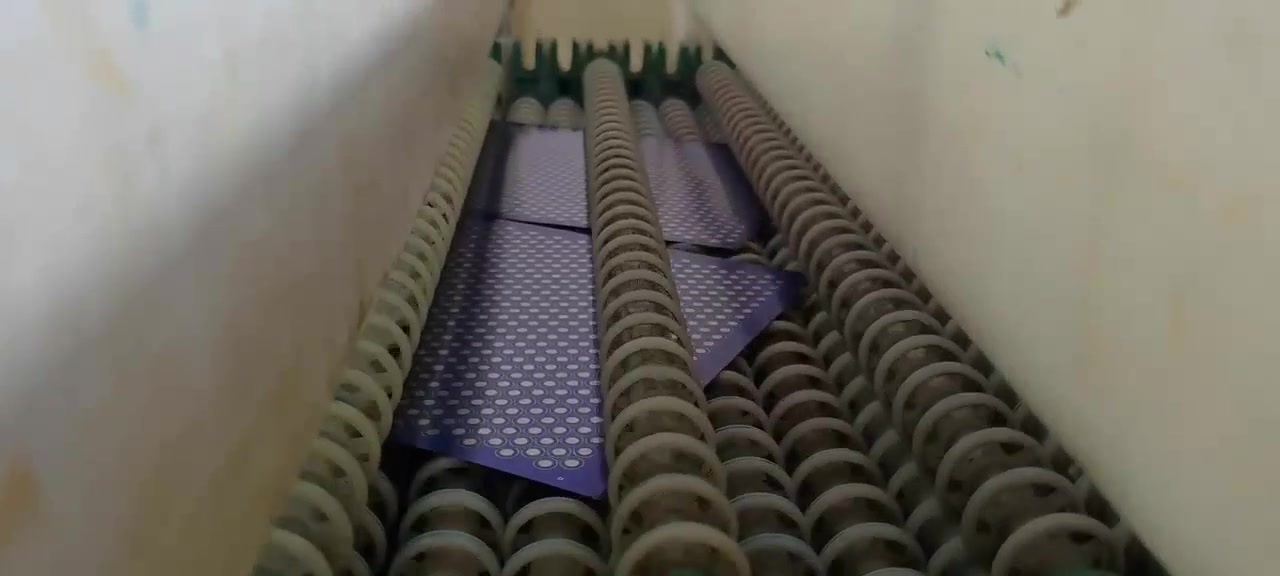
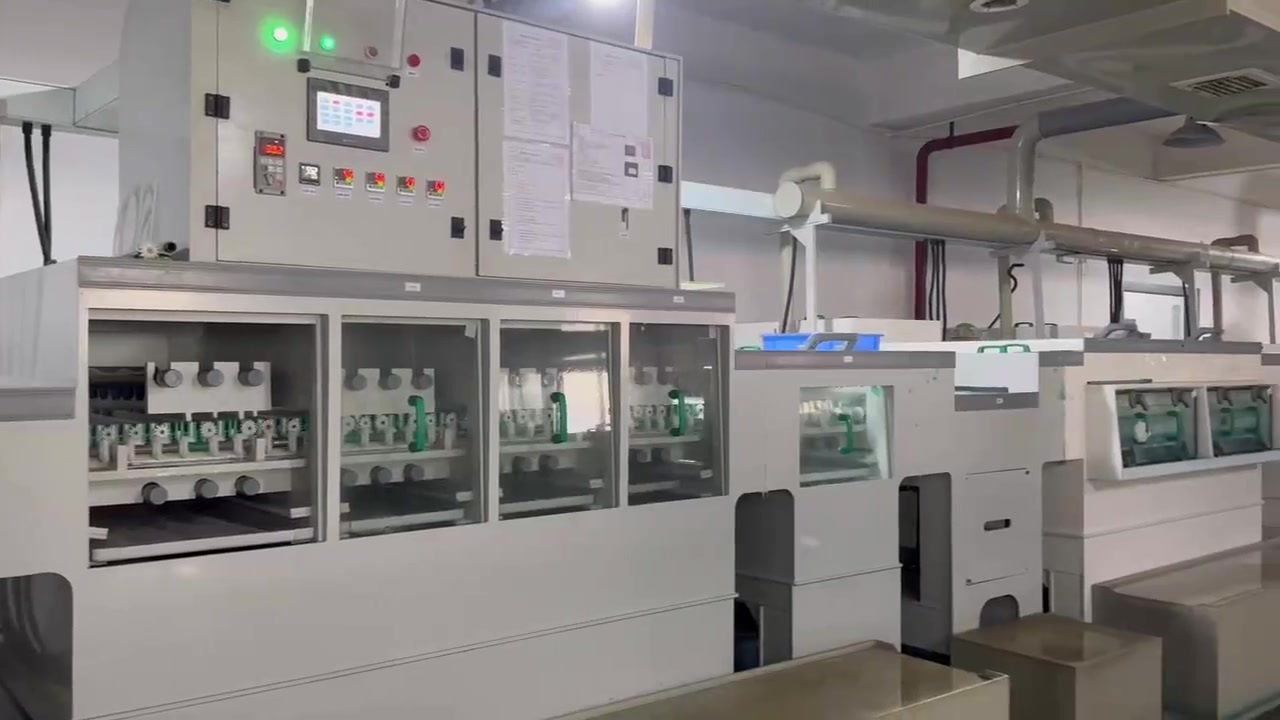
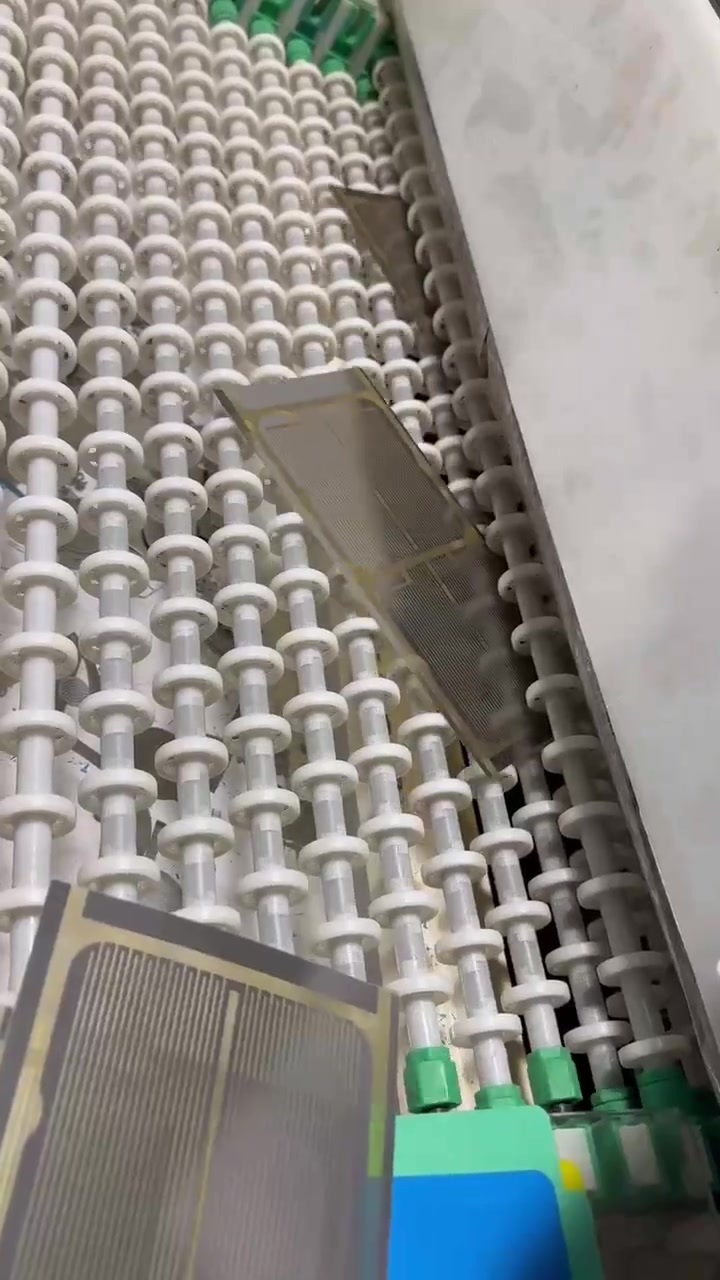
We have a full set of etching production equipment and mature processing technology. We can manufacture products in any shape with mesh sizes as small as 0.1mm, according to your requirements.

Our Advantage
Factory Direct Shipping
Our products undergo 100% QC checks before shipment, and we ensure compliance with international standards. If you require specific certifications for your target market, just let us know, and we'll meet those requirements.
Experienced Design and Manufacturing Team
We work closely with customers from the design phase to help avoid potential product flaws, ensuring both the functionality and design meet expectations.
Excellent Supply Chain Management
We can quickly adjust production schedules to meet your urgent deadlines, whether it's for large bulk orders or smaller rush orders.
OEM & ODM Support
We offer the option to print your logo or other customizations.
Strict Quality Control
Our products undergo 100% QC checks before shipment, and we ensure compliance with international standards. If you require specific certifications for your target market, just let us know, and we'll meet those requirements.
Certificate
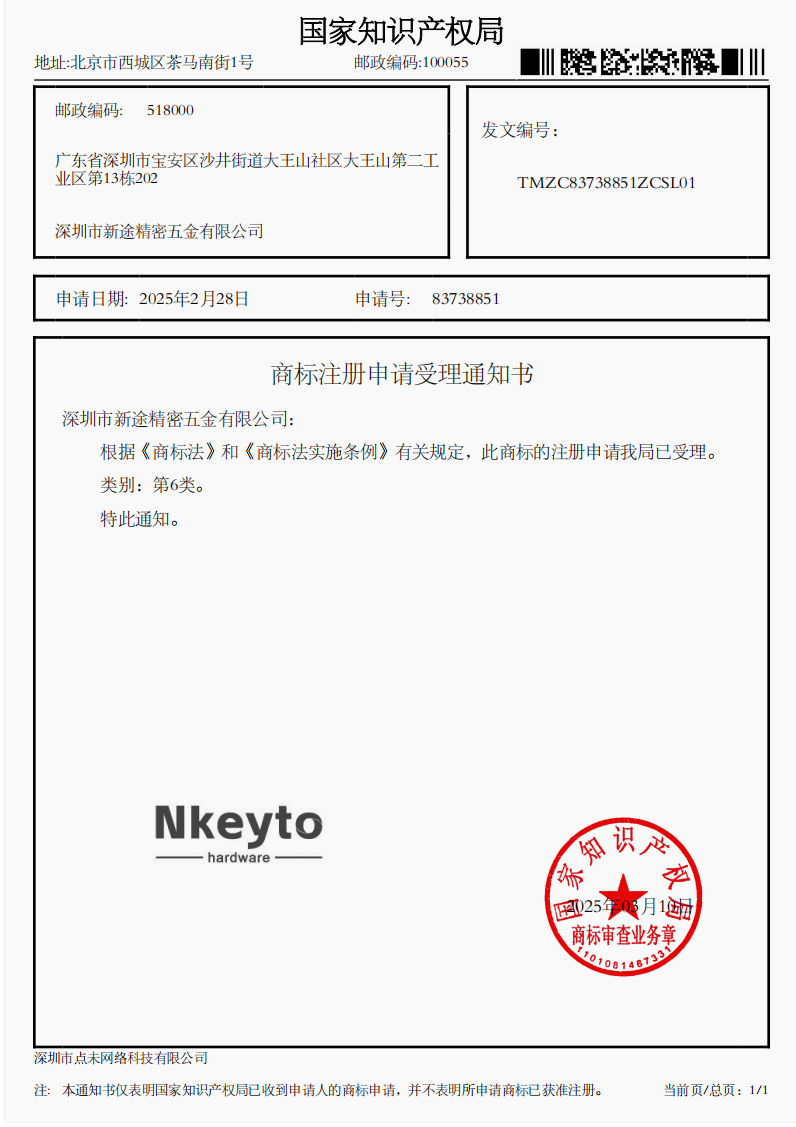
商标6类

9001
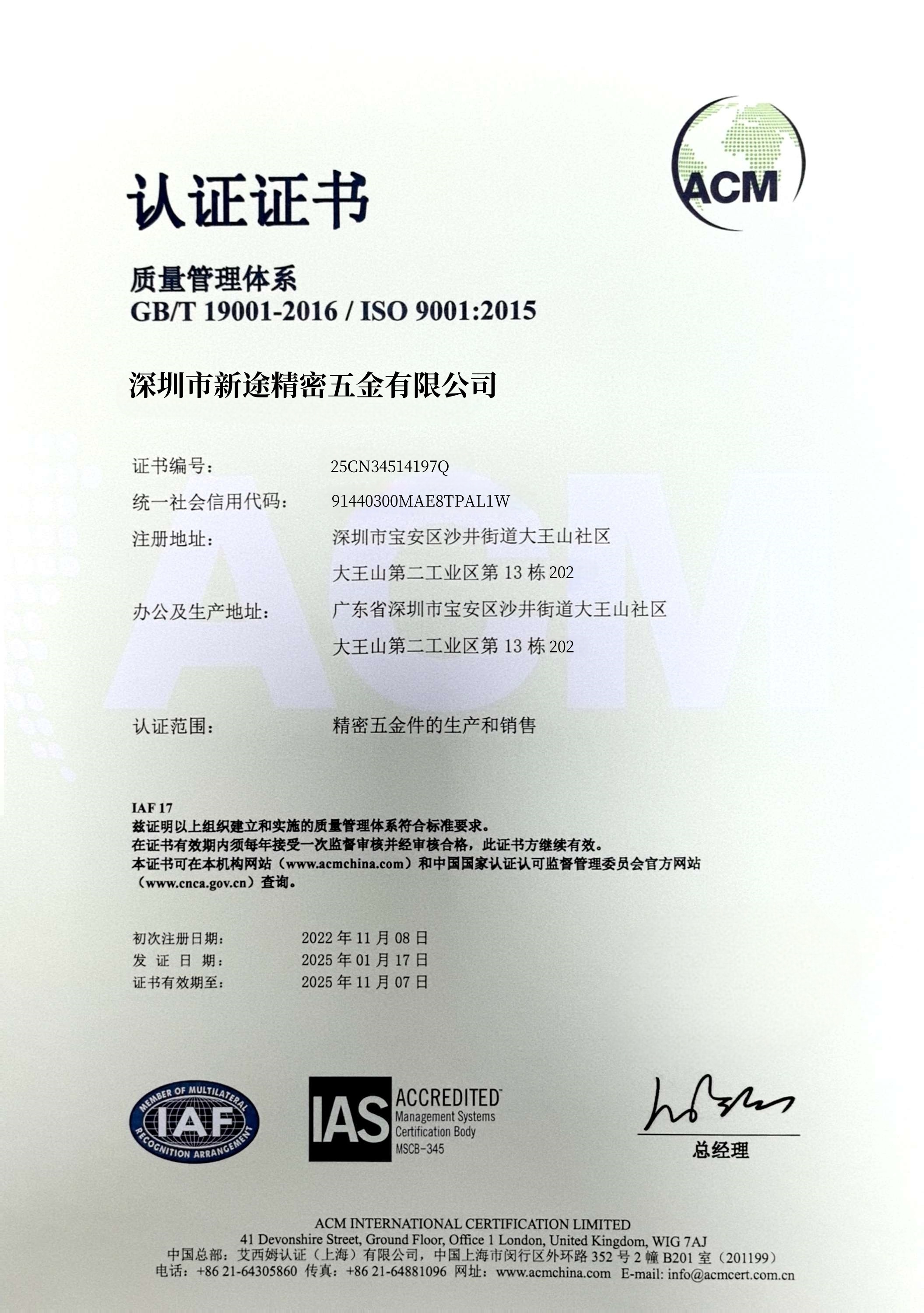
质量认证


Related Products

Shenzhen Nkeyto Precision Hardware Co., Ltd. is a factory specializing in precision hardware processing, committed to providing customers with high-quality products and services.We look forward to working with you.
Contact Us

E-mail: luna@nkeyto.com

Tel: +1 213-221-9094

Add: 13th Building, 202, Dawangshan Second Industrial Zone, Dawangshan Community, Shajing Street, Bao'an District, Shenzhen, Guangdong Province
Powered by: CEglobal
Copryright © 2025 Shenzhen Xintu Precision Hardware Co., Ltd.




Back To Top