



30 Micron Slit Plate Metal Optical Precision Aperture Plate
Category:
Key Words:
Product parameters
Parameter | Specification |
Product Name | Optical Slit Plate / Slit Aperture Plate / Micro Slit Plate |
Material | Stainless Steel (SUS304 / SUS301), Nickel, Copper, Molybdenum (optional) |
Thickness | 0.02 mm – 0.50 mm |
Slit Width | 20 μm – 500 μm (custom available) |
Slit Tolerance | ±1 – ±5 μm |
Slit Type | Single Slit / Multi Slit / Parallel Slit / Custom Pattern |
Slit Length | 0.5 mm – 100 mm (custom) |
Manufacturing Process | Chemical Etching / Laser Cutting / Precision Machining |
Edge Condition | Burr-free / Smooth edge |
Surface Treatment | Polished / Matte / Black Coating (anti-reflection) |
Flatness | ≤ 0.01 – 0.05 mm |
Dimensional Tolerance | ±0.01 – ±0.02 mm |
Light Control | High precision light transmission and beam shaping |
Operating Temperature | -50°C to 300°C (material dependent) |
Corrosion Resistance | High (stainless steel / coating optional) |
Mounting Type | Through hole / Frame mount / Custom fixing |
Application Type | Optical Measurement / Laser Control / Detection Systems |
Customization | Slit width / spacing / shape / material / coating |
Product Description
Product Introduction:
This 30 micron slit plate is a precision optical slit plate designed for controlled light transmission and beam shaping. The aperture plate provides accurate slit width and stable structure, ensuring consistent optical performance. As a high-quality precision plate, it is widely used in optical systems requiring reliable slit geometry.
Applications:
Optical detection systems, laser beam shaping, spectroscopy equipment, optical sensors, scientific research instruments
Material Selection for Optical Slit Plates: Why Stainless Steel Leads
In the design of optical systems, the slit plate is often treated as a passive component, yet its material properties play a critical role in the longevity and accuracy of the instrument. Whether you are designing a high-resolution spectrometer or a laser beam profiler, choosing the right metal is just as important as defining the slit geometry.
At our factory, we process a wide variety of metals to meet specific environmental and optical requirements. While Stainless Steel Slit Plate components remain the industry standard for most applications due to their balance of strength and cost, specialized applications often demand materials like Copper or Molybdenum.
This guide breaks down the properties of these materials to help you select the best option for your optical aperture needs.
Stainless Steel: The Versatile Workhorse
Stainless steel is our most commonly requested material for precision optical apertures. Its dominance in the market is due to its excellent corrosion resistance, mechanical strength, and ease of fabrication via chemical etching.
- SUS304 (AISI 304): This is the standard choice for general optical instruments. It offers good oxidation resistance and formability. For most laboratory environments and indoor industrial sensors, a Stainless Steel Slit Plate made from SUS304 provides the perfect balance of durability and performance.
- SUS316 (AISI 316): For instruments exposed to harsher environments—such as marine applications or medical devices requiring frequent sterilization—SUS316 is superior. It contains molybdenum, which enhances resistance to chlorides and acidic environments.
Why we recommend it: Stainless steel is ideal for creating high-aspect-ratio slits. It holds its shape well during the etching process, ensuring that the slit walls are straight and the edges are burr-free.
Molybdenum: The High-Temperature Specialist
When optical systems operate in extreme conditions, standard steel may not suffice. This is where Molybdenum Etching becomes essential. Molybdenum is a refractory metal known for its high melting point and low coefficient of thermal expansion.
- Thermal Stability: In high-power laser systems or vacuum environments, components can heat up. Molybdenum maintains its dimensional stability where other metals might warp.
- Precision: Etching molybdenum is more challenging than steel, but our specialized lines allow us to produce thin, precise apertures that withstand high thermal loads without deforming.
Why we recommend it: If your slit plate is part of a high-energy physics experiment or a vacuum chamber component where outgassing and thermal expansion are concerns, molybdenum is the superior choice.
Copper: Conductivity and Thermal Management
Copper is distinct from steel and molybdenum due to its high electrical and thermal conductivity. Copper Optical Parts are often selected not just for their optical properties, but for their ability to dissipate heat or conduct electricity within an assembly.
- Heat Dissipation: In laser applications where heat buildup at the slit edge could cause damage, copper helps draw heat away from the aperture.
- Machinability: Copper etches very cleanly, allowing for extremely sharp edge definitions. However, it is softer than steel, so it requires careful handling during assembly.
Why we recommend it: Copper is excellent for applications requiring EMI shielding or specific thermal management properties alongside optical precision.
Material Comparison for Optical Slits
To assist in your selection process, we have compared the key characteristics of these materials relative to optical slit applications.
Material | Key Properties | Best Application | Manufacturing Note |
|---|---|---|---|
Stainless Steel (304/316) | High strength, corrosion resistance, non-magnetic (304/316) | General spectroscopy, laser measurement, medical devices | Excellent etch quality; consistent tolerances. |
Molybdenum | High melting point, low thermal expansion, high stiffness | High-power lasers, vacuum chambers, extreme heat environments | Requires specialized etching; brittle compared to steel. |
Copper | High thermal/electrical conductivity, ductile | Heat-sensitive optics, EMI shielding applications | Soft material; requires careful packaging to prevent bending. |
Spotlight: The 30 Micron Slit Plate
Material selection becomes even more critical as slit widths decrease. Take our 30 Micron Slit Plate Metal Optical Precision Aperture Plate as an example.
Achieving a 30-micron opening requires a material that is structurally sound yet thin enough to prevent light obstruction from the slit walls (vignetting).
- Using Stainless Steel: For this specific product, stainless steel is often the preferred material. Its tensile strength allows us to etch a 30-micron hole in a thin sheet without the material tearing or deforming. The result is a rigid aperture plate that maintains its precise geometry over years of use.
- Why not Copper? While possible, a 30-micron slit in thin copper might be too fragile for automated assembly lines, making stainless steel the safer, more robust choice for this specific dimension.
Conclusion
Selecting the right material is a balancing act between environmental resistance, thermal properties, and mechanical strength. While Copper Optical Parts and Molybdenum Etching serve vital roles in specialized high-tech sectors, the Stainless Steel Slit Plate remains the gold standard for general optical precision due to its versatility and durability.
Our team is ready to help you navigate these choices. Whether you need a standard 30-micron aperture or a custom multi-slit configuration, we ensure the material matches the mission.
Need a recommendation for your specific optical setup?
Contact Luna via WhatsApp at 12132219094 to discuss material options and request a quote for your precision metal components.
Questions and Answers
Frequently Asked Questions (FAQ)
Q: Can you etch black oxide coatings onto these materials?
A: Yes. For stainless steel and copper, we can apply black oxide or other chemical blackening treatments. This is crucial for reducing stray light reflection in optical systems.
Q: What is the minimum thickness you can etch for Molybdenum?
A: While we can etch very thin foils, molybdenum becomes brittle at extremely low thicknesses. We typically recommend a thickness that balances flexibility with the structural rigidity required for your specific slit width.
Q: Is stainless steel magnetic?
A: Generally, austenitic stainless steels like SUS304 and SUS316 are non-magnetic in their annealed state. However, cold working or laser cutting can induce slight magnetism. Chemical etching does not induce magnetism, making our etched Stainless Steel Slit Plate products ideal for magnetic-sensitive environments.
Q: Do you stock these materials?
A: We maintain a supply of standard grades like SUS304, SUS316, and Copper (C1100/C1020). Molybdenum and other specialized alloys are sourced based on project requirements to ensure freshness and quality.
Factory Description
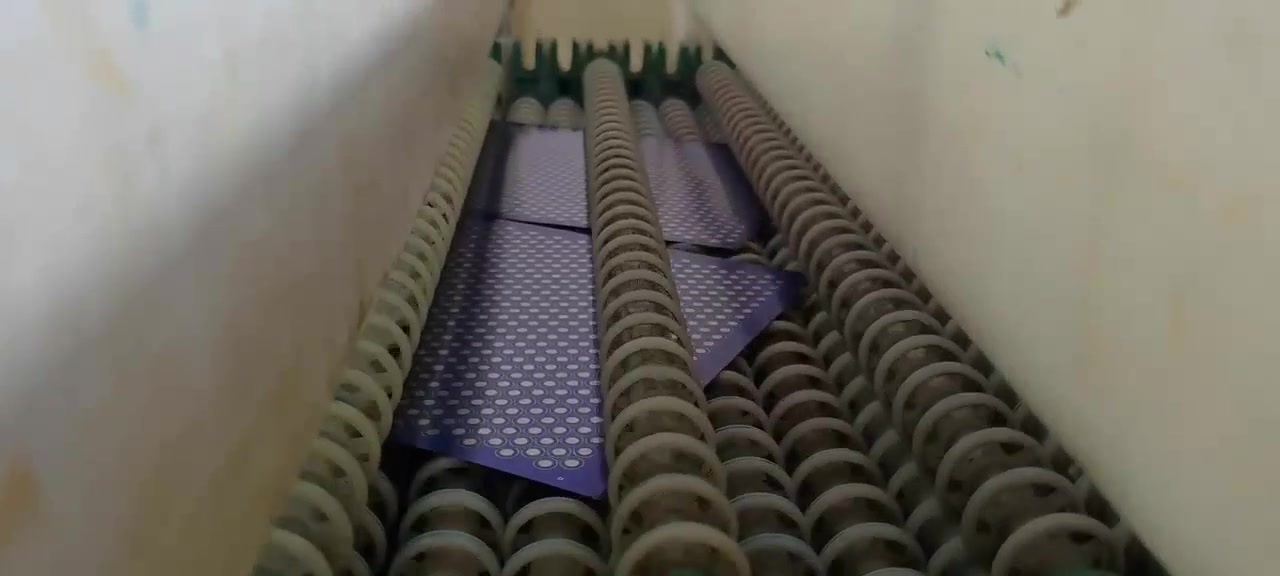
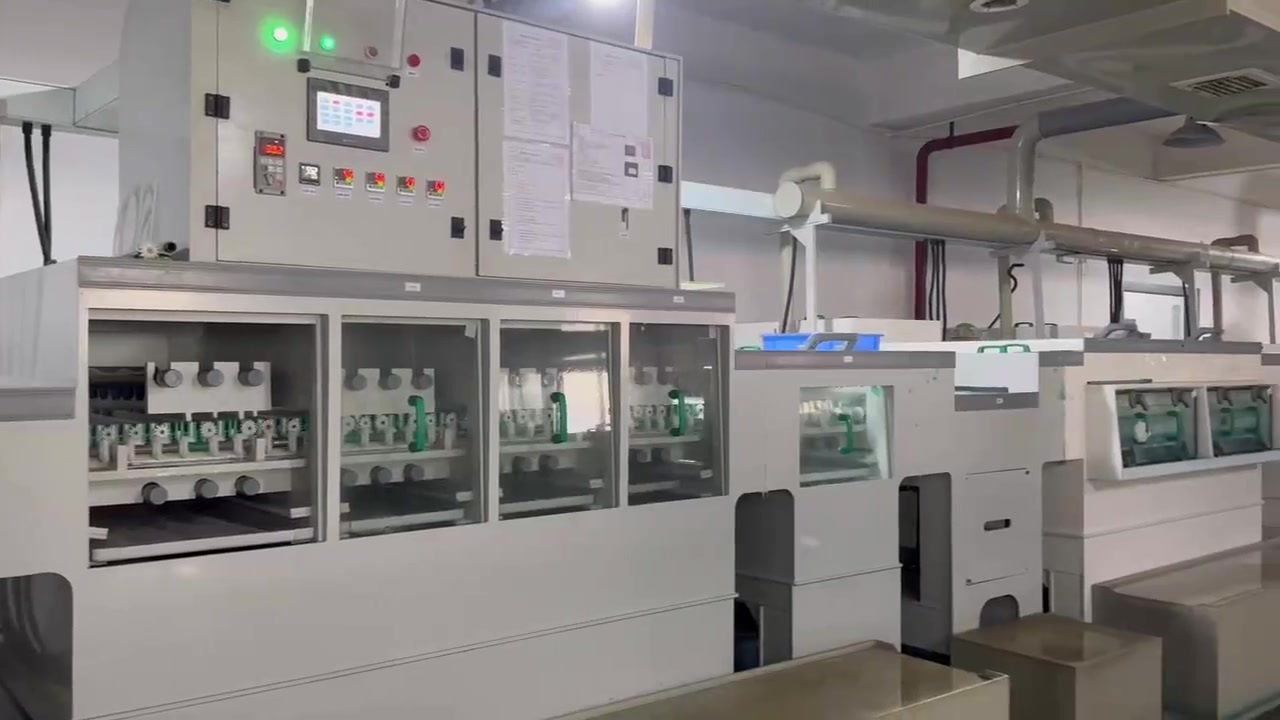
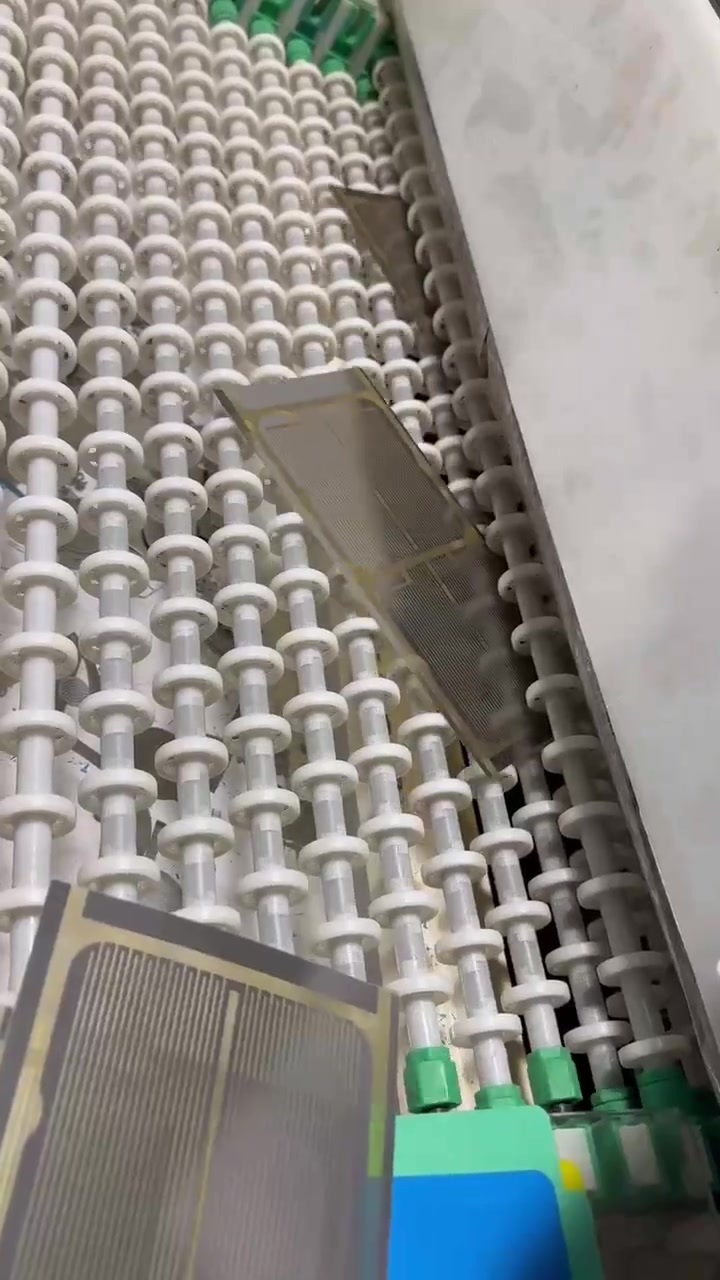
We have a full set of etching production equipment and mature processing technology. We can manufacture products in any shape with mesh sizes as small as 0.1mm, according to your requirements.

Our Advantage
Factory Direct Shipping
Our products undergo 100% QC checks before shipment, and we ensure compliance with international standards. If you require specific certifications for your target market, just let us know, and we'll meet those requirements.
Experienced Design and Manufacturing Team
We work closely with customers from the design phase to help avoid potential product flaws, ensuring both the functionality and design meet expectations.
Excellent Supply Chain Management
We can quickly adjust production schedules to meet your urgent deadlines, whether it's for large bulk orders or smaller rush orders.
OEM & ODM Support
We offer the option to print your logo or other customizations.
Strict Quality Control
Our products undergo 100% QC checks before shipment, and we ensure compliance with international standards. If you require specific certifications for your target market, just let us know, and we'll meet those requirements.
Certificate
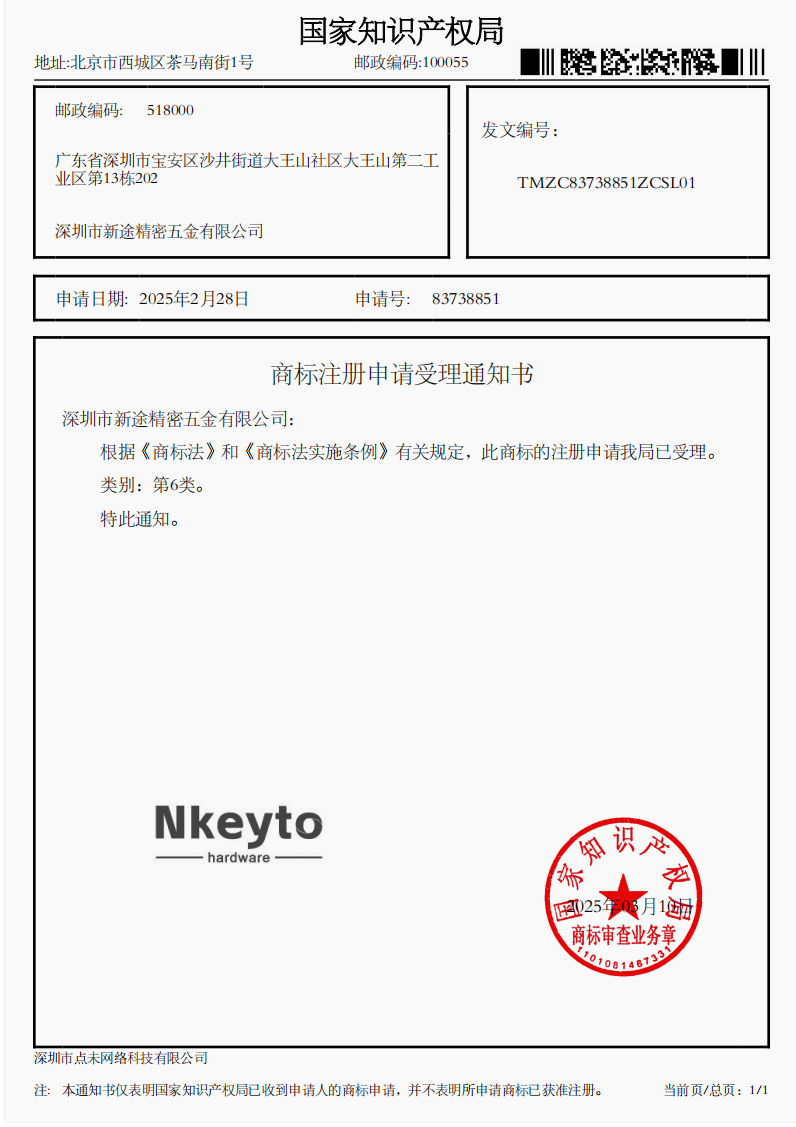
商标6类

9001
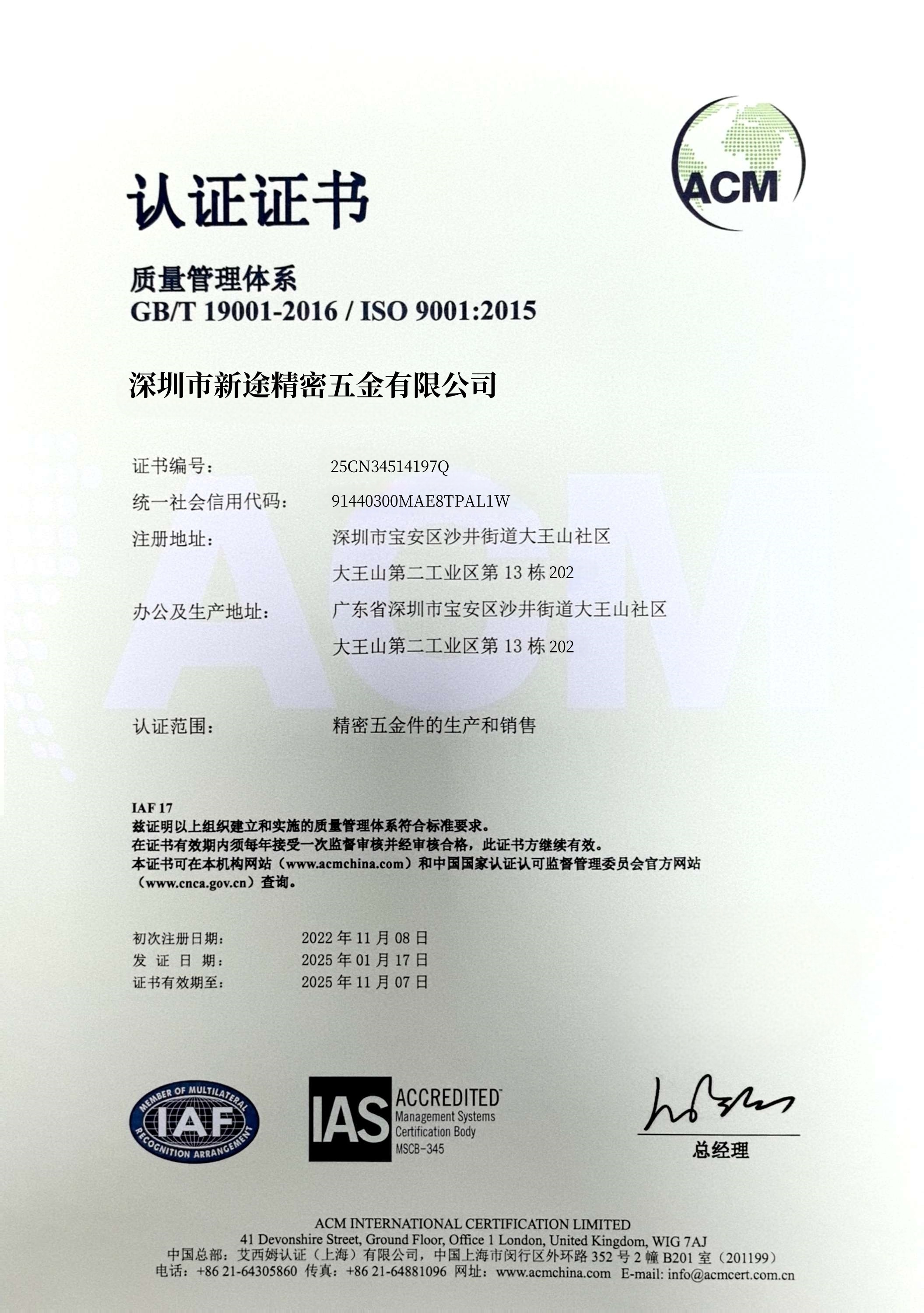
质量认证


Related Products

Shenzhen Nkeyto Precision Hardware Co., Ltd. is a factory specializing in precision hardware processing, committed to providing customers with high-quality products and services.We look forward to working with you.
Contact Us

E-mail: luna@nkeyto.com

Tel: +1 213-221-9094

Add: 13th Building, 202, Dawangshan Second Industrial Zone, Dawangshan Community, Shajing Street, Bao'an District, Shenzhen, Guangdong Province
Powered by: CEglobal
Copryright © 2025 Shenzhen Xintu Precision Hardware Co., Ltd.




Back To Top