



Beryllium Copper Contact Spring with Gold Plating
Category:
Key Words:
Product parameters
Product Description
Product Description
Manufactured from high-performance beryllium copper, this contact spring offers superior mechanical strength and fatigue resistance compared to standard materials. The gold-plated surface ensures excellent conductivity and oxidation resistance, making it ideal for precision electronic applications requiring long-term reliability.
Applications
High-end electronic equipment
Precision instruments
Signal transmission systems
Communication devices
Durable electrical contacts
Beryllium Copper vs. Phosphor Bronze: Choosing the Right Material for High-Performance Contact Springs
In the design of precision electronic components, the choice of material is rarely just about strength or conductivity—it is about finding the perfect balance between mechanical performance and electrical efficiency. As a manufacturer with over a decade of experience in precision hardware, we often consult with engineers who face a critical decision: Should I use Phosphor Bronze or Beryllium Copper (BeCu) for my contact spring?
While both materials are copper alloys, they serve very different purposes. In this post, we will provide a technical comparison to help you determine when a standard Copper Spring is sufficient and when a high-performance Beryllium Spring is absolutely necessary.
The Tale of the Tape: Material Properties
Phosphor Bronze (such as C5191/C5210) is the industry workhorse. It offers good strength and excellent formability at a reasonable cost. However, Beryllium Copper (such as C17200) is the "super-alloy" of the copper world. It is designed for applications where failure is not an option.
Here is how they compare in key performance areas:
Property | Phosphor Bronze (Standard) | Beryllium Copper (High-Perf) | Why It Matters |
|---|---|---|---|
Strength | Moderate (500-600 MPa) | Ultra-High (1100-1400 MPa) | BeCu can handle much higher contact pressure in smaller spaces. |
Conductivity | ~15% IACS | ~22-25% IACS | BeCu dissipates heat and electricity more efficiently. |
Stress Relaxation | Moderate | Excellent | BeCu maintains its "springiness" even at high temperatures. |
Understanding Stress Relaxation and Fatigue Resistance
The most significant differentiator between these two materials is Stress Relaxation.
Imagine a connector in a car engine or a high-power battery pack. It is constantly under pressure and exposed to heat. Over time, standard materials can "relax" or lose their tension. This is known as stress relaxation.
A Beryllium Spring excels here. Due to its unique precipitation-hardening microstructure, BeCu maintains its elastic limit even after prolonged exposure to heat and stress. This Material Fatigue Resistance ensures that the contact force does not degrade over the lifespan of the device. If you are designing a product that requires a 10-year lifespan in a harsh environment, Phosphor Bronze might eventually fail, whereas Beryllium Copper will maintain its mechanical integrity.
When to Choose Beryllium Copper?
While Phosphor Bronze is suitable for general consumer electronics, we recommend upgrading to a Beryllium Copper Contact Spring with Gold Plating for the following high-end scenarios:
- High-Temperature Environments: Automotive connectors or down-hole drilling tools where temperatures exceed 150°C.
- High-Cycle Applications: Connectors that are plugged and unplugged thousands of times (e.g., test fixtures, industrial machinery).
- Miniaturization: When you need a very small spring to do the work of a large one. BeCu's high strength allows for thinner, smaller designs without sacrificing force.
The Manufacturing Challenge: Heat Treatment
Working with Beryllium Copper is significantly more complex than working with standard copper alloys. It requires a precise thermal process to achieve its legendary properties.
In our factory, we manage this through a rigorous Age Hardening process:
- Solution Annealing: The material is heated to approx. 780°C and quenched. At this stage, the BeCu is soft and formable, allowing us to use Chemical Etching or CNC Machining to create complex geometries without tool wear.
- Forming: We shape the spring to your exact specifications.
- Aging (Precipitation Hardening): The parts are baked at a precise temperature (300-320°C) for several hours. This causes microscopic particles to form within the metal structure, skyrocketing the hardness and strength.
This "soft-to-hard" transformation is what makes BeCu so versatile but also difficult to process. It requires a manufacturer who understands the metallurgy, not just the machining.
Conclusion
If your project demands the highest reliability, superior conductivity, and resistance to heat, Beryllium Copper is the superior choice. It transforms a simple contact point into a high-reliability component.
Need Expert Advice on Material Selection?
If you are unsure whether your design requires Phosphor Bronze or Beryllium Copper, our engineering team is here to help. We can analyze your load requirements and environmental factors to recommend the most cost-effective solution.
Contact Us:
- Company: NKEYTO (Shenzhen Xintu Precision Hardware Co., Ltd.)
- Contact Person: Luna
- WhatsApp: 12132219094
Questions and Answers
Frequently Asked Questions
Q1: Can you manufacture Beryllium Copper springs using Chemical Etching?
Yes. This is one of our core strengths. Etching BeCu is ideal because it avoids the mechanical stress of stamping. We can etch the material in its soft state and then age-harden it to achieve the final high-strength properties.
Q2: Is Beryllium Copper safe to use?
Yes. While raw Beryllium dust can be hazardous during processing, the finished alloy is completely stable and safe. Our Beryllium Copper Contact Spring with Gold Plating is fully safe for use in consumer electronics, medical devices, and automotive applications.
Q3: How does the cost compare to Phosphor Bronze?
Beryllium Copper is more expensive due to the raw material cost and the additional heat treatment process. However, for critical applications, the cost of a component failure far outweighs the marginal increase in material cost.
Q4: What plating works best with Beryllium Copper?
Gold plating is the standard pairing for BeCu in high-end applications. Since BeCu is often used for its high conductivity, plating it with gold ensures the surface resistance remains near zero, maximizing the material's potential.
Factory Description
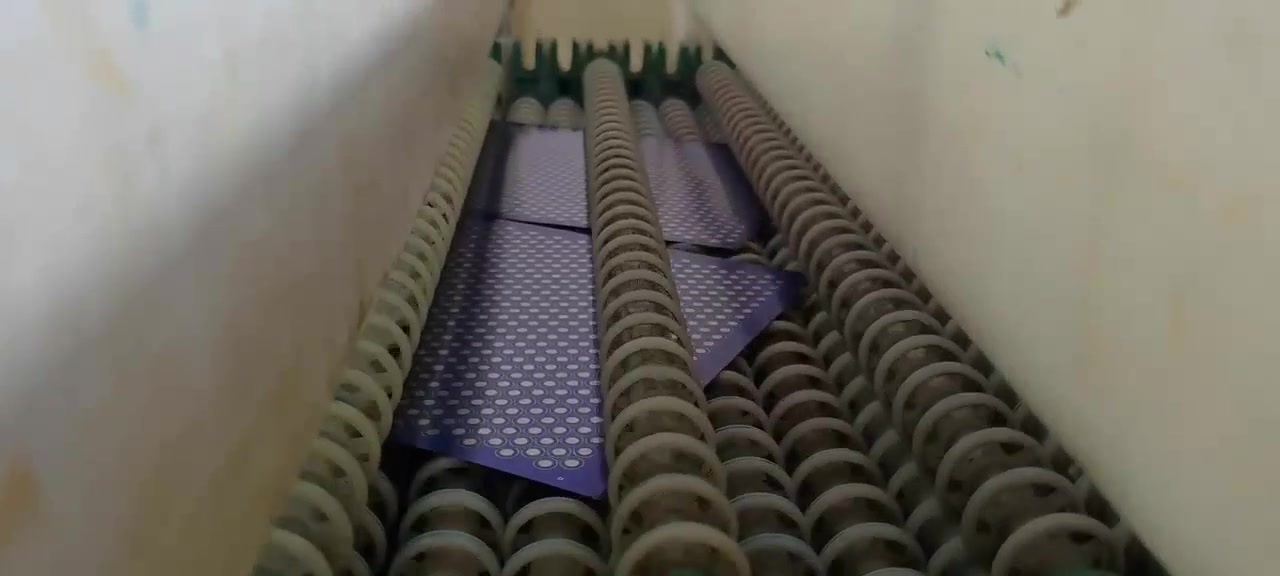
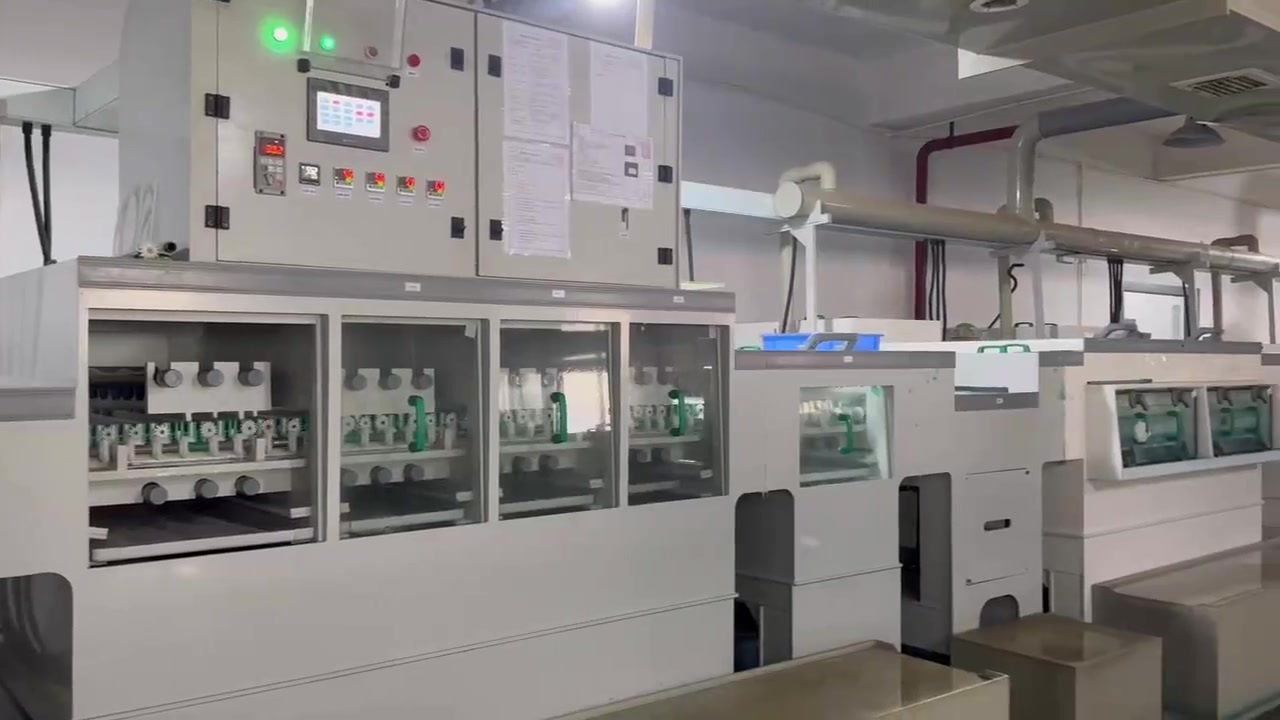
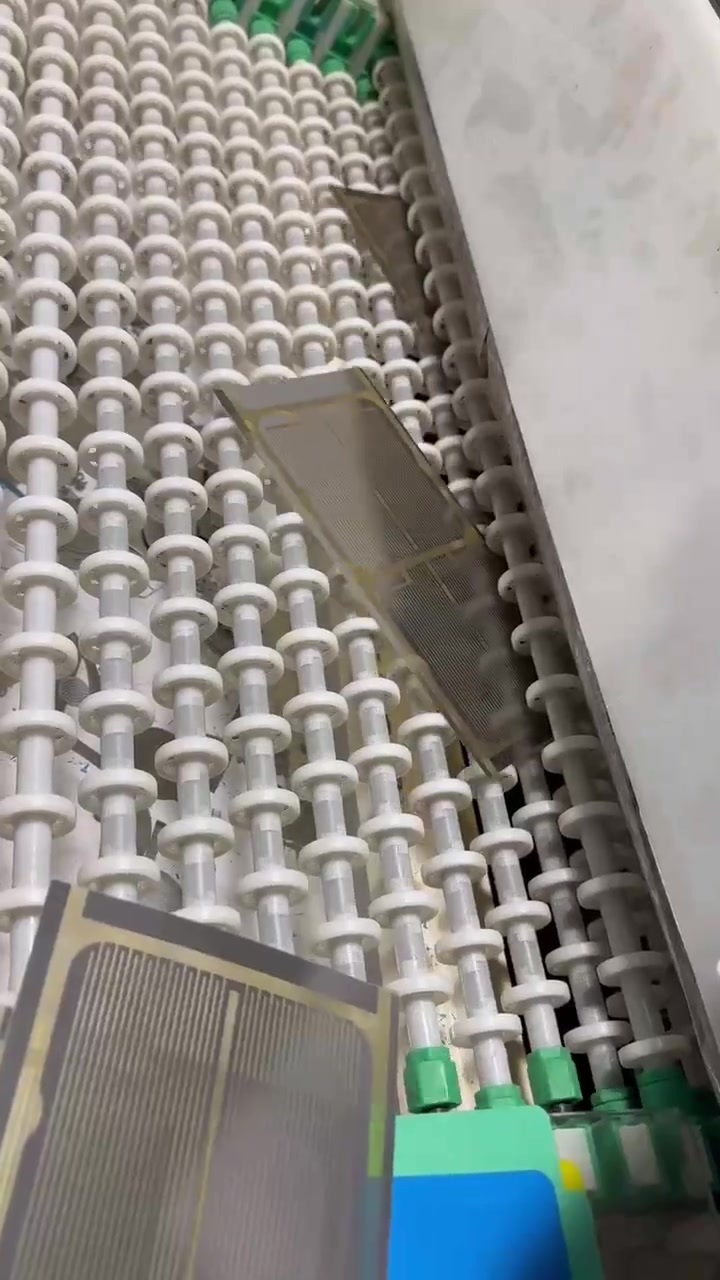
We have a full set of etching production equipment and mature processing technology. We can manufacture products in any shape with mesh sizes as small as 0.1mm, according to your requirements.

Our Advantage
Factory Direct Shipping
Our products undergo 100% QC checks before shipment, and we ensure compliance with international standards. If you require specific certifications for your target market, just let us know, and we'll meet those requirements.
Experienced Design and Manufacturing Team
We work closely with customers from the design phase to help avoid potential product flaws, ensuring both the functionality and design meet expectations.
Excellent Supply Chain Management
We can quickly adjust production schedules to meet your urgent deadlines, whether it's for large bulk orders or smaller rush orders.
OEM & ODM Support
We offer the option to print your logo or other customizations.
Strict Quality Control
Our products undergo 100% QC checks before shipment, and we ensure compliance with international standards. If you require specific certifications for your target market, just let us know, and we'll meet those requirements.
Certificate
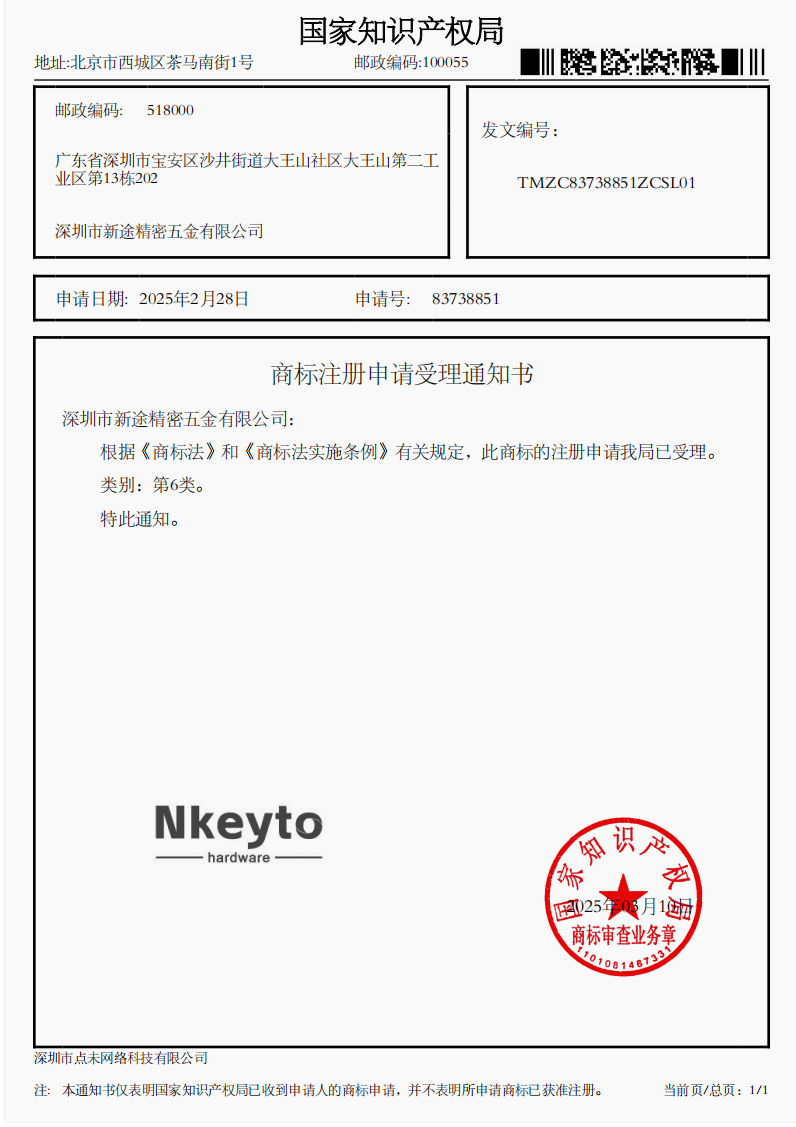
商标6类

9001
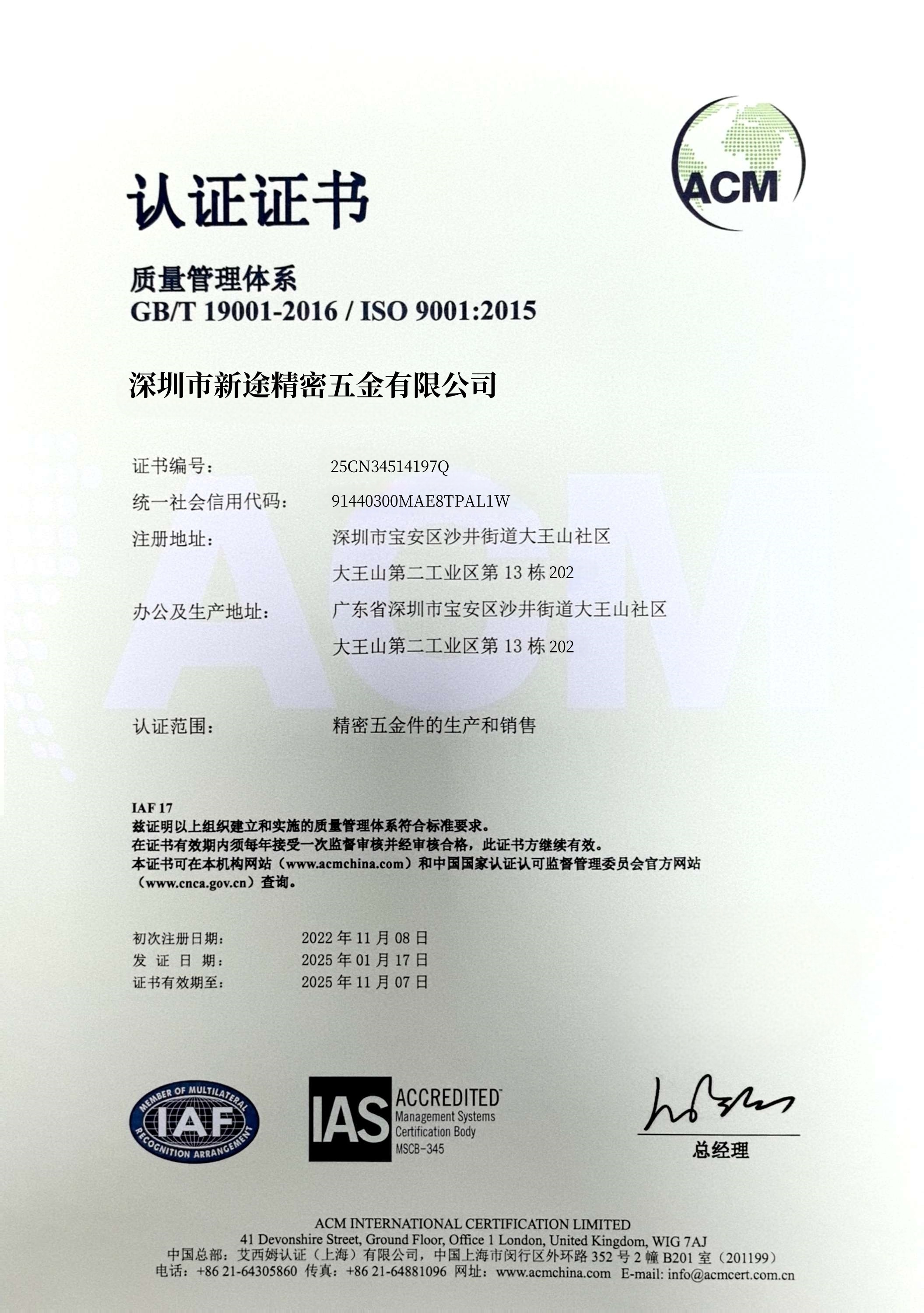
质量认证


Related Products

Shenzhen Nkeyto Precision Hardware Co., Ltd. is a factory specializing in precision hardware processing, committed to providing customers with high-quality products and services.We look forward to working with you.
Contact Us

E-mail: luna@nkeyto.com

Tel: +1 213-221-9094

Add: 13th Building, 202, Dawangshan Second Industrial Zone, Dawangshan Community, Shajing Street, Bao'an District, Shenzhen, Guangdong Province
Powered by: CEglobal
Copryright © 2025 Shenzhen Xintu Precision Hardware Co., Ltd.




Back To Top