



CNC Copper Cooling Plate with Microchannel Flow Design
Category:
Key Words:
Product parameters
Parameter | Specification / Range |
Product Name | Copper Microchannel Plate / CNC Cooling Plate / Microchannel Heat Sink |
Material | Copper (C1100 / C1020) / Copper Alloy (optional) |
Manufacturing Process | CNC Machining / Milling / Drilling / Finishing |
Structure Type | Microchannel / Slot Channel / Custom Flow Design |
Plate Thickness | 2 – 50 mm (customizable) |
Channel Width | 0.2 – 2.0 mm (depending on design & tool) |
Channel Depth | 0.5 – 10 mm (customizable) |
Channel Pitch | 0.3 – 3.0 mm |
Surface Roughness | Ra 0.8 – 3.2 μm (machined) |
Flatness | ≤ 0.05 mm (depending on size) |
Tolerance | ±0.01 – ±0.05 mm |
Surface Treatment | Cleaning / Polishing / Nickel Plating / Anti-oxidation |
Sealing Method | Brazing / Welding / Cover Plate Assembly (if required) |
Cooling Medium | Water / Coolant / Customized fluids |
Thermal Performance | High heat transfer efficiency (design dependent) |
Operating Temperature | -40°C to 200°C (depending on application) |
Pressure Resistance | Based on design (customizable) |
Application | Liquid Cooling / Heat Sink / Heat Exchanger / Thermal Management |
OEM / ODM | Supported |
Drawing Format | STEP / STP / IGES / CAD / PDF |
Sample | Available |
Lead Time | 10 – 25 days |
Packaging | Anti-oxidation packaging / Custom export packaging |
Product Description
Product Description
CNC copper cooling plate with optimized microchannel flow design, improving heat transfer efficiency and fluid distribution. The internal channel layout enhances cooling performance, making it suitable for high-power applications.
Application Field
Liquid cooling equipment using copper cooling plates
Systems requiring microchannel flow design for heat exchange
Electronics and industrial devices using CNC cooling plates
Thermal solutions for high heat flux applications
Optimized Microchannel Flow Design for CNC Copper Cooling Plate
In the engineering of high-performance thermal systems, the geometry of the cooling path is just as critical as the material used. A standard flat plate with simple drilled holes often fails to address the complex heat maps of modern high-power electronics. At our facility, we move beyond basic manufacturing to focus on Copper Cooling Plate Flow Optimization. By leveraging advanced fluid dynamics principles, we design internal structures that maximize heat transfer coefficients while minimizing energy consumption.
Our CNC Copper Cooling Plate with Microchannel Flow Design is not just a passive component; it is an active thermal management tool, engineered to disrupt boundary layers and ensure uniform coolant distribution across the entire heat source.
The Science of Flow: Layout and Uniformity
The efficiency of a liquid cooling system relies heavily on how the coolant interacts with the heated surface. A common issue in standard cooling plates is the formation of "dead zones" where fluid stagnation leads to localized overheating. To combat this, we utilize specific Microchannel Flow Design strategies tailored to your thermal map.
We typically employ three primary flow configurations, each machined with high precision:
- Serpentine Flow: A single, continuous winding channel. This design forces the coolant to travel the full length of the plate, ensuring high fluid velocity and turbulence, which is excellent for heat transfer but results in a higher pressure drop.
- Parallel Flow: Multiple channels running side-by-side. This offers lower resistance but requires precise manifold design to ensure equal flow distribution.
- Hybrid/Stepped Flow: Our most advanced solution. We machine channels that change width or depth along the flow path. For example, wider channels at the inlet reduce pressure, while narrower, denser fins at the heat source maximize surface area.
Engineering for Efficiency: Pressure Drop vs. Heat Transfer
The core challenge in thermal design is balancing heat removal with pumping power. A Low Resistance Heat Exchanger is vital for systems where pump energy is limited or where noise and vibration must be minimized.
Through Computational Fluid Dynamics (CFD) analysis, we simulate the behavior of the coolant within the microchannels. This allows us to visualize the velocity vectors and pressure contours before a single chip of copper is cut.
Optimization Results from Recent Projects:
By optimizing the channel aspect ratio and fin density, we have helped clients achieve significant performance gains:
- Pressure Drop Reduction: By refining the inlet and outlet manifolds to ensure smoother flow transitions, we reduced the system pressure drop by approximately 20%, allowing for the use of smaller, more efficient pumps.
- Thermal Resistance Reduction: By increasing the fin density in critical heat zones, we lowered the overall thermal resistance by 15%, keeping sensitive electronics well below their maximum operating temperatures.
Tailored Channel Density for Your System
Not all heat sources are uniform. A processor may have a concentrated hot spot in the center, while an IGBT module might generate heat across a larger area. Our CNC Copper Cooling Plate manufacturing process allows for variable channel density.
We can machine microchannels with widths as small as 0.5mm and aspect ratios that maximize surface area without compromising structural integrity. For high-flow systems, we design wider channels to maintain laminar flow. For low-flow systems, we increase the channel count to force the fluid into the smallest gaps, enhancing the convective heat transfer coefficient.
Why CNC Machining is Essential for Flow Optimization
While other manufacturing methods exist, CNC machining offers the unique ability to create complex, three-dimensional flow paths. Extrusion is limited to straight, 2D profiles, and casting often lacks the precision required for true microchannels.
With our CNC capabilities, we can machine:
- Pin-Fin Structures: Staggered pillars that disrupt flow and create turbulence for superior mixing.
- Contoured Bases: Curved surfaces that match the heat source perfectly.
- Integrated Manifolds: Complex internal plumbing that eliminates the need for external tubing.
Technical Specifications
- Flow Path Designs: Serpentine, Parallel, Hybrid, Pin-Fin
- Min. Channel Width: 0.5mm (CNC Machined)
- Surface Roughness: Ra ≤ 0.8μm (Optimized for flow)
- Optimization Method: CFD Simulation & Thermal Testing
- Material: High-Purity Copper (C11000)
Optimize Your Thermal Performance Today
Don't let inefficient flow paths limit your system's potential. Let us engineer a cooling solution that delivers maximum performance with minimum resistance.
Contact us today to discuss your flow optimization requirements.
Luna
WhatsApp: 12132219094
Questions and Answers
Frequently Asked Questions (FAQ)
Q1: How do you optimize the flow design for my specific application?
We start by analyzing your heat load map and flow rate requirements. Using CFD software, we simulate different Microchannel Flow Design configurations to identify the layout that offers the best balance between low thermal resistance and acceptable pressure drop.
Q2: What is the benefit of a Low Resistance Heat Exchanger design?
Lower flow resistance means your cooling system requires less pumping power to circulate the fluid. This reduces energy consumption, lowers operating costs, and allows for the use of smaller, quieter pumps, which is critical in medical or consumer applications.
Q3: Can you machine complex internal structures like pin-fins?
Yes. Unlike extrusion which is limited to straight channels, our 5-axis CNC machining allows us to create complex 3D structures like pin-fin arrays or stepped channels that significantly enhance turbulence and heat transfer.
Q4: Do you provide simulation data with the product?
Yes, as part of our Copper Cooling Plate Flow Optimization service, we can provide CFD reports showing the expected velocity distribution and temperature uniformity across the plate, giving you confidence in the design before production begins.
Q5: How does channel width affect performance?
Narrower channels increase the surface area-to-volume ratio, which improves heat transfer. However, they also increase flow resistance. We help you find the "sweet spot"—typically between 0.5mm and 1.5mm—where you get maximum cooling without overloading your pump.
Factory Description
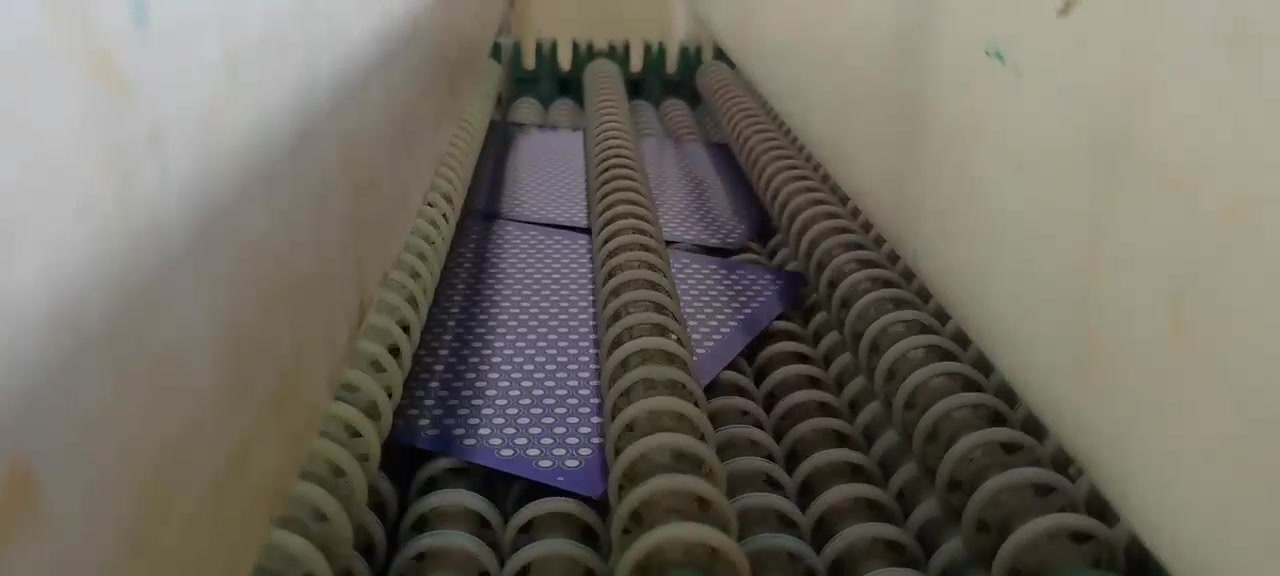
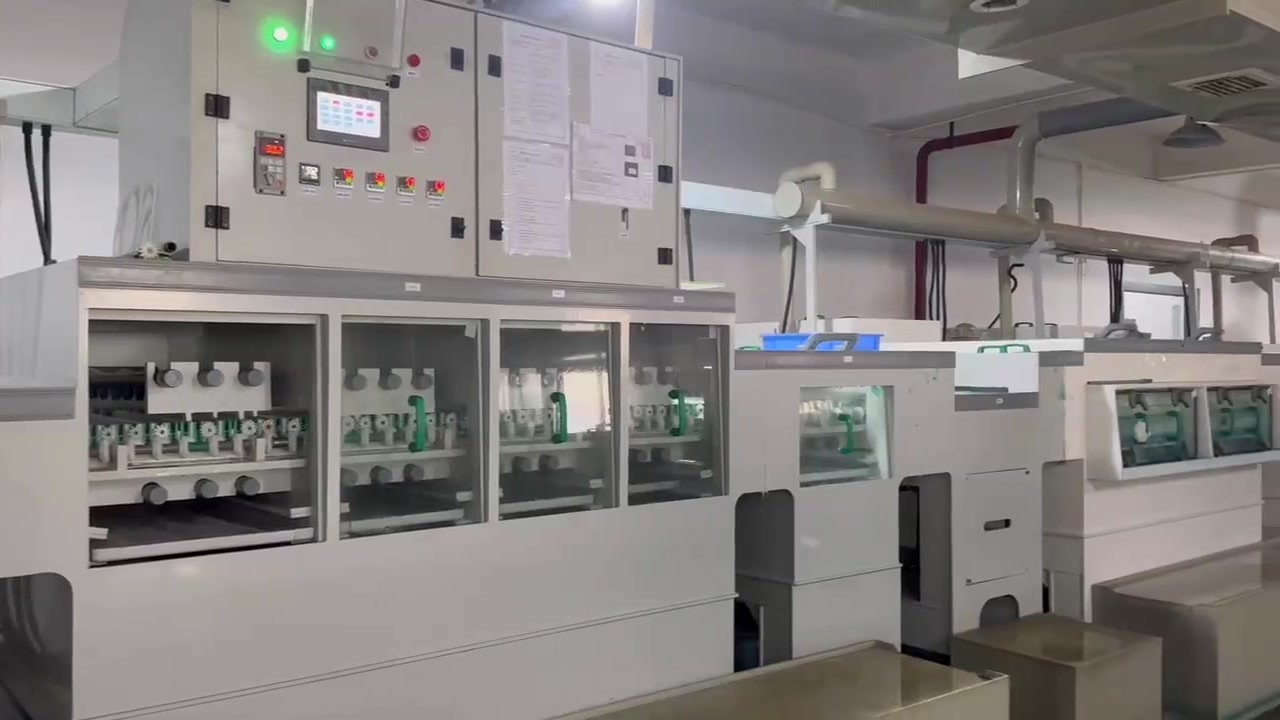
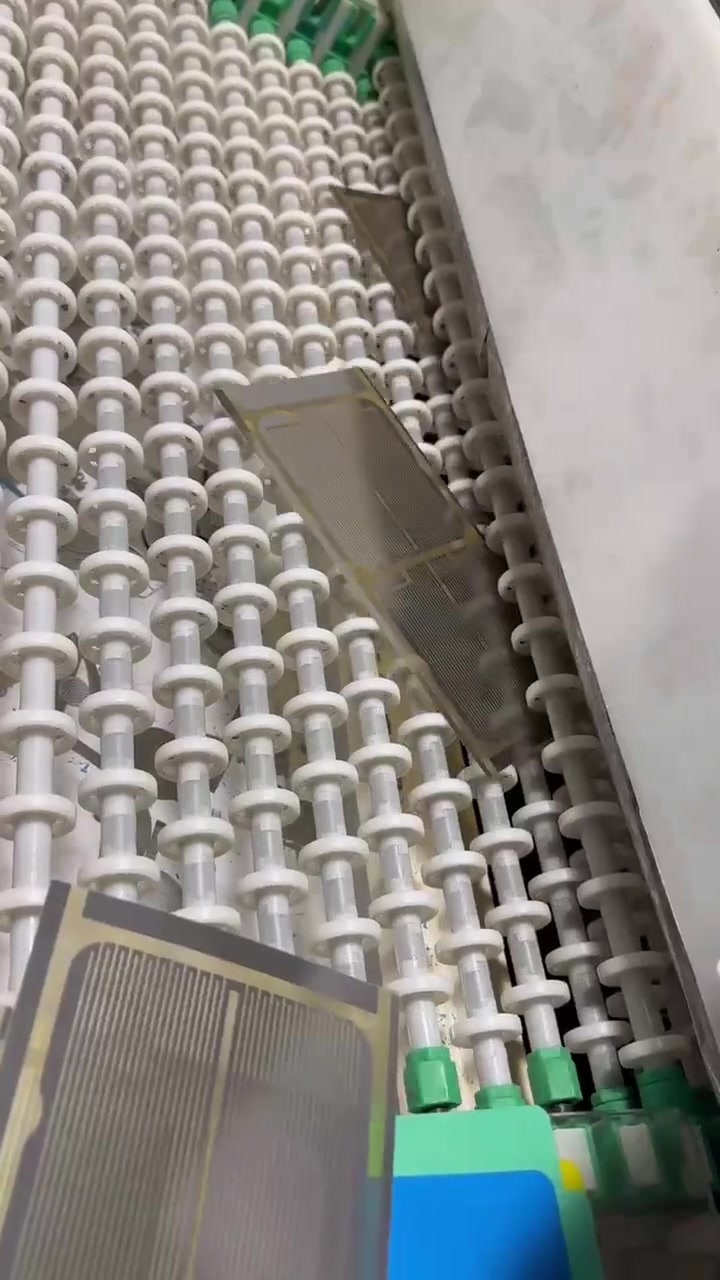
We have a full set of etching production equipment and mature processing technology. We can manufacture products in any shape with mesh sizes as small as 0.1mm, according to your requirements.

Our Advantage
Factory Direct Shipping
Our products undergo 100% QC checks before shipment, and we ensure compliance with international standards. If you require specific certifications for your target market, just let us know, and we'll meet those requirements.
Experienced Design and Manufacturing Team
We work closely with customers from the design phase to help avoid potential product flaws, ensuring both the functionality and design meet expectations.
Excellent Supply Chain Management
We can quickly adjust production schedules to meet your urgent deadlines, whether it's for large bulk orders or smaller rush orders.
OEM & ODM Support
We offer the option to print your logo or other customizations.
Strict Quality Control
Our products undergo 100% QC checks before shipment, and we ensure compliance with international standards. If you require specific certifications for your target market, just let us know, and we'll meet those requirements.
Certificate
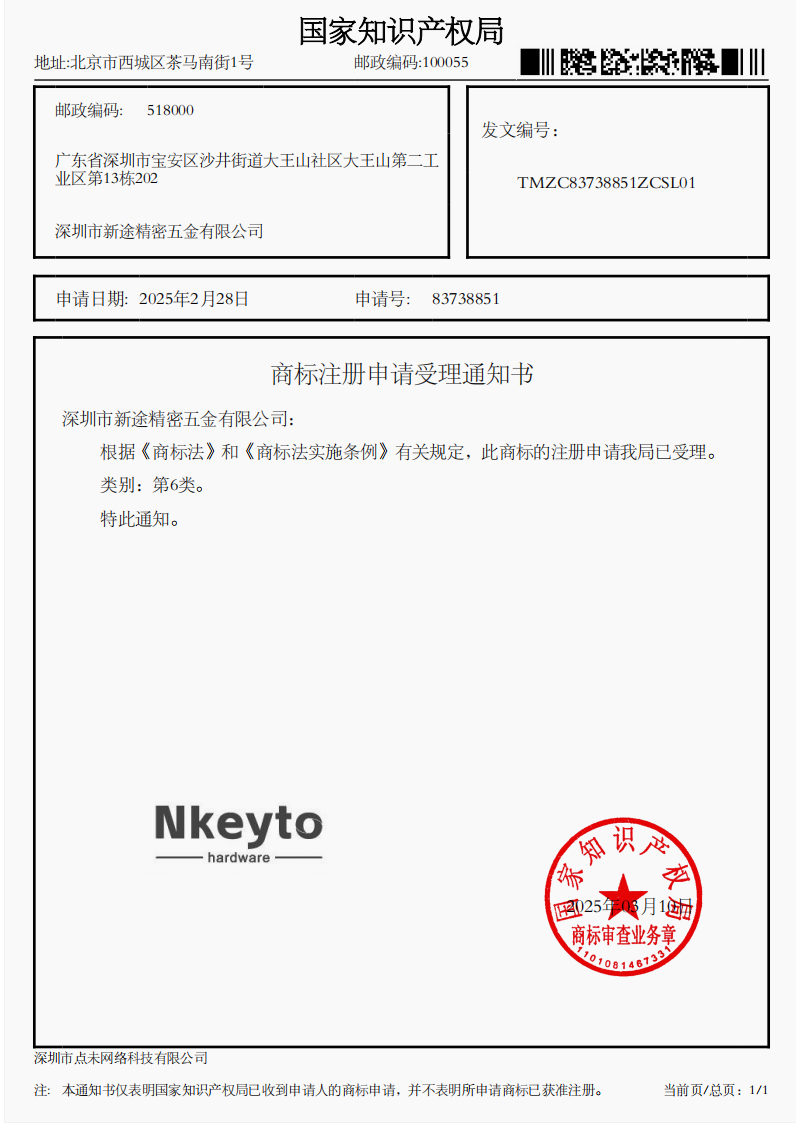
商标6类

9001
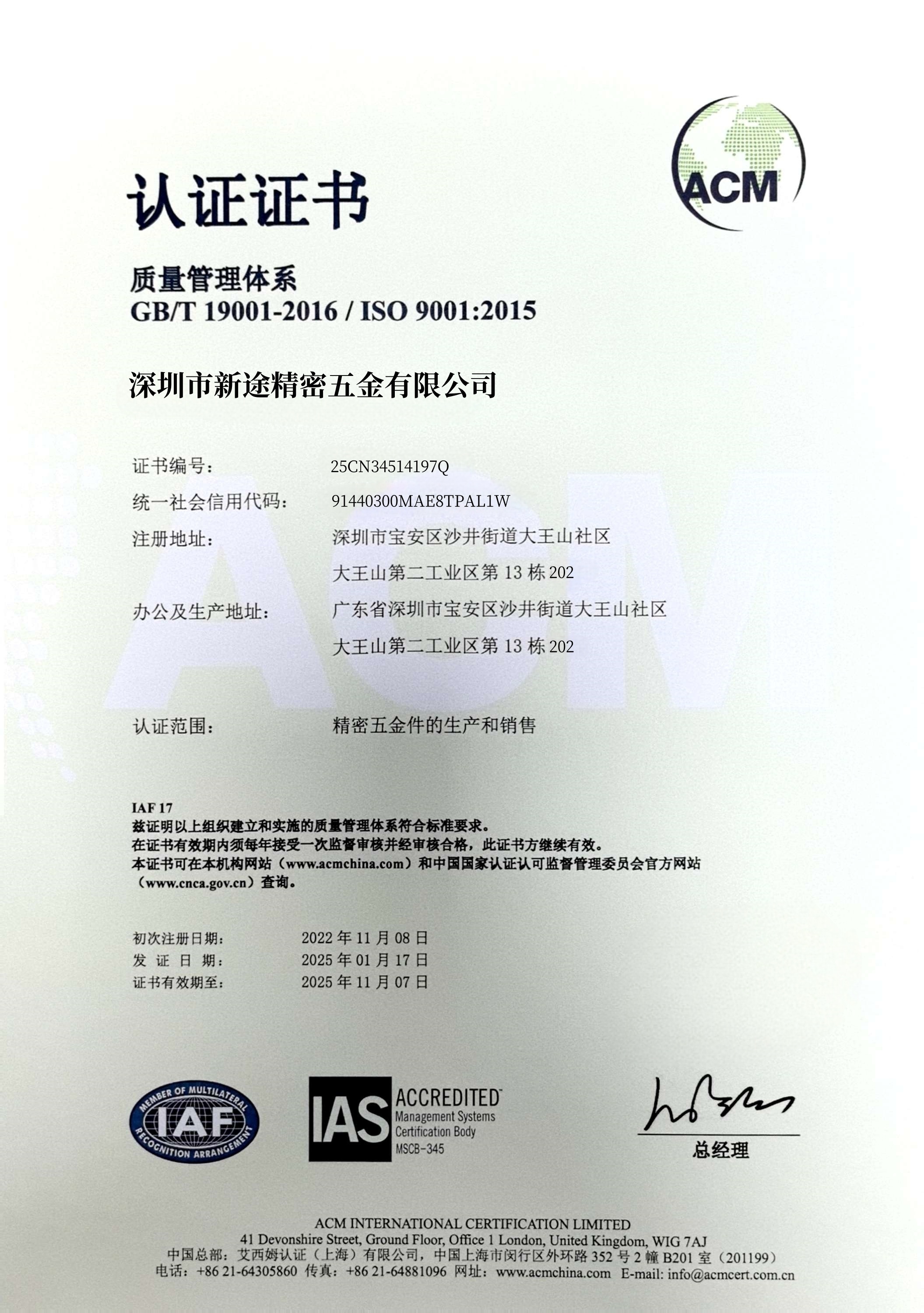
质量认证


Related Products

Shenzhen Nkeyto Precision Hardware Co., Ltd. is a factory specializing in precision hardware processing, committed to providing customers with high-quality products and services.We look forward to working with you.
Contact Us

E-mail: luna@nkeyto.com

Tel: +1 213-221-9094

Add: 13th Building, 202, Dawangshan Second Industrial Zone, Dawangshan Community, Shajing Street, Bao'an District, Shenzhen, Guangdong Province
Powered by: CEglobal
Copryright © 2025 Shenzhen Xintu Precision Hardware Co., Ltd.




Back To Top