



Copper Vapor Chamber for Automotive ECU and Battery Cooling
Category:
Key Words:
Product parameters
Parameter | Specification / Range |
Material | Copper (C1020 / C1100) |
Thickness | 0.3 – 3.0 mm (customizable) |
Structure Type | Flat Vapor Chamber / Formed Structure |
Working Fluid | Deionized Water (standard) |
Wick Structure | Sintered powder / Mesh / Groove (customizable) |
Thermal Conductivity | High thermal conductivity (design dependent) |
Heat Transfer Efficiency | Significantly higher than solid copper plate |
Flatness | ≤ 0.05 mm |
Surface Treatment | Nickel plating / Tin plating / Bare copper |
Sealing Method | Laser welding / Diffusion bonding |
Operating Temperature | -40°C to 120°C (customizable) |
Heat Source Area | Custom design based on application |
Application | Electronics cooling / Automotive / Industrial |
OEM / ODM | Supported |
Drawing Format | PDF / CAD / STEP / STP |
Sample | Available |
Production Lead Time | 10 – 20 days |
Product Description
Product Description
Copper vapor chamber designed for automotive thermal management, providing efficient heat dissipation for high-power electronic components. This vapor chamber enables rapid heat spreading and stable temperature control, making it suitable for harsh automotive environments. It functions as a reliable cooling solution for ECU cooling and battery cooling systems.
Application Field
Suitable for automotive ECU modules, EV battery systems, battery management systems (BMS), and vehicle electronic control units. This vapor chamber and automotive cooling solution is widely used in electric vehicles and advanced automotive electronics.
Powering the Future: Advanced Cooling for Automotive ECUs and EV Batteries
The automotive industry is undergoing a massive transformation. As vehicles shift from internal combustion engines to electric powertrains, the "heart" of the car is no longer just the engine block—it is the electronic control unit (ECU) and the battery pack. These components generate immense amounts of heat, and managing that thermal energy is critical for safety, performance, and longevity.
Traditional air cooling methods are increasingly insufficient for modern electric vehicles (EVs) and advanced driver-assistance systems (ADAS). This shift has created a surging demand for high-performance Automotive Cooling solutions, specifically Copper Vapor Chambers, which offer the reliability and efficiency required in such harsh environments.
The Challenge: Surviving the "Hot Zone"
Unlike consumer electronics, which operate in relatively controlled environments, automotive components must survive in what engineers call the "hot zone." Under the hood (or within the chassis of an EV), temperatures can easily exceed 80°C to 100°C ambient heat, not including the heat generated by the electronics themselves.
Furthermore, these components are subjected to constant vibration, shock, and exposure to humidity. A thermal solution that works in a laptop may fail catastrophically in a car. This is why EV Thermal Management requires components that are not only thermally efficient but also mechanically robust and hermetically sealed.
Why Copper Vapor Chambers are the Ideal Solution
A Copper Vapor Chamber is uniquely suited for automotive applications because it combines high-efficiency heat transfer with structural durability.
- Rapid Heat Spreading: In an ECU or Battery Management System (BMS), heat is often generated in small, concentrated areas (hotspots). A vapor chamber spreads this heat rapidly across a larger surface area (2D spreading), allowing the external heatsink or liquid cooling jacket to dissipate it more effectively.
- High-Temperature Resistance: Copper is naturally resistant to high temperatures and corrosion. When sealed correctly, a copper vapor chamber can operate reliably in high-heat environments for over 15 years—the typical lifespan of a vehicle.
- Vibration Resistance: Unlike some mechanical cooling solutions (like fans or pumps), a vapor chamber is a passive, solid-state device. There are no moving parts to wear out or fail due to road vibration.
Key Applications
Our precision manufacturing processes are specifically tailored to meet the rigorous standards of the automotive sector.
1. ECU Cooling (Electronic Control Units)
The ECU is the brain of the vehicle, controlling everything from power steering to battery output. As these units become more powerful to handle complex algorithms (especially in autonomous driving), they generate more heat.
- The NKEYTO Advantage: We manufacture vapor chambers with optimized internal wick structures. This ensures that the cooling performance remains consistent even when the vehicle is accelerating, braking, or cornering, where fluid dynamics inside the chamber can be affected by G-forces.
2. Battery Cooling (EV & BMS)
Lithium-ion batteries are highly sensitive to temperature. If a battery cell gets too hot, it degrades faster; if it gets too cold, it loses range. More importantly, temperature uniformity across the battery pack is essential to prevent thermal runaway.
- The NKEYTO Advantage: Our Battery Cooling plates are designed to interface directly with battery cells or cooling loops. By using high-purity copper and our precision chemical etching capabilities, we can create complex internal structures that maximize heat transfer efficiency, ensuring the pack remains within the optimal temperature window (typically 20°C - 40°C).
Precision Manufacturing for Automotive Standards
The automotive industry demands "zero defects." A single failed component can lead to costly recalls. At our factory, we understand that the quality of a Vapor Chamber lies in the details.
- Hermetic Sealing: We utilize advanced brazing and sealing techniques to ensure our chambers are completely airtight. This prevents the working fluid from leaking and stops external contaminants from entering the system.
- Complex Geometries: Automotive components often have irregular shapes to fit into tight spaces within the chassis. Our chemical etching and CNC capabilities allow us to produce vapor chambers with complex outlines, recesses, and mounting holes without compromising the internal vacuum structure.
- Surface Flatness: For effective heat transfer to a liquid cold plate or heatsink, the surface must be perfectly flat. Our manufacturing process ensures tight tolerances on flatness, minimizing thermal resistance at the interface.
The Future of EV Thermal Management
As EVs move towards 800V architectures and faster charging speeds, the heat load on these systems will only increase. Efficient Automotive Cooling is no longer just an engineering challenge; it is a competitive advantage that defines range, charging speed, and safety.
By integrating high-performance copper vapor chambers into your automotive designs, you are ensuring that your electronics can handle the power of the future.
Ready to Drive Innovation?
Thermal management is the key to unlocking the full potential of electric vehicles. Whether you are designing the next generation of ECUs or optimizing battery packs, we have the manufacturing expertise to deliver.
Contact us today to discuss your automotive thermal requirements:
- Contact Person: Luna
- WhatsApp: 12132219094
- Company: Shenzhen NKEYTO Precision Hardware Co., Ltd.
Let's power the future, safely and efficiently.
Questions and Answers
Frequently Asked Questions (FAQ)
Q: Can vapor chambers withstand the vibration of a vehicle?
A: Yes. Because a vapor chamber is a sealed, passive device with no moving parts, it is inherently resistant to vibration and shock. As long as the mounting is secure, the internal structure remains stable and functional.
Q: Why use copper for automotive cooling instead of aluminum?
A: While aluminum is lighter, copper offers nearly double the thermal conductivity. In high-power automotive applications like ECUs and fast-charging battery packs, the superior heat transfer of copper is often necessary to keep components within safe operating temperatures. Copper is also more resistant to corrosion in harsh under-hood environments.
Q: How do you ensure the reliability of the seal?
A: We use high-temperature brazing processes to create a permanent, hermetic seal. This ensures the vacuum integrity is maintained over the long lifespan of the vehicle, preventing performance degradation.
Q: Can you manufacture vapor chambers for liquid cooling systems?
A: Absolutely. Our vapor chambers are frequently used as the base plate for liquid cold plates. We can machine the surface to create flow channels or interface directly with coolant loops for maximum heat dissipation.
Factory Description
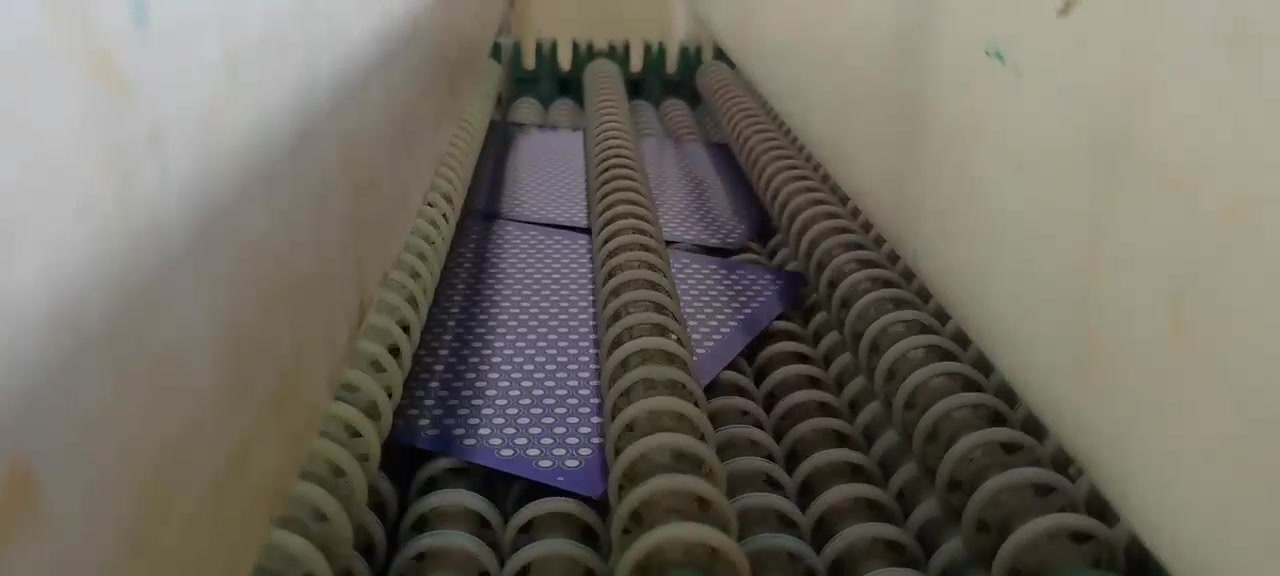
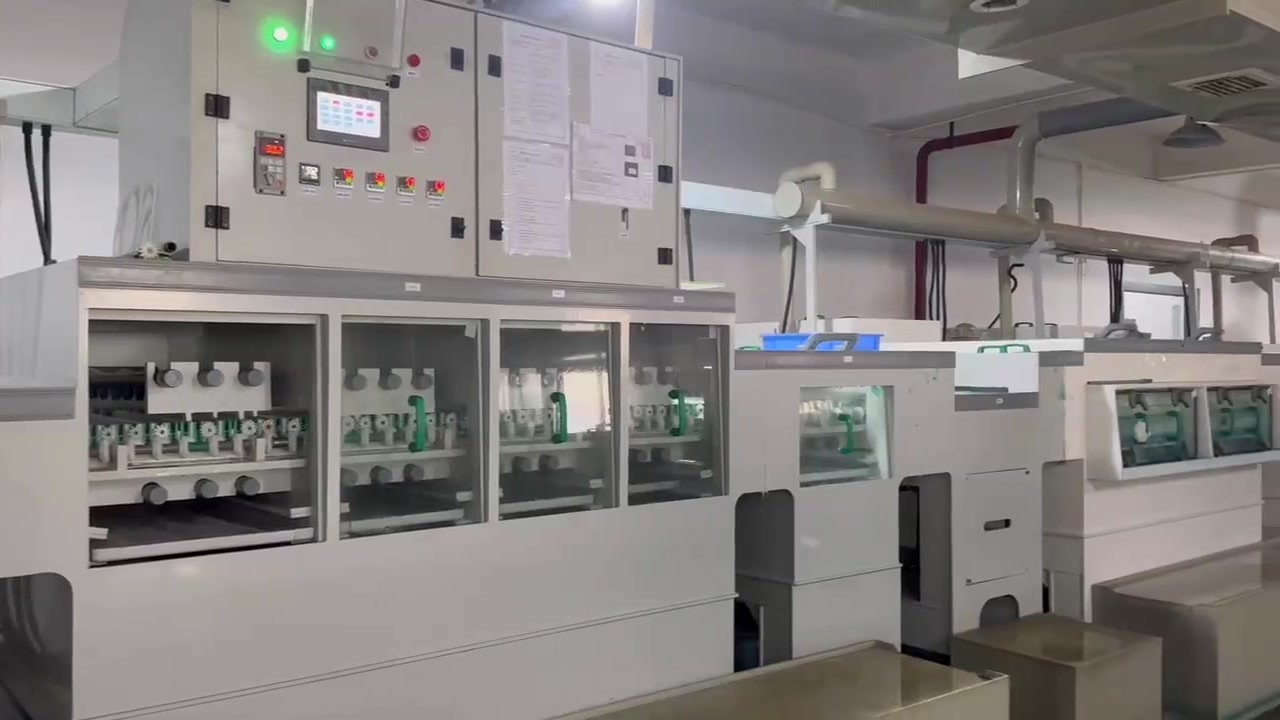
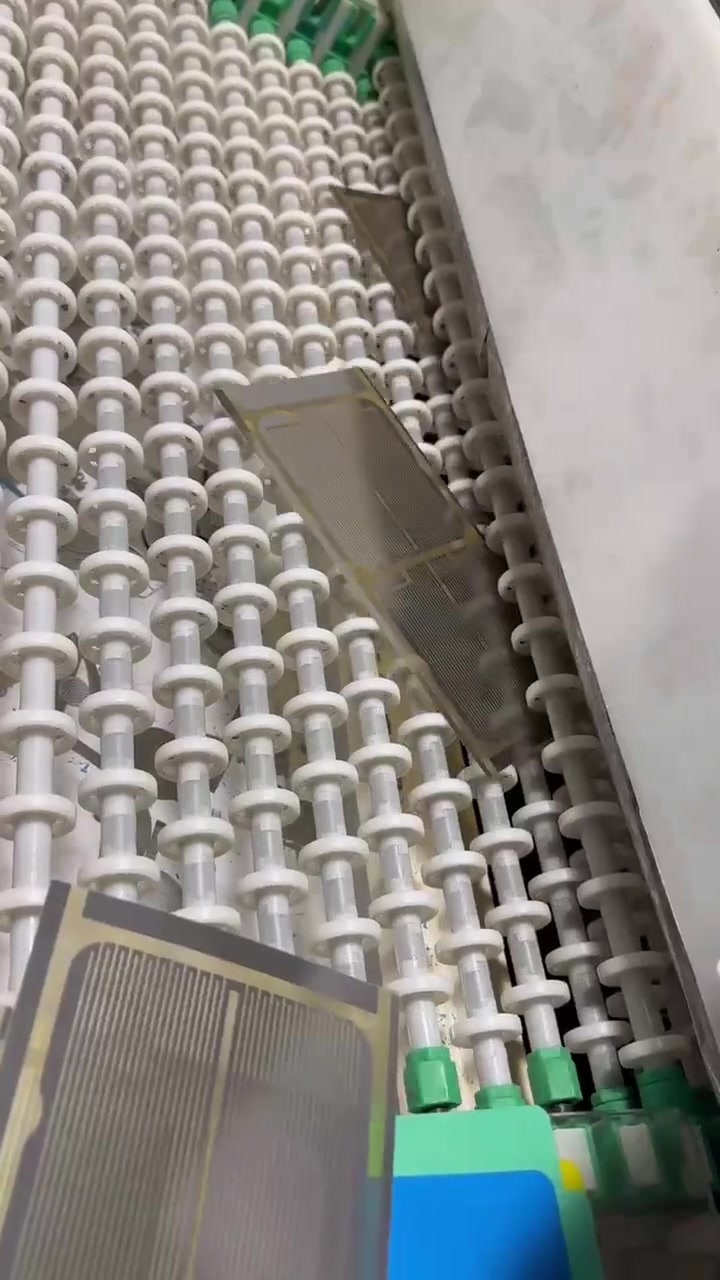
We have a full set of etching production equipment and mature processing technology. We can manufacture products in any shape with mesh sizes as small as 0.1mm, according to your requirements.

Our Advantage
Factory Direct Shipping
Our products undergo 100% QC checks before shipment, and we ensure compliance with international standards. If you require specific certifications for your target market, just let us know, and we'll meet those requirements.
Experienced Design and Manufacturing Team
We work closely with customers from the design phase to help avoid potential product flaws, ensuring both the functionality and design meet expectations.
Excellent Supply Chain Management
We can quickly adjust production schedules to meet your urgent deadlines, whether it's for large bulk orders or smaller rush orders.
OEM & ODM Support
We offer the option to print your logo or other customizations.
Strict Quality Control
Our products undergo 100% QC checks before shipment, and we ensure compliance with international standards. If you require specific certifications for your target market, just let us know, and we'll meet those requirements.
Certificate
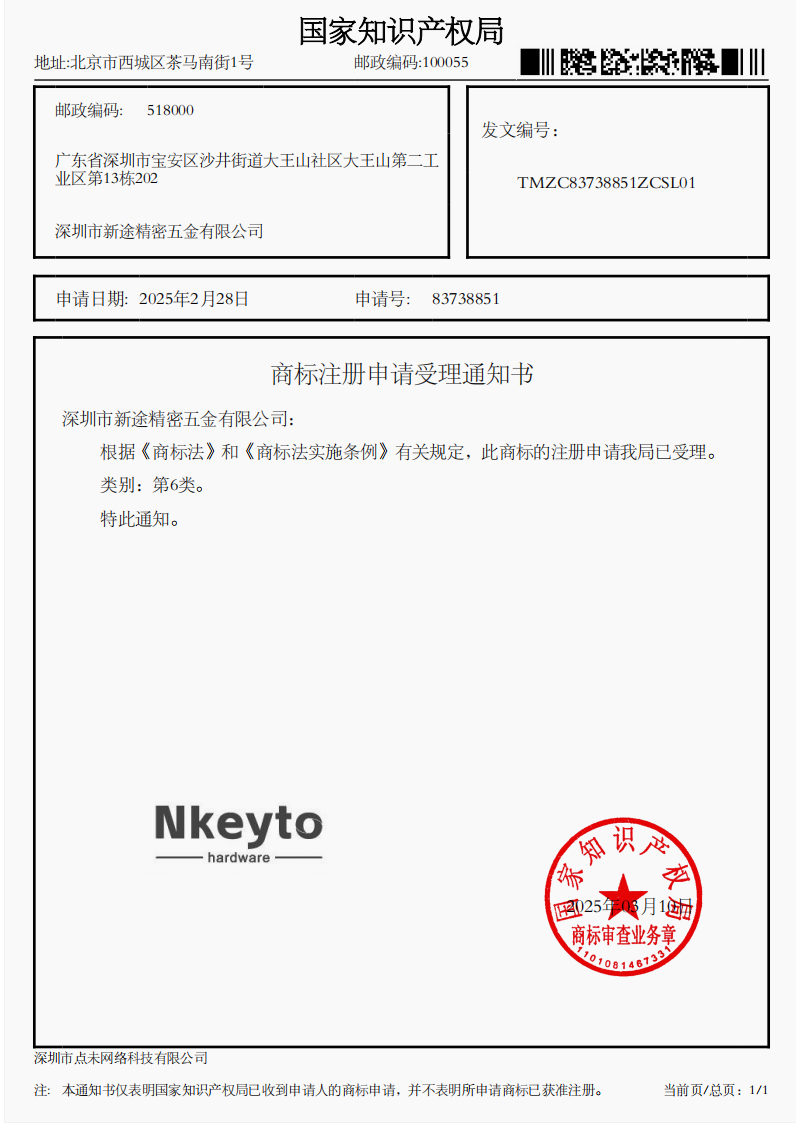
商标6类

9001
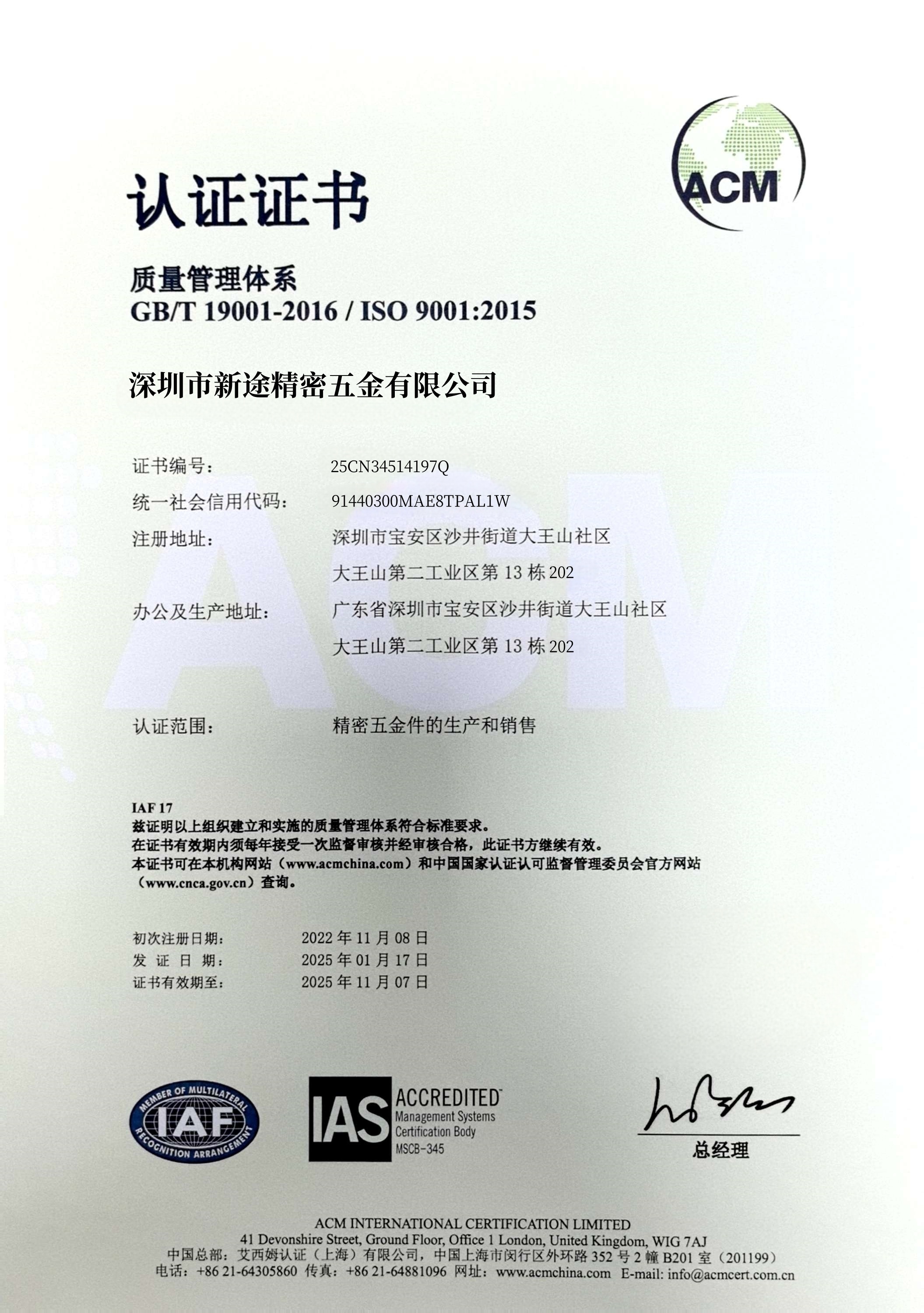
质量认证


Related Products

Shenzhen Nkeyto Precision Hardware Co., Ltd. is a factory specializing in precision hardware processing, committed to providing customers with high-quality products and services.We look forward to working with you.
Contact Us

E-mail: luna@nkeyto.com

Tel: +1 213-221-9094

Add: 13th Building, 202, Dawangshan Second Industrial Zone, Dawangshan Community, Shajing Street, Bao'an District, Shenzhen, Guangdong Province
Powered by: CEglobal
Copryright © 2025 Shenzhen Xintu Precision Hardware Co., Ltd.




Back To Top