



Custom Precision Metal Contact Parts
Category:
Key Words:
Product parameters
Parameter | Description |
Material | Stainless Steel (SUS301 / SUS304 / SUS316), Beryllium Copper (optional), Phosphor Bronze (optional) |
Manufacturing Process | Chemical Etching (Primary), Forming / Bending (Optional), Laser Cutting (Auxiliary) |
Shape | Flat / Spring type / Cantilever / Multi-contact / Custom profiles |
Size Range | Customizable (Typical: ≤ 300 × 300 mm) |
Thickness | 0.01 mm – 0.5 mm (Etching optimal: 0.02–0.3 mm) |
Hole Diameter (if applicable) | ≥ 0.05 mm |
Minimum Line Width | ≥ 0.03 mm |
Tolerance | ±0.005 mm ~ ±0.02 mm |
Etching Accuracy | ±10% of material thickness |
Elastic Property | Available in half-hard / full-hard materials (SUS301 / copper alloys) |
Contact Force | Customizable based on design and material |
Edge Quality | Burr-free, smooth edge, no deformation |
Flatness | ≤ 0.03 mm |
Surface Finish | Nickel Plating / Gold Plating / Tin Plating / Passivation (optional) |
Conductivity | High conductivity (especially copper alloys) |
Customization (OEM/ODM) | Supported (based on drawings or samples) |
Drawing Formats Accepted | CAD / DWG / DXF / STEP / PDF |
Quality Control | Dimensional inspection, spring force testing (optional), plating thickness inspection |
Product Description
Product Description:
Custom precision metal contact parts are widely used in electrical, electronic, and industrial applications requiring reliable contact and conductive performance. As a China precision metal manufacturer, we provide OEM contact parts based on drawings using chemical etching, laser cutting, and CNC machining. These parts offer high precision, flexible design, and stable quality for various industries.
Key Features:
Electronics industry
Automotive electronics
Industrial automation
Electrical systems
Precision equipment manufacturing
Material Selection for Electrical Contacts: Stainless Steel vs. Beryllium Copper vs. Phosphor Bronze
In the design of precision electronic components, the choice of material is rarely a simple decision. It is a constant balancing act between mechanical strength, electrical conductivity, and environmental resistance. For engineers designing the next generation of connectors or switches, selecting the wrong alloy can lead to signal loss, contact fatigue, or corrosion.
At our factory, we specialize in Conductive metal selection for high-precision applications. We understand that a Custom Precision Metal Contact Part is often asked to do two contradictory things: conduct electricity efficiently while acting as a durable mechanical spring. This article breaks down the three most common alloys used in our industry—Stainless Steel, Beryllium Copper, and Phosphor Bronze—to help you decide which is best for your application.
The Core Challenge: Conductivity vs. Elasticity
The fundamental challenge in contact design is that the properties which make a metal a good conductor (free electrons) often make it mechanically soft, while the properties that make it a good spring (rigid grain structure) often impede electron flow.
- High Conductivity: Essential for minimizing heat generation and signal loss.
- High Elasticity (Springback): Essential for maintaining contact force over thousands of mating cycles.
Finding the right balance requires understanding the specific strengths of each alloy.
Beryllium Copper (BeCu): The Performance Standard
When performance is the only metric that matters, Beryllium Copper (specifically C17200 or C17300) is often the first choice. It is a precipitation-hardened copper alloy that offers a unique combination of properties.
- High Conductivity: It retains the high electrical conductivity of copper, making it ideal for signal transmission.
- High Strength: After heat treatment, BeCu can achieve strength levels comparable to steel.
- Fatigue Resistance: It has excellent "spring" properties, meaning it resists permanent deformation even after repeated flexing.
Best Application: High-speed connectors, battery contacts, and applications requiring frequent mating cycles. A Beryllium copper contact strip is the go-to solution for high-reliability electronics where signal integrity is paramount.
Stainless Steel: The Environmental Guardian
While copper alloys are excellent conductors, they can be vulnerable to harsh environments. This is where Stainless Steel (typically SUS301 or SUS304) shines. While its conductivity is significantly lower than copper, its mechanical and chemical properties are superior in specific contexts.
- Corrosion Resistance: It withstands humidity, salt spray, and oxidation far better than copper alloys.
- High Tensile Strength: Stainless steel is incredibly tough and resistant to physical damage.
- Cost-Effectiveness: It is generally more affordable than Beryllium Copper.
Best Application: Harsh industrial environments, automotive connectors, and applications where the contact is not mated frequently but must survive long-term exposure to the elements. A Stainless steel electrical contact is the choice for durability over raw conductivity.
Phosphor Bronze: The Balanced Alternative
Phosphor Bronze sits comfortably between Stainless Steel and Beryllium Copper. It offers better conductivity and spring properties than stainless steel but is generally less expensive and easier to form than Beryllium Copper.
- Good Formability: It is excellent for complex shapes and deep draws.
- Solderability: It is highly compatible with standard soldering processes.
- Wear Resistance: The addition of phosphorus increases its resistance to wear.
Best Application: General-purpose connectors, sockets, and terminals where extreme strength is not required, but better performance than standard brass is needed.
Comparison: Key Properties
Property | Beryllium Copper (C17200) | Stainless Steel (SUS301) | Phosphor Bronze (C5210) |
|---|---|---|---|
Conductivity | High (≥43 MS/m) | Low | Medium |
Strength | Very High | High | Medium-High |
Corrosion Resistance | Good | Excellent | Good |
Spring Properties | Excellent | Good | Good |
Cost | High | Low/Medium | Medium |
NKEYTO's Processing Advantage
Selecting the material is only half the battle; processing it is the other. Beryllium Copper, in particular, is a difficult material to work with using traditional stamping methods. It is tough, work-hardens rapidly, and can be dangerous to machine (due to beryllium dust).
At our facility, we leverage Chemical Etching to overcome these challenges.
- No Mechanical Stress: Unlike stamping, etching does not deform the grain structure of the BeCu. This preserves the material's natural elasticity and ensures the Beryllium copper contact strip maintains its specified spring force.
- Complex Geometries: We can process hard tempers of stainless steel and copper alloys without the risk of cracking or tool wear.
- Safety and Precision: Our etching process eliminates the risks associated with machining beryllium, allowing us to produce complex, high-performance contacts safely and with extreme precision.
Conclusion
There is no "best" material, only the best material for your specific application. If you need maximum signal transfer and spring life, choose Beryllium Copper. If you need to survive a corrosive environment, choose Stainless Steel. If you need a balance of cost and performance, Phosphor Bronze is likely your answer.
Need Help Selecting the Right Alloy?
Choosing the right metal is critical to the success of your project. If you are unsure whether to use Stainless Steel, BeCu, or Phosphor Bronze, our engineering team can help you analyze your requirements. Contact Luna on WhatsApp at 12132219094 for expert advice and a quote on your Conductive metal selection needs.
Questions and Answers
Frequently Asked Questions (FAQ)
Q: Can you etch Beryllium Copper?
A: Yes. Chemical etching is actually one of the best ways to process Beryllium Copper. It avoids the mechanical stress of stamping, ensuring the material retains its high elasticity and strength.
Q: Which material is best for high-temperature applications?
A: Beryllium Copper generally has better high-temperature performance regarding maintaining spring force (stress relaxation resistance) compared to Phosphor Bronze, while Stainless Steel handles high heat well but has lower conductivity.
Q: Is Stainless Steel conductive enough for electrical contacts?
A: For high-current applications, no. However, for low-voltage signals or switching applications where corrosion resistance is more important than low resistance, a Stainless steel electrical contact is perfectly suitable.
Q: Do you offer plating services for these materials?
A: Yes. We often plate our Custom Precision Metal Contact Parts with gold, nickel, or silver to enhance the surface conductivity, especially when using stainless steel as the base material.
Factory Description
We have a full set of etching production equipment and mature processing technology. We can manufacture products in any shape with mesh sizes as small as 0.1mm, according to your requirements.

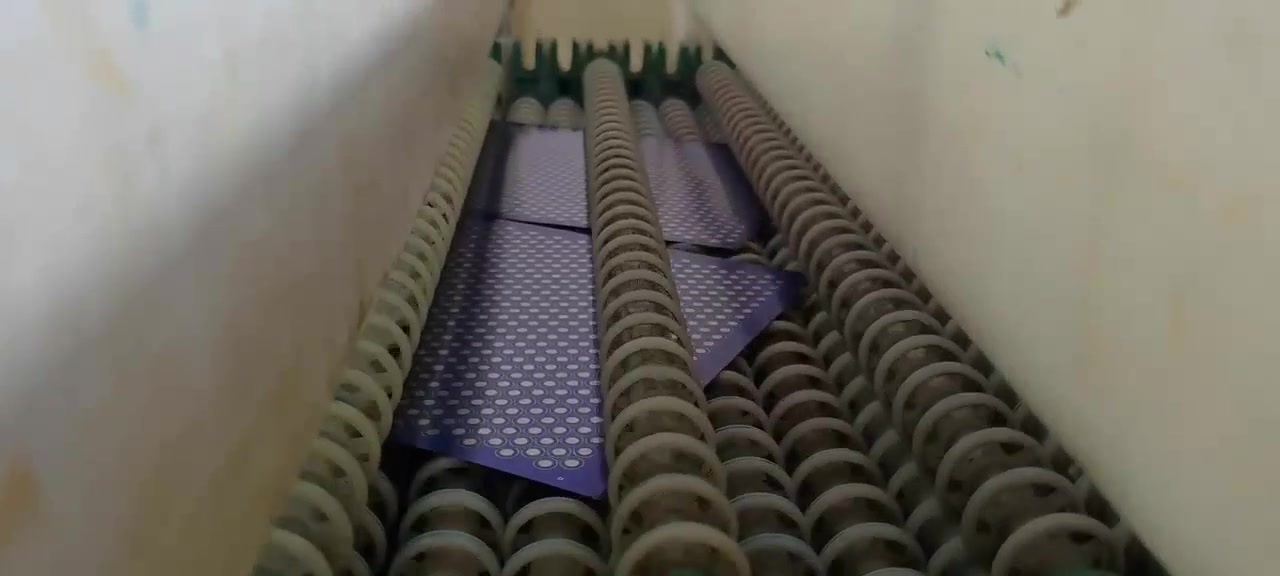
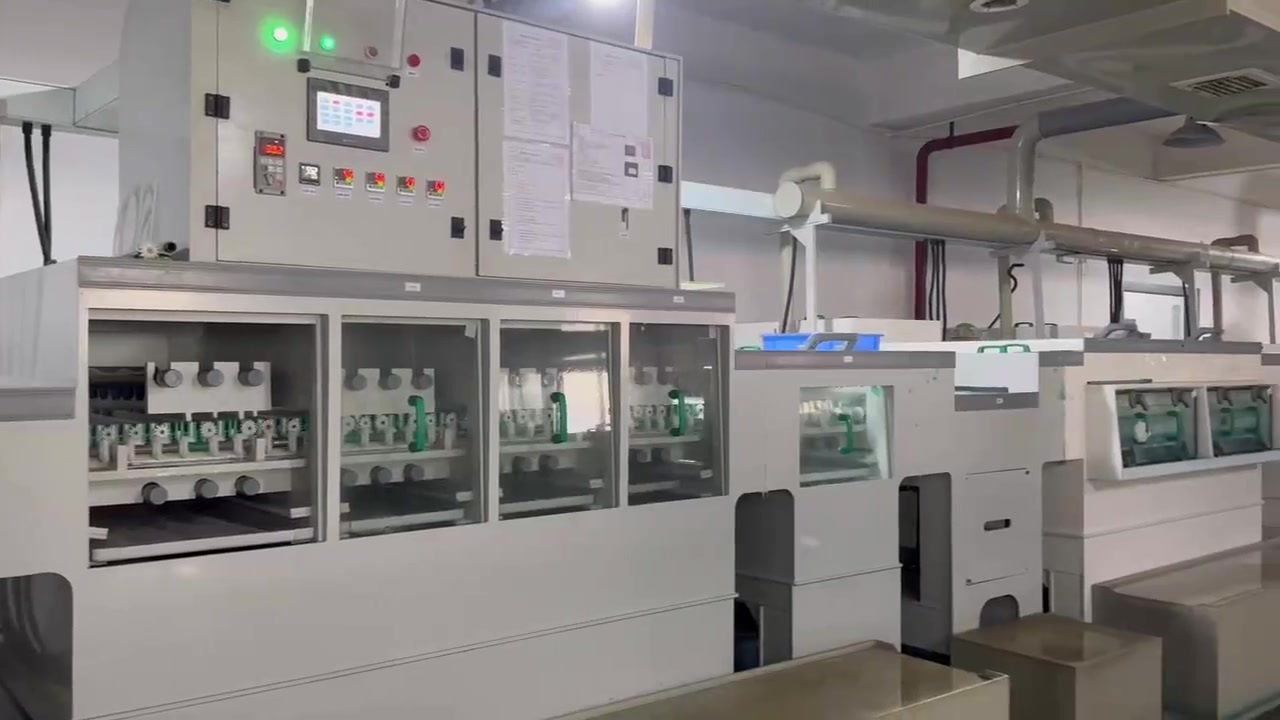
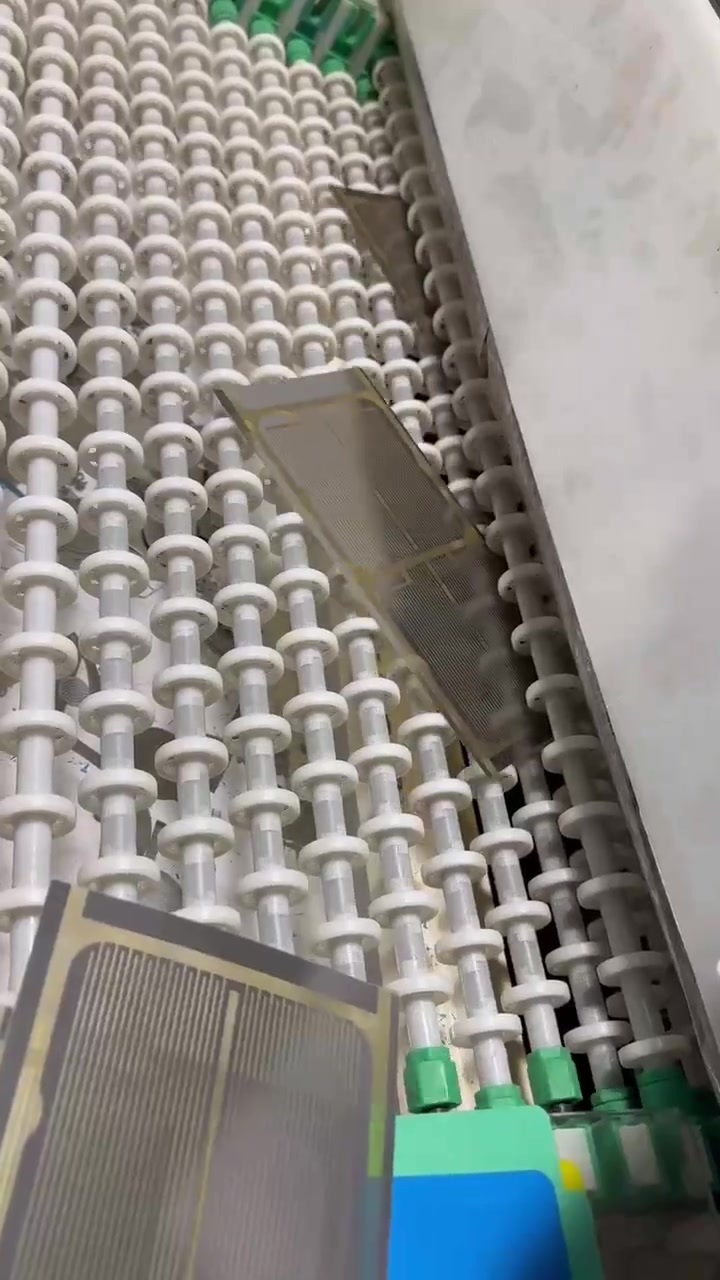
Our Advantage
Factory Direct Shipping
Our products undergo 100% QC checks before shipment, and we ensure compliance with international standards. If you require specific certifications for your target market, just let us know, and we'll meet those requirements.
Experienced Design and Manufacturing Team
We work closely with customers from the design phase to help avoid potential product flaws, ensuring both the functionality and design meet expectations.
Excellent Supply Chain Management
We can quickly adjust production schedules to meet your urgent deadlines, whether it's for large bulk orders or smaller rush orders.
OEM & ODM Support
We offer the option to print your logo or other customizations.
Strict Quality Control
Our products undergo 100% QC checks before shipment, and we ensure compliance with international standards. If you require specific certifications for your target market, just let us know, and we'll meet those requirements.
Certificate
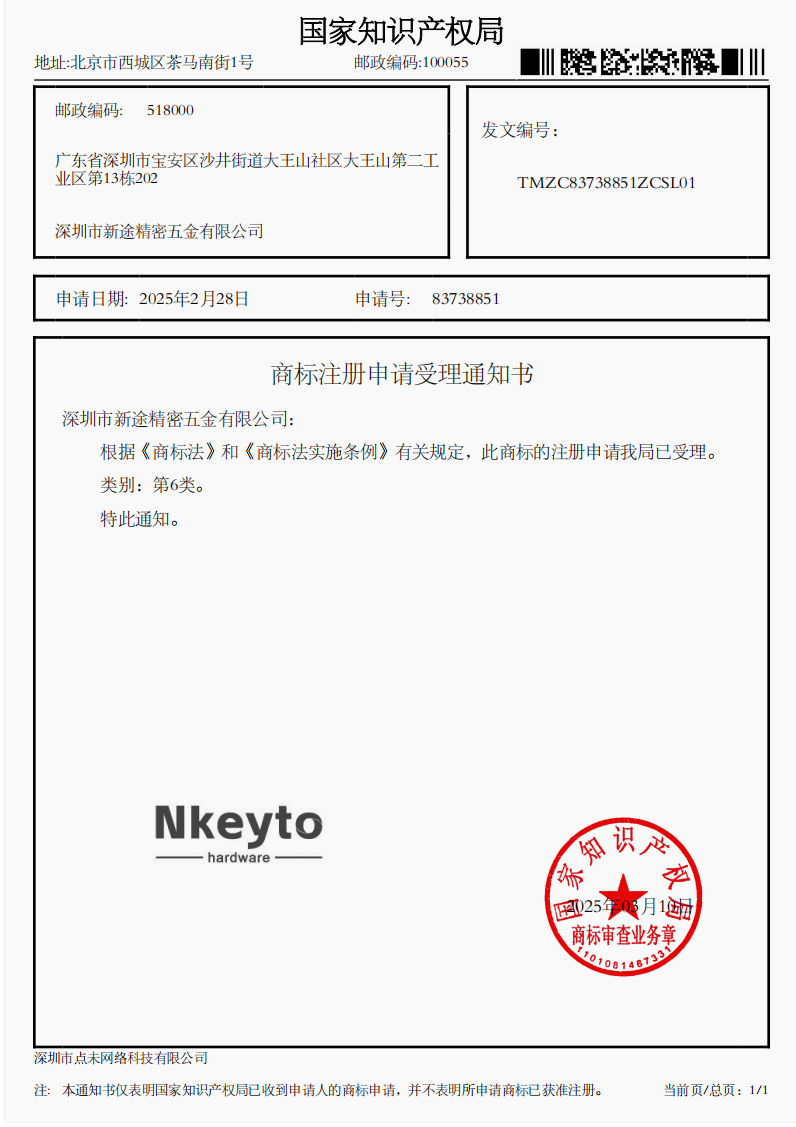
商标6类

9001
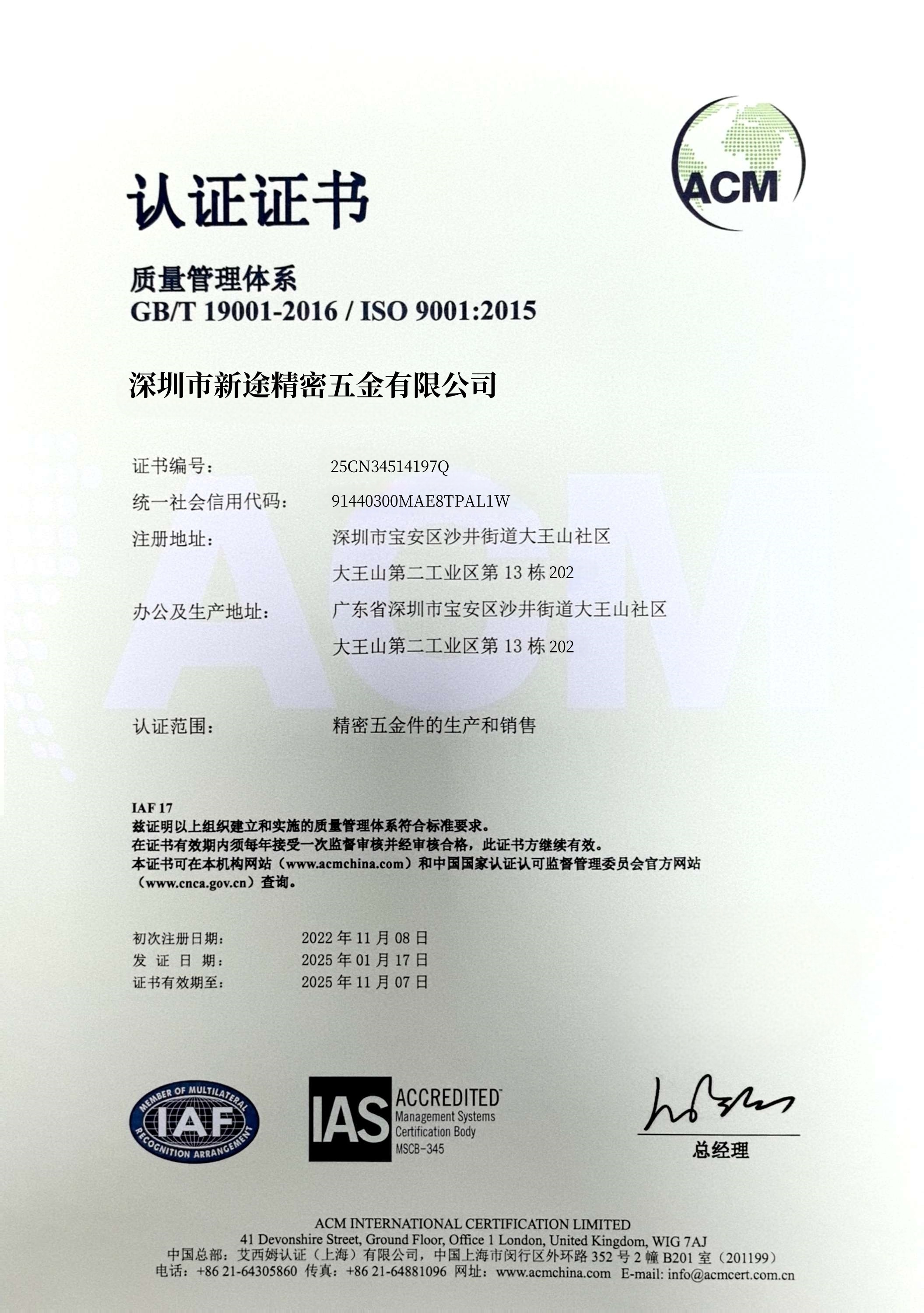
质量认证


Related Products

Shenzhen Nkeyto Precision Hardware Co., Ltd. is a factory specializing in precision hardware processing, committed to providing customers with high-quality products and services.We look forward to working with you.
Contact Us

E-mail: luna@nkeyto.com

Tel: +1 213-221-9094

Add: 13th Building, 202, Dawangshan Second Industrial Zone, Dawangshan Community, Shajing Street, Bao'an District, Shenzhen, Guangdong Province
Powered by: CEglobal
Copryright © 2025 Shenzhen Xintu Precision Hardware Co., Ltd.




Back To Top