



Custom Stainless Steel Stiffener Plate for Flexible PCB & Electronics
Category:
Key Words:
Product parameters
Parameter | Description |
Material | Stainless Steel (SUS304, SUS301, SUS430, etc.) |
Thickness | 0.05mm - 2.0mm (Customizable based on customer requirements) |
Dimensions | Custom sizes, maximum size: 500mm x 500mm; common sizes: 50mm x 50mm, 100mm x 100mm |
Processing Methods | - Chemical Etching - Laser Cutting - CNC Machining - Precision Stamping |
Surface Treatment | - No Oxidation - Electroplating - Passivation - Polishing |
Hole Precision | ±0.05mm (Higher precision available upon request) |
Edge Processing | - Deburring - Edge Grinding |
Tensile Strength | ≥ 500 MPa |
Applicable Industries | Mobile Phones, Consumer Electronics, Automotive Electronics, Medical Devices, Wearable Devices, Industrial Control |
Customization Service | Full customization according to customer drawings or designs |
Lead Time | - Small batch: 5-7 working days - Large batch: 15-30 working days (depending on complexity) |
Quality Control | - Strict quality inspection for each batch - Full inspection for dimensions, surface quality, and processing precision before shipment |
Packaging | Anti-static bags/plastic bags packaging, with carton box for outer protection to prevent damage during transportation |
Product Description
Chemical Etching vs. Stamping: Why Choose Etched Stainless Steel Stiffeners for FPC?
In the world of flexible printed circuit (FPC) manufacturing, the stiffener plate is a small but critical component. Its primary function is to provide localized rigidity to a flexible circuit, ensuring reliable connections at solder points and connector interfaces. However, as electronic devices become thinner and more complex, the demand for these components has shifted towards extreme precision, ultra-thin profiles, and absolute flatness.
For engineers and procurement specialists, selecting the right manufacturing process is paramount. While traditional stamping has long been a standard for mass production, chemical etching (also known as photochemical machining) has emerged as the superior choice for high-precision applications. But why is this shift happening?
This article explores the technical differences between these two processes and explains why etched stainless steel stiffeners are becoming the preferred solution for modern electronics.
The Challenge of Precision in FPC Reinforcement
A stiffener plate is not just a piece of metal; it is a precisely engineered interface. Whether it is reinforcing a gold finger area for a connector or supporting heavy components, the stiffener must align perfectly with the FPC. Any deviation in dimensions, or the presence of burrs, can lead to assembly failures or long-term reliability issues.
This is where the manufacturing method defines the quality of the final part.
Core Comparison: Chemical Etching vs. Stamping
To understand why etching is often the better choice for precision components, we must look at the fundamental differences in how the material is processed.
1. Stress and Flatness: The "No-Touch" Advantage
Stamping: This is a mechanical process. A hard tool (die) physically shears and deforms the metal. This applies significant mechanical force to the material, which can induce internal stress. For ultra-thin stainless steel (e.g., 0.1mm or thinner), this often results in warping, curling, or "oil-canning" effects, making the part difficult to mount onto the flat surface of an FPC.
Chemical Etching: This is a "cold" process. It uses corrosive chemicals to dissolve unprotected metal areas. Because there is no physical contact or mechanical force, the material’s internal structure remains unchanged.
- The Result: Etched stiffeners are perfectly flat and stress-free. This is crucial for automated assembly lines where component flatness ensures smooth feeding and placement.
2. Burrs and Edge Quality
Stamping: The shearing action of a punch and die inevitably leaves burrs—tiny, sharp ridges of excess material—on the edges of the cut. In the context of an FPC, these burrs can pierce the insulating coverlay or cause electrical shorts. Removing them often requires a secondary tumbling or polishing process, which adds cost and lead time.
Chemical Etching: The chemical dissolution process produces smooth, burr-free edges naturally.
- The Result: The parts are ready for use immediately after cleaning. There are no sharp edges to damage the flexible circuit, ensuring a clean, safe interface for sensitive electronic connections.
3. Complexity and Precision
Stamping: Creating complex geometries with stamping requires intricate, multi-stage dies. This is expensive and time-consuming to produce. Furthermore, stamping has physical limits; very small holes or narrow slots can cause the punch to break.
Chemical Etching: The "tool" for etching is a digital phototool (a high-resolution film). This allows for incredible design flexibility.
- The Result: We can easily produce complex patterns, dense arrays of holes, and fine features without increasing costs. Our factory is capable of achieving minimum aperture sizes of 0.1mm with high consistency, a feat that is difficult and costly to achieve with stamping.
Technical Comparison: Etching vs. Stamping
Feature | Chemical Etching | Traditional Stamping |
|---|---|---|
Mechanical Stress | None (Zero stress) | High (Risk of warping) |
Edge Quality | Smooth, burr-free | Burrs present (Requires deburring) |
Lead Time | Fast (Digital tooling) | Slow (Hard tooling required) |
Design Changes | Instant & Low Cost | Expensive & Slow |
Best For | Complex, thin, high-precision parts | Simple, thick, high-volume parts |
Our Manufacturing Capabilities
At our facility in Shenzhen, we specialize in the chemical etching process to produce high-quality metal components. With over a decade of experience, we have optimized our production lines to deliver parts that meet the rigorous demands of the electronics industry.
When you choose our etched stainless steel stiffeners, you benefit from:
- High Precision: We maintain tight tolerances (typically ±0.01mm to ±0.025mm), ensuring every stiffener fits your FPC perfectly.
- Material Versatility: While we specialize in stainless steel (SUS301, SUS304), our etching process is compatible with a wide range of metals, including copper, aluminum, and specialized alloys.
- Rapid Prototyping: Unlike stamping, which requires weeks to manufacture hard dies, our digital tooling allows us to move from design to sample in a matter of days. This is ideal for R&D phases and small-to-medium batch production.
Conclusion
While stamping remains a viable option for simple, high-volume parts where extreme precision is not critical, chemical etching offers a distinct advantage for the modern electronics industry. It provides the precision, flatness, and burr-free quality required for today's miniaturized FPC applications.
By choosing etched stiffeners, you are not just buying a piece of metal; you are investing in the reliability and performance of your final electronic assembly.
Ready to Optimize Your FPC Design?
If you are looking for burr-free, high-precision stiffeners for your next project, our team is ready to assist. We specialize in transforming complex designs into reality with rapid turnaround times. Send us your Gerber or DXF files today for an instant DFM analysis and quote. You can reach out to us directly via email or contact Luna on WhatsApp at 12132219094 for immediate support. Let us help you achieve the perfect fit for your flexible circuits.
Questions and Answers
Frequently Asked Questions (FAQ)
Q: What is the minimum thickness you can etch?
A: Our chemical etching process is highly effective for ultra-thin materials. We can process stainless steel as thin as 0.03mm, making it perfect for applications where space and weight are critical constraints.
Q: Can you add adhesive (PSA) to the stiffeners?
A: Yes. We offer value-added services including the application of pressure-sensitive adhesives (such as 3M or Tesa tapes). We can apply the adhesive and manage the release liners to ensure the parts are ready for your automated assembly line.
Q: Is chemical etching suitable for large volume orders?
A: Absolutely. While it is famous for rapid prototyping, our production lines are capable of handling high-volume orders with consistent quality. Since we do not use hard dies, there is no tool wear, meaning the first part and the 10,000th part are identical.
Q: How does the cost compare to stamping?
A: For small to medium batches, etching is significantly more cost-effective because there are no expensive mold costs (NRE). Even for larger batches, if the part requires complex features or tight tolerances, etching often remains competitive due to lower secondary processing costs.
Q: What file formats do you need for a quote?
A: We typically require Gerber files, DXF, or DWG files to analyze your design and provide an accurate quotation. Our engineering team can also provide Design for Manufacturability (DFM) feedback to optimize your stiffener design.
Factory Description
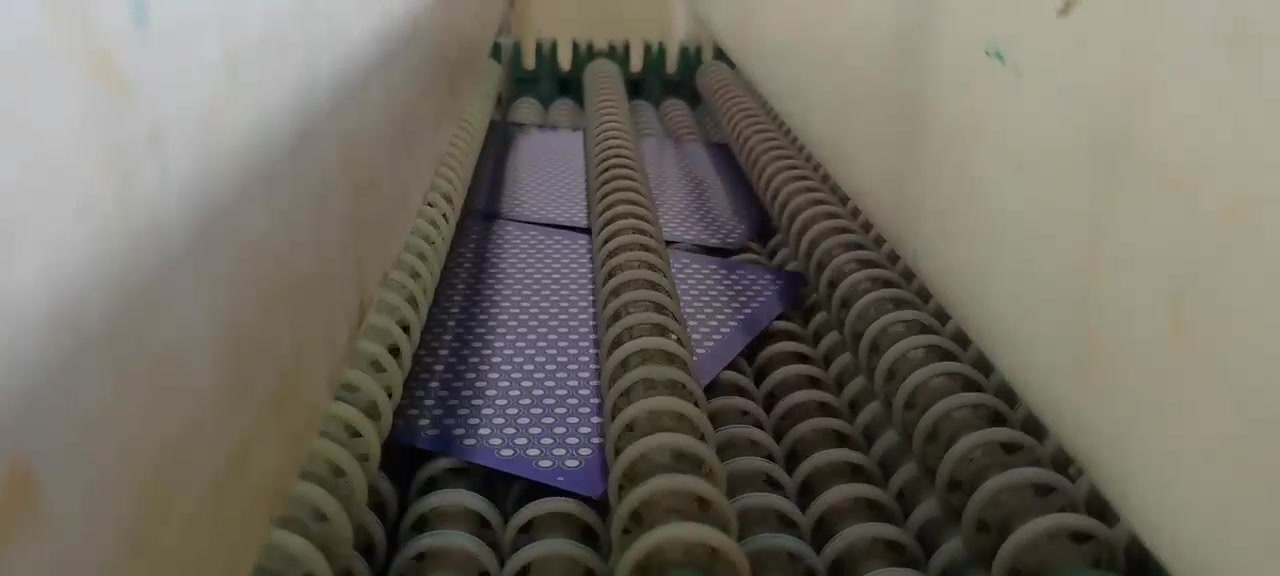
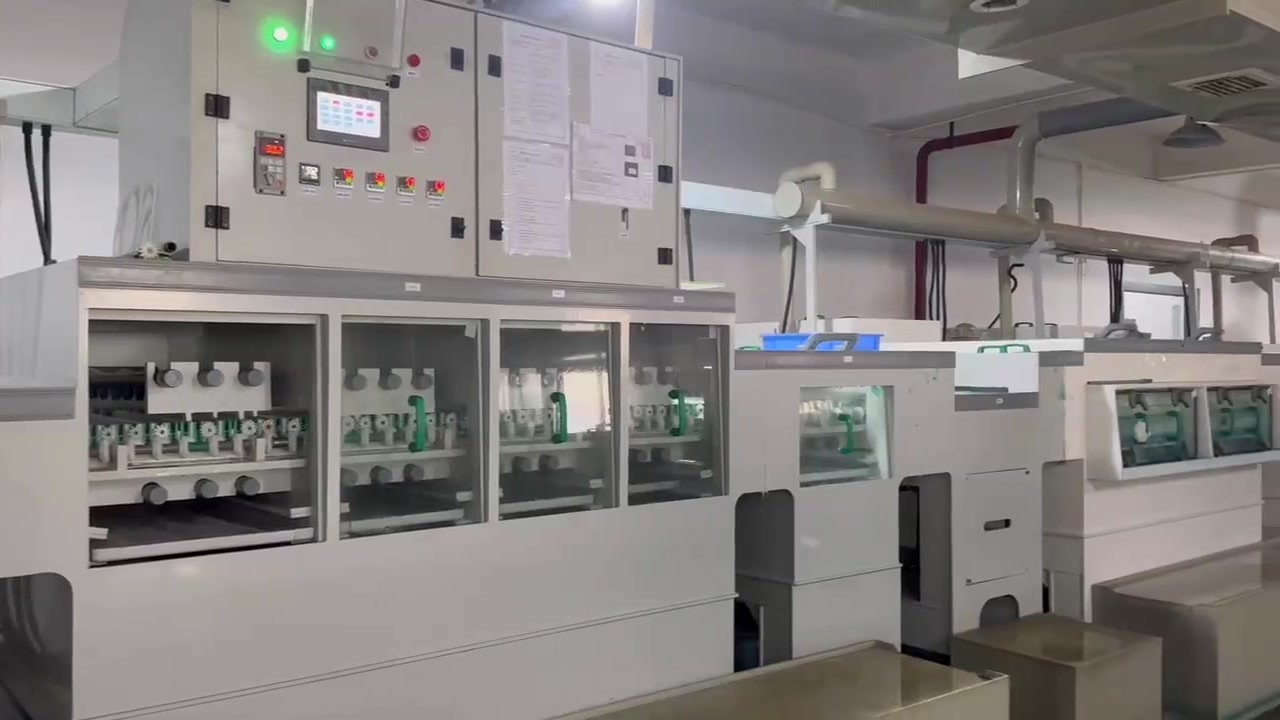
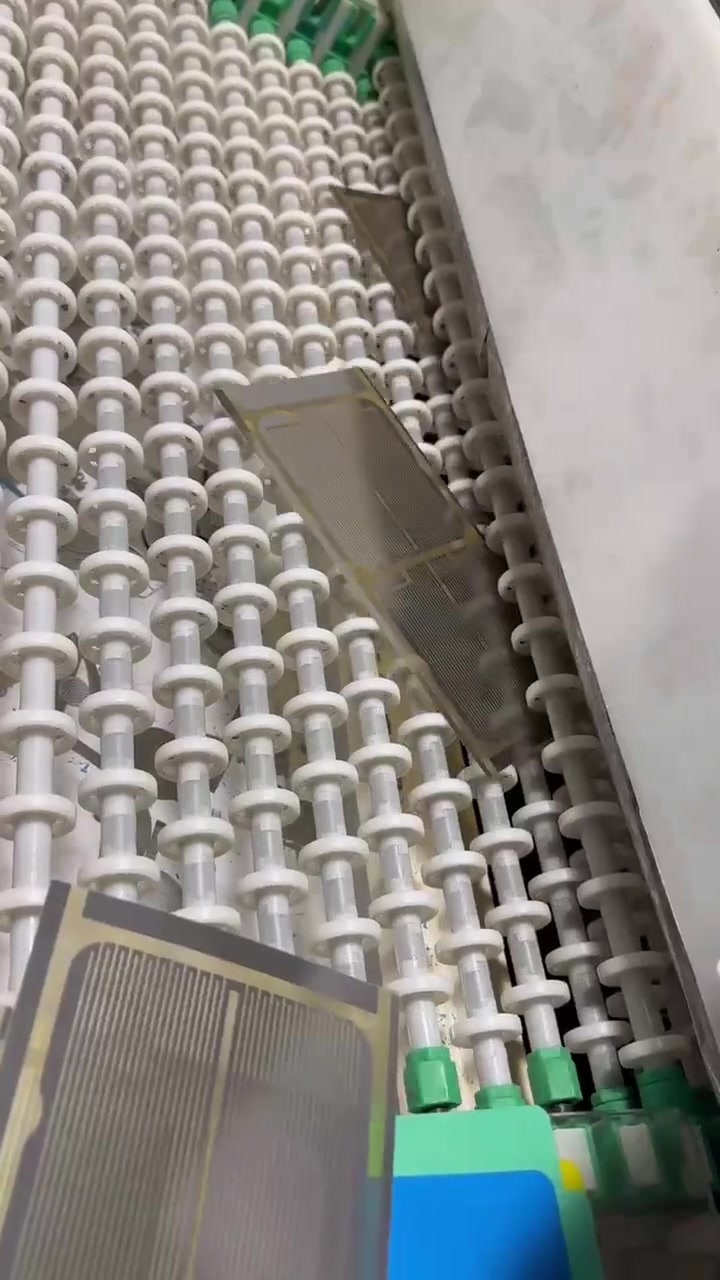
We have a full set of etching production equipment and mature processing technology. We can manufacture products in any shape with mesh sizes as small as 0.1mm, according to your requirements.

Our Advantage
Factory Direct Shipping
Our products undergo 100% QC checks before shipment, and we ensure compliance with international standards. If you require specific certifications for your target market, just let us know, and we'll meet those requirements.
Experienced Design and Manufacturing Team
We work closely with customers from the design phase to help avoid potential product flaws, ensuring both the functionality and design meet expectations.
Excellent Supply Chain Management
We can quickly adjust production schedules to meet your urgent deadlines, whether it's for large bulk orders or smaller rush orders.
OEM & ODM Support
We offer the option to print your logo or other customizations.
Strict Quality Control
Our products undergo 100% QC checks before shipment, and we ensure compliance with international standards. If you require specific certifications for your target market, just let us know, and we'll meet those requirements.
Certificate
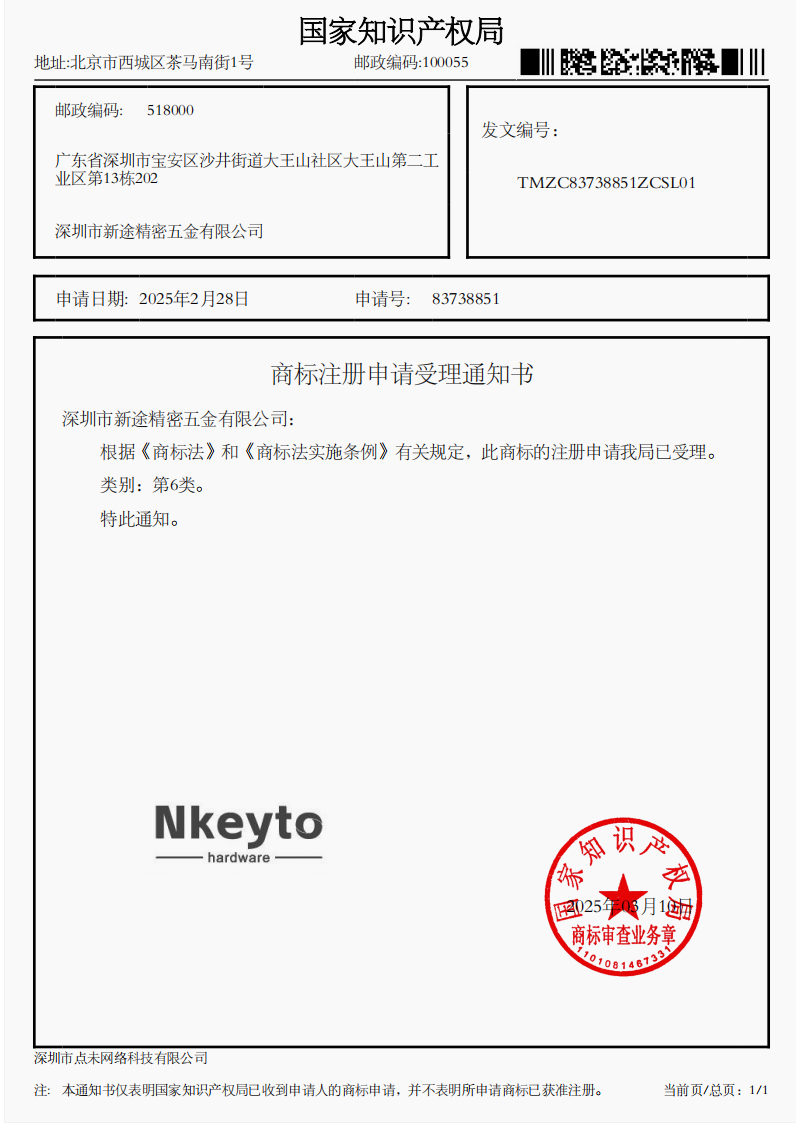
商标6类

9001
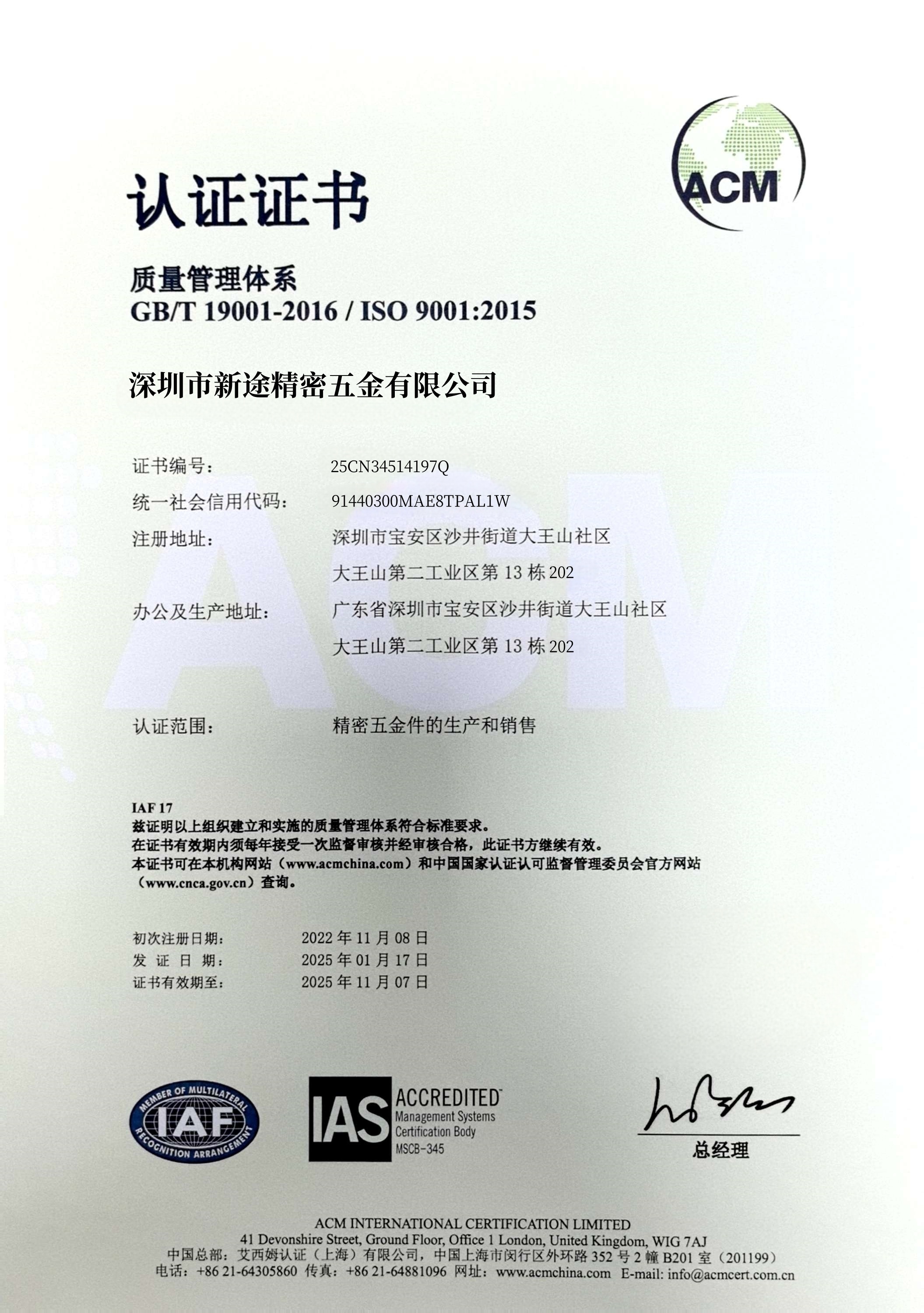
质量认证


Related Products

Shenzhen Nkeyto Precision Hardware Co., Ltd. is a factory specializing in precision hardware processing, committed to providing customers with high-quality products and services.We look forward to working with you.
Contact Us

E-mail: luna@nkeyto.com

Tel: +1 213-221-9094

Add: 13th Building, 202, Dawangshan Second Industrial Zone, Dawangshan Community, Shajing Street, Bao'an District, Shenzhen, Guangdong Province
Powered by: CEglobal
Copryright © 2025 Shenzhen Xintu Precision Hardware Co., Ltd.




Back To Top