



Electronic Connector Contact Plate
Category:
Key Words:
Product parameters
Parameter | Description |
Material | Stainless Steel (SUS301 / SUS304 / SUS316), Beryllium Copper (optional), Phosphor Bronze (optional) |
Manufacturing Process | Chemical Etching (Primary), Forming / Bending (Optional), Laser Cutting (Auxiliary) |
Shape | Flat / Spring type / Cantilever / Multi-contact / Custom profiles |
Size Range | Customizable (Typical: ≤ 300 × 300 mm) |
Thickness | 0.01 mm – 0.5 mm (Etching optimal: 0.02–0.3 mm) |
Hole Diameter (if applicable) | ≥ 0.05 mm |
Minimum Line Width | ≥ 0.03 mm |
Tolerance | ±0.005 mm ~ ±0.02 mm |
Etching Accuracy | ±10% of material thickness |
Elastic Property | Available in half-hard / full-hard materials (SUS301 / copper alloys) |
Contact Force | Customizable based on design and material |
Edge Quality | Burr-free, smooth edge, no deformation |
Flatness | ≤ 0.03 mm |
Surface Finish | Nickel Plating / Gold Plating / Tin Plating / Passivation (optional) |
Conductivity | High conductivity (especially copper alloys) |
Customization (OEM/ODM) | Supported (based on drawings or samples) |
Drawing Formats Accepted | CAD / DWG / DXF / STEP / PDF |
Quality Control | Dimensional inspection, spring force testing (optional), plating thickness inspection |
Product Description
Product Description:
Electronic connector contact plate is used for conductive connection, signal transfer, and electrical interface in electronic systems. This contact plate can be customized in shape, thickness, and material to meet different connector and circuit requirements. With advanced etching and machining processes, it ensures stable conductivity, accurate dimensions, and high reliability in demanding environments.
Key Features:
Electronic connectors
Consumer electronics
Communication equipment
Control modules
Electrical contact systems
Surface Finishes for Metal Contacts: Plating Options to Boost Conductivity and Durability
In the design of precision electronic components, engineers often focus heavily on the base material—selecting Stainless Steel or Beryllium Copper for their spring properties and strength. However, in the world of electrical connectivity, the surface is just as important as the core. The thin layer of metal on the outside of your component dictates its conductivity, corrosion resistance, and solderability.
At our factory, we understand that a Surface treatment for electrical contacts is not just an aesthetic choice; it is a functional necessity. Whether you are designing for high-frequency signals or harsh industrial environments, selecting the right plating is critical. We specialize in applying precision finishes to complex, etched geometries, ensuring that every Gold plated contact part performs reliably from the first connection to the thousandth.
The Critical Role of Plating in Connectivity
The base metal of a contact part (such as a spring or terminal) is chosen for its mechanical properties—specifically its elasticity. However, base metals like stainless steel or copper alloys are often prone to oxidation or have surface resistance that is too high for sensitive electronics.
A plating layer serves three primary functions:
- Conductivity: Reducing contact resistance for better signal transmission.
- Protection: Shielding the base metal from environmental factors like humidity and sulfur.
- Durability: Increasing hardness to withstand physical mating cycles (insertion and removal).
Choosing the Right Finish: Gold, Nickel, and Silver
Different applications require different surface chemistries. We work with a variety of plating materials to match the specific needs of your project.
Gold (Au): The Standard for Reliability
Gold is the most widely used finish for high-reliability connectors. It is a noble metal, meaning it does not oxidize or corrode in air.
- Best For: Low-voltage signals, high-reliability connectors, and applications requiring long shelf life.
- Why Choose It: A Gold plated contact part ensures a low and stable contact resistance. It is soft and ductile, making it ideal for applications with low contact force.
Nickel (Ni): The Hard Barrier
Nickel is rarely used as a final contact surface in low-voltage applications because it forms an oxide layer. However, it is incredibly hard and durable.
- Best For: Under-plating (barrier layers) or high-wear environments.
- Why Choose It: Nickel plating metal parts creates a diffusion barrier. It prevents the base metal (like copper) from migrating into the gold layer over time. It also adds significant hardness, protecting the contact during repeated mating cycles.
Silver (Ag): The Conductivity King
Silver has the highest electrical and thermal conductivity of all metals.
- Best For: High current applications, power switches, and RF shielding.
- Why Choose It: It is cost-effective compared to gold and excellent for heat dissipation. However, it can tarnish (sulfide) over time, so it is best used in sealed environments or where wiping action cleans the surface upon connection.
The NKEYTO Advantage: Plating Complex Geometries
Applying a finish to a flat washer is simple. Applying a uniform finish to a complex, etched Electronic Connector Contact Plate with deep recesses, blind holes, or intricate mesh structures is a challenge.
Traditional plating methods often suffer from "throwing power" issues, where the current concentrates on the edges, leaving the inner crevices uncoated. At our facility, we utilize advanced plating techniques specifically optimized for chemically etched parts.
Uniformity in Complexity
Because chemical etching allows us to create parts with complex 3D structures (using half-etching or step etching), we ensure the plating process is equally precise. We control the bath chemistry and current density to ensure that even the smallest micro-holes or tight slots receive a consistent layer of gold or nickel.
Seamless Integration
We offer a streamlined workflow where etching and plating are coordinated. This reduces the risk of surface contamination between processes. When you order Electronic Connector Contact Plates from us, you are getting a component where the surface finish is perfectly bonded to the substrate, ensuring maximum durability.
Conclusion
The longevity of your electronic assembly depends on the interface. By choosing the correct surface treatment, you can balance the trade-offs between cost, conductivity, and wear resistance. Whether you need the corrosion resistance of gold or the hardness of nickel, our factory is equipped to deliver precision-plated parts that meet the rigorous standards of modern electronics.
Elevate Your Component Performance
Don't let surface oxidation compromise your design. If you need high-quality Gold plated contact parts or advice on the best Surface treatment for electrical contacts for your application, our team is here to help. Contact Luna on WhatsApp at 12132219094 for a consultation and quote.
Questions and Answers
Frequently Asked Questions (FAQ)
Q: Why do you recommend nickel plating under gold?
A: Nickel plating metal acts as a barrier. Without it, copper from the base alloy can diffuse through the gold layer over time, causing the surface to tarnish. Nickel also provides a hard foundation that supports the soft gold layer during mating.
Q: Can you plate parts with very small holes or slots?
A: Yes. This is a key advantage of our process. We can effectively plate complex Electronic Connector Contact Plates with fine features, ensuring the coating is uniform even in hard-to-reach areas where standard plating might fail.
Q: How thick is the typical gold plating?
A: The thickness depends on the application. For standard connectors, it typically ranges from 0.05µm to 1.27µm (flash to hard gold). We can customize the thickness based on your durability and conductivity requirements.
Q: Does plating affect the dimensions of the part?
A: Plating does add a small amount of thickness. For high-precision parts, we account for this growth during the etching design phase to ensure the final plated dimensions meet your specifications.
Factory Description
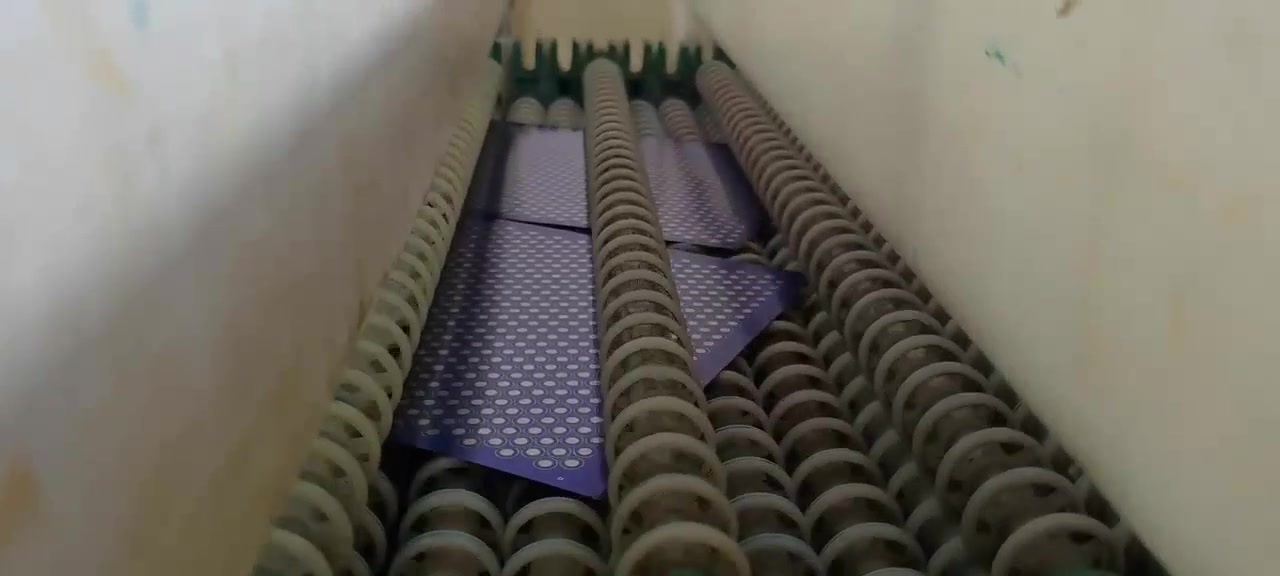
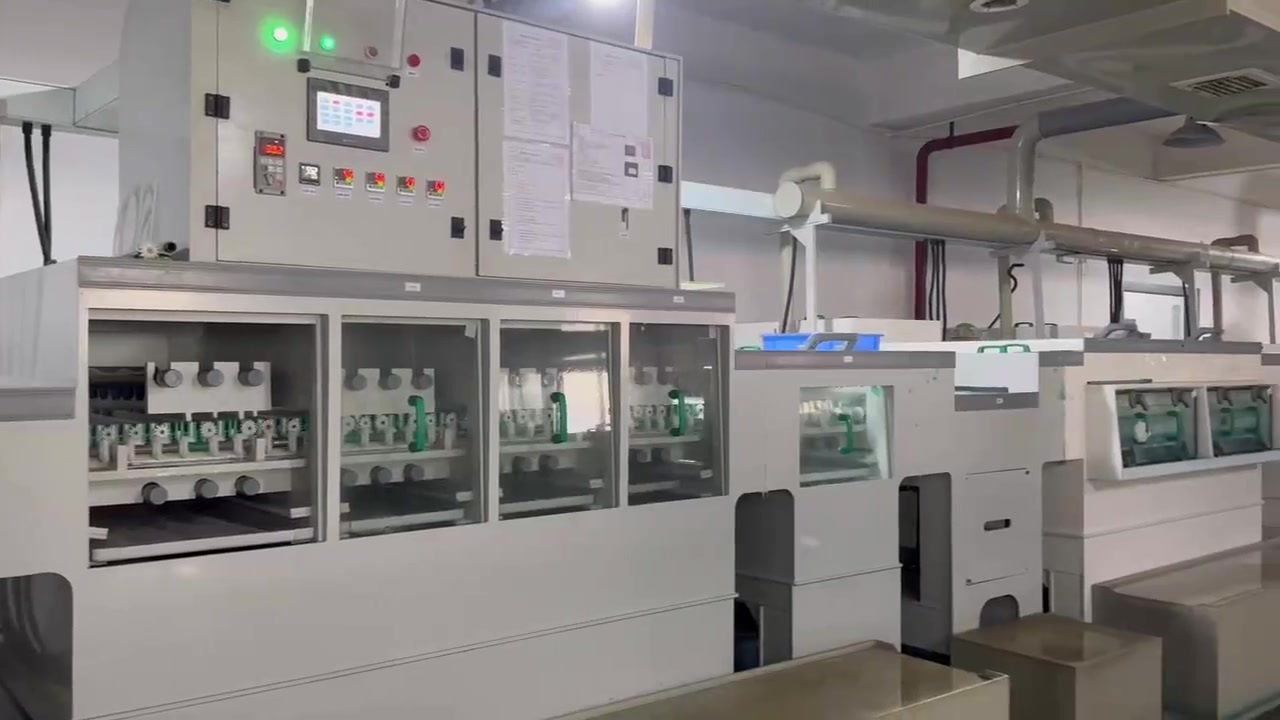
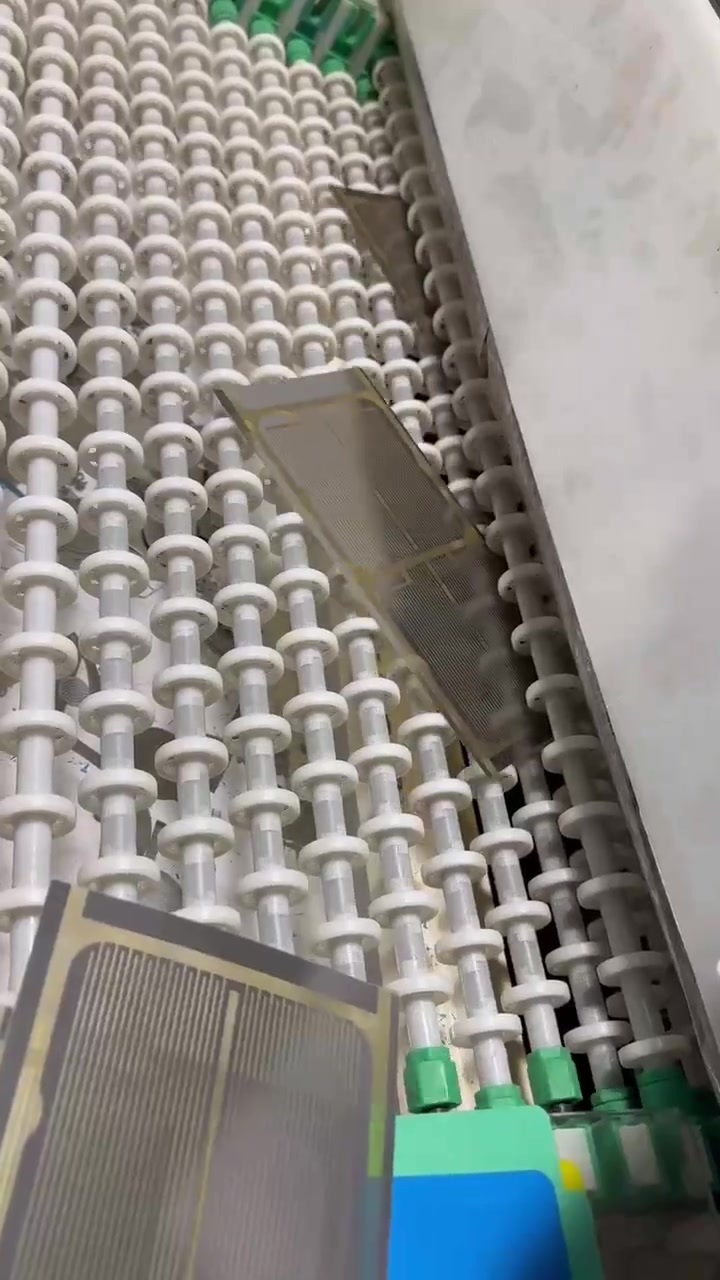
We have a full set of etching production equipment and mature processing technology. We can manufacture products in any shape with mesh sizes as small as 0.1mm, according to your requirements.

Our Advantage
Factory Direct Shipping
Our products undergo 100% QC checks before shipment, and we ensure compliance with international standards. If you require specific certifications for your target market, just let us know, and we'll meet those requirements.
Experienced Design and Manufacturing Team
We work closely with customers from the design phase to help avoid potential product flaws, ensuring both the functionality and design meet expectations.
Excellent Supply Chain Management
We can quickly adjust production schedules to meet your urgent deadlines, whether it's for large bulk orders or smaller rush orders.
OEM & ODM Support
We offer the option to print your logo or other customizations.
Strict Quality Control
Our products undergo 100% QC checks before shipment, and we ensure compliance with international standards. If you require specific certifications for your target market, just let us know, and we'll meet those requirements.
Certificate
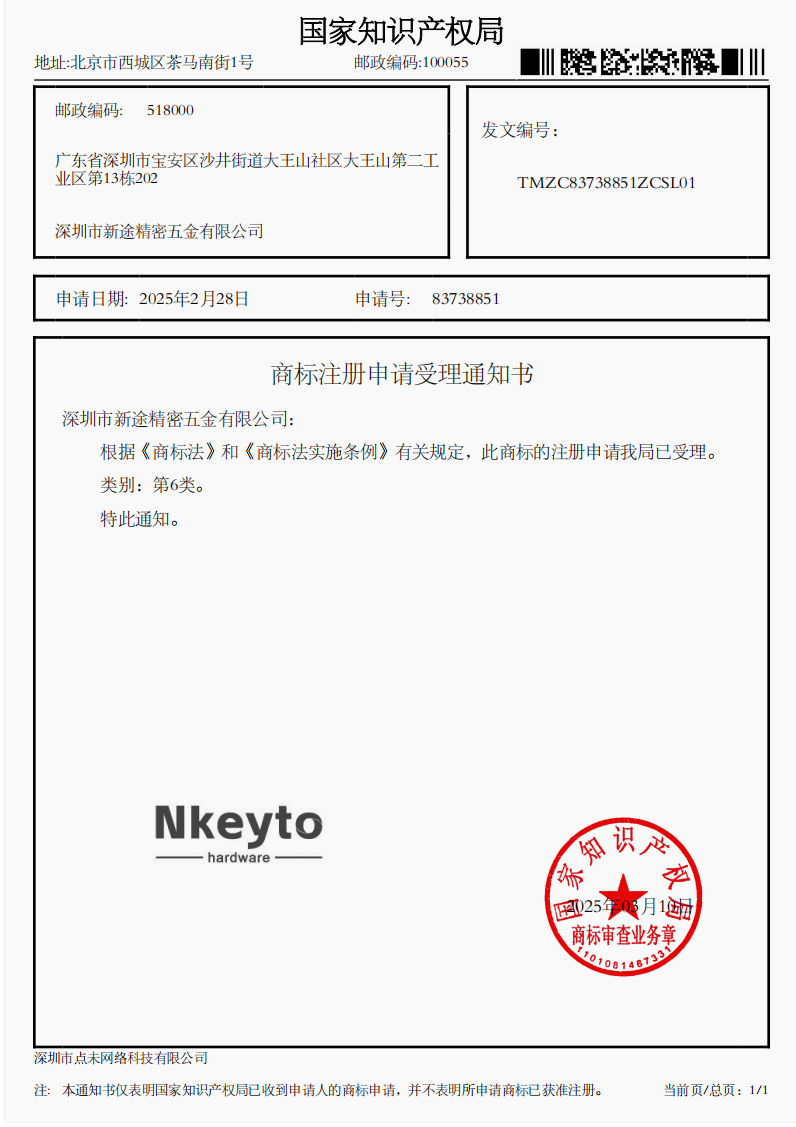
商标6类

9001
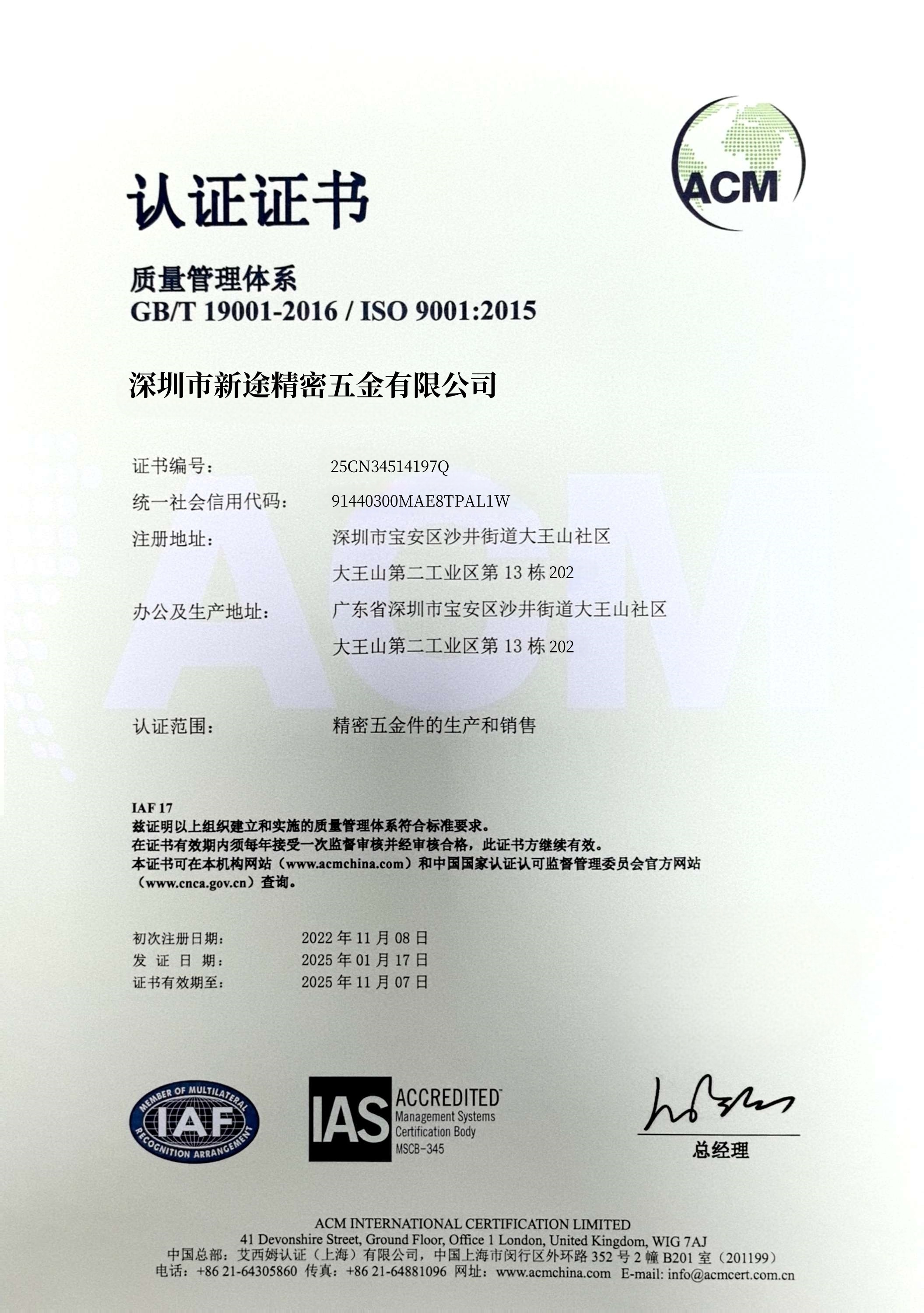
质量认证


Related Products

Shenzhen Nkeyto Precision Hardware Co., Ltd. is a factory specializing in precision hardware processing, committed to providing customers with high-quality products and services.We look forward to working with you.
Contact Us

E-mail: luna@nkeyto.com

Tel: +1 213-221-9094

Add: 13th Building, 202, Dawangshan Second Industrial Zone, Dawangshan Community, Shajing Street, Bao'an District, Shenzhen, Guangdong Province
Powered by: CEglobal
Copryright © 2025 Shenzhen Xintu Precision Hardware Co., Ltd.




Back To Top