



Electronic EMI Shielding Cover Stainless Steel RF Shield Can
Category:
Key Words:
Product parameters
Parameter | Specification |
Product Name | EMI Shielding Can / RF Shielding Cover / PCB Shielding Can |
Material | Stainless Steel (SUS304 / SUS301), Nickel Silver, Copper |
Thickness | 0.05 mm – 0.30 mm |
Manufacturing Process | Chemical Etching + Stamping + Bending |
Surface Treatment | Tin Plating / Nickel Plating / Gold Plating / Natural Finish |
Shielding Effectiveness | 30 dB – 90 dB (depending on design & frequency) |
Frequency Range | MHz – GHz |
Dimensional Tolerance | ±0.01 – ±0.03 mm |
Flatness | ≤ 0.05 mm |
Hole Size | ≥ 0.03 mm (etching dependent) |
Structure Type | One-piece / Two-piece (Frame + Cover) / Clip Type |
Mounting Method | SMT Soldering / Through-hole / Clip-on |
Edge Condition | Burr-free (etching process) |
Operating Temperature | -40°C to 300°C (depending on material) |
Corrosion Resistance | High (optional plating for enhanced protection) |
Application Level | PCB Level / Module Level Shielding |
Customization | Size / Thickness / Hole Pattern / Structure / Surface Treatment |
Standards | RoHS / REACH compliant |
Product Description
Product Introduction:
This electronic EMI shielding cover is a precision stainless steel cover designed for high-frequency electronic systems. The RF shielding cover effectively reduces electromagnetic interference and enhances signal stability. This electronic shielding cover is ideal for protecting sensitive components in compact and complex circuit environments.
Applications:
Consumer electronics, wearable devices, communication modules, medical electronics, high-frequency PCB systems
Streamlining Electronics: The Power of Integrating Metal Mesh with EMI Shielding
In the assembly of modern electronic devices, every component counts. Engineers are constantly looking for ways to reduce the Bill of Materials (BOM), minimize assembly time, and improve overall reliability. One of the most effective ways to achieve this is by integrating the EMI Shielding Enclosure with the ventilation or filtration layer.
Traditionally, a shield might be a separate component that is soldered or clipped over a PCB, with a separate Metal Mesh or filter placed elsewhere for airflow. However, by utilizing advanced chemical etching, we can combine these functions into a single, cohesive unit.
This article explores the advantages of an Integrated Design approach, where the shielding can and the metal mesh are manufactured as one seamless component.
The Challenge of Multi-Part Assembly
In a standard setup, an engineer might specify a solid Stainless Steel RF Shield Can to block interference, and then separately source a perforated metal sheet or mesh to allow air to flow into the enclosure.
This approach has several drawbacks:
- Assembly Time: Workers or machines must place and secure multiple parts.
- Alignment Issues: Ensuring the mesh aligns perfectly with the ventilation holes of the shield can be difficult during high-speed assembly.
- Potential for Leakage: Every seam or joint between the shield and a separate filter is a potential weak point for EMI leakage if not grounded perfectly.
The Solution: Etched Mesh as Part of the Shield
Chemical etching allows us to create "semi-solid" structures. We can manufacture a Electronic EMI Shielding Cover where the walls are solid metal (for maximum shielding), but the top or specific ventilation zones are transitioned directly into a fine Metal Mesh.
Because etching does not use mechanical force, we can create these fine mesh patterns without warping the surrounding solid walls. The transition from the solid frame to the mesh area is seamless and burr-free.
Key Benefits of this Integration:
- Structural Integrity: The mesh is not a separate, flimsy piece glued on top; it is part of the metal sheet itself, providing better rigidity.
- Perfect Alignment: Since the mesh pattern is etched based on your digital CAD file, the ventilation holes are always exactly where they need to be relative to the shield's boundaries.
- Grounding: An integrated design ensures that the "filter" is electrically continuous with the shield, maintaining the Faraday cage effect without extra grounding steps.
Design Considerations: Mesh vs. Perforation
When designing your Integrated Design shield, you have choices regarding the ventilation pattern.
表格
Feature | Perforated Sheet (Round Holes) | Etched Metal Mesh |
|---|---|---|
Open Area | Moderate (typically 40-60%) | High (can exceed 70%) |
Filtration | Good for airflow, poor for dust | Excellent for dust/particle filtration |
Shielding | Good | Excellent (multiple contact points) |
Best For | High airflow, low dust environments | Dusty environments, fine filtration needs |
Our factory can produce both. However, for applications requiring fine dust filtration alongside EMI protection, the Etched Metal Mesh integration is superior. We can achieve extremely fine wire widths and small apertures that act as a waveguide-below-cutoff for high-frequency signals, effectively blocking noise while letting air (and only air) through.
Application in Consumer Electronics
Consider a smart home hub or a wireless router. These devices need to breathe to keep the processor cool, but they also emit significant RF noise.
By using an Electronic EMI Shielding Cover with an integrated mesh top, the manufacturer eliminates the need for a separate plastic dust filter or a secondary metal grille. The shield acts as the structural cover, the EMI barrier, and the dust filter all at once. This reduces the BOM cost and simplifies the enclosure design significantly.
Conclusion
Integration is the future of precision metal fabrication. By combining the functions of a shield and a filter, we help our customers build lighter, simpler, and more reliable devices. Our chemical etching capabilities make this Integrated Design not just possible, but cost-effective for both prototypes and mass production.
Ready to Simplify Your Assembly?
If you are looking to consolidate parts and improve your device's thermal and EMC performance, let us help you design an integrated solution.
Contact us
to discuss your Electronic EMI Shielding Cover requirements.
- Contact Person: Luna
- WhatsApp: 12132219094
Questions and Answers
Frequently Asked Questions (FAQ)
Q1: Can the mesh be placed on the side walls of the shield, or just the top?
Yes, our etching process allows for mesh patterns on any flat surface of the component. Whether you need ventilation on the top, sides, or even on specific flanges of the EMI Shielding Enclosure, we can etch the pattern accordingly before forming the part.
Q2: How fine can the mesh be?
We can produce Metal Mesh structures with apertures as small as 0.1mm. This allows for very fine filtration, capable of blocking small dust particles while still maintaining high airflow.
Q3: Does integrating the mesh weaken the shield?
Not necessarily. While the mesh area has less metal, the structural rigidity is often maintained by the solid borders and the forming process (adding bends or ribs). Furthermore, the etching process ensures there are no stress points that could lead to tearing or deformation.
Q4: Is this more expensive than a standard shield?
While the unit cost might be slightly higher than a simple stamped can, the total system cost is often lower. You save money by eliminating a separate part (the filter), reducing inventory, and cutting down on assembly time.
Factory Description
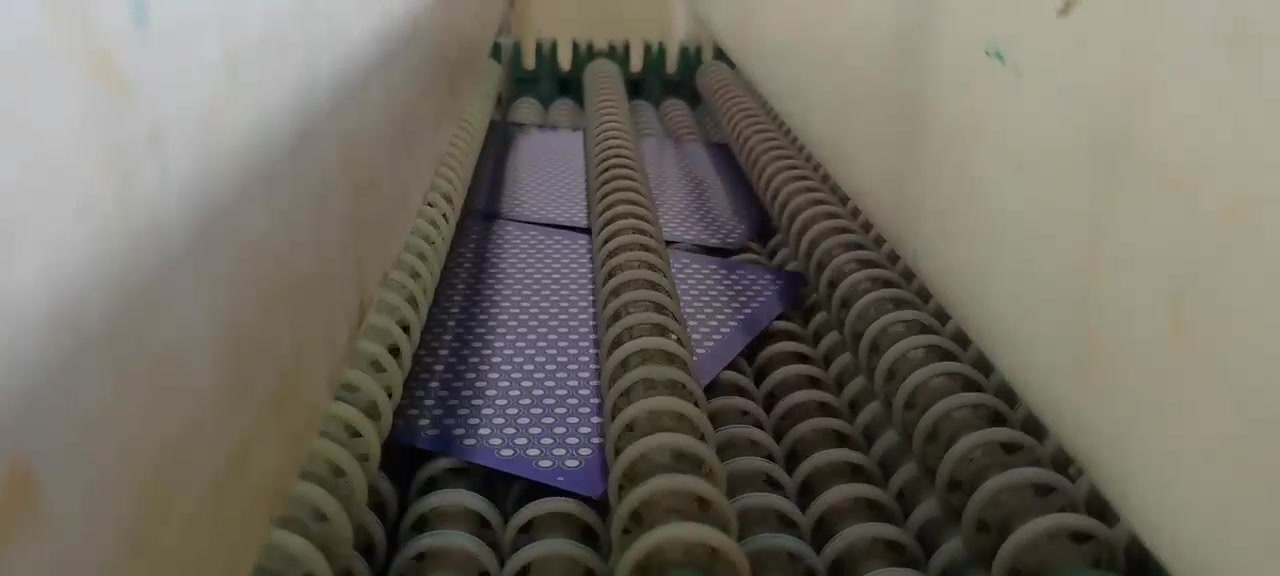
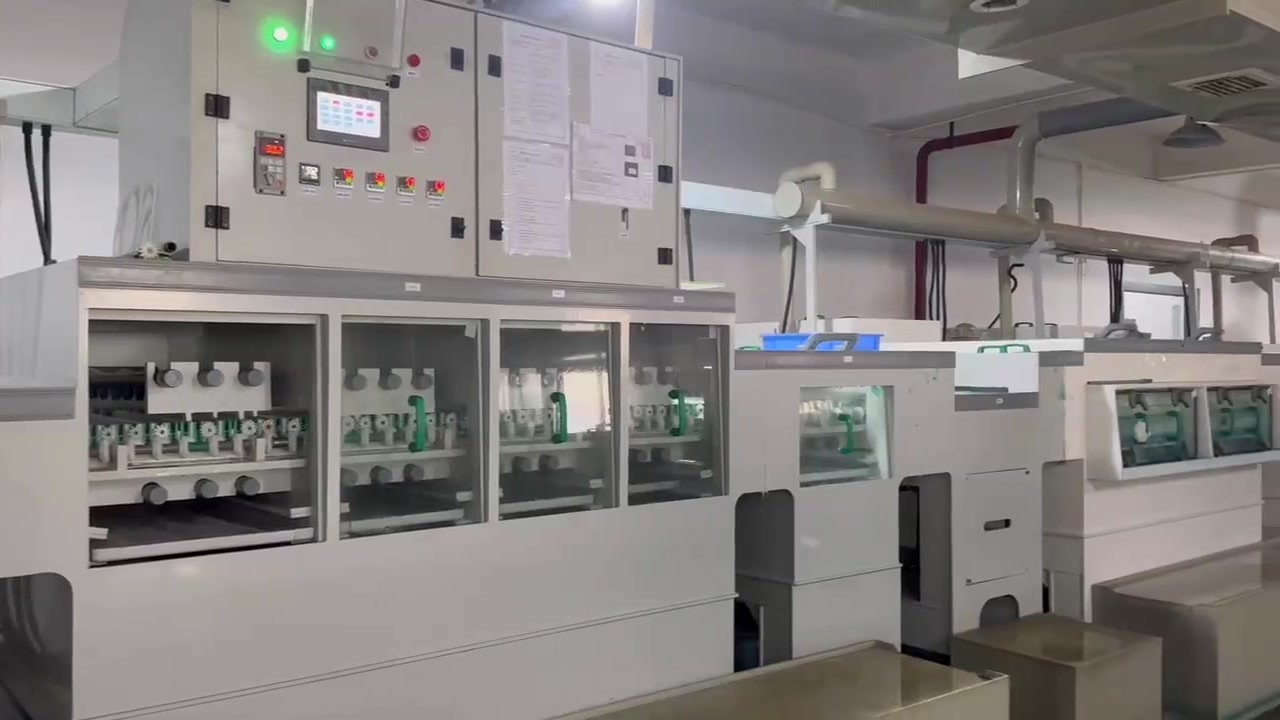
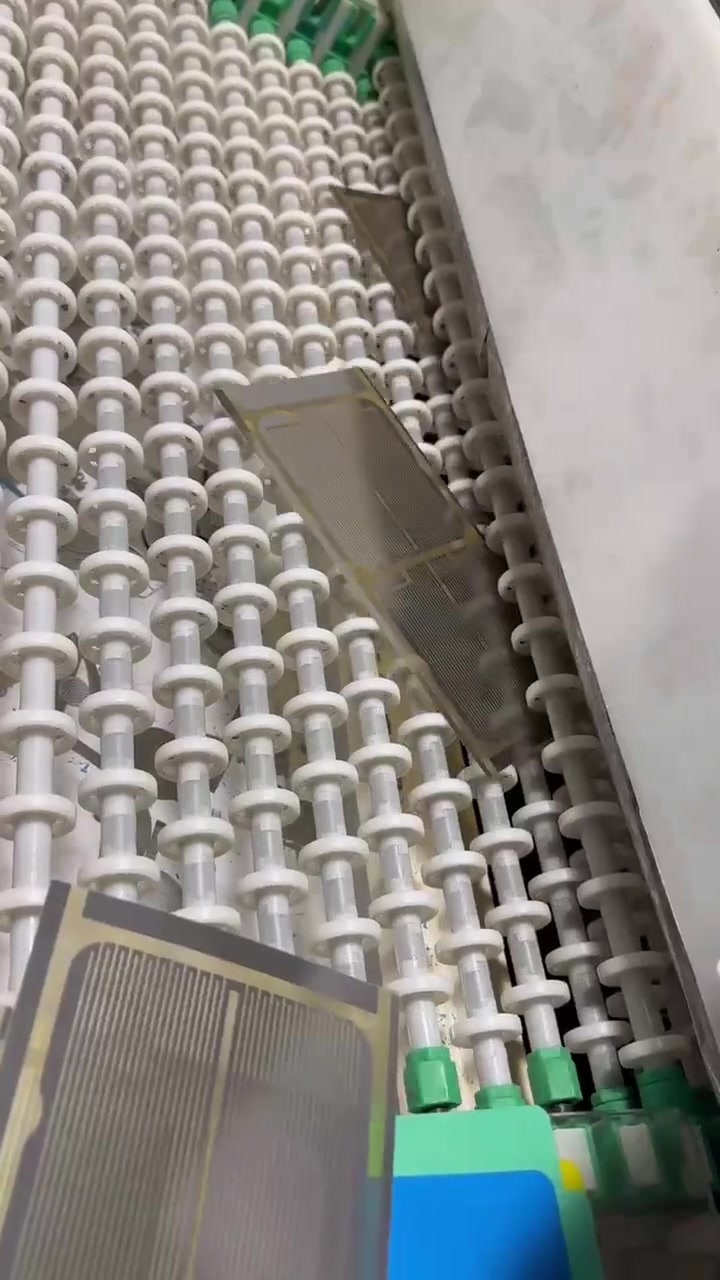
We have a full set of etching production equipment and mature processing technology. We can manufacture products in any shape with mesh sizes as small as 0.1mm, according to your requirements.

Our Advantage
Factory Direct Shipping
Our products undergo 100% QC checks before shipment, and we ensure compliance with international standards. If you require specific certifications for your target market, just let us know, and we'll meet those requirements.
Experienced Design and Manufacturing Team
We work closely with customers from the design phase to help avoid potential product flaws, ensuring both the functionality and design meet expectations.
Excellent Supply Chain Management
We can quickly adjust production schedules to meet your urgent deadlines, whether it's for large bulk orders or smaller rush orders.
OEM & ODM Support
We offer the option to print your logo or other customizations.
Strict Quality Control
Our products undergo 100% QC checks before shipment, and we ensure compliance with international standards. If you require specific certifications for your target market, just let us know, and we'll meet those requirements.
Certificate
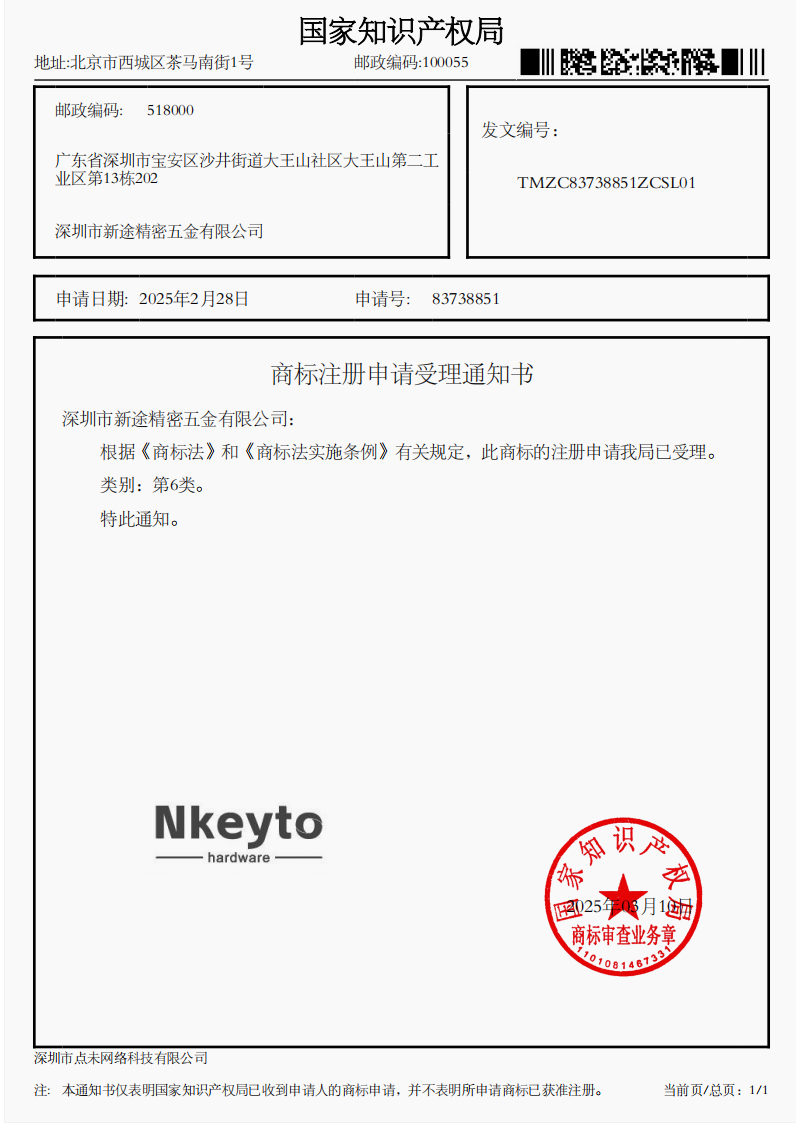
商标6类

9001
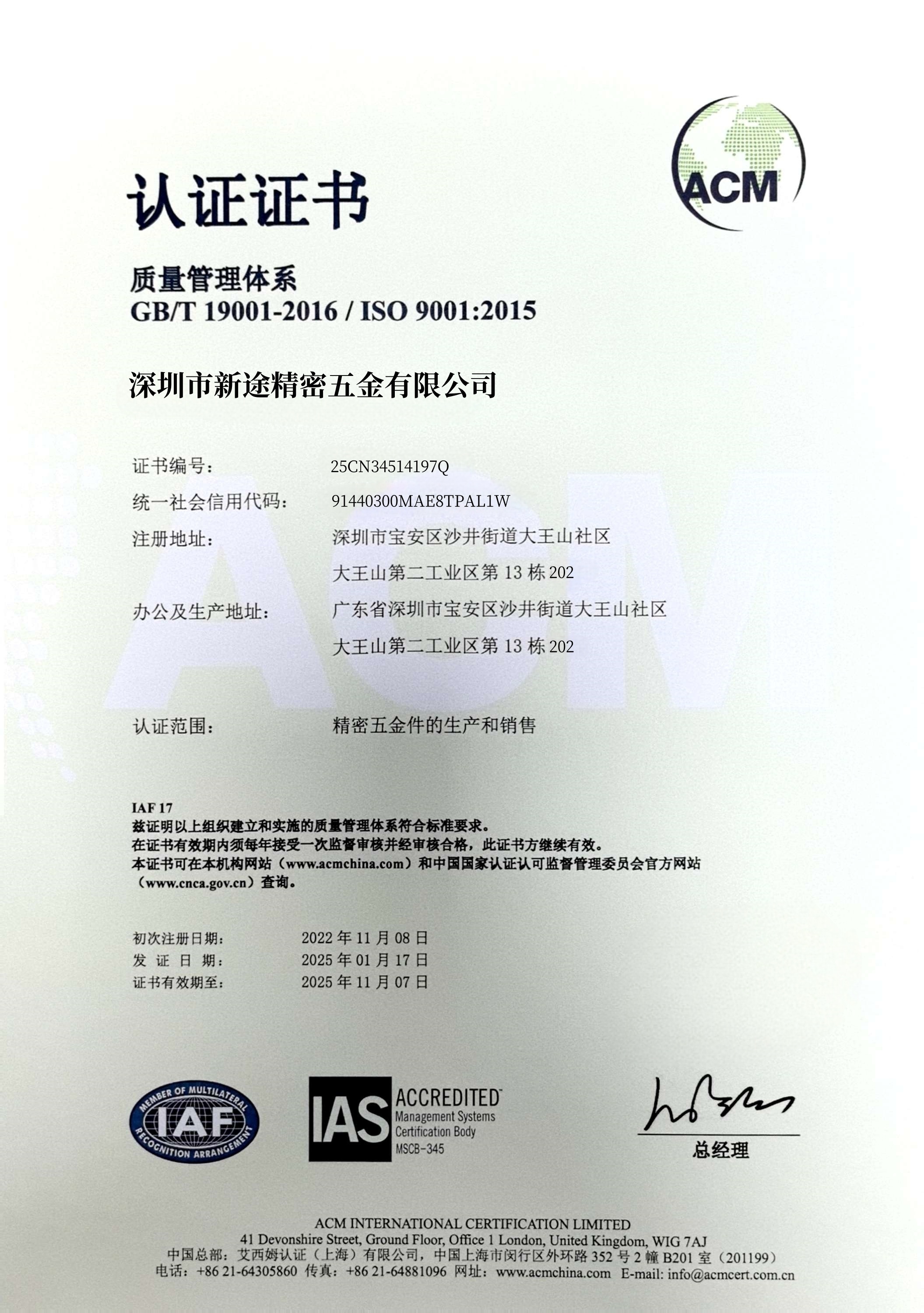
质量认证


Related Products

Shenzhen Nkeyto Precision Hardware Co., Ltd. is a factory specializing in precision hardware processing, committed to providing customers with high-quality products and services.We look forward to working with you.
Contact Us

E-mail: luna@nkeyto.com

Tel: +1 213-221-9094

Add: 13th Building, 202, Dawangshan Second Industrial Zone, Dawangshan Community, Shajing Street, Bao'an District, Shenzhen, Guangdong Province
Powered by: CEglobal
Copryright © 2025 Shenzhen Xintu Precision Hardware Co., Ltd.




Back To Top