



High Precision Slit Plate Metal Optical Narrow Slit Component
Category:
Key Words:
Product parameters
Parameter | Specification |
Product Name | Optical Slit Plate / Slit Aperture Plate / Micro Slit Plate |
Material | Stainless Steel (SUS304 / SUS301), Nickel, Copper, Molybdenum (optional) |
Thickness | 0.02 mm – 0.50 mm |
Slit Width | 20 μm – 500 μm (custom available) |
Slit Tolerance | ±1 – ±5 μm |
Slit Type | Single Slit / Multi Slit / Parallel Slit / Custom Pattern |
Slit Length | 0.5 mm – 100 mm (custom) |
Manufacturing Process | Chemical Etching / Laser Cutting / Precision Machining |
Edge Condition | Burr-free / Smooth edge |
Surface Treatment | Polished / Matte / Black Coating (anti-reflection) |
Flatness | ≤ 0.01 – 0.05 mm |
Dimensional Tolerance | ±0.01 – ±0.02 mm |
Light Control | High precision light transmission and beam shaping |
Operating Temperature | -50°C to 300°C (material dependent) |
Corrosion Resistance | High (stainless steel / coating optional) |
Mounting Type | Through hole / Frame mount / Custom fixing |
Application Type | Optical Measurement / Laser Control / Detection Systems |
Customization | Slit width / spacing / shape / material / coating |
Product Description
Product Introduction:
This high precision slit plate is a durable metal optical plate designed with narrow slit structures for accurate light modulation. The narrow slit plate ensures controlled light transmission and stable performance. As a high-quality precision slit plate, it is suitable for demanding optical and measurement applications.
Applications:
Optical sensors, laser systems, imaging devices, measurement equipment, industrial optical systems
High-Resolution Spectroscopy: The Importance of Optical Aperture Plates
In the realm of analytical chemistry and physics, the spectrometer is the workhorse of discovery. Whether analyzing the composition of a distant star or detecting trace contaminants in a water supply, the reliability of the data is paramount. At the very heart of these Scientific Instruments lies a deceptively simple component: the optical aperture plate, or slit.
At our factory, we understand that the performance of a spectrometer is defined by its ability to separate and resolve spectral lines. This capability begins with the Spectrometer Slit Plate. This article explores the critical relationship between slit geometry and spectral resolution, and how our precision manufacturing supports the demanding needs of scientific research.
The Physics of Resolution: Why Slit Width Matters
In optical spectroscopy, resolution refers to the ability of the instrument to distinguish between two closely spaced spectral lines. The width of the entrance slit is a primary factor in determining this resolution.
- Narrow Slits for High Resolution: A narrower slit restricts the light entering the optical bench to a finer "slice." This reduces the bandwidth of light hitting the diffraction grating, resulting in sharper, more distinct peaks on the detector. For researchers analyzing complex molecular structures or hyperfine spectral lines, a high-precision narrow slit is essential.
- Wide Slits for Sensitivity: Conversely, widening the slit allows more photons to enter the system (increasing throughput). This is beneficial for Optical Detection in low-light scenarios, such as fluorescence spectroscopy or Raman scattering, where signal intensity is low.
However, there is a trade-off. A slit that is too wide causes spectral lines to broaden and overlap, reducing the instrument's resolving power. Therefore, the Spectrometer Slit Plate must be manufactured with extreme dimensional accuracy to ensure that the theoretical resolution of the optical design is actually achieved in practice.
Customization for Scientific Research
Unlike mass-produced industrial components, scientific instruments often require highly specific aperture geometries. A standard catalog part rarely fits the unique optical path of a custom-built spectrometer or a specialized research setup.
Our facility specializes in bridging the gap between design and reality. We understand that researchers often need:
- Non-Standard Widths: From ultra-narrow 10-micron slits for high-resolution UV-Vis spectroscopy to wider apertures for infrared applications.
- Custom Heights and Shapes: While rectangular slits are standard, some applications require specialized aspect ratios or even curved slits to correct for optical aberrations (smiling).
- Material Specificity: We work with various metals to suit the environmental conditions of the instrument, from standard laboratory use to harsh industrial monitoring.
Spotlight: High Precision Slit Plate Metal Optical Narrow Slit Component
Our High Precision Slit Plate Metal Optical Narrow Slit Component represents the pinnacle of our manufacturing capabilities. Designed specifically for applications where light control is critical, this component serves as the "gatekeeper" for the optical system.
We utilize advanced chemical etching to produce these narrow slit components. This process offers distinct advantages over mechanical punching or laser cutting:
- Zero Burrs: In a narrow slit, even a microscopic burr can diffract light and create artifacts in the spectrum. Our etching process ensures perfectly smooth edges.
- High Aspect Ratio: We can produce slits that are extremely narrow relative to the material thickness, ensuring a clean, straight path for the light beam.
- Consistency: For OEMs producing Scientific Instruments, batch-to-batch consistency is vital. Our digital manufacturing process ensures that the 1,000th slit plate is identical to the first.
Material Selection for Optical Performance
The choice of material for a Spectrometer Slit Plate affects not only the durability of the component but also the optical performance.
Material | Properties | Best Application |
|---|---|---|
Stainless Steel (SUS304/316) | High strength, corrosion resistance, non-magnetic. | General spectroscopy, portable analyzers, harsh environments. |
Molybdenum | High thermal stability, low expansion coefficient. | High-power laser spectroscopy, vacuum UV applications. |
Copper/Brass | High thermal conductivity, easy to machine/etch. | Heat-sensitive applications, specific X-ray fluorescence setups. |
For most Optical Detection systems, stainless steel remains the preferred choice due to its balance of rigidity and resistance to oxidation. A warped or corroded slit plate can drift out of alignment, ruining the calibration of a sensitive spectrometer.
Conclusion
The optical aperture plate is more than just a hole in a piece of metal; it is the defining element of a spectrometer's resolution. By choosing a manufacturer that understands the nuances of optical physics and precision metallurgy, you ensure that your instruments deliver accurate, reliable data.
Whether you are developing the next generation of handheld analyzers or building a custom setup for a research laboratory, our factory is equipped to deliver the Spectrometer Slit Plate solutions you need.
Looking for a custom aperture for your optical system?
Contact Luna via WhatsApp at 12132219094 to discuss your specifications and request a quote for your precision slit components.
Questions and Answers
Frequently Asked Questions (FAQ)
Q: How does the slit width affect the signal-to-noise ratio (SNR)?
A: A wider slit allows more light (signal) to reach the detector, which generally improves the SNR. However, this comes at the cost of spectral resolution. Our team can help you calculate the optimal width to balance these two factors for your specific application.
Q: Can you manufacture slit plates for fiber optic inputs?
A: Yes. Our High Precision Slit Plate Metal Optical Narrow Slit Component can be designed to match the numerical aperture and core diameter of standard fiber optic cables, ensuring efficient light coupling into the spectrometer.
Q: What is the smallest slit width you can produce?
A: Using our precision etching technology, we can produce slits as narrow as 10 microns (0.01mm). This level of precision is essential for high-end Scientific Instruments requiring sub-nanometer spectral resolution.
Q: Do you provide blackening treatments for slit plates?
A: Absolutely. We offer black oxide coatings to minimize stray light reflection from the surface of the Spectrometer Slit Plate, which is crucial for maintaining high contrast in sensitive measurements.
Factory Description
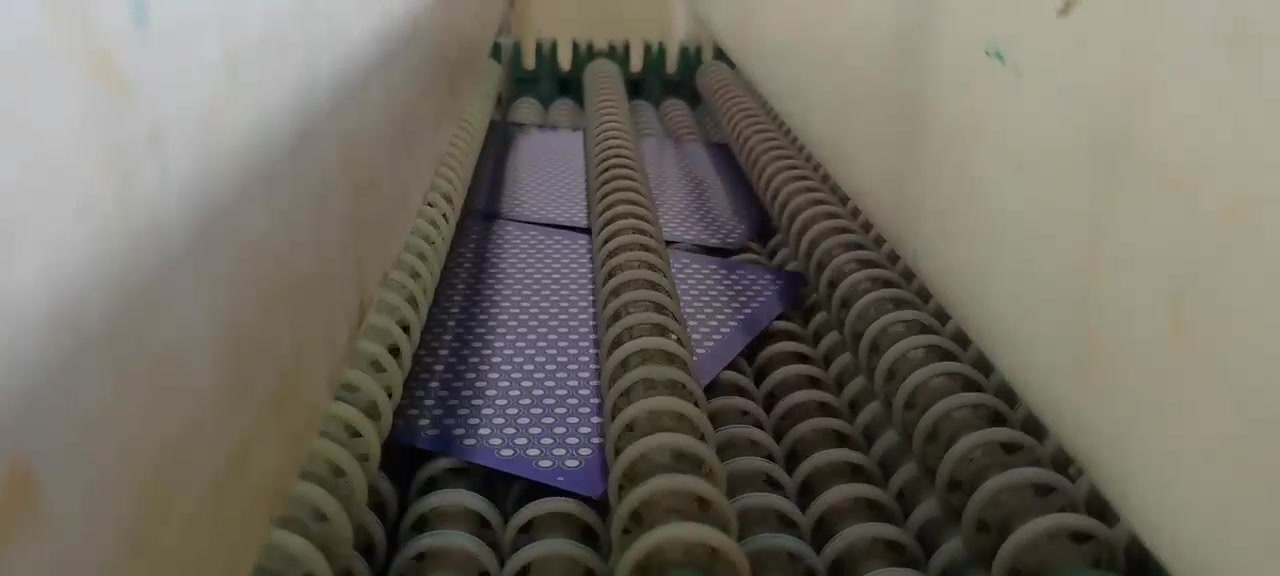
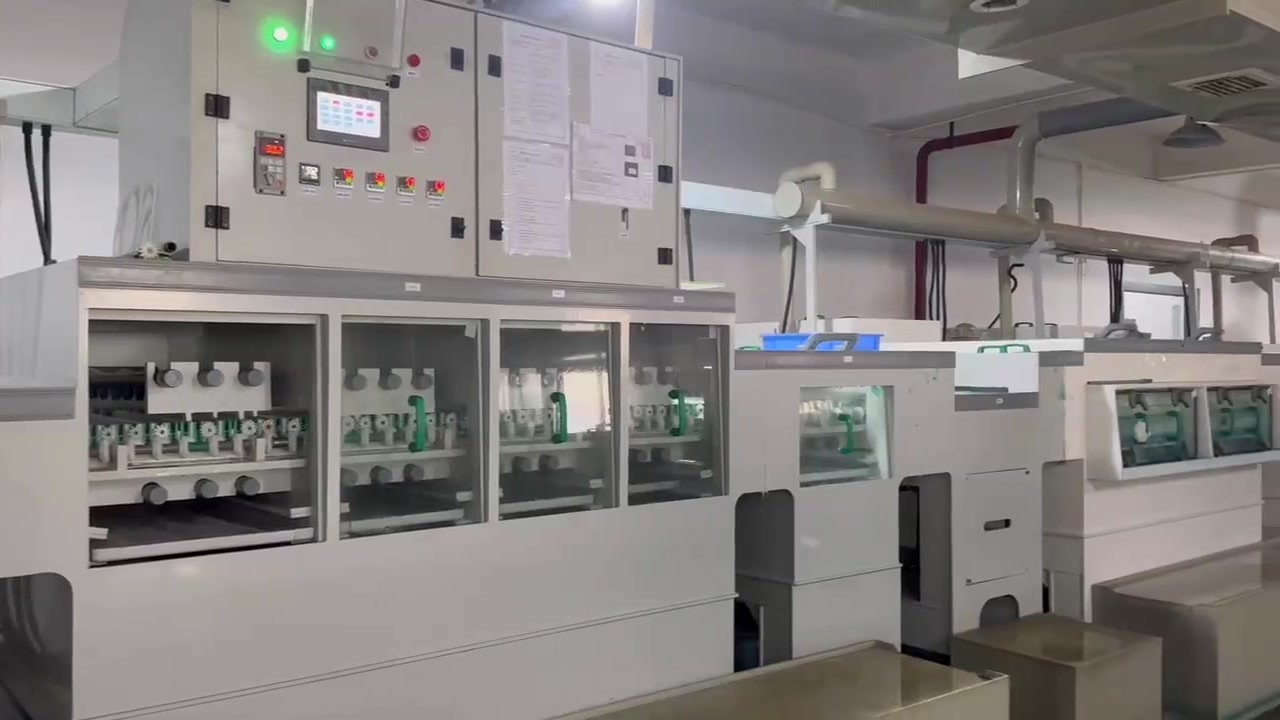
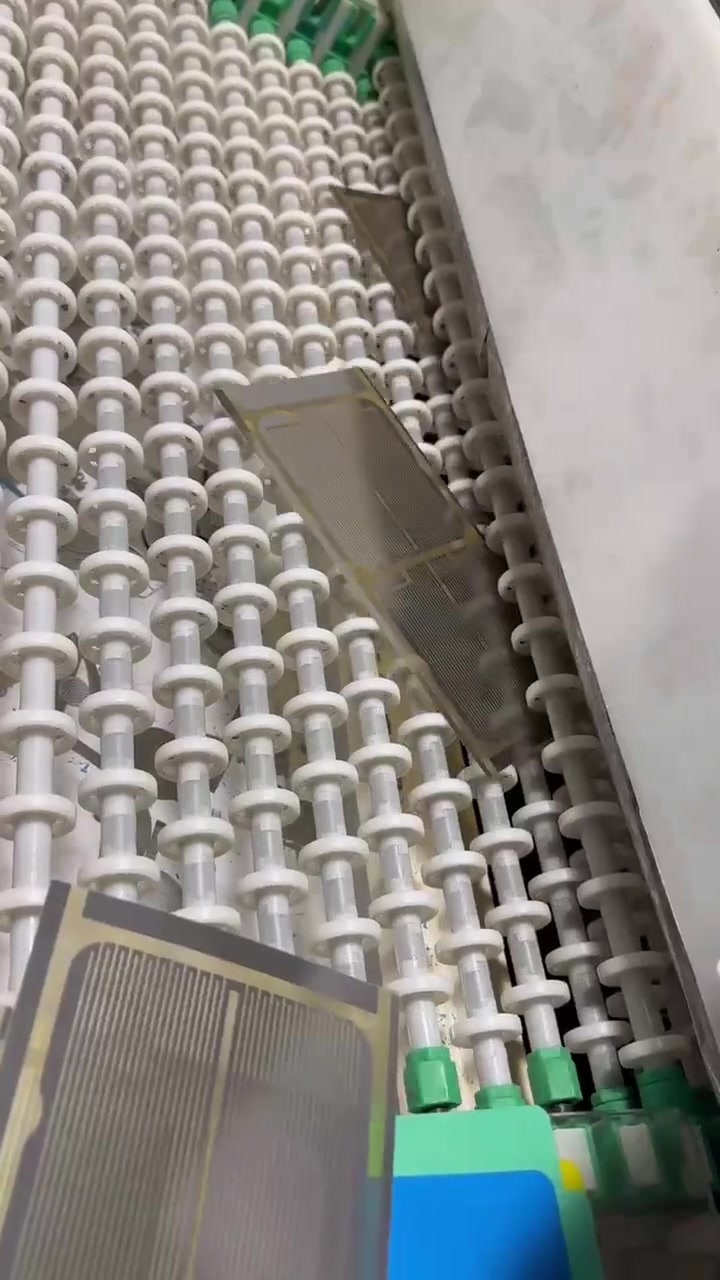
We have a full set of etching production equipment and mature processing technology. We can manufacture products in any shape with mesh sizes as small as 0.1mm, according to your requirements.

Our Advantage
Factory Direct Shipping
Our products undergo 100% QC checks before shipment, and we ensure compliance with international standards. If you require specific certifications for your target market, just let us know, and we'll meet those requirements.
Experienced Design and Manufacturing Team
We work closely with customers from the design phase to help avoid potential product flaws, ensuring both the functionality and design meet expectations.
Excellent Supply Chain Management
We can quickly adjust production schedules to meet your urgent deadlines, whether it's for large bulk orders or smaller rush orders.
OEM & ODM Support
We offer the option to print your logo or other customizations.
Strict Quality Control
Our products undergo 100% QC checks before shipment, and we ensure compliance with international standards. If you require specific certifications for your target market, just let us know, and we'll meet those requirements.
Certificate

商标6类

9001
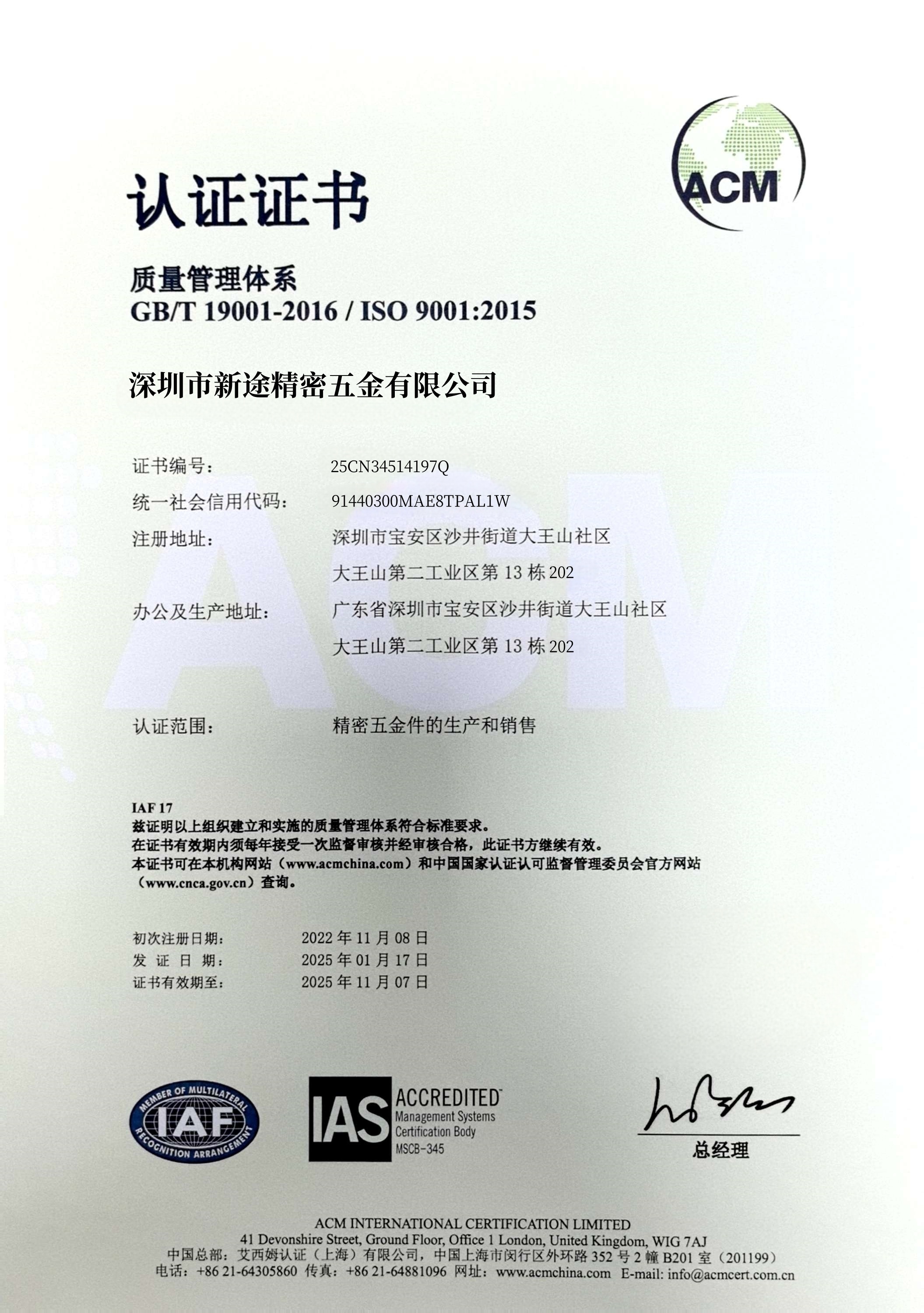
质量认证


Related Products

Shenzhen Nkeyto Precision Hardware Co., Ltd. is a factory specializing in precision hardware processing, committed to providing customers with high-quality products and services.We look forward to working with you.
Contact Us

E-mail: luna@nkeyto.com

Tel: +1 213-221-9094

Add: 13th Building, 202, Dawangshan Second Industrial Zone, Dawangshan Community, Shajing Street, Bao'an District, Shenzhen, Guangdong Province
Powered by: CEglobal
Copryright © 2025 Shenzhen Xintu Precision Hardware Co., Ltd.




Back To Top