



Mechanical Adjustment Stainless Steel Shim
Category:
Key Words:
Product parameters
Parameter | Description |
Material | Stainless Steel (SUS304 / SUS301 / SUS316) |
Manufacturing Process | Laser Cutting (Primary), Lamination Bonding |
Structure | Laminated / Peelable layers (multi-layer bonded structure) |
Shape | Custom shapes (round, square, U shape, slotted, irregular) |
Size Range | Customizable (Typical: ≤ 500 × 500 mm) |
Total Thickness | 0.05 mm – 3.0 mm |
Layer Thickness | 0.01 mm / 0.02 mm / 0.05 mm (custom combinations available) |
Thickness Adjustment | Adjustable by peeling individual layers |
Hole Diameter | ≥ 0.2 mm (laser cutting standard) |
Tolerance | ±0.01 mm ~ ±0.05 mm (depending on thickness and size) |
Edge Quality | Clean cut edge, minimal burr (laser cutting) |
Flatness | ≤ 0.05 mm |
Surface Finish | Natural / Passivation / Polishing (optional) |
Bonding Type | Adhesive bonding / Spot bonding (easy peel design) |
Customization (OEM/ODM) | Supported (based on drawings or samples) |
Drawing Formats Accepted | CAD / DWG / DXF / STEP / PDF |
Quality Control | Thickness verification, layer consistency inspection, dimensional control |
Product Description
Product Description:
Mechanical adjustment stainless steel shim is used to fine-tune spacing, compensate tolerance, and improve alignment accuracy in machinery and equipment. This adjustment shim can be customized according to drawings, with material, thickness, inner diameter, and outer diameter tailored to actual applications. Using chemical etching, laser cutting, and CNC machining, we provide precision shim products with consistent quality and flexible OEM production capability.
Key Features:
Mechanical alignment systems
Equipment maintenance and overhaul
Automotive transmission assemblies
Industrial automation equipment
Heavy-duty machinery
Manufacturing Precision Valves for Medical Ventilators: Challenges and Solutions
In the high-stakes world of medical device manufacturing, there is zero margin for error. A medical ventilator is not just a machine; it is a life-support system that breathes for patients who cannot breathe for themselves. At the heart of this critical equipment lies a small but vital component: the Ventilator Airflow Control Valve.
This valve is responsible for regulating the precise mixture of oxygen and air delivered to a patient. It must respond in milliseconds, maintain consistent flow rates, and operate silently. For manufacturers of these valves, the challenge is not just in the design, but in the precision metal fabrication required to bring that design to life.
In this article, we explore the manufacturing complexities of medical valves and why advanced processes like chemical etching are replacing traditional methods to ensure patient safety.
The Critical Role of the Valve Plate
The core of a ventilator valve is often a Valve Plate or disc. This thin metal component contains the specific geometries—such as micro-slits, ports, or channels—that control fluid dynamics.
In a medical setting, the requirements for these parts are extreme:
- Precision Flow Control: The valve must deliver exact tidal volumes (the amount of air per breath). Any deviation can harm the patient.
- Rapid Response: The valve must open and close instantly to match the patient's breathing cycle.
- Absolute Cleanliness: There can be no contamination.
Manufacturing Challenge 1: The "Burr" Hazard
The most significant risk in manufacturing medical valve components is the presence of burrs—microscopic, sharp edges left behind by mechanical cutting processes like stamping or laser cutting.
- The Risk: In a ventilator, a loose metal burr can break off and enter the patient's airway, causing severe injury. Alternatively, it can get lodged in the valve seat, preventing the valve from closing completely.
- Why Stamping Fails Here: Stamping shears the metal, inevitably creating a "breakout" edge. While secondary deburring processes exist, they are often inconsistent and can miss micro-burrs inside complex slots.
Our Solution: Chemical Etching
Chemical etching is a "cold" process. Instead of cutting the metal, we dissolve it using corrosive chemicals. This results in parts that are inherently burr-free.
- Safety First: Our valve plates have smooth, rounded edges right out of the production line.
- No Recast Layer: Unlike laser cutting, which melts the metal and leaves a rough "recast" layer that can flake off, etching preserves the material's integrity.
Manufacturing Challenge 2: Micro-Features and Complex Geometries
Modern ventilators are becoming smaller and more efficient. This requires valve plates with increasingly complex and miniature features, such as:
- Micro-slits: For precise flow restriction.
- High-density holes: For filtration or diffusion.
- Thin webs: To reduce the weight and inertia of the moving disc.
The Precision Advantage
Traditional tooling struggles with these features. Punching a 0.2mm slot in thin stainless steel is difficult and wears out tools quickly.
- Etching Capability: We can easily produce features with diameters or widths as small as 0.1mm.
- No Tool Wear: Because there is no physical contact between the tool and the part, the geometry remains identical from the first piece to the ten-thousandth piece. This ensures that every valve produced has the exact same flow coefficient (Cv value).
Material Selection for Medical Valves
The choice of material is just as critical as the manufacturing process. For Ventilator Airflow Control Valves, we typically recommend:
- Stainless Steel (SUS304 / SUS316L): The industry standard due to its excellent corrosion resistance and biocompatibility. It can withstand repeated sterilization cycles (autoclaving) without degrading.
- Inconel or Titanium: For specialized high-performance applications requiring extreme strength-to-weight ratios.
Conclusion
The reliability of a medical ventilator depends on the precision of its smallest components. By utilizing chemical etching, we can produce Micro Stainless Steel Valve Discs and plates that are safer, more precise, and more consistent than those made with traditional methods.
Partner with a Precision Manufacturing Expert
When it comes to life-saving medical devices, quality cannot be compromised. If you need high-precision, burr-free valve components for ventilators or other medical equipment, we are here to support your production needs. Contact Luna on WhatsApp at 12132219094 to discuss your technical requirements and request a quote today.
Questions and Answers
Frequently Asked Questions (FAQ)
Q: Why is chemical etching better than laser cutting for valve plates?
A: While laser cutting is versatile, it creates a Heat Affected Zone (HAZ) that can warp thin metal and leave rough edges. Etching creates no heat stress and leaves edges perfectly smooth, which is critical for sealing surfaces in valves.
Q: Can you manufacture valves with extremely tight tolerances?
A: Yes. Our etching process allows us to hold tolerances of ±0.01mm on complex geometries. This precision ensures that the flow rate of every valve remains consistent.
Q: How do you ensure the parts are clean for medical assembly?
A: We understand that medical components require high cleanliness. We perform ultrasonic cleaning and vacuum packaging in a controlled environment to ensure parts are free of oil, dust, and particles upon delivery.
Q: Do you work with proprietary valve designs?
A: Absolutely. We operate as an OEM partner. We can manufacture Ventilator Valves and Valve Plates strictly according to your drawings and specifications, ensuring full IP protection.
Factory Description
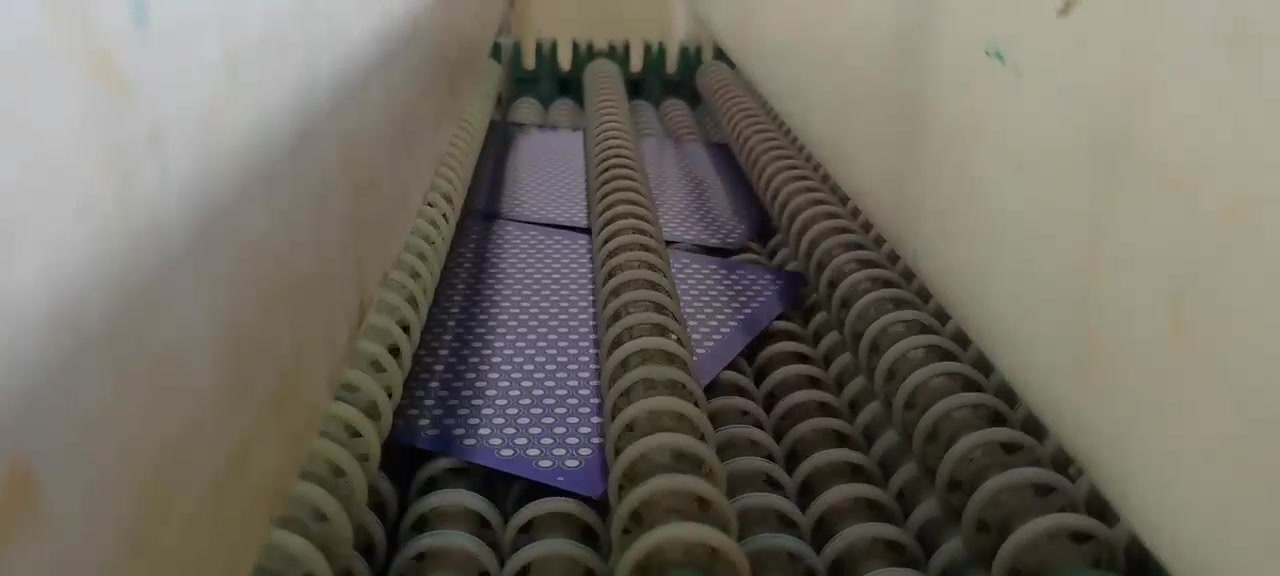
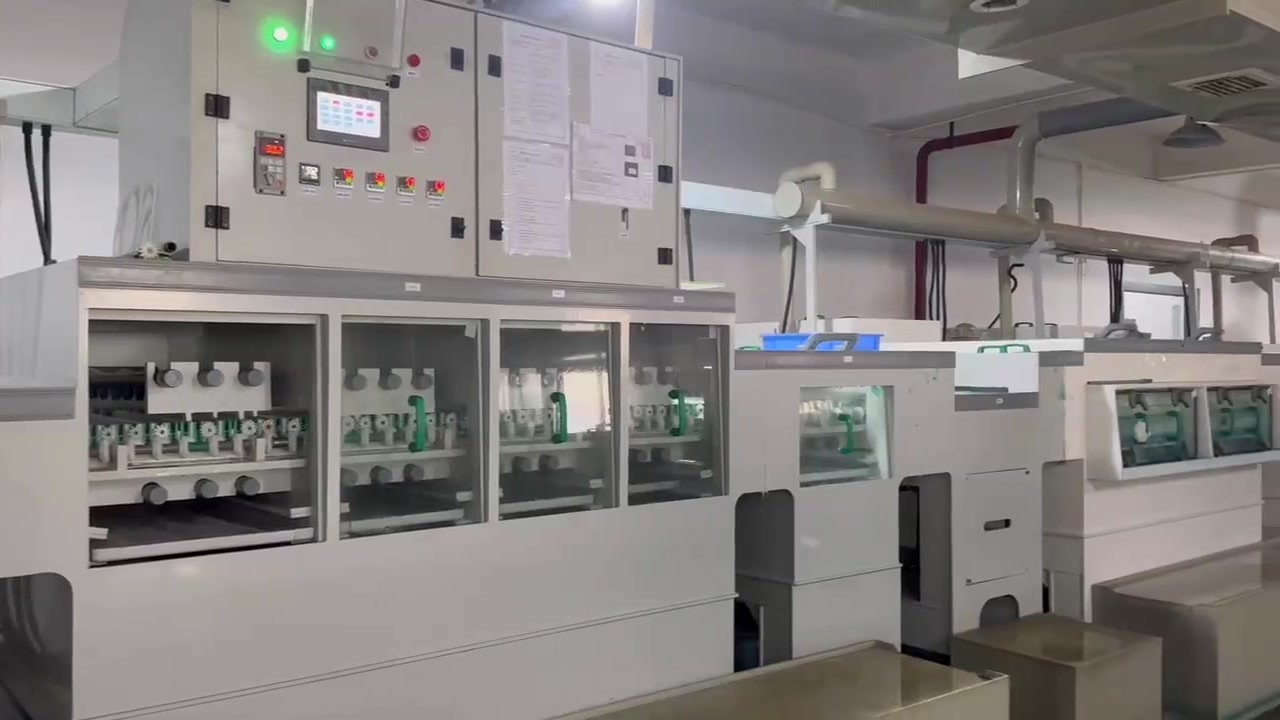
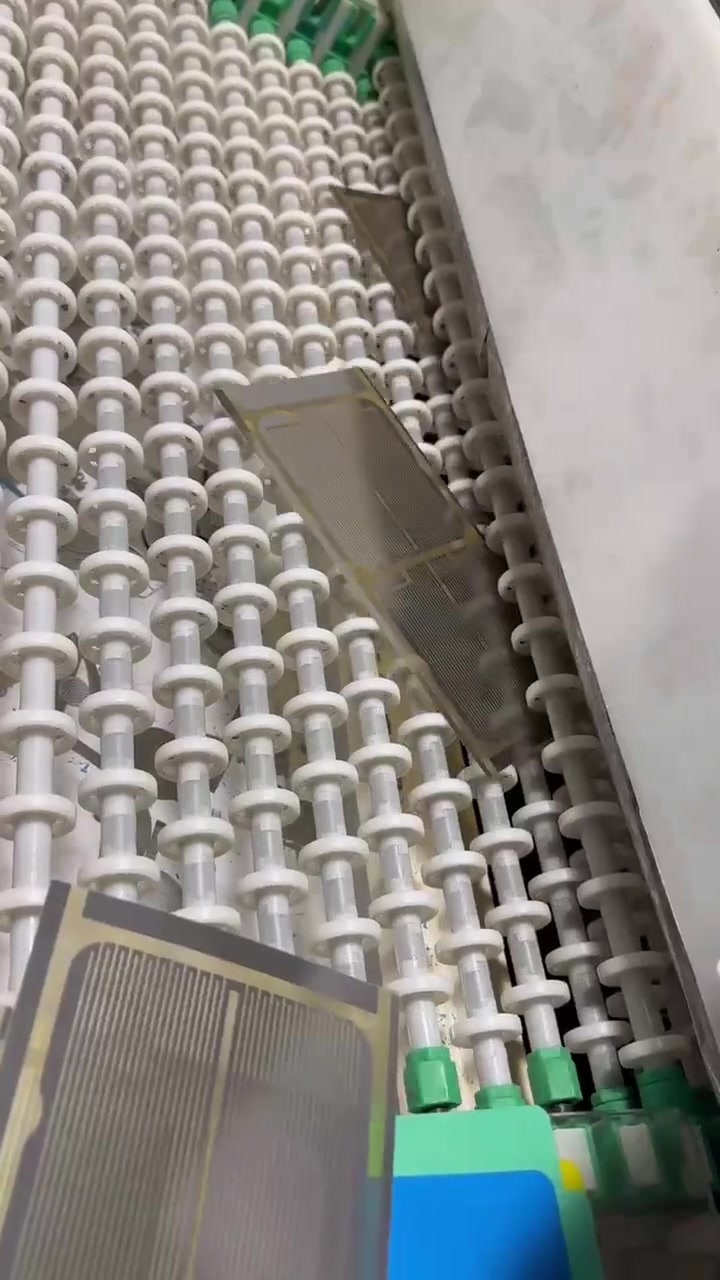
We have a full set of etching production equipment and mature processing technology. We can manufacture products in any shape with mesh sizes as small as 0.1mm, according to your requirements.

Our Advantage
Factory Direct Shipping
Our products undergo 100% QC checks before shipment, and we ensure compliance with international standards. If you require specific certifications for your target market, just let us know, and we'll meet those requirements.
Experienced Design and Manufacturing Team
We work closely with customers from the design phase to help avoid potential product flaws, ensuring both the functionality and design meet expectations.
Excellent Supply Chain Management
We can quickly adjust production schedules to meet your urgent deadlines, whether it's for large bulk orders or smaller rush orders.
OEM & ODM Support
We offer the option to print your logo or other customizations.
Strict Quality Control
Our products undergo 100% QC checks before shipment, and we ensure compliance with international standards. If you require specific certifications for your target market, just let us know, and we'll meet those requirements.
Certificate
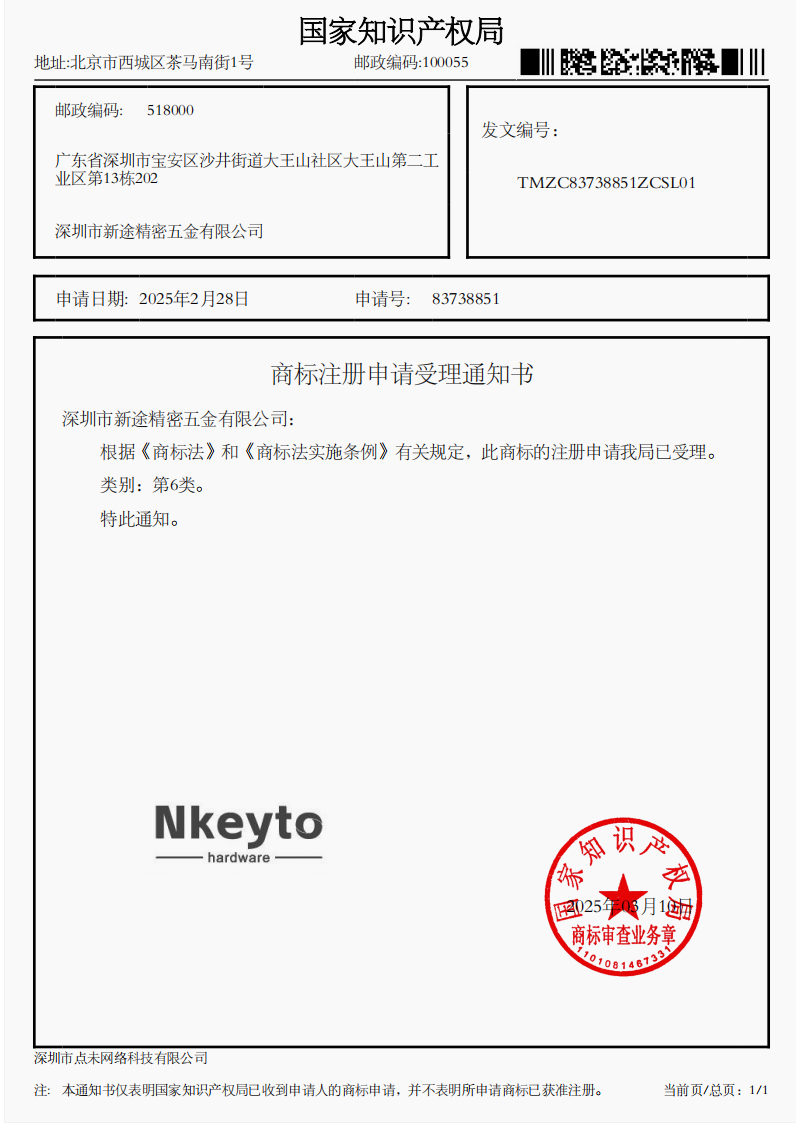
商标6类

9001
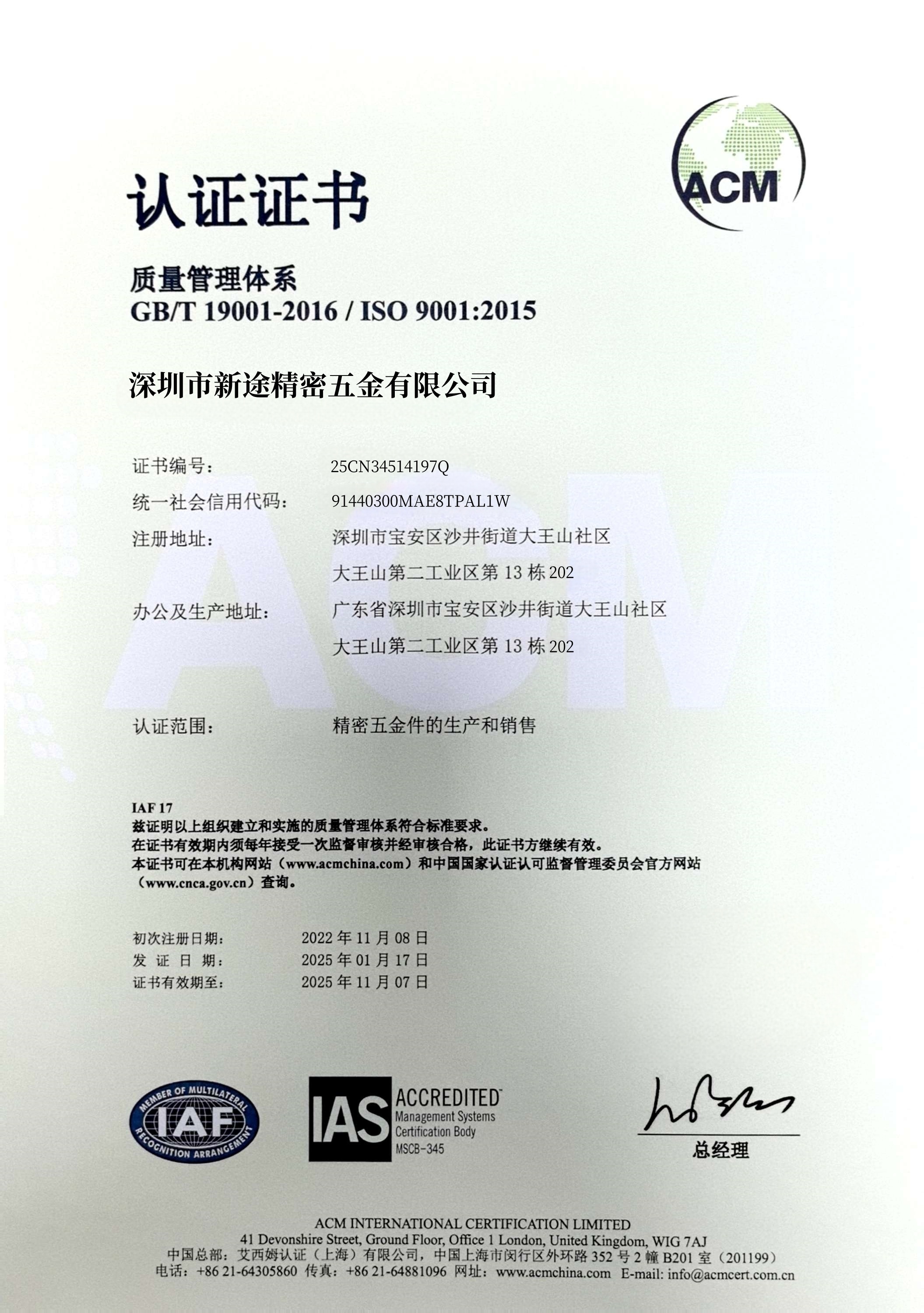
质量认证


Related Products

Shenzhen Nkeyto Precision Hardware Co., Ltd. is a factory specializing in precision hardware processing, committed to providing customers with high-quality products and services.We look forward to working with you.
Contact Us

E-mail: luna@nkeyto.com

Tel: +1 213-221-9094

Add: 13th Building, 202, Dawangshan Second Industrial Zone, Dawangshan Community, Shajing Street, Bao'an District, Shenzhen, Guangdong Province
Powered by: CEglobal
Copryright © 2025 Shenzhen Xintu Precision Hardware Co., Ltd.




Back To Top