



Metal Antenna Array Plate for Radar and 5G Communication Systems
Category:
Key Words:
Product parameters
Parameter | Specification / Range |
Product Name | RF Antenna Array Plate / Etched Antenna Plate / Metal Antenna Component |
Material | Stainless Steel / Copper / Brass / Aluminum / Nickel Alloy |
Thickness | 0.05 – 1.0 mm (customizable) |
Outer Diameter / Size | Custom according to drawing |
Aperture / Pattern Type | Etched slots / Micro apertures / Array patterns / Custom geometry |
Pattern Accuracy | High precision etched pattern |
Minimum Line Width | 0.03 – 0.10 mm (depending on material and thickness) |
Minimum Slot Width | 0.03 – 0.10 mm (customizable) |
Tolerance | ±0.005 – ±0.02 mm |
Surface Treatment | Cleaning / Passivation / Polishing / Nickel Plating / Tin Plating |
Edge Condition | Burr-free / Smooth edge |
Flatness | According to design requirement |
Manufacturing Process | Chemical Etching / Laser Cutting / Stamping / Forming |
Frequency Application | RF / Microwave / High Frequency / Communication Systems |
Structure Type | Flat plate / Array plate / Functional metal component |
OEM / ODM | Supported |
Drawing Format | PDF / CAD / DWG / DXF / STEP |
Sample | Available |
Lead Time | 5 – 15 days for samples, depending on complexity |
Packaging | Standard export packaging / Custom protective packaging |
Product Description
Product Description
Metal antenna array plate designed for radar and 5G communication systems, providing stable signal transmission and high-frequency performance. This RF antenna plate supports complex array configurations and ensures consistent signal distribution across multiple channels. It is a reliable solution for advanced RF antenna and communication applications.
Application Field
Widely applied in radar systems, 5G base stations, wireless communication equipment, and high-frequency signal systems. This antenna array plate is ideal for next-generation communication technologies.
Metal Antenna Array Plate: Materials & Surface Finish Options
Selecting the right material and surface finish is a critical step in antenna design. It is not just about structural integrity; it is about conductivity, corrosion resistance, and signal efficiency. As a precision manufacturer, we understand that the wrong material choice can lead to signal degradation or premature failure in the field.
This guide details the material options available for our metal antenna array plates, helping engineers and procurement specialists make informed decisions for their RF applications.
Conductive Materials: Balancing Performance and Weight
The core function of an antenna plate is to radiate or reflect electromagnetic waves. Therefore, the conductivity of the base material is paramount. We process a variety of metals, each offering distinct advantages for different frequency bands and environmental conditions.
Copper (Cu)
Copper is the industry standard for high-performance RF components due to its exceptional electrical conductivity.
- Best For: High-frequency antenna elements, feed networks, and ground planes where signal loss must be minimized.
- Key Advantage: It offers the lowest resistive loss among common engineering metals.
- Manufacturing Note: Copper is highly ductile, making it ideal for our precision chemical etching processes, allowing for very fine features.
Aluminum (Al)
Aluminum is the preferred choice when weight reduction is a priority without sacrificing too much conductivity.
- Best For: Large antenna array structures, aerospace applications, and outdoor radar housings.
- Key Advantage: It is significantly lighter than copper and steel (density approx. 2.7 g/cm³) and offers natural corrosion resistance.
- Manufacturing Note: While slightly less conductive than copper, it is often used as a structural substrate with a copper cladding layer for the RF surface.
Stainless Steel (SUS301, SUS304)
While not as conductive as copper, stainless steel offers superior mechanical strength and durability.
- Best For: Harsh environments requiring high corrosion resistance, such as maritime communication systems.
- Key Advantage: High tensile strength and resistance to oxidation.
- Manufacturing Note: We often use stainless steel for antenna plates that require plating (e.g., silver or gold) to boost surface conductivity while maintaining structural rigidity.
Material Comparison Data
To assist in your selection process, we have compiled a comparison of common materials used in our metal antenna plates.
Material | Electrical Conductivity (% IACS) | Density (g/cm³) | Primary Benefit |
|---|---|---|---|
Copper (C11000) | ~100% | 8.96 | Maximum Signal Efficiency |
Aluminum (6061-T6) | ~43% | 2.70 | Lightweight & Corrosion Resistant |
Brass (C26000) | ~28% | 8.50 | Good Machinability & Formability |
Stainless Steel (304) | ~2-3% | 8.00 | High Strength & Durability |
Surface Finishes: Protecting the Signal
For a metal antenna plate, the surface finish serves two purposes: protecting the base metal from oxidation and ensuring a low-resistance path for the RF signal (due to the skin effect).
Silver Plating
Silver has the highest electrical conductivity of all metals. Plating a stainless steel or copper antenna with silver is a common technique to maximize RF performance.
- Application: High-frequency waveguides and radar antennas.
- Benefit: significantly reduces surface resistance. We ensure uniform plating thickness even in complex etched geometries.
Gold Plating
Gold is chemically inert and does not oxidize, making it ideal for reliable electrical contact.
- Application: Antenna feed points, connectors, and high-reliability aerospace components.
- Benefit: Provides a stable, low-resistance surface over long periods, essential for antenna surface finish longevity in harsh environments.
Chemical Conversion Coatings (e.g., Chromate)
Often used on aluminum antenna plates to prevent oxidation without adding significant thickness.
- Application: Outdoor structural antenna elements.
- Benefit: Provides a protective barrier against environmental factors while maintaining reasonable conductivity.
Precision Manufacturing for Sensitive Materials
Working with high-conductivity metals requires specialized manufacturing techniques. For instance, thin copper sheets are easily distorted by mechanical force.
Our factory utilizes precision chemical etching to process these materials. This "cold" process ensures that:
- No Heat Affected Zone (HAZ): Unlike laser cutting, etching does not alter the metallurgical properties of the copper or aluminum.
- Burr-Free Edges: Critical for high-voltage RF applications to prevent arcing.
- Complex Geometries: We can etch intricate slot patterns and feed lines into the metal plate without inducing stress.
Need help selecting the right material for your RF design?
Contact our engineering team to request a material specification sheet or a quote for your custom antenna plate.
Contact Person: Luna
WhatsApp: 12132219094
Questions and Answers
Frequently Asked Questions
Which material is best for 5G antenna applications?
For 5G applications, minimizing signal loss is critical. We recommend copper or aluminum with a silver or gold antenna surface finish. These combinations offer the best balance of conductivity and weight for high-frequency transmission.
Can you plate stainless steel for antenna use?
Yes. Stainless steel is often used as a structural base for a metal antenna array plate. We can facilitate or recommend plating services (such as silver or nickel plating) to improve the surface conductivity of the steel, making it suitable for RF applications while retaining its strength.
What is the tolerance for etched antenna plates?
Our chemical etching process typically holds tolerances of ±0.01mm to ±0.05mm, depending on the material thickness and type. This precision is essential for maintaining the impedance matching of the antenna design.
Factory Description
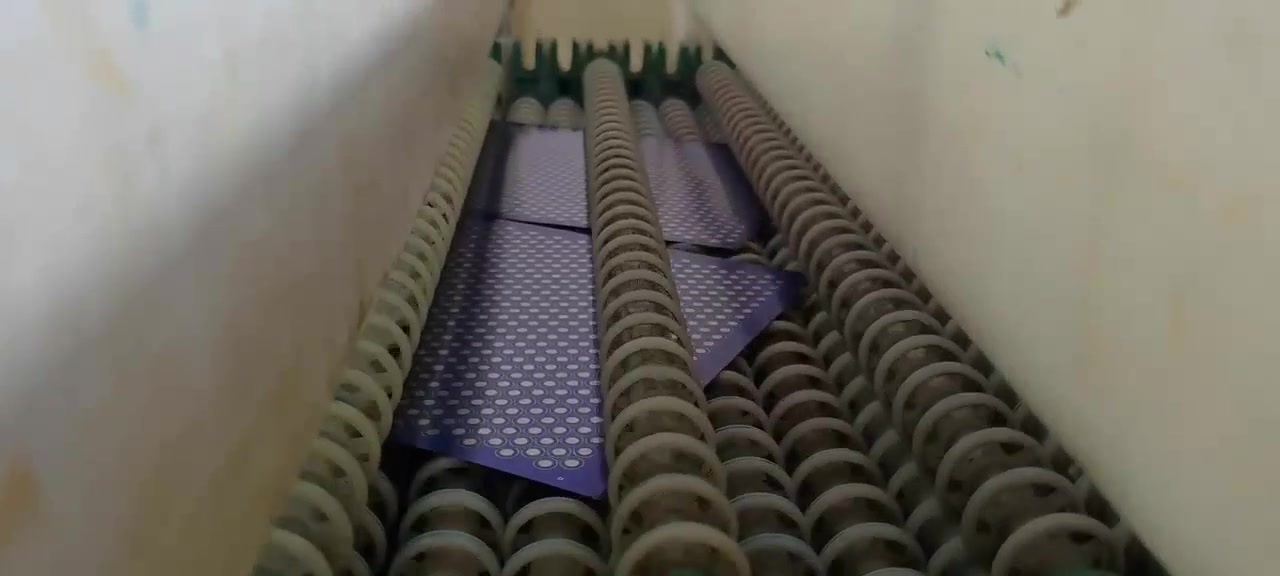
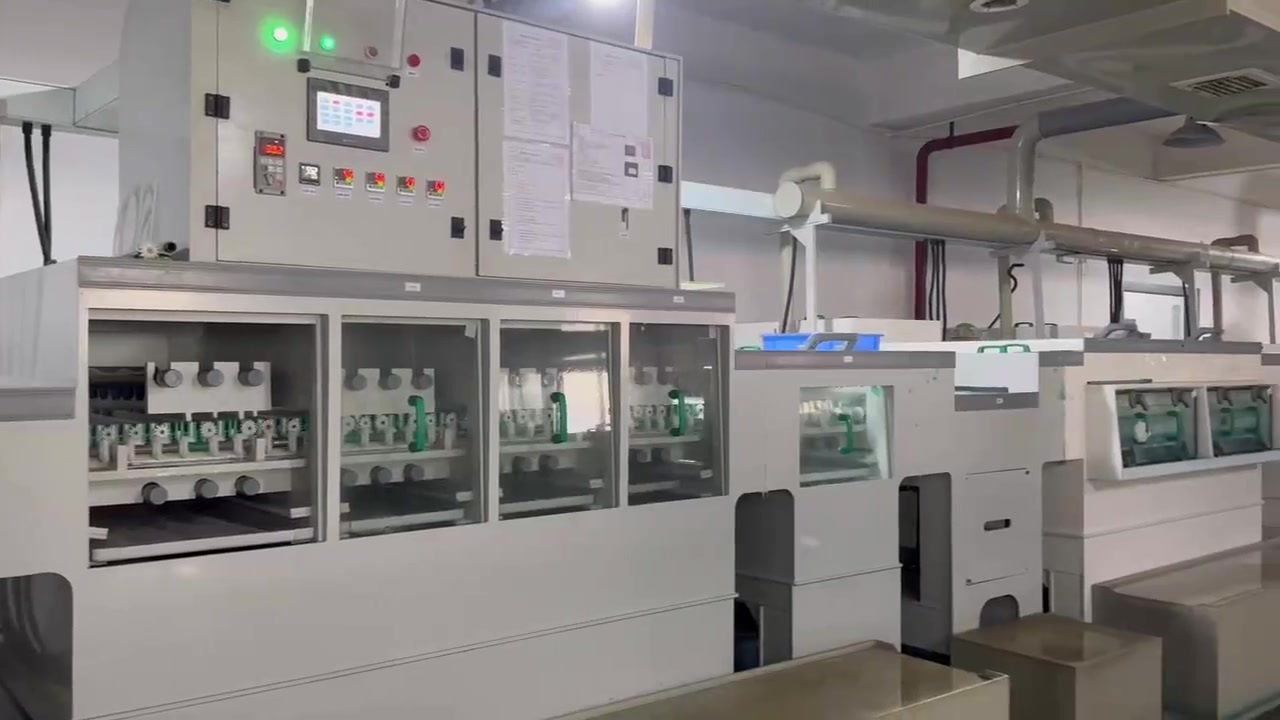
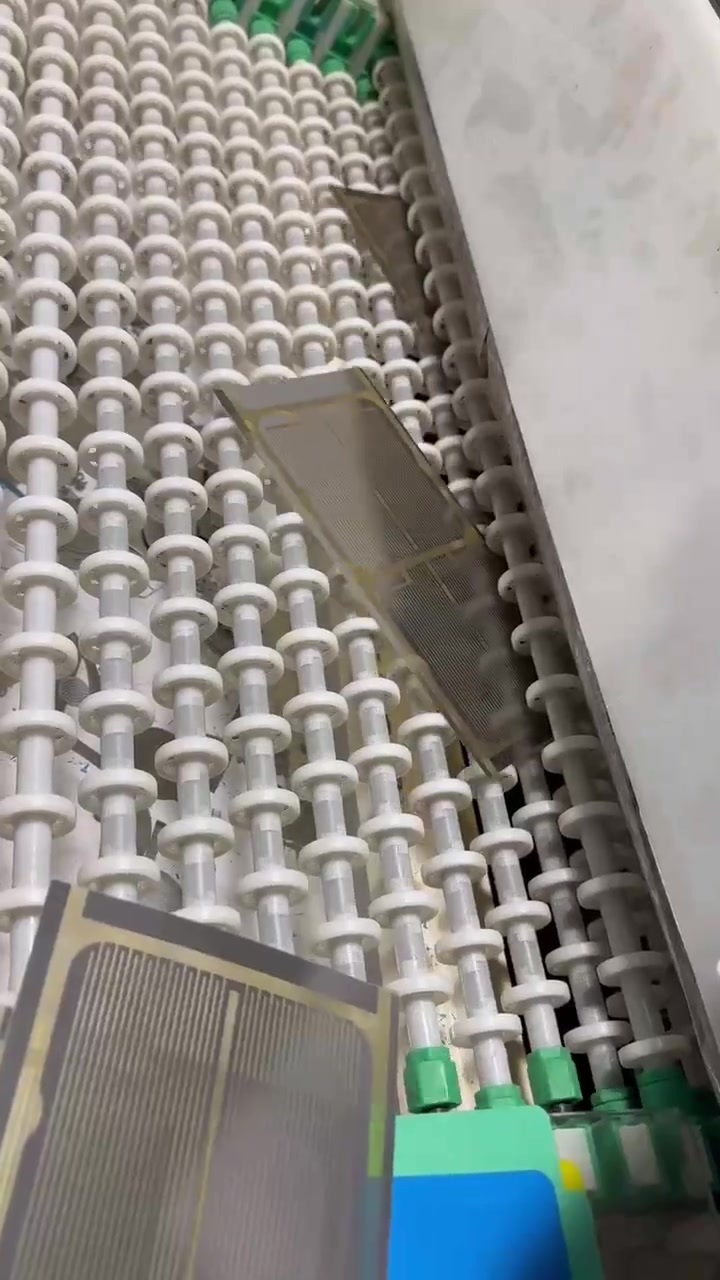
We have a full set of etching production equipment and mature processing technology. We can manufacture products in any shape with mesh sizes as small as 0.1mm, according to your requirements.

Our Advantage
Factory Direct Shipping
Our products undergo 100% QC checks before shipment, and we ensure compliance with international standards. If you require specific certifications for your target market, just let us know, and we'll meet those requirements.
Experienced Design and Manufacturing Team
We work closely with customers from the design phase to help avoid potential product flaws, ensuring both the functionality and design meet expectations.
Excellent Supply Chain Management
We can quickly adjust production schedules to meet your urgent deadlines, whether it's for large bulk orders or smaller rush orders.
OEM & ODM Support
We offer the option to print your logo or other customizations.
Strict Quality Control
Our products undergo 100% QC checks before shipment, and we ensure compliance with international standards. If you require specific certifications for your target market, just let us know, and we'll meet those requirements.
Certificate
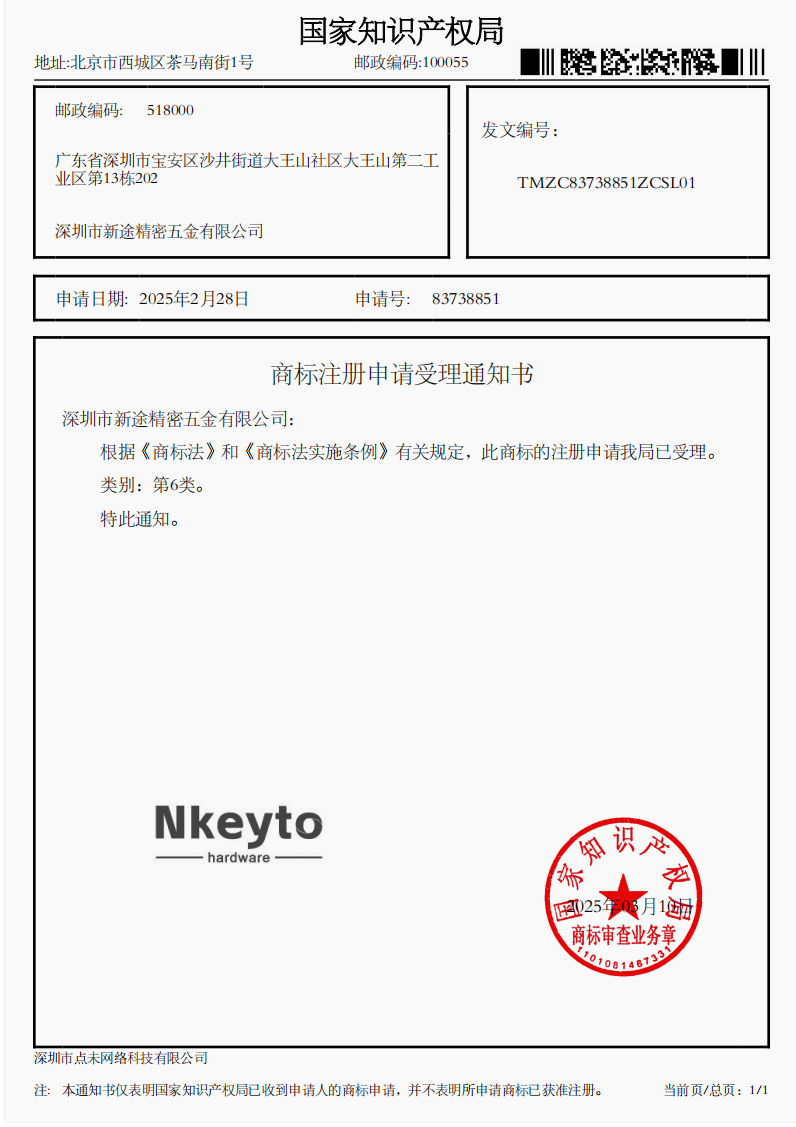
商标6类

9001
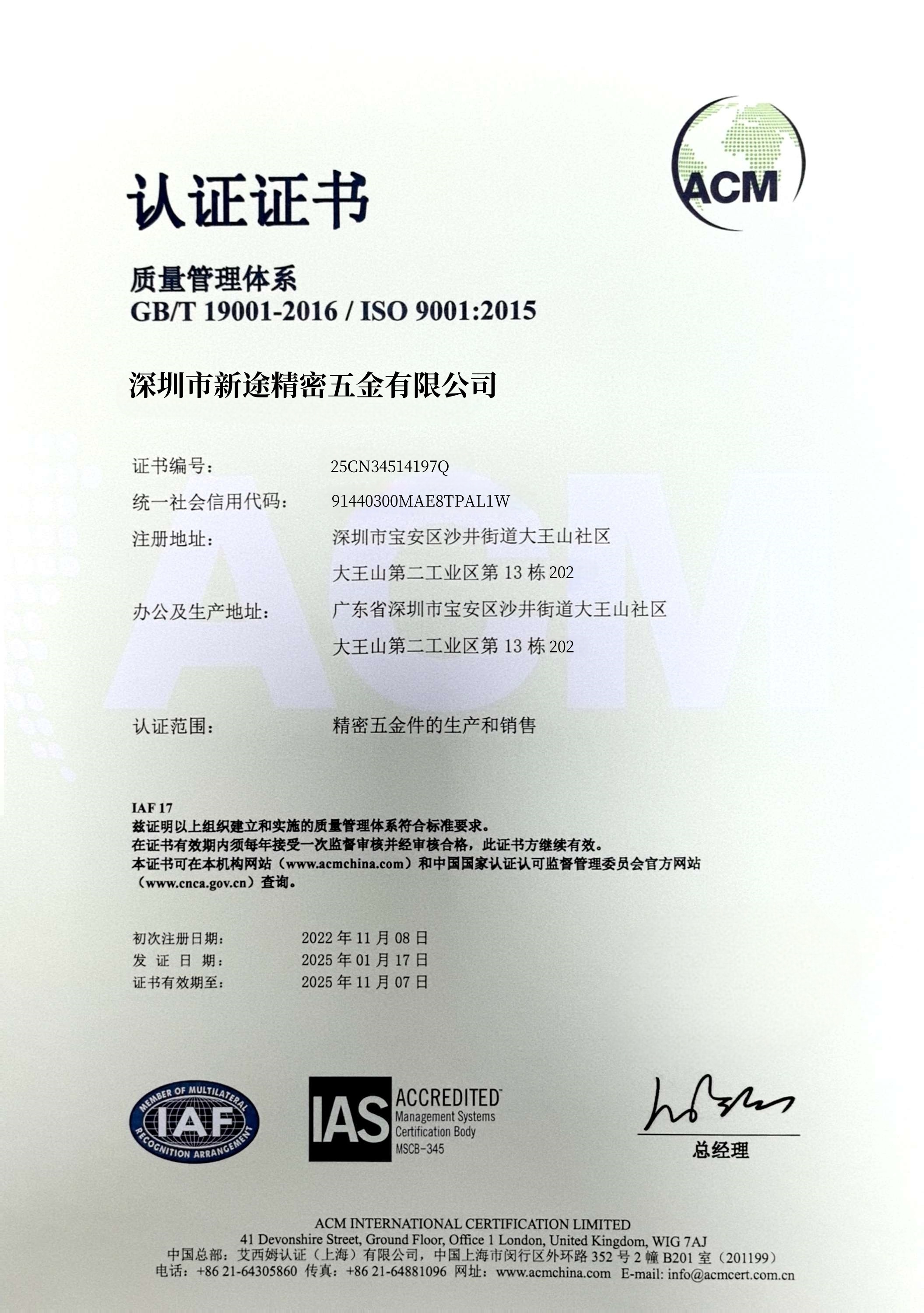
质量认证


Related Products

Shenzhen Nkeyto Precision Hardware Co., Ltd. is a factory specializing in precision hardware processing, committed to providing customers with high-quality products and services.We look forward to working with you.
Contact Us

E-mail: luna@nkeyto.com

Tel: +1 213-221-9094

Add: 13th Building, 202, Dawangshan Second Industrial Zone, Dawangshan Community, Shajing Street, Bao'an District, Shenzhen, Guangdong Province
Powered by: CEglobal
Copryright © 2025 Shenzhen Xintu Precision Hardware Co., Ltd.




Back To Top