



Metal Encoder Grating Sheet High Resolution Slot
Category:
Key Words:
Product parameters
Category | Item | Specification |
Basic Information | Product Name | Optical Grating Plate / Encoder Grating |
Process | Chemical Etching (Support Laser Cutting & CNC) | |
Type | Micro Slot / Fine Slit / Custom Pattern | |
Application | Optical Encoder / Measurement / Sensor | |
Material | Material Type | SUS304 / SUS316 / SUS301 Stainless Steel |
Optional Materials | Brass / Copper / Nickel / Aluminum | |
Thickness | 0.02mm – 1.0mm | |
Processing Capability | Minimum Slot Width | 0.01mm – 0.02mm (10–20μm) |
Minimum Line Spacing | 0.01mm – 0.02mm | |
Pitch Accuracy | ±0.003mm – ±0.005mm | |
Etching Accuracy | ±0.005mm | |
Flatness | ≤0.03mm (Depending on thickness) | |
Tolerance | General Tolerance | ±0.01mm |
Precision Area Tolerance | ±0.003mm – ±0.005mm | |
Hole Tolerance | ±0.01mm | |
Position Tolerance | ±0.01mm | |
Surface Treatment | Standard | Clean / No Treatment |
Optional Finish | Matte / Brushed | |
Coating | Black Coating (Anti-reflection) | |
Plating | Nickel Plating | |
Protection | Passivation / Anti-oxidation | |
Functional Features | Slot Quality | High Uniformity / Burr-free |
Performance | Stable Optical Signal Output | |
Precision | High Resolution Capability | |
Stability | Excellent Repeatability | |
Customization | Design | Slot Width / Pitch / Density Customizable |
Pattern | Linear / Circular / Array | |
Shape | Round / Square / Irregular | |
Service | OEM / ODM Supported | |
Quality Control | Inspection | 100% Visual Inspection |
Equipment | Optical Measurement / Microscope | |
Control | Dimensional & Tolerance Inspection | |
Process | Sample Approval Before Mass Production | |
Packaging | Standard | Protective Film + Vacuum Packing |
Protection | Anti-scratch Packaging | |
Custom | Customized Packaging Available |
Product Description
✅ Product Description
High resolution metal encoder grating sheet with fine slot design.
Provides accurate optical signal generation for precision systems.
Manufactured by etching for consistent slot spacing.
High durability and dimensional stability.
Suitable for demanding industrial environments.
✅ Applications
High-resolution optical encoders
Precision industrial control systems
Measurement and inspection equipment
Robotics and automation applications
Optical sensing technologies
Precision Gratings for Scientific Instruments & Metrology Systems
In the fields of metrology and advanced scientific research, the margin for error is non-existent. Whether calibrating a high-end microscope or operating a Coordinate Measuring Machine (CMM), the reliability of the measurement data depends entirely on the physical reference standards used. Precision optical gratings serve as these fundamental standards, translating physical movement into precise digital data.
At our factory, we understand that scientific instruments require more than just standard industrial components; they demand high-resolution slot accuracy, long-term stability, and absolute consistency. We specialize in manufacturing Metal Encoder Grating Sheets that meet the rigorous demands of laboratory equipment and metrology systems, providing the "ruler" by which precision is measured.
The Backbone of Metrology: Why Gratings Matter
Metrology is the science of measurement. In a CMM or a precision stage, the machine needs to know its exact position in space to within microns. This is achieved through linear encoder gratings.
Unlike standard industrial sensors, metrology applications often operate in controlled environments where thermal stability and material integrity are paramount. A Metal Encoder Grating Sheet is often preferred over glass alternatives in these settings due to its robustness and thermal compatibility with metal machine structures.
Key Requirements for Metrology Gratings:
- Dimensional Stability: The grating must not expand or contract with minor temperature fluctuations.
- Pitch Accuracy: Any error in the spacing of the lines translates directly to measurement error.
- Surface Quality: Imperfections can scatter light, reducing the signal-to-noise ratio of the measurement system.
Chemical Etching: The Ideal Process for High-Resolution Slots
To achieve the high-resolution slot geometries required for scientific instruments, we utilize precision chemical etching. This process is superior to mechanical punching or laser cutting for metrology components for several reasons:
1. Zero Mechanical Stress
Scientific instruments are often sensitive to micro-deformations. Mechanical punching induces stress into the metal, which can cause the grating to warp or "relax" over time, altering the pitch. Chemical etching is a "cold" process that leaves the material stress-free, ensuring the Metal Encoder Grating Sheet remains perfectly flat and stable for years.
2. Burr-Free Edges for Optical Clarity
In high-precision optical reading systems, the edge quality of the slot is critical. Burrs or rough edges diffract light, creating signal noise. Our etching process produces smooth, vertical walls, ensuring a clean optical transition and a high-fidelity signal.
3. Complex Patterns for Absolute Encoders
Modern metrology systems often use absolute encoding (where every position is unique) rather than incremental encoding. This requires complex, multi-track patterns. Chemical etching allows us to produce these intricate designs without the cost of hard tooling, making it ideal for custom laboratory setups.
Comparison: Metal vs. Glass in Metrology
While glass gratings have historically been used in high-end metrology, metal gratings are increasingly becoming the standard for robust industrial measurement.
Feature | Metal Grating (Etched) | Glass Grating |
|---|---|---|
Thermal Expansion | Matches steel machine structures | Different expansion rate (risk of stress) |
Durability | High (Impact resistant) | Fragile (Risk of shattering) |
Cleaning | Easy to clean/maintain | Sensitive to chemicals/handling |
Signal Quality | High (Reflective/Transmissive) | High (Transmissive only) |
For CMMs and industrial metrology systems, Metal Encoder Grating Sheets offer the distinct advantage of matching the thermal expansion coefficient of the machine itself, reducing temperature-induced measurement errors.
Applications in Scientific Research
Our components are currently utilized in a variety of sophisticated applications:
- Coordinate Measuring Machines (CMM): Providing linear feedback for X, Y, and Z axes.
- Spectroscopy: Acting as entrance slits to define light resolution in analytical instruments.
- Microscopy Stages: Enabling precise sample positioning for biological research.
- Interferometry: Serving as reference gratings for laser interference experiments.
Conclusion
In the world of scientific instruments, precision is not an option—it is a requirement. Our factory is dedicated to producing Precision Gratings that combine the durability of metal with the accuracy of optical-grade manufacturing. Whether you need a standard linear scale or a custom high-resolution slot pattern for a research project, we have the technology to deliver the accuracy you need.
Contact Us for Metrology Solutions
Require high-precision gratings for your measurement systems? Let's discuss your technical requirements.
Contact: Luna
WhatsApp: 12132219094
Questions and Answers
Frequently Asked Questions (FAQ)
Q1: Why should I choose a metal grating over a glass scale for my CMM?
A: Metal gratings, particularly those made from Stainless Steel or Invar, have a thermal expansion coefficient that is much closer to the steel structure of the CMM than glass is. This reduces measurement errors caused by temperature changes. Additionally, metal is far more durable and resistant to breakage.
Q2: What is the resolution limit of your metal gratings?
A: We can achieve high-resolution slots with pitches down to 0.1mm and tighter tolerances. This allows for very fine interpolation, suitable for high-precision metrology applications.
Q3: Can you manufacture gratings with Invar or low-expansion alloys?
A: Yes. For ultra-high-precision metrology where thermal stability is critical, we can process low-expansion alloys like Invar to ensure the grating length remains constant regardless of ambient temperature.
Q4: How do you ensure the accuracy of the pitch over long lengths?
A: We use digital photoplotting technology which eliminates the cumulative errors associated with mechanical ruling. This ensures that the pitch remains consistent from one end of the Metal Encoder Grating Sheet to the other.
Q5: Do you offer custom mounting features?
A: Yes. We can etch mounting holes, fiducial markers, and specific edge geometries directly into the grating sheet, simplifying the assembly process for your scientific instruments.
Factory Description
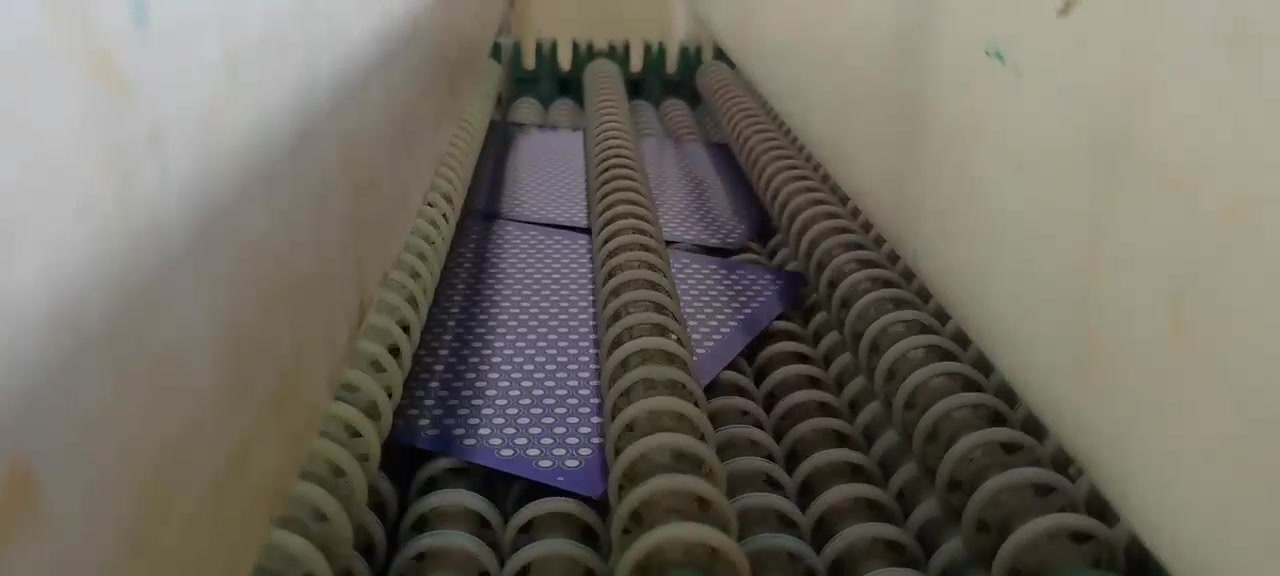
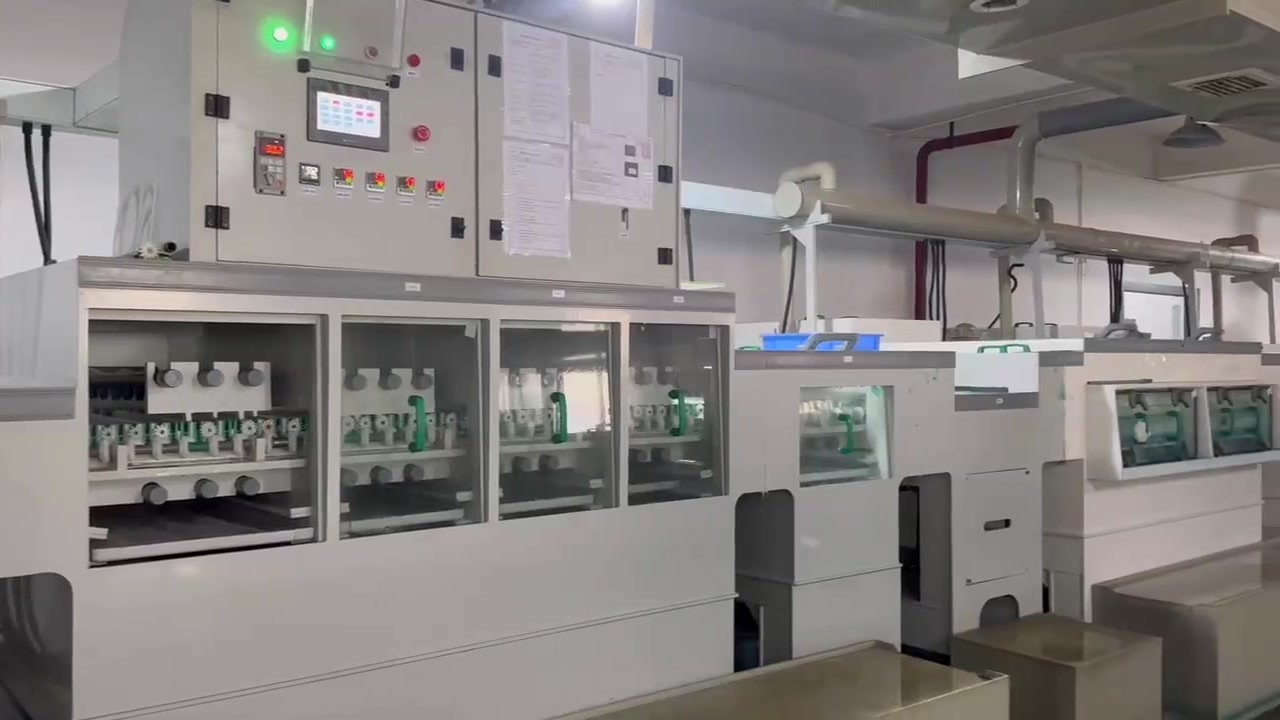
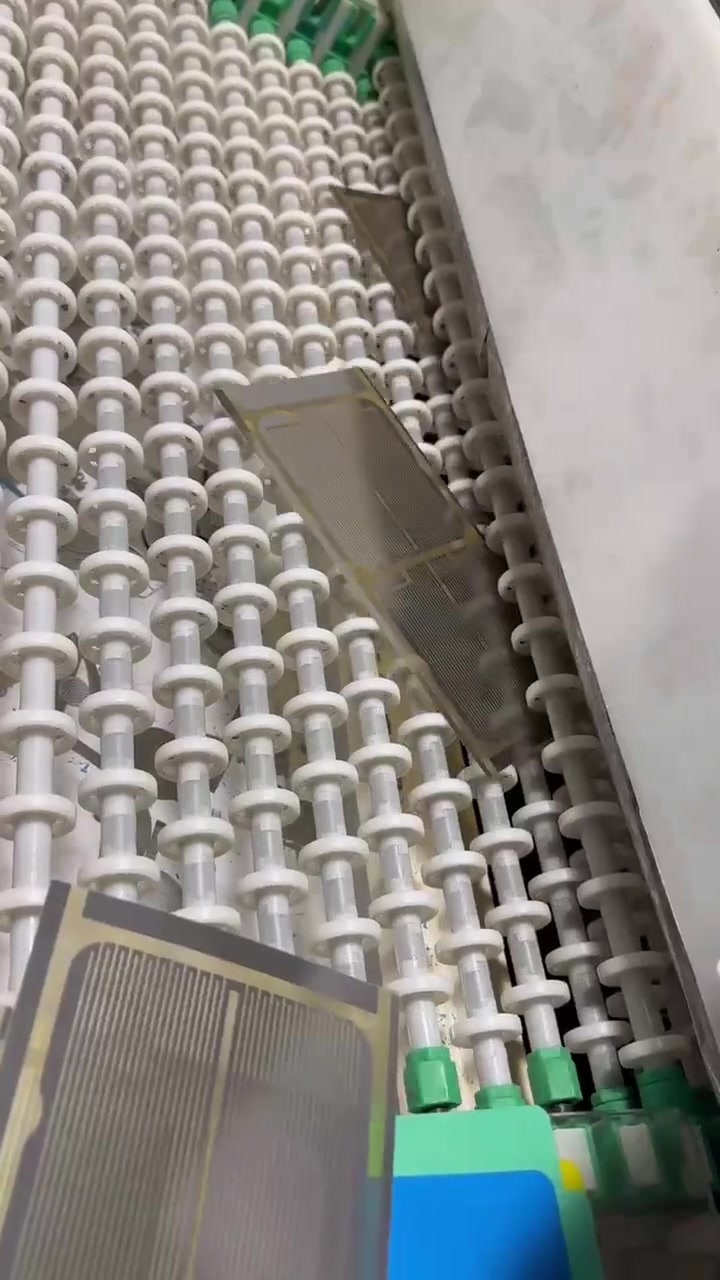
We have a full set of etching production equipment and mature processing technology. We can manufacture products in any shape with mesh sizes as small as 0.1mm, according to your requirements.

Our Advantage
Factory Direct Shipping
Our products undergo 100% QC checks before shipment, and we ensure compliance with international standards. If you require specific certifications for your target market, just let us know, and we'll meet those requirements.
Experienced Design and Manufacturing Team
We work closely with customers from the design phase to help avoid potential product flaws, ensuring both the functionality and design meet expectations.
Excellent Supply Chain Management
We can quickly adjust production schedules to meet your urgent deadlines, whether it's for large bulk orders or smaller rush orders.
OEM & ODM Support
We offer the option to print your logo or other customizations.
Strict Quality Control
Our products undergo 100% QC checks before shipment, and we ensure compliance with international standards. If you require specific certifications for your target market, just let us know, and we'll meet those requirements.
Certificate

商标6类

9001
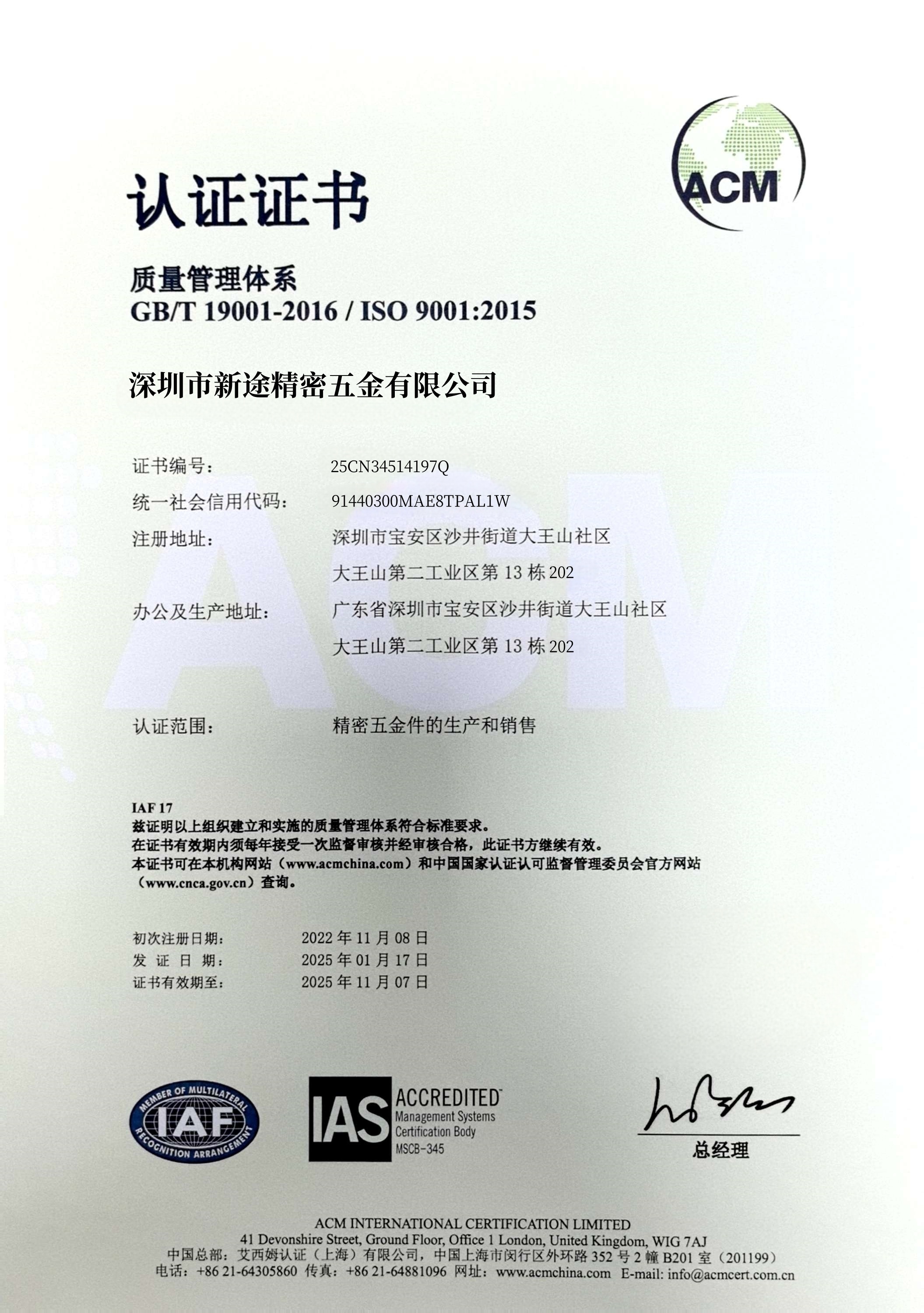
质量认证


Related Products

Shenzhen Nkeyto Precision Hardware Co., Ltd. is a factory specializing in precision hardware processing, committed to providing customers with high-quality products and services.We look forward to working with you.
Contact Us

E-mail: luna@nkeyto.com

Tel: +1 213-221-9094

Add: 13th Building, 202, Dawangshan Second Industrial Zone, Dawangshan Community, Shajing Street, Bao'an District, Shenzhen, Guangdong Province
Powered by: CEglobal
Copryright © 2025 Shenzhen Xintu Precision Hardware Co., Ltd.




Back To Top