



Micro Slit Etched Metal Plate Custom Grating
Category:
Key Words:
Product parameters
Category | Item | Specification |
Basic Information | Product Name | Optical Grating Plate / Encoder Grating |
Process | Chemical Etching (Support Laser Cutting & CNC) | |
Type | Micro Slot / Fine Slit / Custom Pattern | |
Application | Optical Encoder / Measurement / Sensor | |
Material | Material Type | SUS304 / SUS316 / SUS301 Stainless Steel |
Optional Materials | Brass / Copper / Nickel / Aluminum | |
Thickness | 0.02mm – 1.0mm | |
Processing Capability | Minimum Slot Width | 0.01mm – 0.02mm (10–20μm) |
Minimum Line Spacing | 0.01mm – 0.02mm | |
Pitch Accuracy | ±0.003mm – ±0.005mm | |
Etching Accuracy | ±0.005mm | |
Flatness | ≤0.03mm (Depending on thickness) | |
Tolerance | General Tolerance | ±0.01mm |
Precision Area Tolerance | ±0.003mm – ±0.005mm | |
Hole Tolerance | ±0.01mm | |
Position Tolerance | ±0.01mm | |
Surface Treatment | Standard | Clean / No Treatment |
Optional Finish | Matte / Brushed | |
Coating | Black Coating (Anti-reflection) | |
Plating | Nickel Plating | |
Protection | Passivation / Anti-oxidation | |
Functional Features | Slot Quality | High Uniformity / Burr-free |
Performance | Stable Optical Signal Output | |
Precision | High Resolution Capability | |
Stability | Excellent Repeatability | |
Customization | Design | Slot Width / Pitch / Density Customizable |
Pattern | Linear / Circular / Array | |
Shape | Round / Square / Irregular | |
Service | OEM / ODM Supported | |
Quality Control | Inspection | 100% Visual Inspection |
Equipment | Optical Measurement / Microscope | |
Control | Dimensional & Tolerance Inspection | |
Process | Sample Approval Before Mass Production | |
Packaging | Standard | Protective Film + Vacuum Packing |
Protection | Anti-scratch Packaging | |
Custom | Customized Packaging Available |
Product Description
✅ Product Description
Custom micro slit grating plate produced by chemical etching.
Designed for applications requiring fine slit accuracy.
Provides stable and repeatable optical signal performance.
Flexible design for various slit patterns and layouts.
Suitable for OEM and customized engineering projects.
✅ Applications
Custom optical encoder components
Precision sensing and detection systems
Industrial automation and control equipment
Optical instruments and devices
Engineering and research applications
How Material Thickness Affects Optical Grating Performance
When designing a Micro Slit Etched Metal Plate, engineers often focus heavily on the pitch and slot width. However, there is a third, equally critical dimension that dictates the success of the component: material thickness.
The thickness of the grating substrate is not just a structural choice; it is an optical one. It influences light transmission, signal resolution, and even the manufacturing method used to create the part. At our factory, we work with thicknesses ranging from ultra-thin 0.05mm foils to robust 0.5mm+ plates. Understanding the trade-offs between these options is essential for optimizing your custom grating.
The Physics of Thickness: Resolution vs. Durability
The relationship between material thickness and optical performance is often a balancing act.
Thin Materials (0.05mm – 0.1mm)
- Optical Advantage: Thin materials allow for a "sharper" light transition. Because the wall of the metal slot is thin, light is less likely to graze the edge (diffraction) as it passes through. This results in a higher signal-to-noise ratio.
- Manufacturing Advantage: In chemical etching, thinner materials allow for higher precision. We can achieve tighter pitches and smaller slot widths because the etching chemicals can penetrate the gaps more easily.
- Trade-off: These materials are delicate. They require careful handling and often need to be framed or sandwiched for support.
Thick Materials (0.3mm – 0.5mm+)
- Structural Advantage: A thicker Micro Slit Etched Metal Plate provides rigidity. It can withstand higher mechanical stress, making it suitable for industrial environments where vibration or impact is a concern.
- Trade-off: As thickness increases, the "aspect ratio" (depth vs. width of the slot) increases. If the slot is very narrow and the material is very thick, light can bounce off the inner walls of the slot (tunneling effect), potentially reducing contrast.
The "Aspect Ratio" Rule in Etching
When manufacturing a custom grating, we often refer to the aspect ratio. This is the ratio of the material thickness to the width of the smallest feature (the slot).
The Challenge:
If you have a 0.5mm thick plate and want a 0.1mm slot, the etching chemicals have a long way to travel down to dissolve the metal. This can lead to "bridging" (where the metal isn't fully etched through) or "undercutting" (where the etching spreads sideways, making the slot wider at the center than at the surface).
Our Solution:
Chemical etching is uniquely suited to handle high aspect ratios better than laser cutting or punching. However, for the best results on a Micro Slit Etched Metal Plate, we generally recommend that the slot width be at least equal to the material thickness. If your design requires deep slots in thick material, we utilize specialized double-sided etching techniques to ensure vertical, clean walls.
Impact on Installation and Assembly
The thickness of your grating also dictates how you mount it within your device.
- Self-Supporting Designs: Thicker plates (0.3mm+) can often be mounted using simple screws or clips without additional support frames. They act as their own structural element.
- Framed Designs: Ultra-thin gratings (0.05mm) usually cannot be mounted directly. We often etch "tabs" or "frames" around the perimeter of the part to allow for handling and installation. Alternatively, we can laminate thin gratings onto rigid carriers.
Comparison: Thickness Selection Guide
To help you select the right thickness for your application, we have compared common specifications:
Thickness Range | Ultra-Thin (0.05mm - 0.1mm) | Medium (0.15mm - 0.3mm) | Thick (0.5mm - 1.0mm) |
|---|---|---|---|
Primary Use | High-precision optics, Sensors | General Encoders, Industrial | Heavy-duty Machinery, Apertures |
Light Transition | Sharp, Minimal Diffraction | Balanced | Potential for Edge Scattering |
Durability | Fragile (Requires Support) | Moderate | High (Rugged) |
Min. Slot Width | ~0.05mm (Very Fine) | ~0.15mm (Fine) | ~0.5mm (Standard) |
Conclusion
Selecting the correct thickness for your Micro Slit Etched Metal Plate is a strategic decision. While thinner materials offer superior optical precision and allow for finer details, thicker materials provide the ruggedness required for harsh industrial environments.
At our factory, we understand the nuances of etching across different gauges. Whether you need a delicate 0.05mm mesh for a scientific instrument or a robust 0.5mm aperture for a heavy-duty encoder, our chemical etching process ensures burr-free, high-precision results tailored to your specific optical requirements.
Contact Us for Technical Support
Unsure about the right thickness for your project? Our engineers are here to help.
Contact: Luna
WhatsApp: 12132219094
Questions and Answers
Frequently Asked Questions (FAQ)
Q1: What is the thinnest material you can etch?
A: We can process materials as thin as 0.03mm. However, for standard custom grating production, 0.05mm is the most common "ultra-thin" specification we handle.
Q2: Can I get a fine slot width on a thick plate?
A: It is possible, but there are limits. Generally, the slot width should be equal to or greater than the material thickness to ensure clean etching. If you need a 0.1mm slot on a 0.5mm plate, we would need to review the design for manufacturability.
Q3: Does thickness affect the optical signal?
A: Yes. Thicker materials can cause light to scatter if it hits the side walls of the slot. For the cleanest signal, thinner materials are preferred as they minimize this "tunneling" effect.
Q4: How do I mount a very thin grating (0.05mm)?
A: Thin gratings are fragile. We recommend designing a "support frame" that is etched as part of the component, or laminating the grating onto a rigid glass or metal carrier for stability.
Q5: Can you etch stepped thicknesses?
A: Yes. Using half-etching, we can create parts that are thick and rigid at the mounting points but thin in the optical area to improve light transmission.
Factory Description
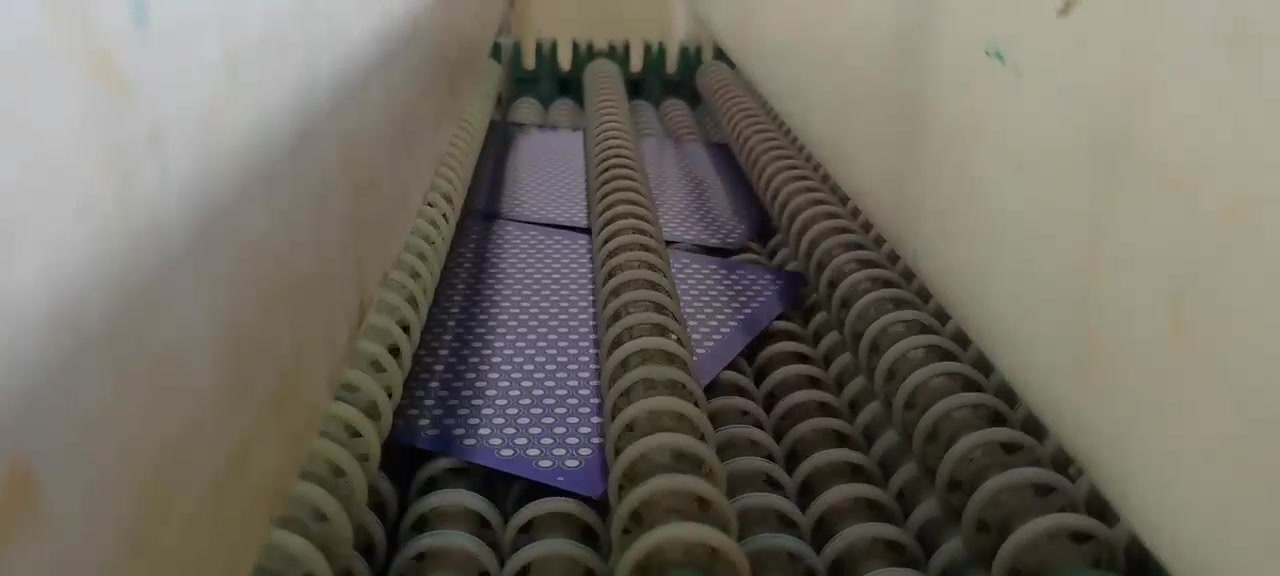
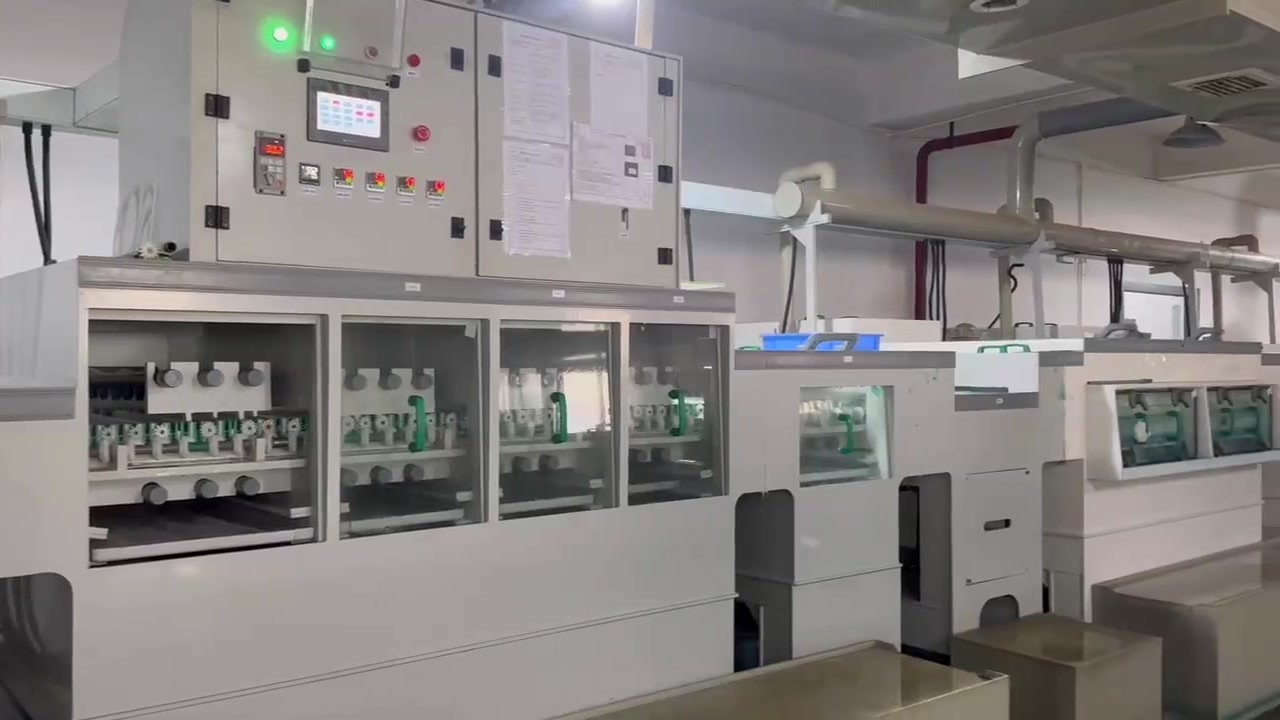
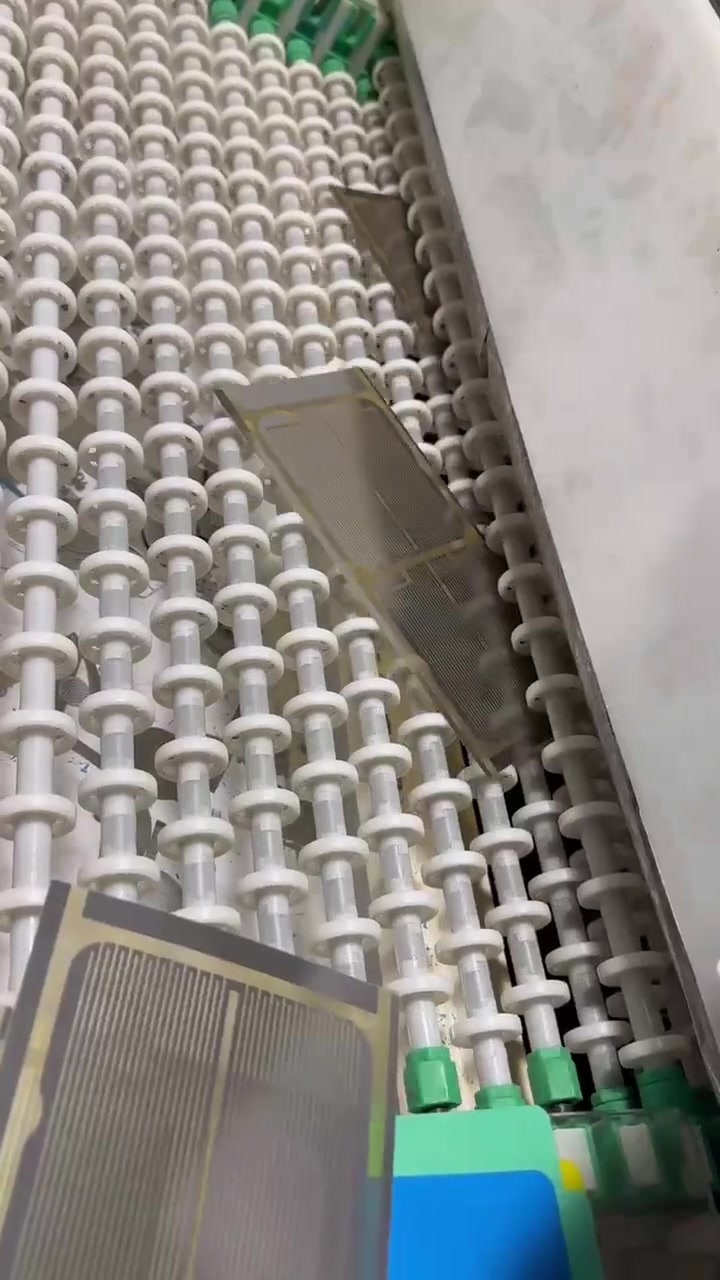
We have a full set of etching production equipment and mature processing technology. We can manufacture products in any shape with mesh sizes as small as 0.1mm, according to your requirements.

Our Advantage
Factory Direct Shipping
Our products undergo 100% QC checks before shipment, and we ensure compliance with international standards. If you require specific certifications for your target market, just let us know, and we'll meet those requirements.
Experienced Design and Manufacturing Team
We work closely with customers from the design phase to help avoid potential product flaws, ensuring both the functionality and design meet expectations.
Excellent Supply Chain Management
We can quickly adjust production schedules to meet your urgent deadlines, whether it's for large bulk orders or smaller rush orders.
OEM & ODM Support
We offer the option to print your logo or other customizations.
Strict Quality Control
Our products undergo 100% QC checks before shipment, and we ensure compliance with international standards. If you require specific certifications for your target market, just let us know, and we'll meet those requirements.
Certificate
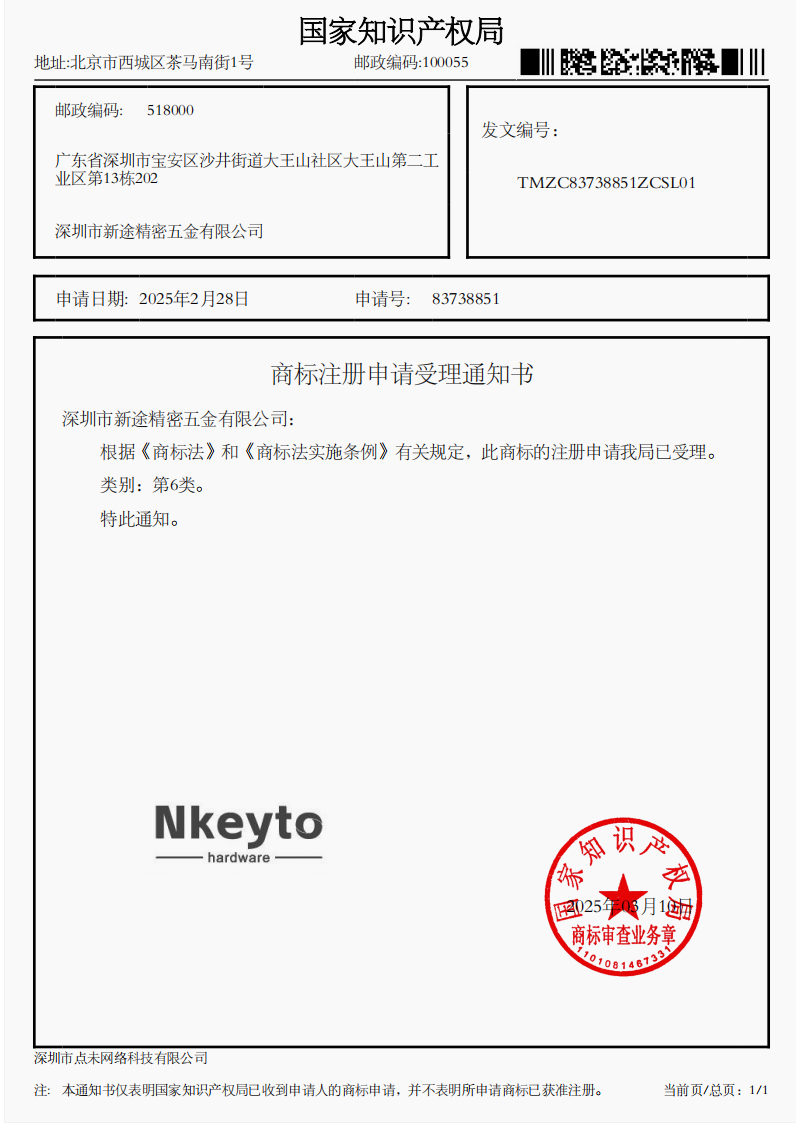
商标6类

9001
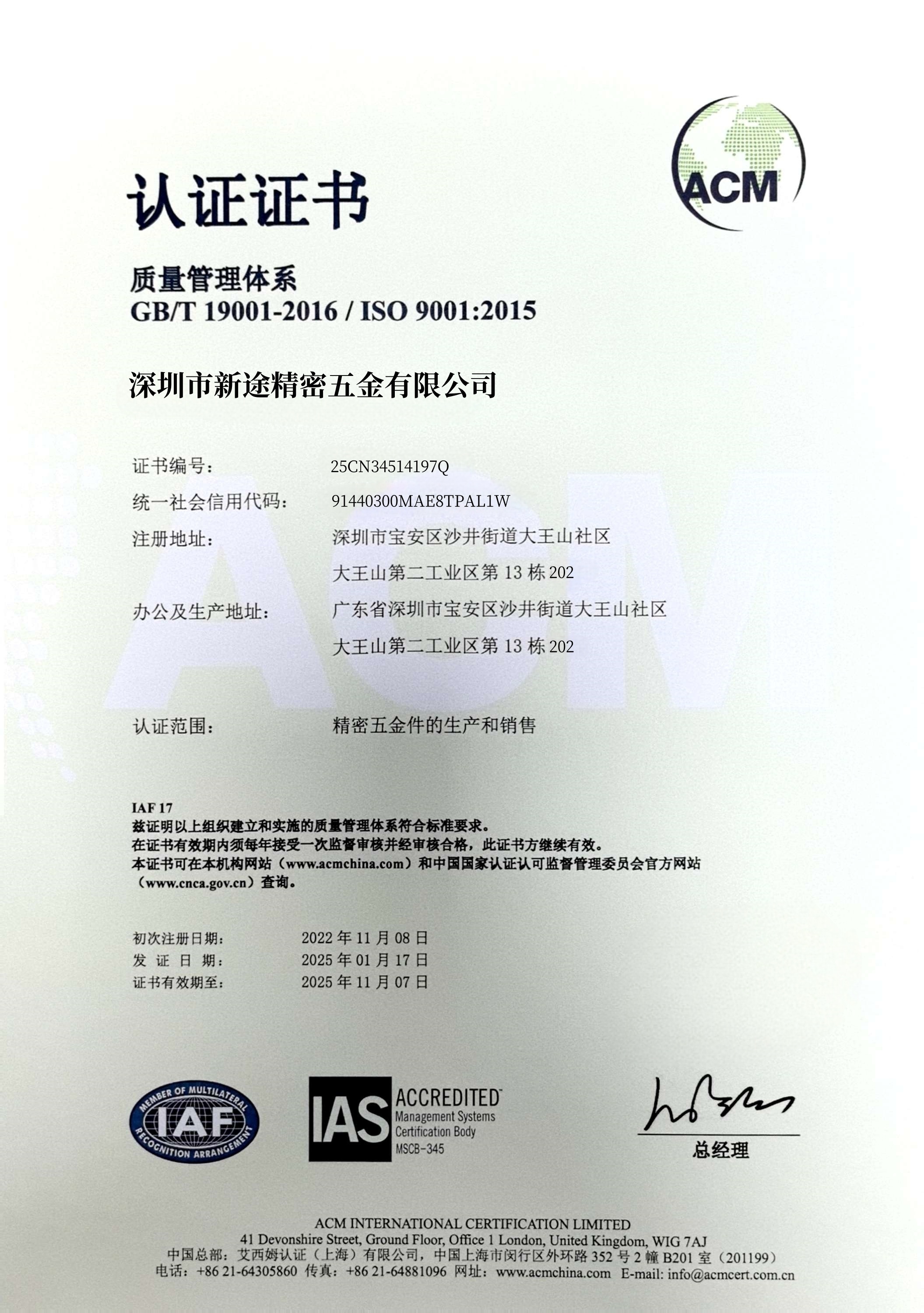
质量认证


Related Products

Shenzhen Nkeyto Precision Hardware Co., Ltd. is a factory specializing in precision hardware processing, committed to providing customers with high-quality products and services.We look forward to working with you.
Contact Us

E-mail: luna@nkeyto.com

Tel: +1 213-221-9094

Add: 13th Building, 202, Dawangshan Second Industrial Zone, Dawangshan Community, Shajing Street, Bao'an District, Shenzhen, Guangdong Province
Powered by: CEglobal
Copryright © 2025 Shenzhen Xintu Precision Hardware Co., Ltd.




Back To Top