



Micro Slot Metal Plate Precision Etched Grating
Category:
Key Words:
Product parameters
Category | Item | Specification |
Basic Information | Product Name | Optical Grating Plate / Encoder Grating |
Process | Chemical Etching (Support Laser Cutting & CNC) | |
Type | Micro Slot / Fine Slit / Custom Pattern | |
Application | Optical Encoder / Measurement / Sensor | |
Material | Material Type | SUS304 / SUS316 / SUS301 Stainless Steel |
Optional Materials | Brass / Copper / Nickel / Aluminum | |
Thickness | 0.02mm – 1.0mm | |
Processing Capability | Minimum Slot Width | 0.01mm – 0.02mm (10–20μm) |
Minimum Line Spacing | 0.01mm – 0.02mm | |
Pitch Accuracy | ±0.003mm – ±0.005mm | |
Etching Accuracy | ±0.005mm | |
Flatness | ≤0.03mm (Depending on thickness) | |
Tolerance | General Tolerance | ±0.01mm |
Precision Area Tolerance | ±0.003mm – ±0.005mm | |
Hole Tolerance | ±0.01mm | |
Position Tolerance | ±0.01mm | |
Surface Treatment | Standard | Clean / No Treatment |
Optional Finish | Matte / Brushed | |
Coating | Black Coating (Anti-reflection) | |
Plating | Nickel Plating | |
Protection | Passivation / Anti-oxidation | |
Functional Features | Slot Quality | High Uniformity / Burr-free |
Performance | Stable Optical Signal Output | |
Precision | High Resolution Capability | |
Stability | Excellent Repeatability | |
Customization | Design | Slot Width / Pitch / Density Customizable |
Pattern | Linear / Circular / Array | |
Shape | Round / Square / Irregular | |
Service | OEM / ODM Supported | |
Quality Control | Inspection | 100% Visual Inspection |
Equipment | Optical Measurement / Microscope | |
Control | Dimensional & Tolerance Inspection | |
Process | Sample Approval Before Mass Production | |
Packaging | Standard | Protective Film + Vacuum Packing |
Protection | Anti-scratch Packaging | |
Custom | Customized Packaging Available |
Product Description
✅ Product Description
Micro slot metal grating plate manufactured by precision etching process.
Designed with ultra-fine slot structure for high accuracy applications.
Ensures uniform spacing and stable optical signal output.
Burr-free edges and excellent dimensional consistency.
Custom slot size, pitch, and layout available for different requirements.
✅ Applications
Optical encoder systems requiring micro slot precision
High-resolution displacement measurement devices
Laser and optical sensing systems
Precision industrial automation equipment
Scientific and analytical instruments
Common Design Mistakes in Optical Grating Manufacturing
Designing precision optical components requires a delicate balance between theoretical performance and manufacturing reality. As engineers push the limits of resolution, the margin for error shrinks. In our experience manufacturing Micro Slot Metal Plates and high-precision gratings, we often see projects delayed or compromised due to avoidable design oversights.
Understanding the limitations of the manufacturing process—specifically chemical etching—is crucial for achieving a high-yield, high-performance product. Here are five common design mistakes we encounter and how you can optimize your designs for superior results.
Mistake #1: Ignoring the "Bridging" Risk in Fine Pitch Designs
One of the most frequent issues in grating design is "bridging." This occurs when the spacing between two features (lines or slots) is too small relative to the material thickness.
The Problem:
If the gap is too narrow, the etching chemicals cannot penetrate effectively to remove the metal. Alternatively, during the cleaning or drying phase, surface tension can cause loose metal particles or polymers to redeposit in the gap, creating a physical connection (a bridge) where there should be open space. In an optical encoder, this results in signal dropouts or complete failure.
The Fix:
Adhere to the "1:1 Rule" or better. As a general guideline for a Micro Slot Metal Plate, the width of the open slot should generally be equal to or greater than the material thickness to ensure clean etching. If your design requires extremely fine pitches, consider using thinner materials or specialized etching techniques to prevent bridging.
Mistake #2: Overlooking the Half-Etch (Step-Etch) Capability
Designers often treat metal gratings as simple "through-cut" parts—either the light passes through, or it doesn't. However, this ignores the unique capability of chemical etching to create half-etches or "steps."
The Problem:
By designing a part with only full cuts, you miss the opportunity to integrate mounting features, fiducial markers, or optical density filters directly into the component. This leads to complex assemblies with multiple parts that could have been a single, integrated piece.
The Fix:
Utilize half-etching. We can etch partway through the material to create recessed areas. This is perfect for creating reference marks that are visible but do not pass light, or for thinning specific areas of a mounting flange to reduce weight without compromising the rigidity of the grating area.
Mistake #3: Neglecting Material Grain Direction
Metal is not an isotropic substance; it has a grain structure resulting from the rolling process. Ignoring this can lead to warping.
The Problem:
If a long, narrow precision etched grating is designed with the grain running across the width rather than along the length, it is more susceptible to bowing or twisting after the stress-relief of etching. In high-precision linear scales, even slight warping can throw off the optical focus.
The Fix:
Specify grain direction in your drawings. For long linear scales, the grain should typically run parallel to the length of the part. If flatness is critical, we also recommend stress-relieving the raw material before etching to minimize movement.
Mistake #4: Improper Tolerance Stacking
Chemical etching is a highly accurate process, capable of holding tolerances around ±10% of the material thickness. However, problems arise when designers apply "machining logic" to etching.
The Problem:
Requesting tight position tolerances (e.g., ±0.02mm) from a mechanical edge that is intended to be a "break-away" or rough edge. Or, conversely, assuming that the cumulative pitch error over a long distance will be zero without specifying a datum.
The Fix:
Define your datums clearly. For a Micro Slot Metal Plate, identify which features are critical for optical alignment and apply tight tolerances only there. For non-critical mounting edges, allow for standard etching tolerances. This focuses our manufacturing efforts on what truly matters for your application.
Mistake #5: Designing for Mechanical Punching instead of Etching
Perhaps the most common mistake is designing a part that is simply too complex for mechanical tooling but is drawn with sharp internal corners and heavy webs, which are characteristic of stamping designs.
The Problem:
Mechanical punching requires "land" areas to support the tool, leading to stress and burrs. If a design has dense patterns with sharp corners, it is likely a candidate for etching, but if drawn with stamping constraints, it limits the potential of the etching process.
The Fix:
Embrace the freedom of digital tooling. Chemical etching does not exert mechanical force, meaning you can have sharp corners, complex curves, and varying slot widths in the same part without tool wear. We encourage designers to optimize their precision etched grating layouts for optical performance, letting our digital photoplots handle the complexity.
Comparison: Design Approaches
Design Feature | Stamping/Machining Mindset | Etching-Optimized Mindset |
|---|---|---|
Slot Width | Wide gaps to accommodate tool strength. | Narrow, high-density slots (Micro Slot). |
Corners | Radiused corners to prevent tool breakage. | Sharp, 90-degree corners for optical precision. |
Features | Separate parts for mounting and optics. | Integrated half-etches for mounting and optics. |
Stress | High stress, risk of warping. | Stress-free, excellent flatness. |
Conclusion
Avoiding these common pitfalls ensures that your optical components are not only manufacturable but also perform at their peak. At our factory, we view ourselves as partners in your design process. By understanding the nuances of Micro Slot Metal Plate manufacturing—such as bridging, grain direction, and tolerance stacking—we can help you refine your designs for the highest quality and efficiency.
Contact Us for Design Support
Have a complex grating design? Let us help you optimize it for manufacturing.
Contact: Luna
WhatsApp: 12132219094
Questions and Answers
Frequently Asked Questions (FAQ)
Q1: What is the minimum slot width you can etch without bridging?
A: Generally, the minimum slot width should be equal to the material thickness to ensure clean etching and prevent bridging. For example, in 0.1mm thick steel, a 0.1mm slot is achievable. We can often go smaller with specialized processes, but this is the safe design rule.
Q2: Can you etch sharp internal corners?
A: Yes. Unlike mechanical punching which requires radii, chemical etching can produce sharp, 90-degree internal corners. This is ideal for maximizing the active area of a precision etched grating.
Q3: How do I prevent my long grating from warping?
A: We recommend specifying the grain direction on your drawing (parallel to the length) and utilizing our stress-relief services prior to etching. Additionally, designing symmetrical patterns helps maintain flatness.
Q4: What is a half-etch used for?
A: A half-etch (or step etch) creates a recessed area without cutting all the way through. It is commonly used for creating non-transparent fiducial marks, strengthening ribs, or mounting features on a Micro Slot Metal Plate.
Q5: Do you help with design optimization?
A: Absolutely. We offer free Design for Manufacturing (DFM) feedback. If we see a potential risk for bridging or tolerance stacking in your file, we will contact you with suggestions to optimize the part before production begins.
Factory Description
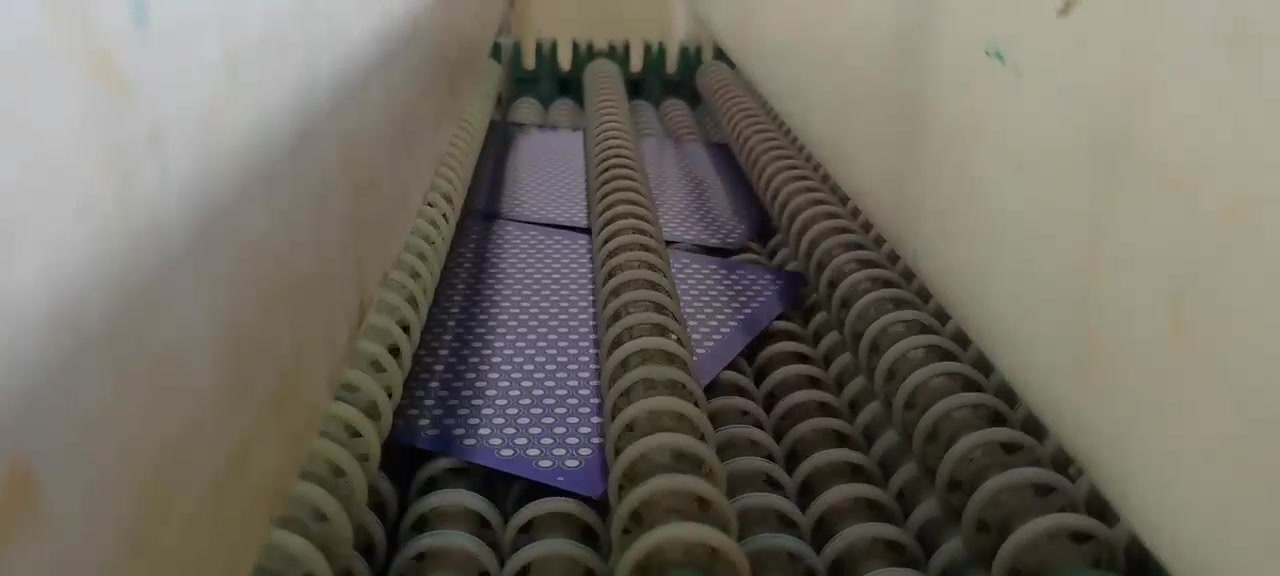
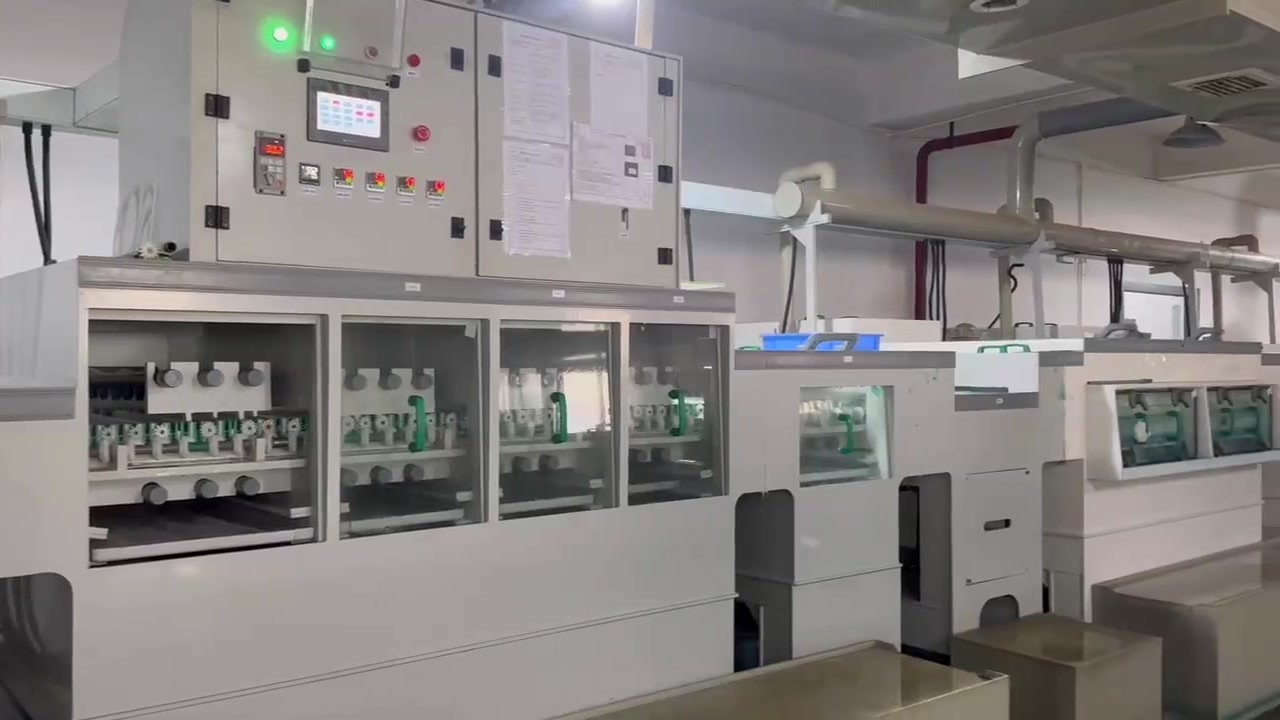
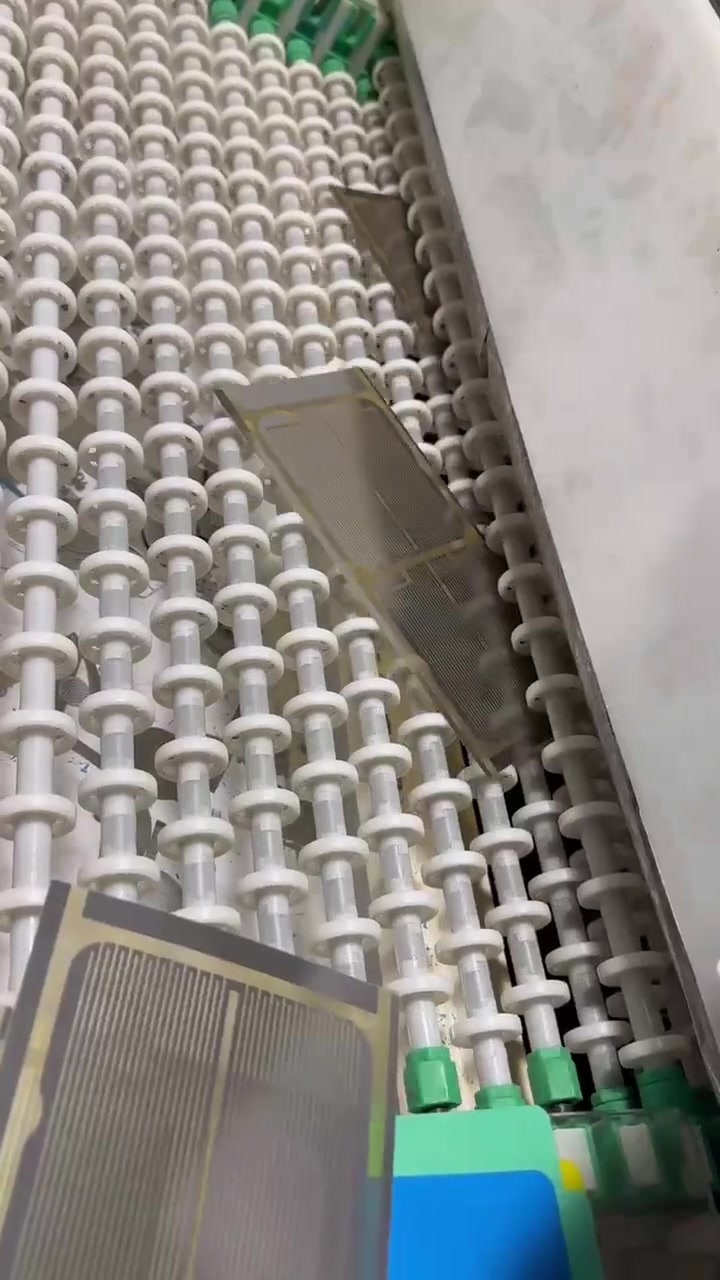
We have a full set of etching production equipment and mature processing technology. We can manufacture products in any shape with mesh sizes as small as 0.1mm, according to your requirements.

Our Advantage
Factory Direct Shipping
Our products undergo 100% QC checks before shipment, and we ensure compliance with international standards. If you require specific certifications for your target market, just let us know, and we'll meet those requirements.
Experienced Design and Manufacturing Team
We work closely with customers from the design phase to help avoid potential product flaws, ensuring both the functionality and design meet expectations.
Excellent Supply Chain Management
We can quickly adjust production schedules to meet your urgent deadlines, whether it's for large bulk orders or smaller rush orders.
OEM & ODM Support
We offer the option to print your logo or other customizations.
Strict Quality Control
Our products undergo 100% QC checks before shipment, and we ensure compliance with international standards. If you require specific certifications for your target market, just let us know, and we'll meet those requirements.
Certificate
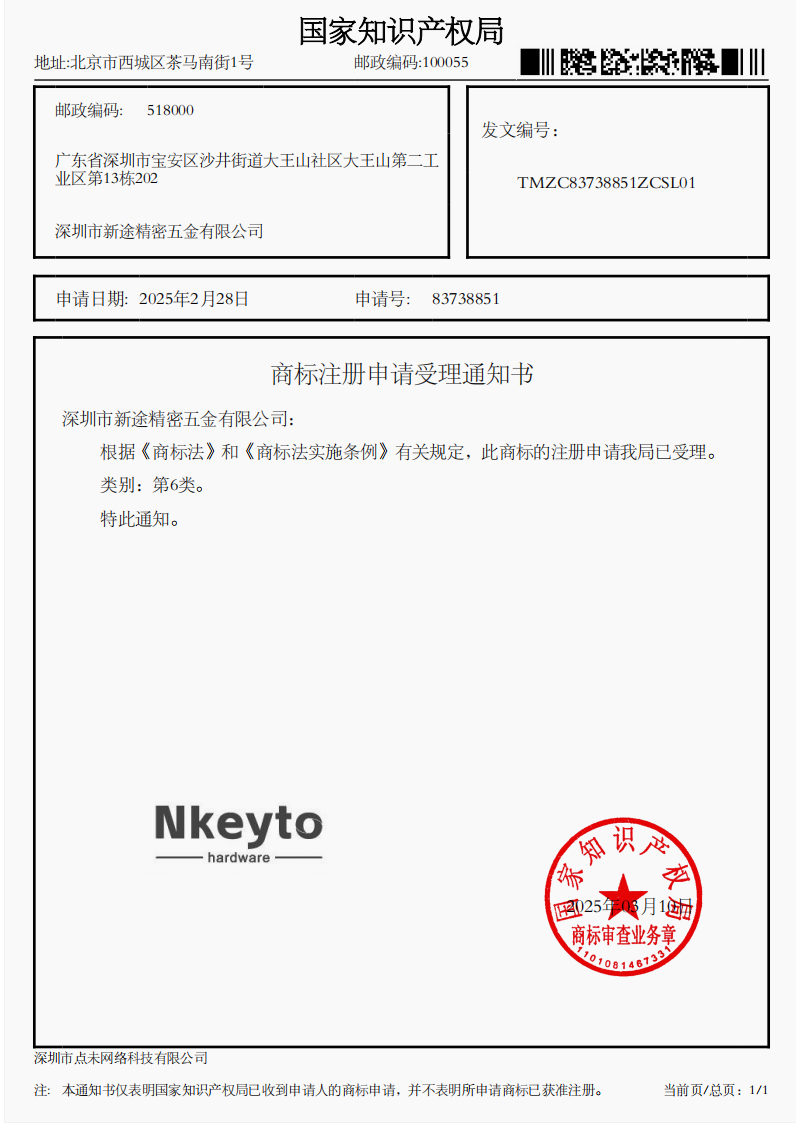
商标6类

9001
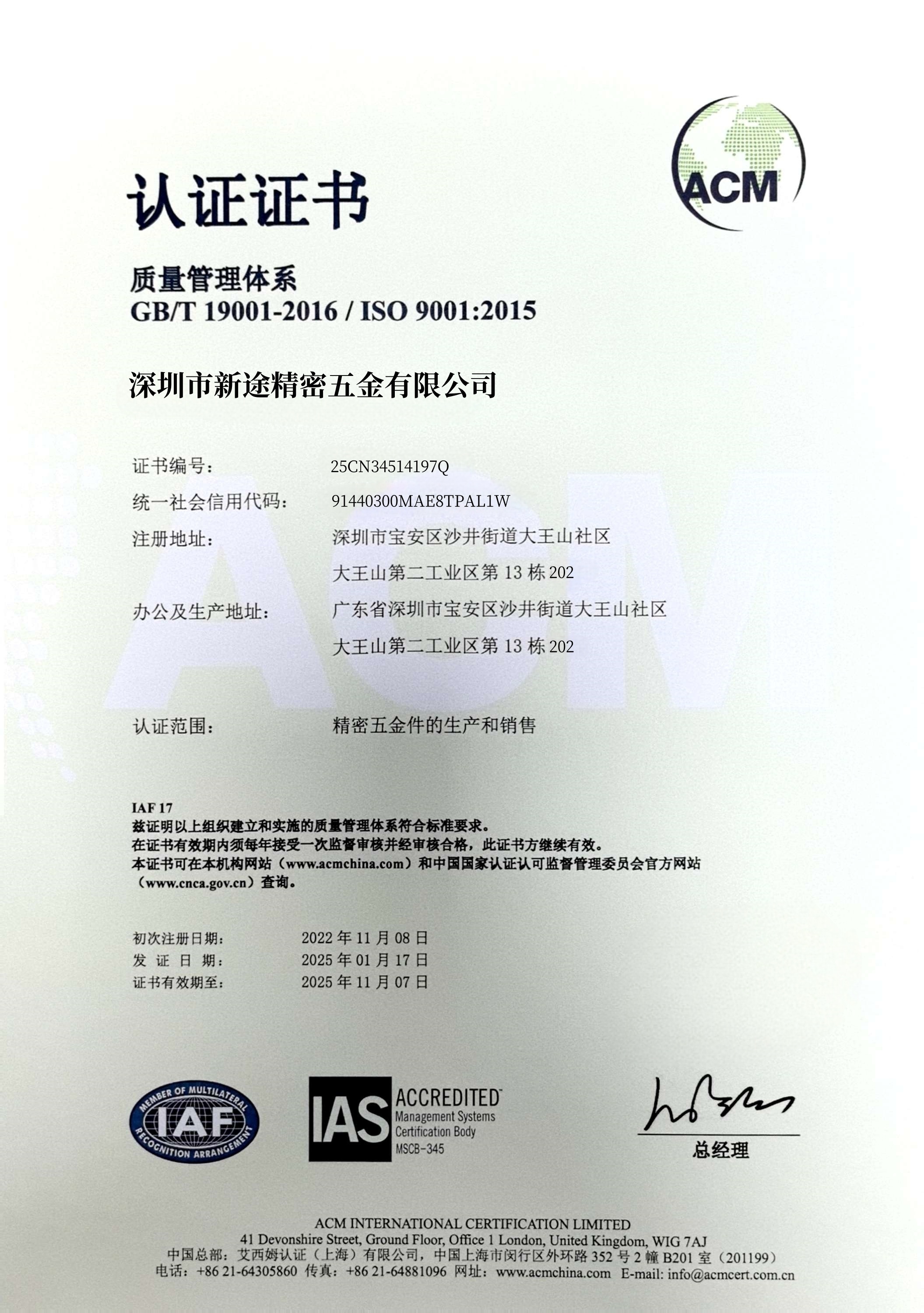
质量认证


Related Products

Shenzhen Nkeyto Precision Hardware Co., Ltd. is a factory specializing in precision hardware processing, committed to providing customers with high-quality products and services.We look forward to working with you.
Contact Us

E-mail: luna@nkeyto.com

Tel: +1 213-221-9094

Add: 13th Building, 202, Dawangshan Second Industrial Zone, Dawangshan Community, Shajing Street, Bao'an District, Shenzhen, Guangdong Province
Powered by: CEglobal
Copryright © 2025 Shenzhen Xintu Precision Hardware Co., Ltd.




Back To Top