



Miniature Contact Spring for Autofocus Camera Module
Category:
Key Words:
Product parameters
Item | Description |
Material | Stainless Steel / Phosphor Bronze / Copper Alloy |
Process | Precision Stamping + Bending |
Surface Treatment | Nickel Plating / Gold Plating / Tin Plating |
Thickness | 0.05mm – 0.5mm (Customizable) |
Tolerance | ±0.01mm |
Elastic Performance | High Spring Force & Fatigue Resistance |
Conductivity | Excellent Electrical Conductivity |
Application | Electrical Connectors / Terminals |
OEM/ODM | Available |
Certification | RoHS / ISO (if applicable) |
Product Description
This miniature spring is designed for autofocus camera modules, enabling accurate movement and reliable contact in compact optical systems. It offers excellent fatigue resistance and precision, making it suitable for advanced camera technologies.
Chemical Etching vs. Stamping: Why Choose Etching for Complex Springs?
When designing precision components like Miniature Contact Springs for autofocus camera modules, the choice of manufacturing process is just as critical as the design itself. While traditional metal stamping is suitable for simple, high-volume parts, it hits a wall when dealing with micro-precision. Chemical Etching (also known as Photo Etching) has emerged as the superior solution for complex, ultra-thin, and stress-free metal springs. At NKEYTO, we leverage this advanced technology to deliver components that stamping simply cannot achieve.
The Problem with Stamping: Stress and Burrs
Metal stamping works by physically forcing a tool into the material to cut or shape it. While fast, this mechanical force creates two major issues for precision springs:
- Mechanical Stress: The shearing action deforms the metal's grain structure, leaving internal stress. For a spring, this is fatal—it leads to inconsistent elasticity and fatigue failure over time.
- Burrs and Roll-over: Stamping leaves raised edges (burrs) and a "roll-over" effect at the cut edge. In a microscopic camera module, these burrs can cause friction, particle generation, or misalignment.
The Chemical Etching Advantage
Chemical Etching is a non-contact, subtractive manufacturing process. Instead of hitting the metal, we use corrosive chemicals to dissolve it. This offers distinct benefits for spring manufacturing:
- Burr-Free Edges: The chemical reaction removes material evenly from both sides, resulting in smooth, flat edges with zero burrs. This is essential for the smooth operation of sliding or rotating micro-springs.
- Zero Mechanical Stress: Since no physical force is applied, the material retains its original temper and grain structure. The spring behaves exactly as the material datasheet predicts, ensuring reliable AF/OIS performance.
- Complex Geometries: We can easily蚀刻 complex spiral shapes, mesh patterns, or varying thicknesses (half-etching) that would be impossible or too expensive to stamp.
When is Etching the Only Choice?
While stamping has its place, Chemical Etching is the only viable option when:
- Extreme Thinness: The material is too thin (e.g., <0.03mm) to be stamped without distortion.
- Hard Materials: The alloy (like hard-temper stainless steel or beryllium copper) is too hard for standard stamping dies.
- Micro Features: The design requires features smaller than what a punch can physically cut.
NKEYTO Capabilities: Pushing the Limits of Precision
At NKEYTO, our etching lines are optimized for the high demands of the electronics and medical industries.
Our Precision Standards:
- Minimum Aperture: We can achieve holes and slots as small as 0.1mm.
- Tolerance: We maintain tight tolerances of ±0.01mm, ensuring every spring is identical.
- Material Versatility: We process Stainless Steel, Copper, Beryllium Copper, and specialized alloys.
Whether you need a Miniature Contact Spring for a smartphone camera or a complex sensor element, NKEYTO provides the precision you need without the limitations of traditional tooling.
Contact Us
Upgrade your design with burr-free, stress-free etched components.
Contact Person: Luna
WhatsApp: 12132219094
Company: NKEYTO (Shenzhen Xintu Precision Hardware Co., Ltd.)
Location: Shenzhen, China
Questions and Answers
Frequently Asked Questions (FAQ)
Q1: What is the main difference between etching and stamping?
A: Stamping uses physical force to cut metal, which can cause burrs and internal stress. Chemical Etching uses a chemical reaction to dissolve metal, resulting in burr-free, stress-free parts with no mechanical deformation.
Q2: Why is etching better for springs?
A: Springs rely on their material structure for elasticity. Stamping damages this structure with stress, while etching preserves it. This ensures the spring has a consistent "spring rate" and longer fatigue life.
Q3: Can etching handle complex designs?
A: Yes. Etching is digital—meaning the "tool" is a digital file. This allows us to produce incredibly complex shapes, such as spirals or intricate meshes, instantly without the cost of hard tooling.
Q4: What is the smallest feature size you can etch?
A: NKEYTO can produce features with minimum apertures down to 0.1mm, making us ideal for micro-precision components used in cameras and medical devices.
Factory Description
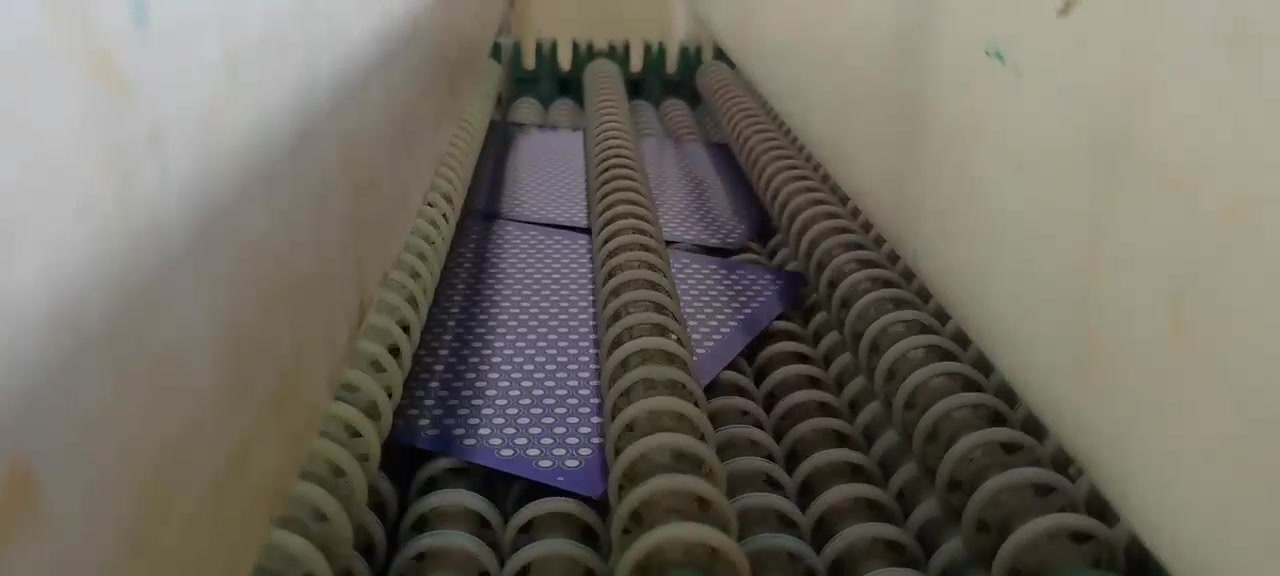
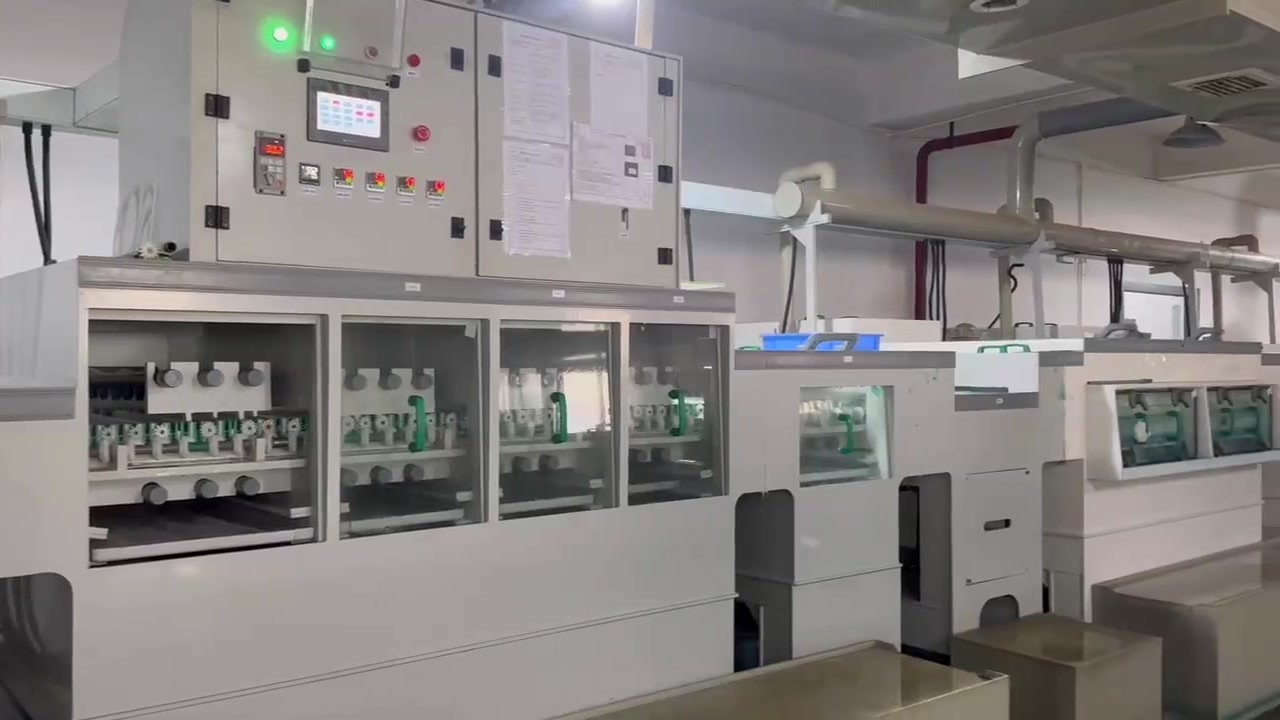
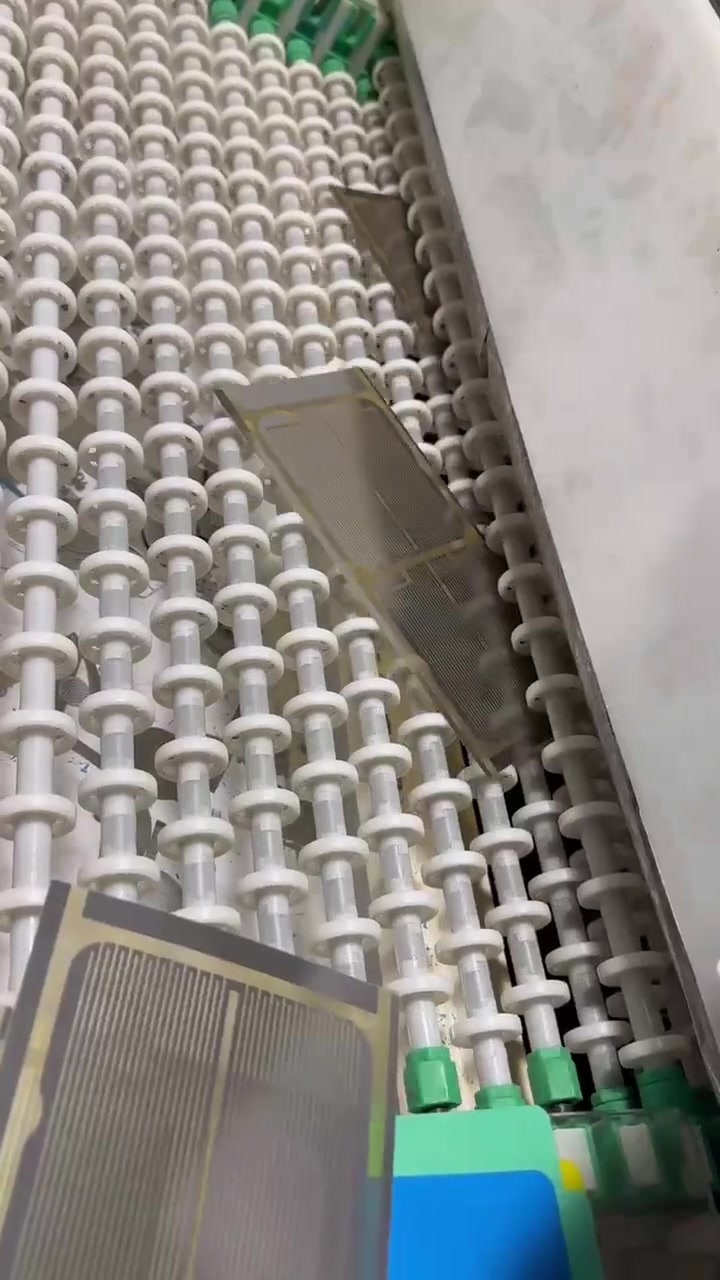
We have a full set of etching production equipment and mature processing technology. We can manufacture products in any shape with mesh sizes as small as 0.1mm, according to your requirements.

Our Advantage
Factory Direct Shipping
Our products undergo 100% QC checks before shipment, and we ensure compliance with international standards. If you require specific certifications for your target market, just let us know, and we'll meet those requirements.
Experienced Design and Manufacturing Team
We work closely with customers from the design phase to help avoid potential product flaws, ensuring both the functionality and design meet expectations.
Excellent Supply Chain Management
We can quickly adjust production schedules to meet your urgent deadlines, whether it's for large bulk orders or smaller rush orders.
OEM & ODM Support
We offer the option to print your logo or other customizations.
Strict Quality Control
Our products undergo 100% QC checks before shipment, and we ensure compliance with international standards. If you require specific certifications for your target market, just let us know, and we'll meet those requirements.
Certificate
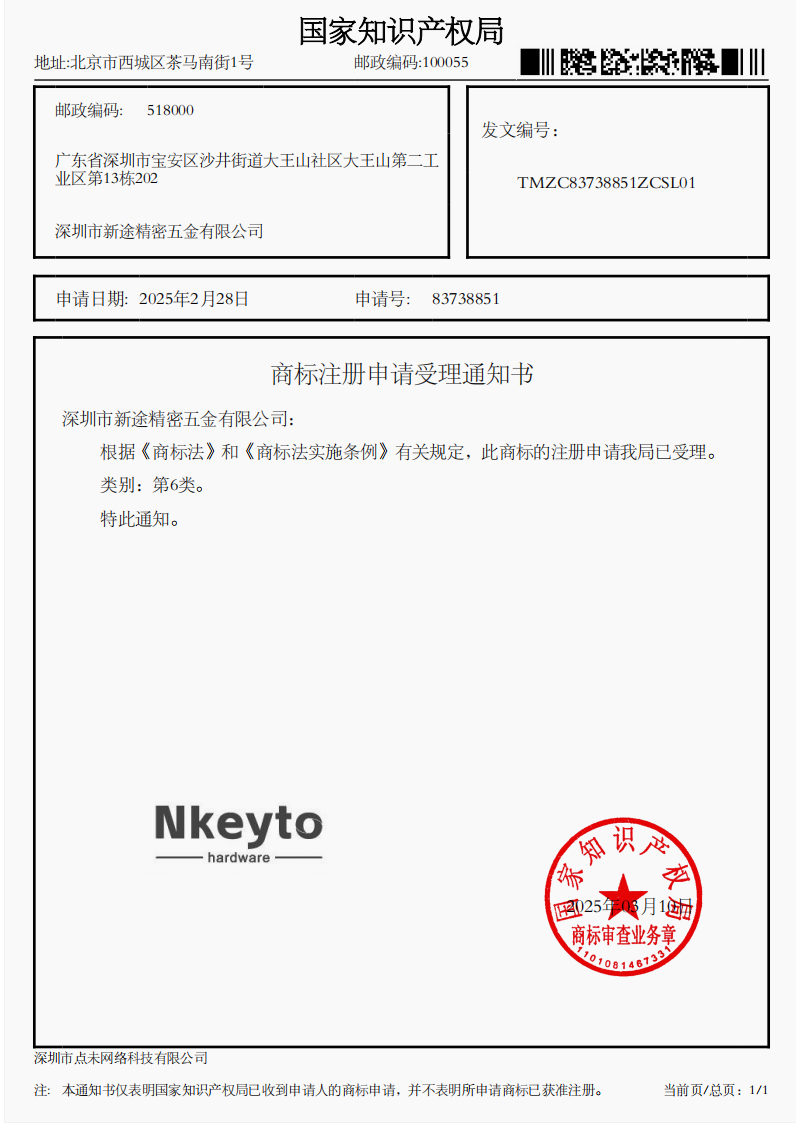
商标6类

9001
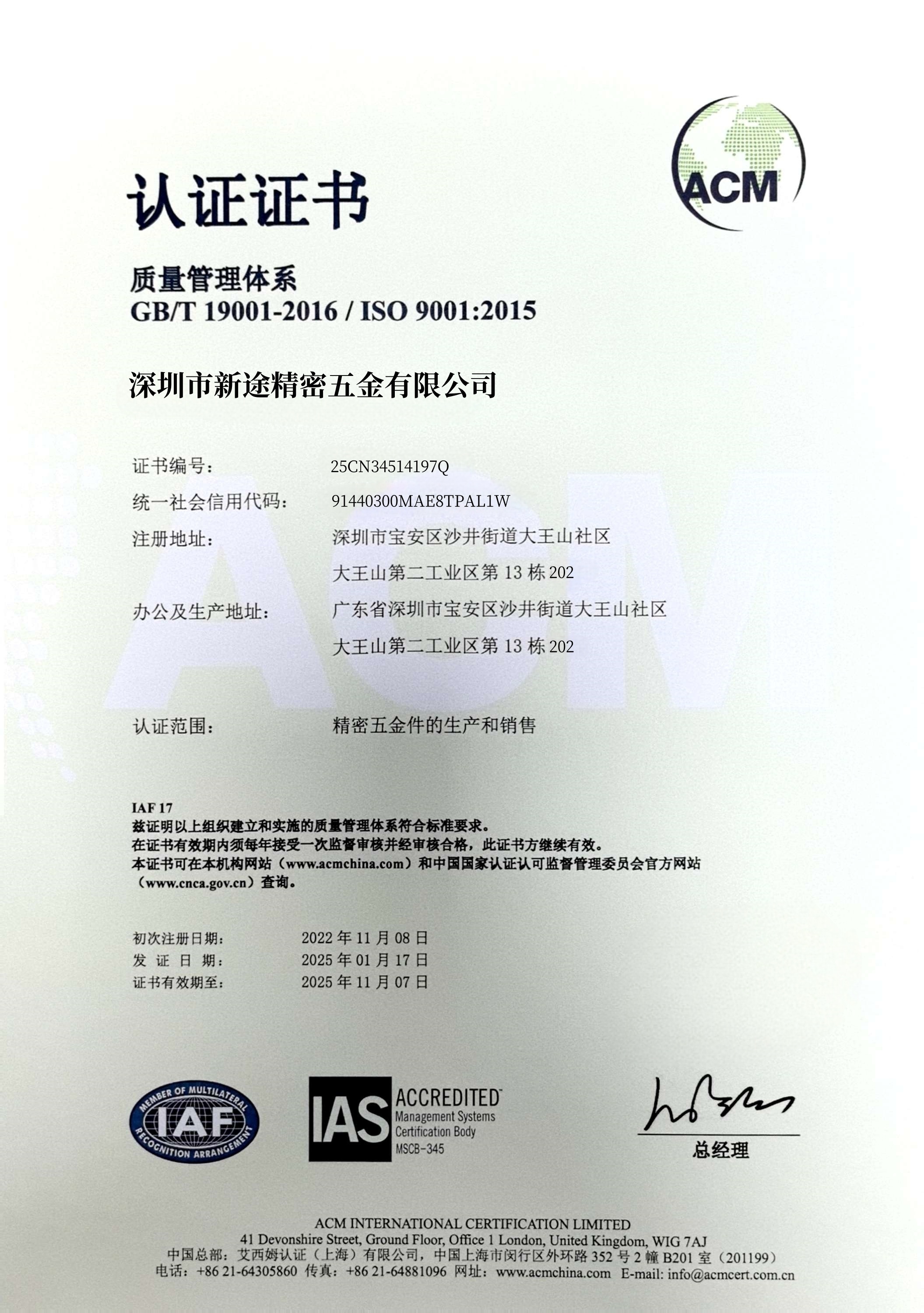
质量认证


Related Products

Shenzhen Nkeyto Precision Hardware Co., Ltd. is a factory specializing in precision hardware processing, committed to providing customers with high-quality products and services.We look forward to working with you.
Contact Us

E-mail: luna@nkeyto.com

Tel: +1 213-221-9094

Add: 13th Building, 202, Dawangshan Second Industrial Zone, Dawangshan Community, Shajing Street, Bao'an District, Shenzhen, Guangdong Province
Powered by: CEglobal
Copryright © 2025 Shenzhen Xintu Precision Hardware Co., Ltd.




Back To Top