



Optical Light Shielding Plate
Category:
Key Words:
Product parameters
Parameter | Description |
Material | Stainless Steel (SUS304 / SUS316), Nickel, Copper, Aluminum (optional) |
Surface Treatment | Blackened / Matte Black Coating / Chemical Blackening / Anodizing (Aluminum) |
Manufacturing Process | Chemical Etching (Primary), Laser Cutting / CNC (Auxiliary) |
Shape | Custom shapes (round, square, irregular, micro pattern, slit, aperture) |
Size Range | Customizable (Typical: ≤ 600 × 600 mm) |
Thickness | 0.01 mm – 1.0 mm (etching optimal: 0.02–0.5 mm) |
Hole Diameter / Aperture | ≥ 0.02 mm (depending on thickness & design) |
Tolerance | ±0.005 mm ~ ±0.02 mm (depending on thickness and pattern complexity) |
Edge Quality | Burr-free, smooth edge, no mechanical stress |
Flatness | ≤ 0.03 mm (depending on size & thickness) |
Surface Roughness | Ra ≤ 0.8 μm (optional requirement) |
Light Blocking Performance | High opacity, low reflectivity, suitable for optical shielding |
Pattern Precision | High-precision micro etching, uniform aperture distribution |
Customization (OEM/ODM) | Supported (based on drawings, samples, or technical requirements) |
Drawing Formats Accepted | CAD / DWG / DXF / STEP / PDF |
Quality Control | 100% inspection for critical dimensions, optical inspection available |
Product Description
Product Description:
Optical light shielding plate is used to block unwanted light, improve imaging quality, and enhance signal accuracy in sensitive optical and electronic systems. This precision shielding plate can be custom manufactured in stainless steel and other metals by chemical etching, laser cutting, or CNC machining according to customer drawings. With blackened surface treatment, the plate offers excellent anti-glare and anti-reflection performance for demanding industrial applications.
Key Features:
Optical imaging systems
Consumer electronics
Automotive optical sensors
Industrial inspection equipment
Medical optical devices
Micro-Aperture Manufacturing: Achieving 0.1mm Precision in Stainless Steel
In the realm of precision engineering, the margin for error often disappears entirely. For applications ranging from medical diagnostic equipment to high-resolution optical sensors, the difference between success and failure can be measured in microns.
Manufacturing an Optical Light Shielding Plate or a metal aperture with a standard 2mm hole is a routine task. However, when the requirement shifts to a 0.1mm micro-aperture, the physics of manufacturing changes. This is the domain of micro-precision, where standard machining methods fail, and advanced chemical processing becomes essential.
At our factory, we have refined the art of micro-hole processing, pushing the boundaries of what is possible in stainless steel and specialized alloys.
The Challenge of the Micro-Scale
Why is a 0.1mm hole so difficult to manufacture? When dealing with features this small, traditional mechanical and thermal processes encounter significant physical limitations.
1. The Problem of Mechanical Stress (Stamping)
In traditional punching, a physical pin must pierce the metal. At 0.1mm, a punch is incredibly fragile. It is prone to breaking, bending, or wearing down after just a few hits. Furthermore, the mechanical force required to punch the hole can deform the surrounding material, causing the thin sheet to warp.
2. The Problem of Heat (Laser Cutting)
Lasers are powerful tools, but they rely on thermal energy to melt or vaporize metal. When focusing a laser beam down to 0.1mm, the heat-affected zone (HAZ) becomes a major issue. The heat can distort the hole, leaving it out-of-round or creating a "conical" shape (tapered walls) rather than a straight cylinder. In optical applications, a tapered hole can scatter light, ruining the intended effect.
The Solution: Precision Chemical Etching
To overcome these limitations, we utilize Chemical Etching (Photochemical Machining). This is a "cold" process that uses corrosive chemicals to dissolve metal, rather than cutting or crushing it. This allows us to achieve features that are impossible with other methods.
1. True Vertical Sidewalls
Unlike laser cutting, which often produces V-shaped holes, chemical etching can produce holes with near-vertical sidewalls. This is critical for Optical Light Shielding Plates, where the angle of the aperture dictates the path of the light. A straight, smooth bore ensures that light passes through cleanly without grazing the edges.
2. Extreme Accuracy
We can hold tight tolerances even at the micro-scale. By controlling the "etch factor"—the ratio of etch rate in the vertical direction versus the lateral direction—we can achieve aperture tolerances of ±0.01mm. This repeatability ensures that every single part in a production run performs identically.
3. Burr-Free Edges
Because the metal is dissolved uniformly from both sides of the sheet, the resulting hole is free of the "breakout burrs" common in punching. This leaves a clean edge that will not trap contaminants or interfere with fluid flow in medical devices.
Material Selection for Micro-Applications
The choice of material is just as critical as the manufacturing process. We work with a variety of metals to suit specific environmental needs.
Material | Properties | Best Application |
|---|---|---|
SUS304 Stainless Steel | High corrosion resistance, good hardness, cost-effective. | General optics, fluidics, medical devices. |
Invar Alloy (FeNi36) | Extremely low thermal expansion. Dimensions remain stable even with temperature changes. | High-precision laser systems, aerospace sensors. |
Copper / Brass | High electrical and thermal conductivity. | EMI shielding, electronic apertures. |
Applications: Where Precision Meets Function
1. Medical Diagnostics (IVD)
In In Vitro Diagnostics (IVD) equipment, precise fluid control is life-saving. Micro-aperture plates are used to regulate the flow of blood or reagent samples through optical sensors. The hole must be perfectly round and consistent to ensure the sensor reads the sample volume accurately. Our etched plates provide the hygiene and precision required for these sensitive tests.
2. LiDAR and Laser Systems
LiDAR sensors, essential for autonomous vehicles and robotics, rely on precise laser pulses. An aperture mask is used to shape and clean the laser beam. Any irregularity in the hole's edge can diffract the laser light, reducing the sensor's range and accuracy. Our 0.1mm capability ensures the beam profile remains pristine.
Conclusion
Manufacturing micro-apertures is not just about making a hole; it is about controlling the interaction between light, fluid, and matter at a microscopic level. By leveraging chemical etching, we provide a solution that offers superior geometry, cleanliness, and accuracy compared to traditional methods.
Challenge Our Limits
Do you have a design that requires micro-precision? Whether you need a 0.1mm aperture for a laser system or a complex flow restrictor for a medical device, we have the technology to deliver. Contact Luna on WhatsApp at 12132219094 to discuss your technical drawings and get a quote.
Questions and Answers
Frequently Asked Questions (FAQ)
Q: What is the smallest hole size you can manufacture?
A: Our chemical etching process can reliably produce holes as small as 0.1mm in diameter. For specific projects, we can evaluate even smaller features depending on the material thickness.
Q: Can you ensure the holes are perfectly round?
A: Yes. Because etching is an isotropic process (etching at the same rate in all directions), we can achieve high circularity. We use optical measurement systems to verify the roundness of micro-holes during quality control.
Q: Does the etching process weaken the metal around the hole?
A: No. Chemical etching removes material without affecting the grain structure of the surrounding metal. In fact, because there is no mechanical stress, the material retains its original strength and hardness.
Q: How do you clean the parts after etching?
A: We perform rigorous ultrasonic cleaning to remove any etching residues. For medical and optical applications, we can also provide vacuum packaging to ensure the parts remain contaminant-free until assembly.
Factory Description
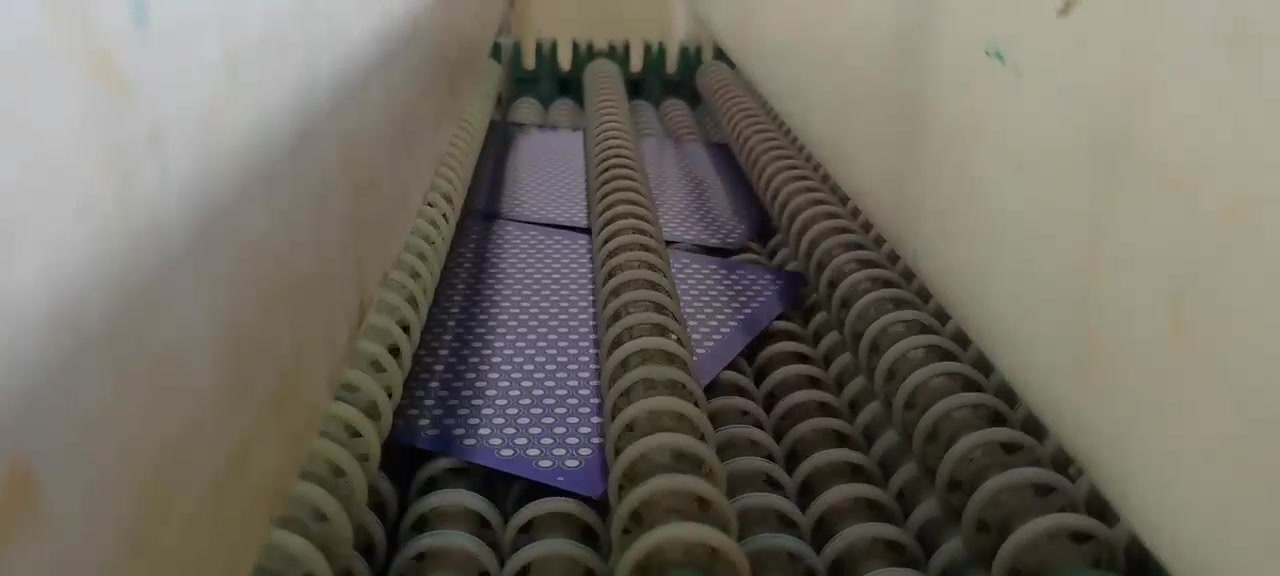
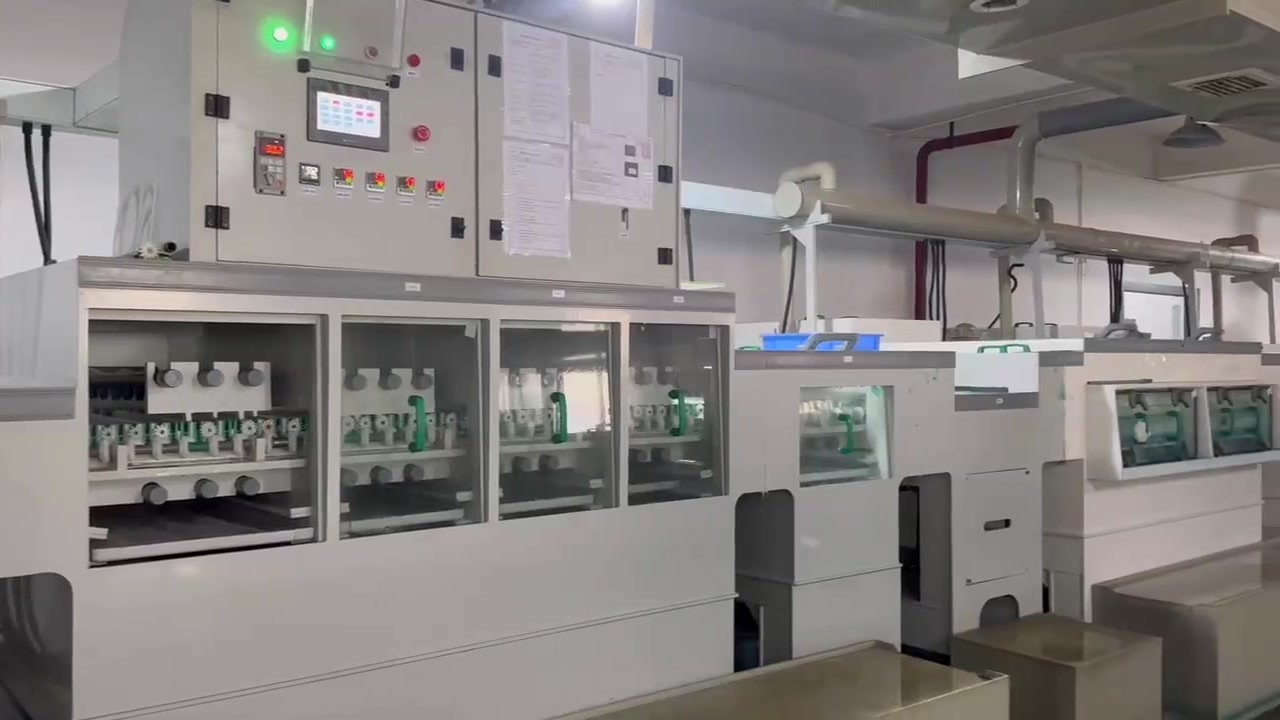
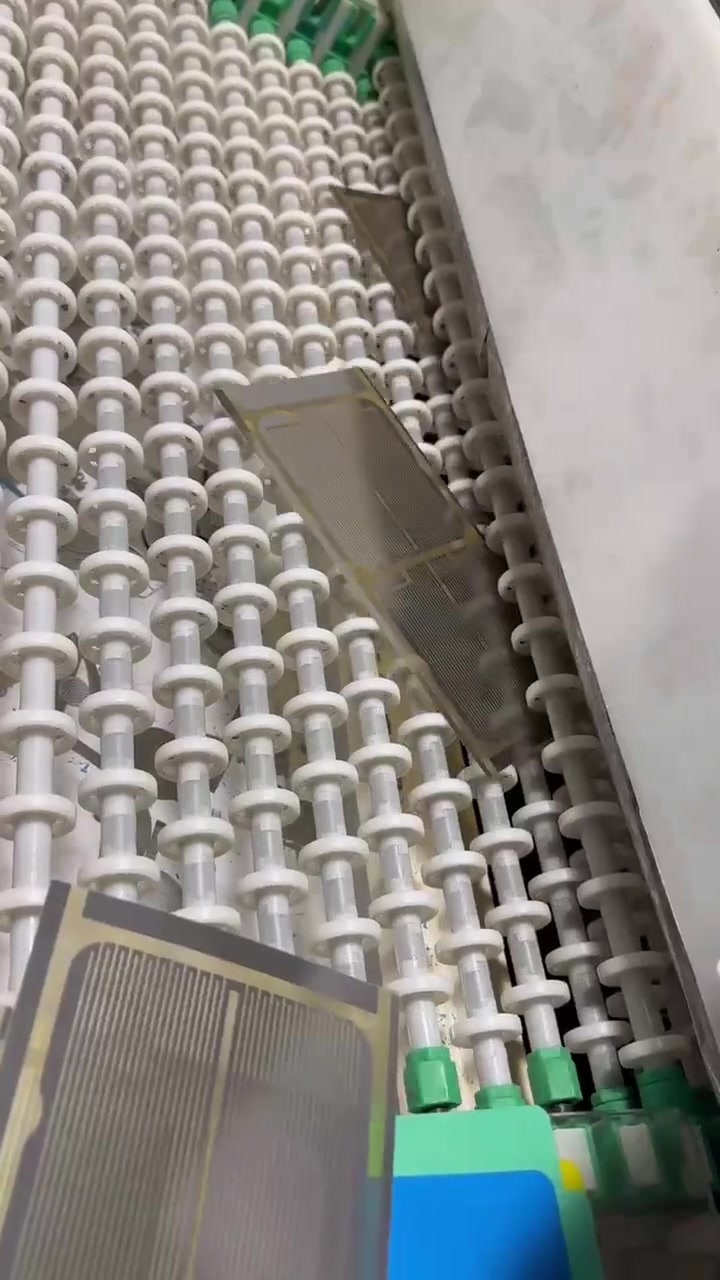
We have a full set of etching production equipment and mature processing technology. We can manufacture products in any shape with mesh sizes as small as 0.1mm, according to your requirements.

Our Advantage
Factory Direct Shipping
Our products undergo 100% QC checks before shipment, and we ensure compliance with international standards. If you require specific certifications for your target market, just let us know, and we'll meet those requirements.
Experienced Design and Manufacturing Team
We work closely with customers from the design phase to help avoid potential product flaws, ensuring both the functionality and design meet expectations.
Excellent Supply Chain Management
We can quickly adjust production schedules to meet your urgent deadlines, whether it's for large bulk orders or smaller rush orders.
OEM & ODM Support
We offer the option to print your logo or other customizations.
Strict Quality Control
Our products undergo 100% QC checks before shipment, and we ensure compliance with international standards. If you require specific certifications for your target market, just let us know, and we'll meet those requirements.
Certificate
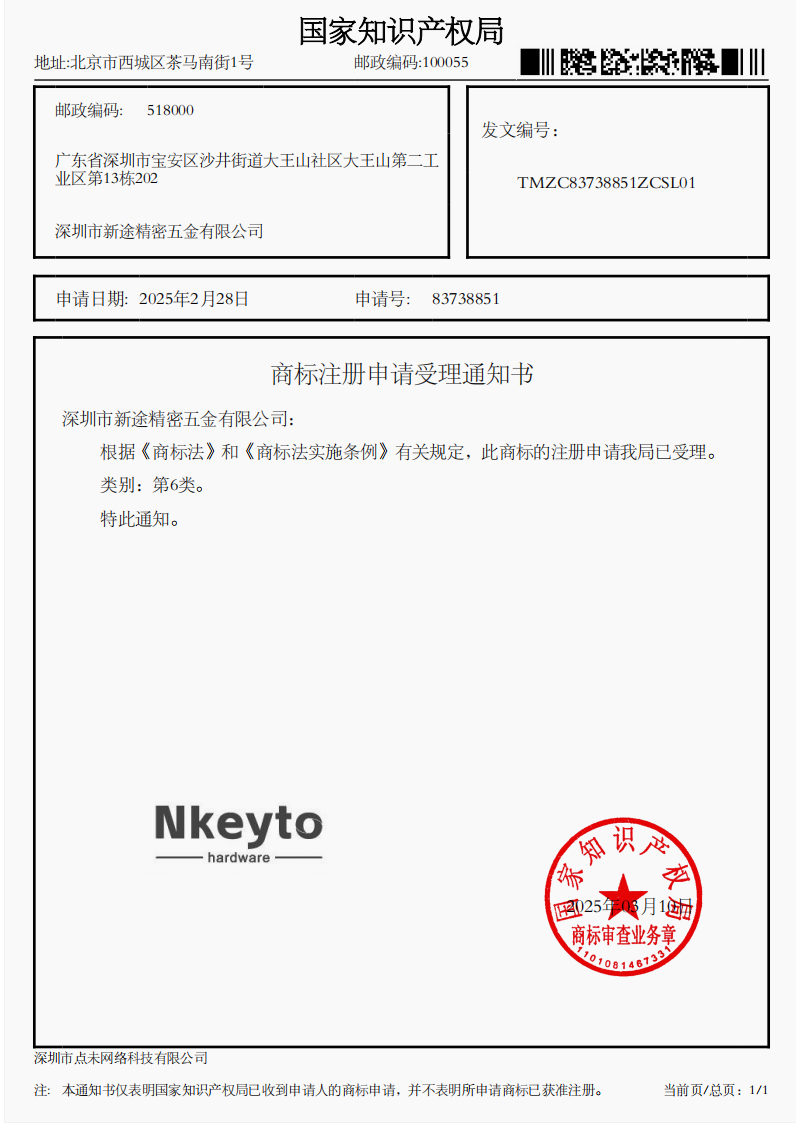
商标6类

9001
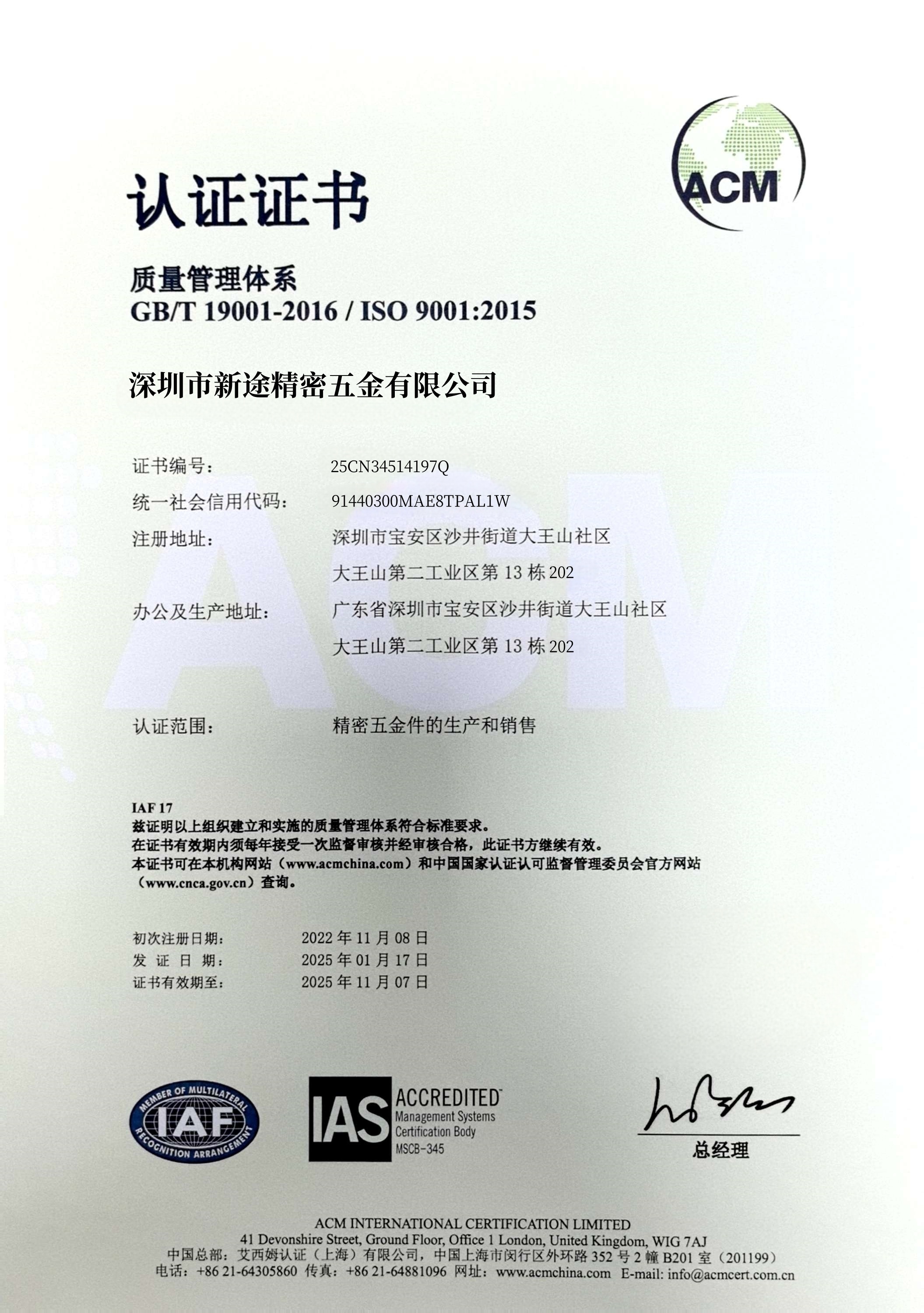
质量认证


Related Products

Shenzhen Nkeyto Precision Hardware Co., Ltd. is a factory specializing in precision hardware processing, committed to providing customers with high-quality products and services.We look forward to working with you.
Contact Us

E-mail: luna@nkeyto.com

Tel: +1 213-221-9094

Add: 13th Building, 202, Dawangshan Second Industrial Zone, Dawangshan Community, Shajing Street, Bao'an District, Shenzhen, Guangdong Province
Powered by: CEglobal
Copryright © 2025 Shenzhen Xintu Precision Hardware Co., Ltd.




Back To Top