



Precision CNC Copper Microchannel Component for Thermal Management
Category:
Key Words:
Product parameters
Parameter | Specification / Range |
Product Name | Copper Microchannel Plate / CNC Cooling Plate / Microchannel Heat Sink |
Material | Copper (C1100 / C1020) / Copper Alloy (optional) |
Manufacturing Process | CNC Machining / Milling / Drilling / Finishing |
Structure Type | Microchannel / Slot Channel / Custom Flow Design |
Plate Thickness | 2 – 50 mm (customizable) |
Channel Width | 0.2 – 2.0 mm (depending on design & tool) |
Channel Depth | 0.5 – 10 mm (customizable) |
Channel Pitch | 0.3 – 3.0 mm |
Surface Roughness | Ra 0.8 – 3.2 μm (machined) |
Flatness | ≤ 0.05 mm (depending on size) |
Tolerance | ±0.01 – ±0.05 mm |
Surface Treatment | Cleaning / Polishing / Nickel Plating / Anti-oxidation |
Sealing Method | Brazing / Welding / Cover Plate Assembly (if required) |
Cooling Medium | Water / Coolant / Customized fluids |
Thermal Performance | High heat transfer efficiency (design dependent) |
Operating Temperature | -40°C to 200°C (depending on application) |
Pressure Resistance | Based on design (customizable) |
Application | Liquid Cooling / Heat Sink / Heat Exchanger / Thermal Management |
OEM / ODM | Supported |
Drawing Format | STEP / STP / IGES / CAD / PDF |
Sample | Available |
Lead Time | 10 – 25 days |
Packaging | Anti-oxidation packaging / Custom export packaging |
Product Description
Product Description
Precision CNC copper microchannel component developed for thermal management applications. Featuring accurate channel geometry and consistent machining quality, this component ensures reliable performance in demanding environments.
Application Field
Thermal management systems using precision copper components
Electronic modules requiring CNC microchannel components
Industrial equipment using thermal copper parts
Advanced systems with high-precision cooling components
High Thermal Conductivity Copper Microchannel Component for Demanding Environments
In the world of high-performance thermal management, the choice of material is often the deciding factor between a system that survives and one that thrives. While aluminum is a common choice for general cooling, extreme environments—such as deep-sea instrumentation, aerospace avionics, or high-power laser systems—demand the superior physical properties of copper. Our Precision CNC Copper Microchannel Component is engineered to withstand these rigors, providing a Copper Thermal Component solution that balances exceptional heat transfer with structural durability.
The Superiority of High-Purity Copper
At the core of our manufacturing process is the use of premium-grade copper, specifically T2 Purple Copper and C11000 Electrolytic Tough Pitch (ETP) copper. With a purity level exceeding 99.9%, this material offers a thermal conductivity of approximately 400 W/m·K. This is more than double the conductivity of aluminum (~200 W/m·K), making it the undisputed choice for applications where rapid heat dissipation is critical.
However, thermal conductivity is only part of the equation. In demanding industrial environments, a High Conductivity Microchannel component must also resist degradation. Copper naturally possesses superior corrosion resistance compared to many other metals, particularly against oxidation and biofouling (the accumulation of microorganisms). This makes our components ideal for liquid cooling loops where long-term reliability is paramount.
Material Comparison: Copper vs. Aluminum
To help engineers select the right material for their specific application, we have compiled a comparison based on our manufacturing experience. While aluminum is lightweight, copper offers distinct advantages in thermal performance and mechanical strength.
Feature | Copper (C11000 / T2) | Aluminum (6061-T6) |
|---|---|---|
Thermal Conductivity | ~400 W/m·K (Excellent) | ~170-200 W/m·K (Good) |
Corrosion Resistance | High (Excellent for water/glycol loops) | Moderate (Requires passivation) |
Tensile Strength | High (Resists deformation under pressure) | Medium (Softer, prone to galling) |
Machinability | Requires precision tooling (Burr-free finish) | Easy to machine (Fast removal) |
Best Use Case | High heat flux, harsh environments, lasers | Weight-sensitive, consumer electronics |
Stability in Extreme Environments
Our Corrosion Resistant Copper Parts are designed to operate reliably across a vast temperature spectrum, typically ranging from -40°C to 150°C.
- Cryogenic Stability: At low temperatures, copper maintains its ductility and does not become brittle, making it suitable for cooling superconducting magnets or space-bound electronics.
- High-Temperature Performance: In high-heat scenarios, copper’s high melting point and strength prevent the microchannel fins from deforming or collapsing under the stress of high-pressure coolant flow.
This stability ensures that the thermal resistance of the component remains consistent over years of operation, preventing the performance drift often seen in lower-quality materials.
Structural Integrity: The CNC Advantage
One of the challenges of using copper is its tendency to be "gummy" during machining. However, our factory leverages this property to create robust Copper Thermal Components. Through advanced CNC milling, we can produce high-aspect-ratio fins that are strong enough to withstand high internal pressures without bending.
Unlike extrusion, which limits the complexity of the internal channels, our CNC process allows us to machine thick copper blocks into intricate shapes. This means the component can serve a dual purpose: acting as a high-efficiency heat exchanger while also serving as a structural mounting point for other system components.
Hybrid Solutions: Copper-Aluminum Composites
We understand that weight is a concern for many of our clients, particularly in the automotive and aerospace sectors. To address this, we offer Copper-Aluminum composite structures.
This specialized solution involves bonding a copper base (for the microchannel interface) to an aluminum body (for lightweight structural support). This approach allows you to harness the thermal performance of copper exactly where it is needed—at the heat source—while significantly reducing the overall weight of the assembly.
Technical Specifications
- Material: C11000 (ETP Copper), T2 Copper (99.9% Purity)
- Thermal Conductivity: ≥ 390-400 W/m·K
- Operating Temperature: -40°C to +150°C
- Surface Finish: Ra ≤ 0.8μm (Standard CNC), Ra ≤ 0.4μm (Polished)
- Tolerance: ±0.01mm
- Customization: Composite bonding (Cu-Al) available
Request a Quote for High-Performance Materials
Whether you need a pure copper solution for maximum conductivity or a hybrid structure for weight savings, our team is ready to engineer the perfect thermal component for your demanding environment.
Contact us today to discuss your material requirements.
Luna
WhatsApp: 12132219094
Questions and Answers
Frequently Asked Questions (FAQ)
Q1: Why should I choose copper over aluminum for my liquid cooling loop?
Copper is the superior choice if your priority is maximum thermal performance and long-term durability. It transfers heat twice as fast as aluminum and is more resistant to corrosion and bacterial growth in water loops. If your system has high heat flux (e.g., >300W/cm²), copper is essential.
Q2: Can copper parts be used in marine or salty environments?
Yes. Copper and its alloys (like brass or bronze) have excellent resistance to saltwater corrosion. For extreme marine environments, we can also apply additional surface coatings to further protect the Corrosion Resistant Copper Part.
Q3: Do you offer composite materials to reduce weight?
Yes. We specialize in friction welding or diffusion bonding techniques to create Copper-Aluminum hybrids. This allows you to have a copper microchannel interface for performance and an aluminum body for weight reduction.
Q4: How does high-purity copper affect the machining process?
High-purity copper requires specialized tooling and speeds to achieve a burr-free finish. Our factory uses high-speed CNC centers specifically calibrated for copper to ensure that the microchannels are clean and precise, preventing any flow restriction.
Q5: What is the maximum operating pressure for these components?
Due to the high tensile strength of C11000 copper, our machined components can typically withstand operating pressures of up to 20 Bar (approx. 290 PSI), depending on the wall thickness of the specific design.
Factory Description
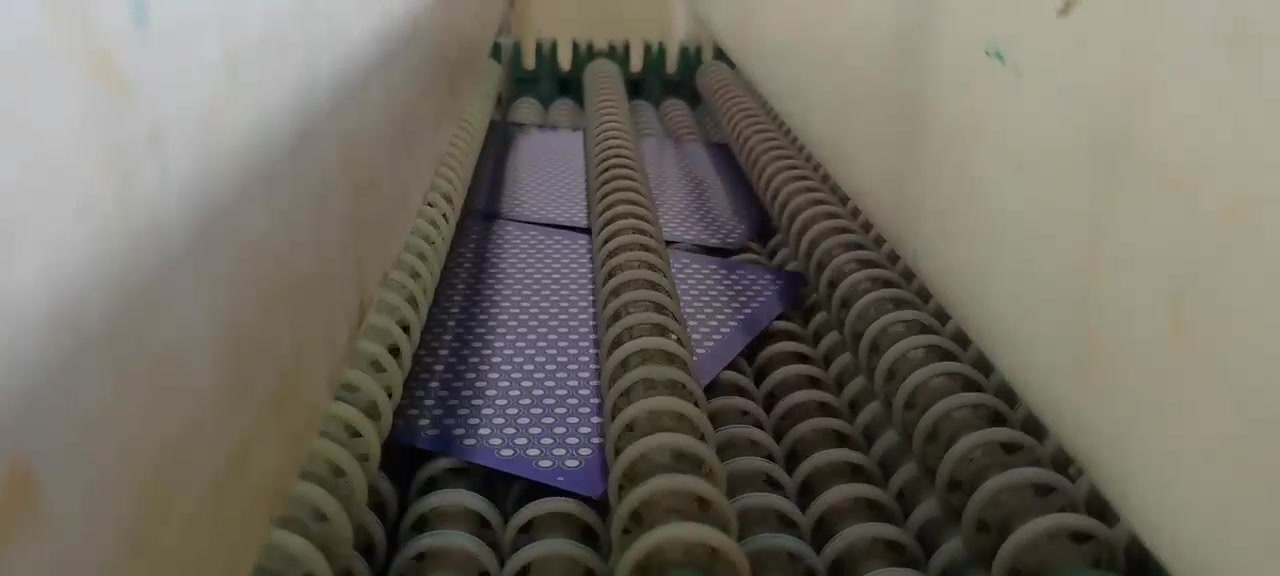
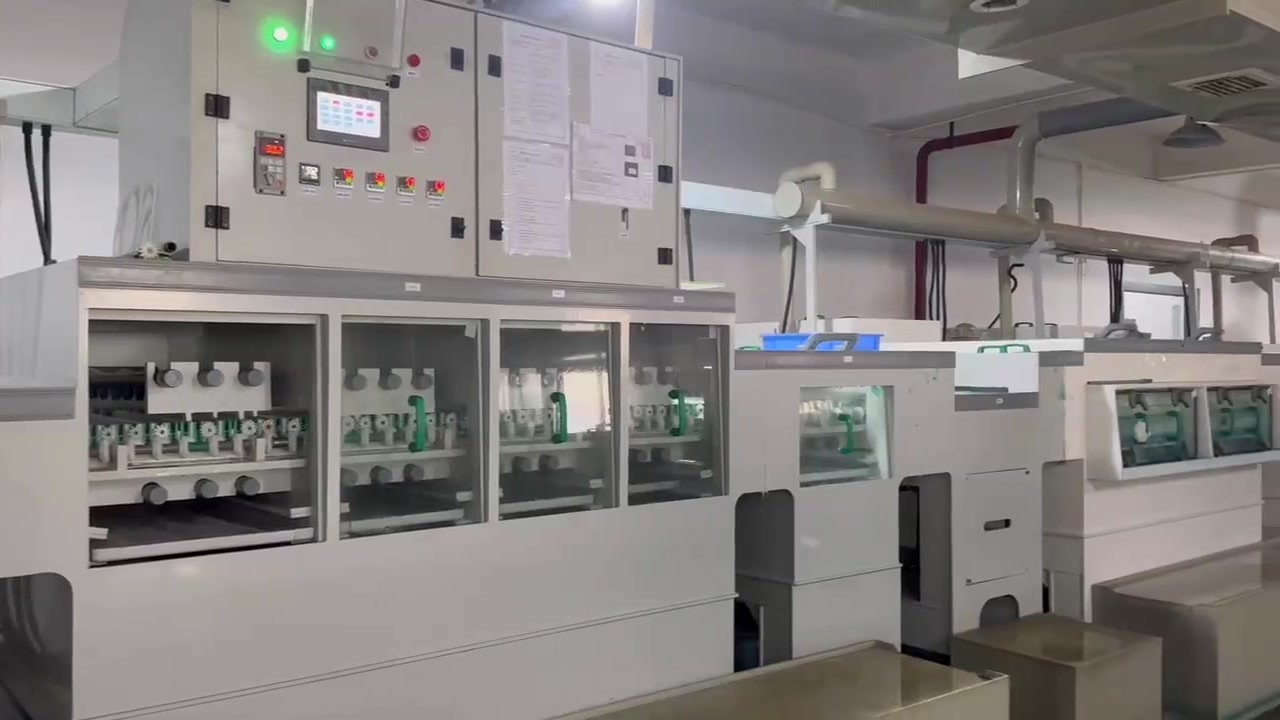
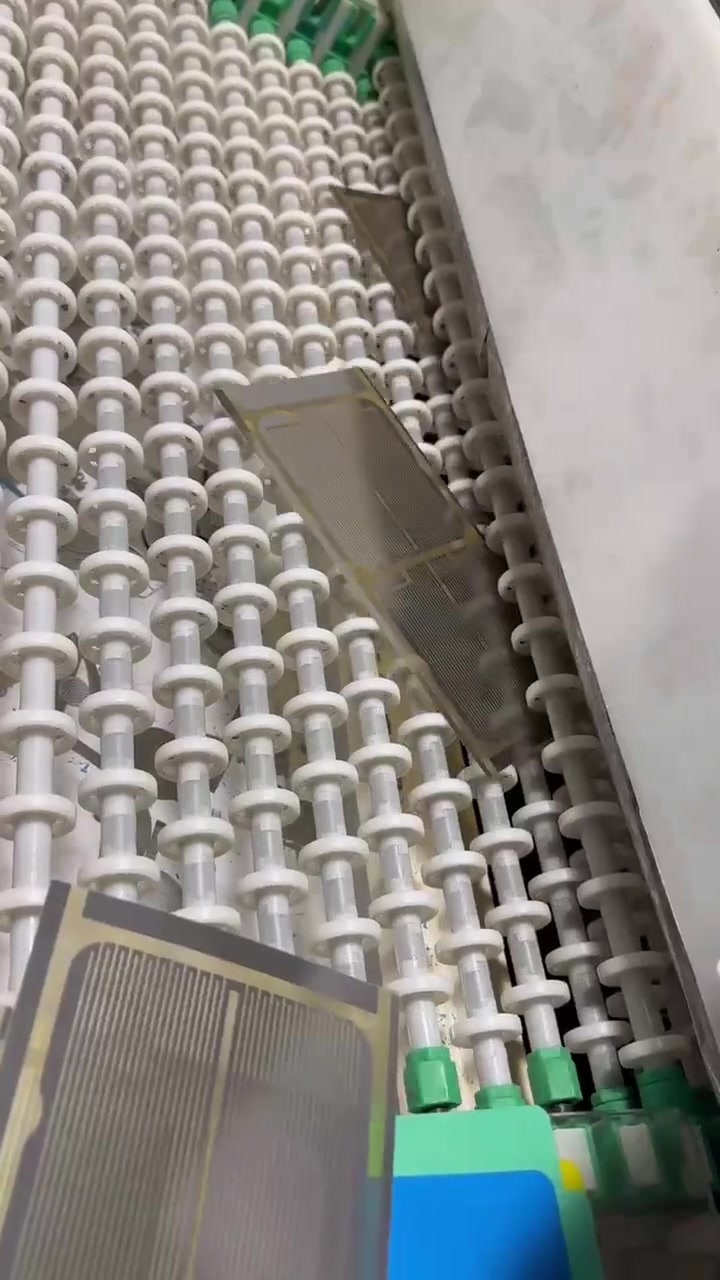
We have a full set of etching production equipment and mature processing technology. We can manufacture products in any shape with mesh sizes as small as 0.1mm, according to your requirements.

Our Advantage
Factory Direct Shipping
Our products undergo 100% QC checks before shipment, and we ensure compliance with international standards. If you require specific certifications for your target market, just let us know, and we'll meet those requirements.
Experienced Design and Manufacturing Team
We work closely with customers from the design phase to help avoid potential product flaws, ensuring both the functionality and design meet expectations.
Excellent Supply Chain Management
We can quickly adjust production schedules to meet your urgent deadlines, whether it's for large bulk orders or smaller rush orders.
OEM & ODM Support
We offer the option to print your logo or other customizations.
Strict Quality Control
Our products undergo 100% QC checks before shipment, and we ensure compliance with international standards. If you require specific certifications for your target market, just let us know, and we'll meet those requirements.
Certificate
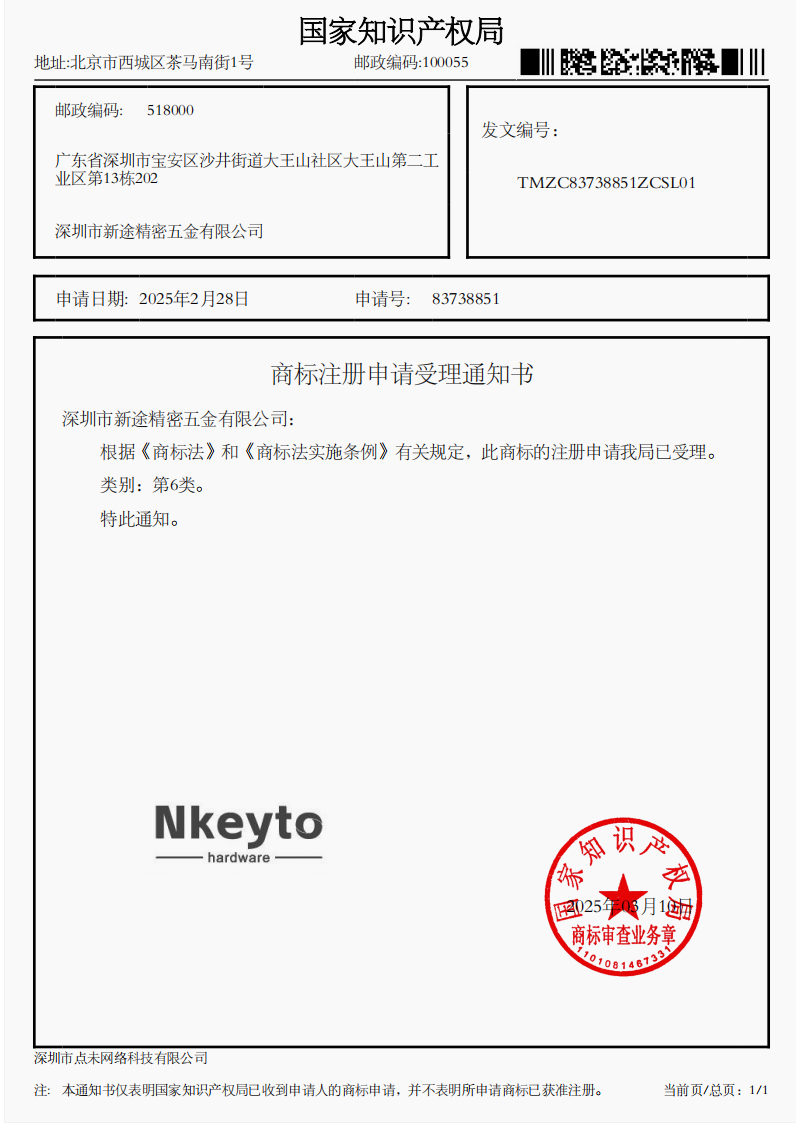
商标6类

9001
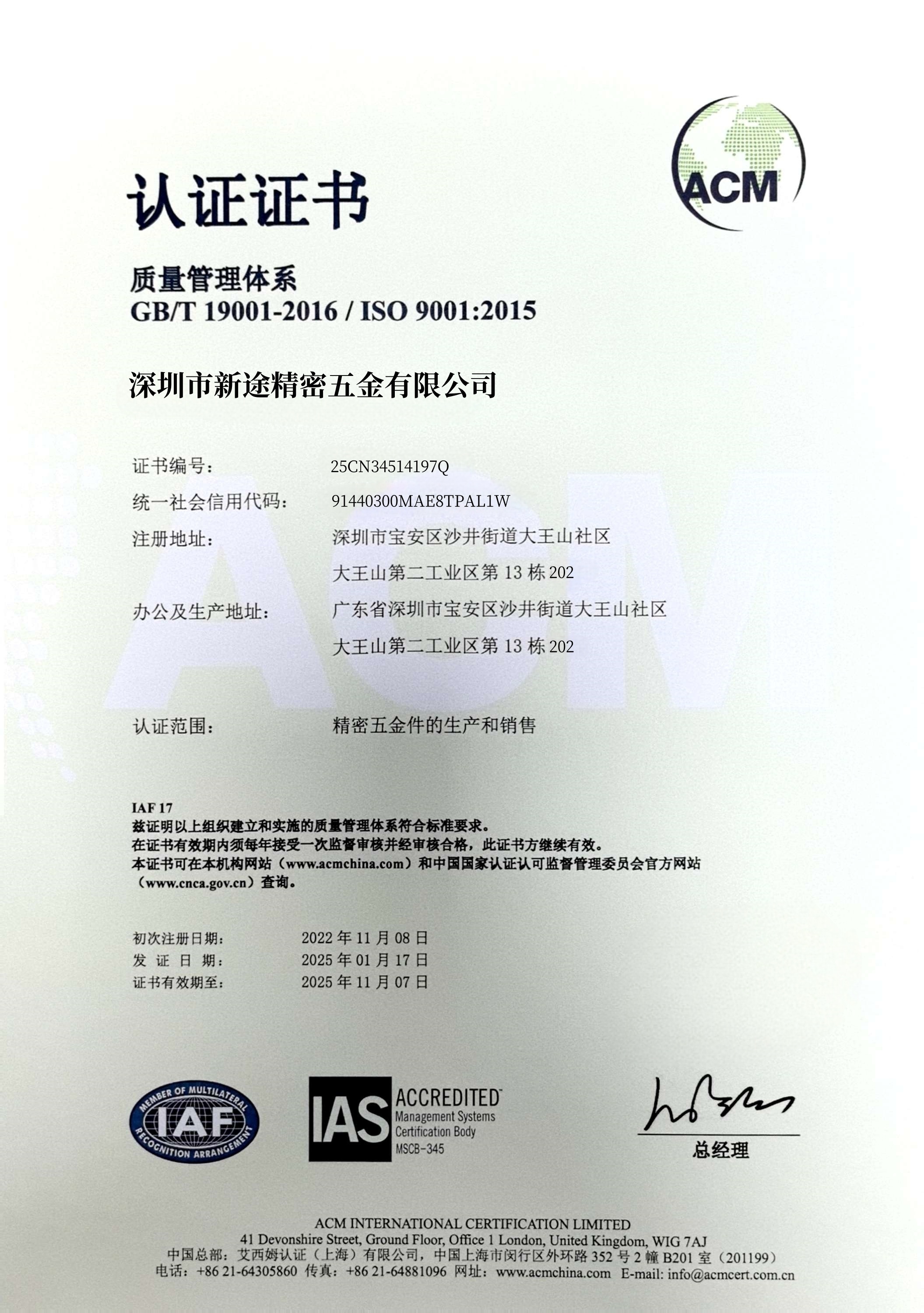
质量认证


Related Products

Shenzhen Nkeyto Precision Hardware Co., Ltd. is a factory specializing in precision hardware processing, committed to providing customers with high-quality products and services.We look forward to working with you.
Contact Us

E-mail: luna@nkeyto.com

Tel: +1 213-221-9094

Add: 13th Building, 202, Dawangshan Second Industrial Zone, Dawangshan Community, Shajing Street, Bao'an District, Shenzhen, Guangdong Province
Powered by: CEglobal
Copryright © 2025 Shenzhen Xintu Precision Hardware Co., Ltd.




Back To Top