



Precision EMI Shielding Can Etched Metal RF Shield Cover
Category:
Key Words:
Product parameters
Parameter | Specification |
Product Name | EMI Shielding Can / RF Shielding Cover / PCB Shielding Can |
Material | Stainless Steel (SUS304 / SUS301), Nickel Silver, Copper |
Thickness | 0.05 mm – 0.30 mm |
Manufacturing Process | Chemical Etching + Stamping + Bending |
Surface Treatment | Tin Plating / Nickel Plating / Gold Plating / Natural Finish |
Shielding Effectiveness | 30 dB – 90 dB (depending on design & frequency) |
Frequency Range | MHz – GHz |
Dimensional Tolerance | ±0.01 – ±0.03 mm |
Flatness | ≤ 0.05 mm |
Hole Size | ≥ 0.03 mm (etching dependent) |
Structure Type | One-piece / Two-piece (Frame + Cover) / Clip Type |
Mounting Method | SMT Soldering / Through-hole / Clip-on |
Edge Condition | Burr-free (etching process) |
Operating Temperature | -40°C to 300°C (depending on material) |
Corrosion Resistance | High (optional plating for enhanced protection) |
Application Level | PCB Level / Module Level Shielding |
Customization | Size / Thickness / Hole Pattern / Structure / Surface Treatment |
Standards | RoHS / REACH compliant |
Product Description
Product Introduction:
This precision EMI shielding can is manufactured using chemical etching technology to achieve fine structural accuracy and burr-free edges. The etched metal can ensures excellent dimensional consistency and stable shielding performance. As a high-quality RF shielding can, it is ideal for applications requiring precise EMI control and reliable signal integrity.
Applications:
High-density PCB shielding, RF communication modules, precision electronic devices, signal-sensitive circuits, telecom equipment
The "Golden Bell" for 5G Modules: Mastering EMI Shielding at High Frequencies
The rollout of 5G technology has revolutionized connectivity, delivering speeds and bandwidths that were unimaginable just a decade ago. However, for hardware engineers, this leap in performance is a double-edged sword. The high-frequency nature of 5G signals—ranging from Sub-6GHz to millimeter-wave (mmWave)—makes electronic components exceptionally sensitive to Electromagnetic Interference (EMI).
In this demanding landscape, a standard metal cover is no longer sufficient. 5G infrastructure requires a "Golden Bell"—an impenetrable barrier that guarantees signal integrity even in the most congested electromagnetic environments.
At our factory, we specialize in manufacturing Precision EMI Shielding Cans engineered specifically for the rigorous standards of Telecom Equipment. By combining high-grade stainless steel with advanced chemical etching technologies, we provide the robust, high-performance protection that modern 5G modules demand.
The High-Frequency Challenge
As frequencies rise, the physics of shielding changes drastically. In the 5G landscape, wavelengths become incredibly short. This means that even microscopic gaps, seams, or imperfections in a shield can act as efficient slot antennas, leaking energy and causing critical interference.
For a 5G Module, the consequences of inadequate shielding are severe:
- Signal Degradation: Loss of data throughput and connection stability.
- Noise Coupling: High-frequency noise from digital circuits interfering with sensitive RF receivers.
- Thermal Issues: 5G components generate significant heat, requiring shields that dissipate thermal energy without compromising the EMI seal.
To combat these issues, the shielding solution must be precise, durable, and perfectly grounded.
Why Stainless Steel is the Material of Choice
For High Frequency applications, material selection is critical. While copper and aluminum are common in lower-frequency consumer electronics, Stainless Steel has become the industry standard for 5G and telecom infrastructure.
Our factory prioritizes Stainless Steel for several key reasons:
- Superior Shielding Effectiveness (SE): Stainless steel offers excellent magnetic permeability, providing high absorption loss. This is crucial for blocking the complex magnetic fields often present in high-power base stations.
- Mechanical Strength: 5G modules, particularly those in outdoor base stations, face harsh environmental conditions. Stainless steel provides the structural rigidity needed to protect delicate internal circuitry against physical impact and vibration.
- Thermal Stability: It maintains its physical properties under high thermal loads, ensuring the shield does not warp or deform over time, which is essential for maintaining a consistent ground connection.
Precision is Non-Negotiable: Etching vs. Stamping
The term "Precision" in Precision EMI Shielding Cans is not just a buzzword; it is a strict requirement. In 5G design, the tolerance for error is near zero.
Traditional stamping processes often introduce burrs and internal stress, leading to warpage. In a 5G module, a warped shield can break the seal with the PCB, creating a leakage path for GHz-range signals.
Our Chemical Etching Advantage:
- Burr-Free Edges: Unlike mechanical punching, our etching process dissolves metal chemically. This ensures the contact surface of the shield is perfectly smooth, guaranteeing a tight, continuous ground connection with the PCB and eliminating the risk of short circuits caused by metal debris.
- Stress-Free Forming: Stamping "cold works" the metal, introducing stress that can cause deformation later. Our process leaves the metal stress-free, ensuring the Etched Metal RF Shield Cover remains perfectly flat and dimensionally stable, even after secondary CNC forming.
- Complex Geometries: 5G boards are densely packed. We can etch complex outlines and micro-perforations that fit perfectly around tall components, maximizing board space without sacrificing protection.
Application in Telecom Equipment
Our shielding solutions are engineered to support the backbone of 5G networks.
Application | Shielding Requirement | Our Solution |
|---|---|---|
5G Base Stations (AAU) | High power, outdoor exposure | Stainless Steel shields with high corrosion resistance and structural strength. |
Optical Modules | High density, heat sensitivity | Precision EMI Shielding Cans with integrated micro-vents for airflow. |
RF Front-End Modules | Extreme signal sensitivity | Burr-free etched shields to prevent noise leakage and crosstalk. |
Conclusion
As 5G networks evolve, the demand for reliable shielding will only grow. A 5G Module is only as good as its ability to reject interference. By choosing a manufacturing partner that understands the nuances of high-frequency physics and precision metal fabrication, you ensure that your telecom equipment stands the test of time—and frequency.
We are committed to providing the "Golden Bell" protection that the next generation of communication demands.
Secure Your 5G Designs
If you are designing for the 5G revolution, don't compromise on shielding. We have the materials, the precision, and the expertise to support your project.
Contact us
today to request a quote for your Precision EMI Shielding Can needs.
- Contact Person: Luna
- WhatsApp: 12132219094
Questions and Answers
Frequently Asked Questions (FAQ)
Q1: Why is stainless steel preferred over copper for 5G shielding?
While copper has higher electrical conductivity, Stainless Steel offers superior magnetic permeability and mechanical strength. For Telecom Equipment that requires robust physical protection and effective shielding against magnetic fields, stainless steel is often the more reliable choice.
Q2: How does your process handle the heat generated by 5G modules?
5G modules generate significant heat. Our Etched Metal RF Shield Cover can be designed with integrated ventilation patterns (micro-perforations) that allow for airflow while maintaining EMI protection. Additionally, stainless steel can be treated with specialized coatings to enhance thermal dissipation.
Q3: What is the tolerance for your 5G shielding cans?
Our chemical etching process allows for extremely tight tolerances, typically around ±0.025mm to ±0.05mm depending on material thickness. This High Precision ensures that the shield fits perfectly on the PCB without interfering with adjacent components.
Q4: Can you manufacture shields for millimeter-wave (mmWave) frequencies?
Yes. mmWave frequencies require extremely fine apertures to prevent leakage. Our etching technology can produce Micro Perforation patterns with hole sizes as small as 0.1mm, effectively blocking high-frequency signals while allowing for necessary ventilation.
Factory Description
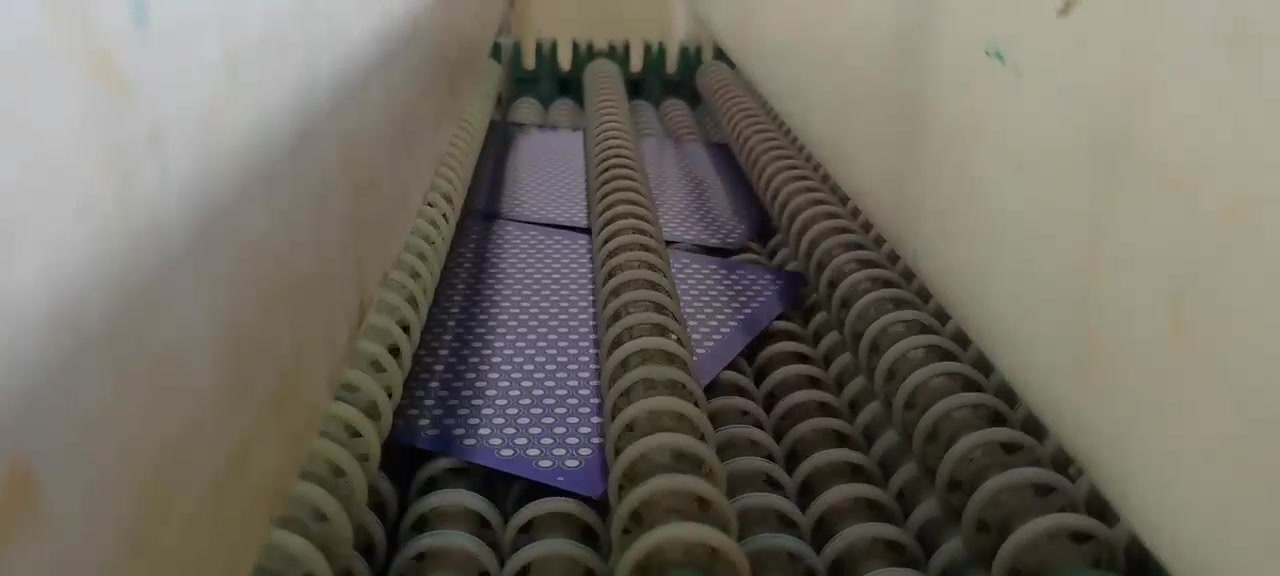
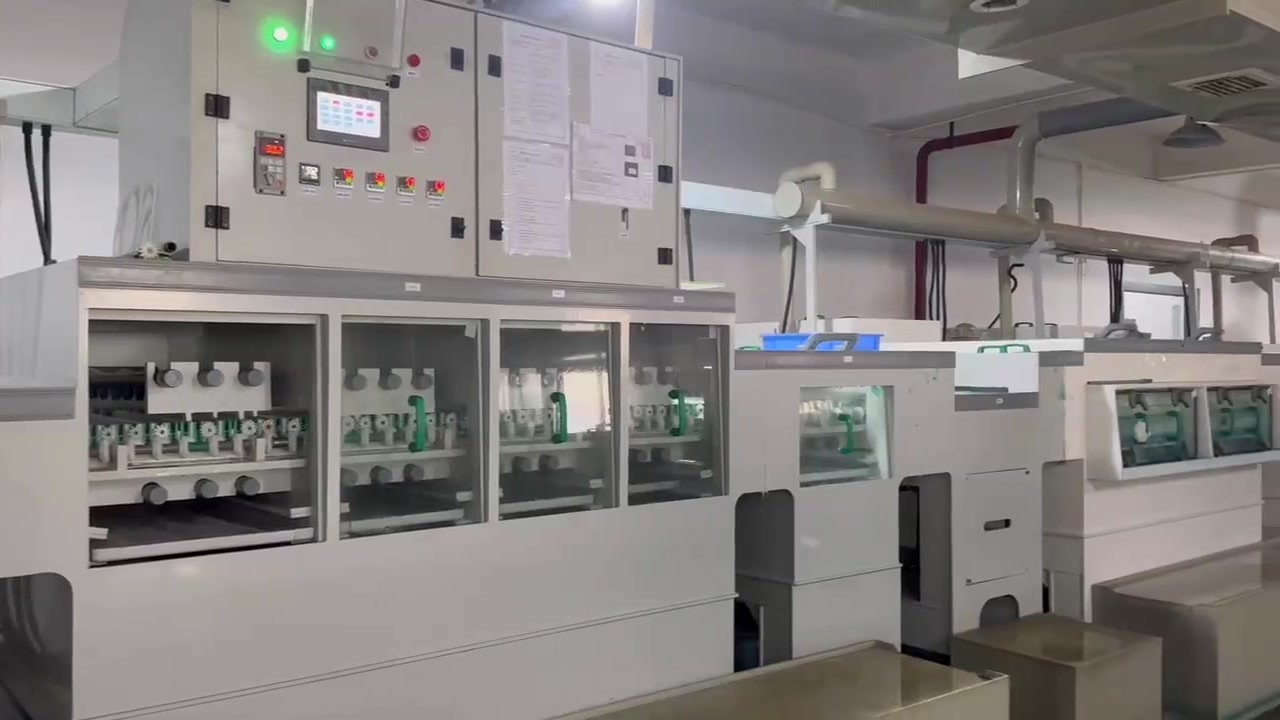
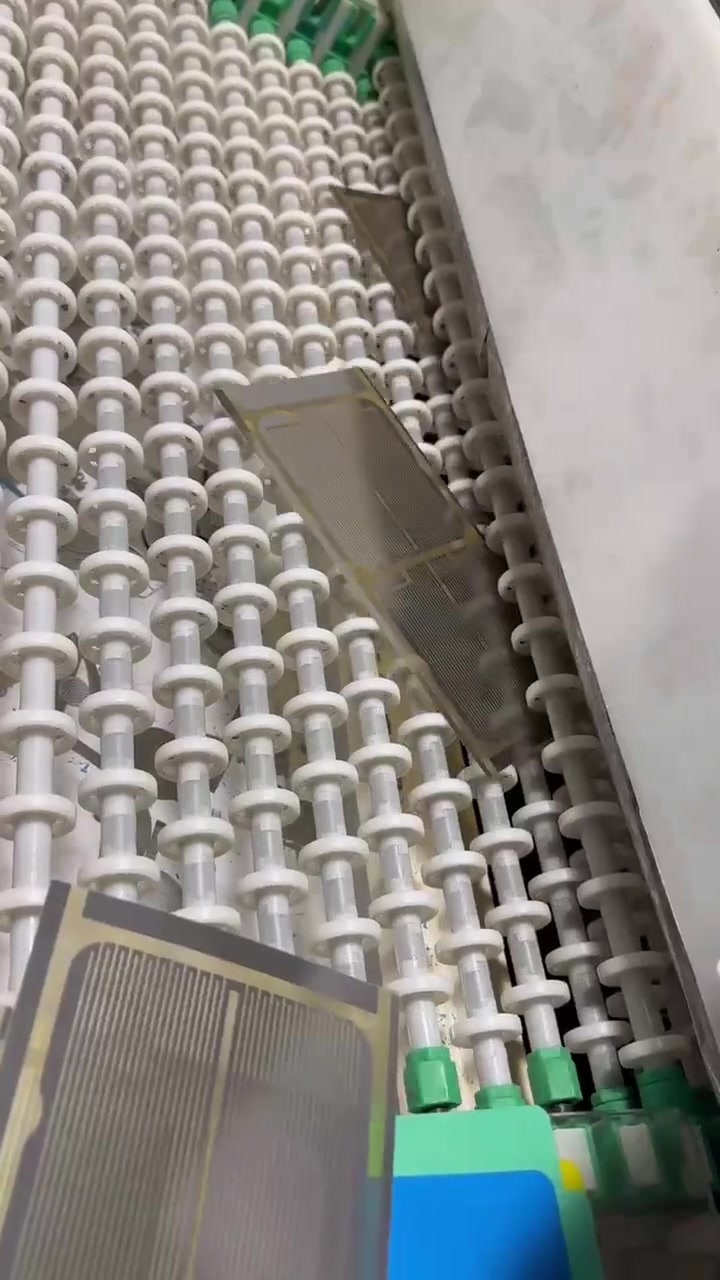
We have a full set of etching production equipment and mature processing technology. We can manufacture products in any shape with mesh sizes as small as 0.1mm, according to your requirements.

Our Advantage
Factory Direct Shipping
Our products undergo 100% QC checks before shipment, and we ensure compliance with international standards. If you require specific certifications for your target market, just let us know, and we'll meet those requirements.
Experienced Design and Manufacturing Team
We work closely with customers from the design phase to help avoid potential product flaws, ensuring both the functionality and design meet expectations.
Excellent Supply Chain Management
We can quickly adjust production schedules to meet your urgent deadlines, whether it's for large bulk orders or smaller rush orders.
OEM & ODM Support
We offer the option to print your logo or other customizations.
Strict Quality Control
Our products undergo 100% QC checks before shipment, and we ensure compliance with international standards. If you require specific certifications for your target market, just let us know, and we'll meet those requirements.
Certificate
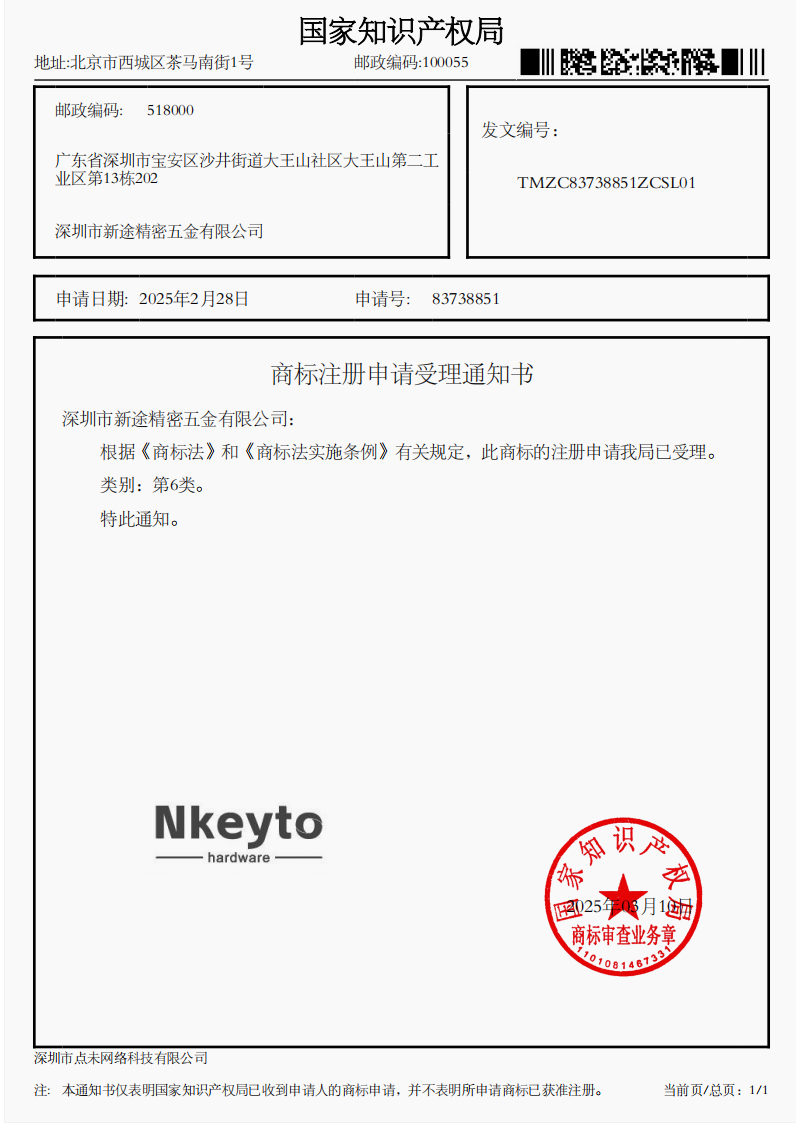
商标6类

9001
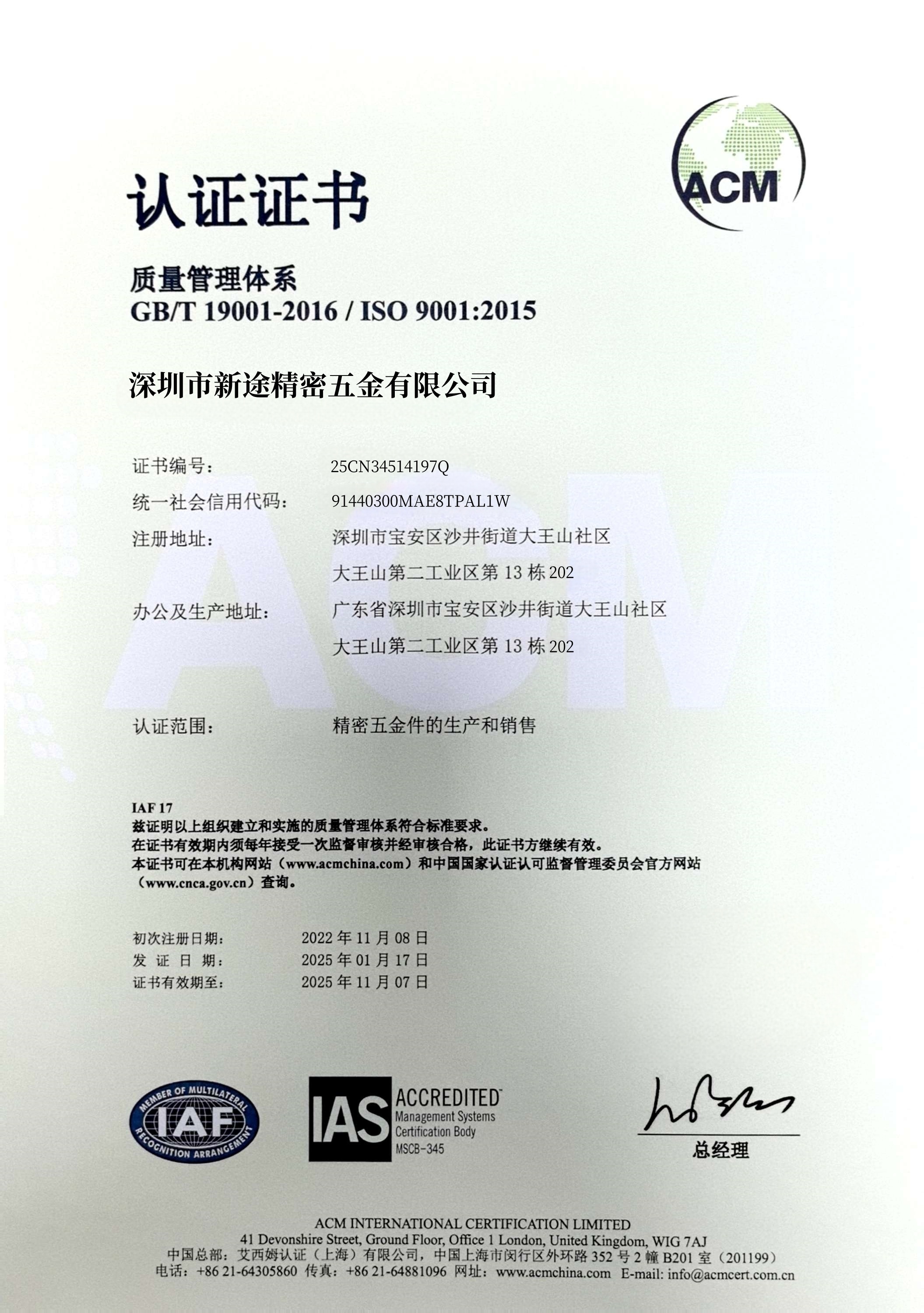
质量认证


Related Products

Shenzhen Nkeyto Precision Hardware Co., Ltd. is a factory specializing in precision hardware processing, committed to providing customers with high-quality products and services.We look forward to working with you.
Contact Us

E-mail: luna@nkeyto.com

Tel: +1 213-221-9094

Add: 13th Building, 202, Dawangshan Second Industrial Zone, Dawangshan Community, Shajing Street, Bao'an District, Shenzhen, Guangdong Province
Powered by: CEglobal
Copryright © 2025 Shenzhen Xintu Precision Hardware Co., Ltd.




Back To Top