



Precision Encoder Disc Metal Optical High Resolution Component
Category:
Key Words:
Product parameters
Parameter | Specification |
Material | Stainless Steel 304 / 301 |
Thickness | 0.02 – 0.5 mm |
Diameter | 10 – 200 mm |
Resolution | 100 – 5000+ lines |
Slot Type | Through slot / grating / custom |
Tolerance | ±2 – ±10 μm |
Process | Chemical Etching / Laser Cutting / CNC |
Surface | Matte / Polished |
Mounting | Center hole / custom holes |
Customization | Supported (OEM / ODM) |
Product Description
Product Introduction:
This precision encoder disc is a high resolution metal disc designed for fine pitch optical encoding applications. The optical disc provides excellent light transmission consistency and signal stability, making it ideal for high resolution motion control systems. As a durable precision disc, it ensures reliable performance in demanding industrial environments.
Applications:
High resolution encoders, robotics, motion control systems, precision automation, industrial machinery
Engineering Precision for Robotic Motion Control
The Heart of the Robot: The Encoder Disc
In the sophisticated world of Robotics, the difference between a jerky movement and a fluid, precise motion lies in the feedback loop. At the core of this loop is the Precision Encoder Disc. This component acts as the "eye" of the motor, telling the controller exactly where the robotic joint is positioned, how fast it is moving, and in which direction.
At our facility, we understand that for high-performance Motion Control, standard components are not enough. We specialize in manufacturing High-Resolution Encoder Discs that provide the signal integrity required by modern servo systems and collaborative robots.
Why Metal Optical Components are Dominating Robotics
Historically, glass was the material of choice for high-precision encoders. However, the harsh reality of industrial and mobile robotics—vibration, shock, and thermal fluctuation—has shifted the demand toward metal.
Our Metal Optical Components, crafted from premium stainless steel, offer distinct advantages in robotic applications:
- Shock Resistance: Unlike fragile glass, our metal discs can withstand the high G-forces and vibrations common in fast-moving robotic arms.
- Thermal Stability: Metal dissipates heat more effectively than plastic or glass, maintaining dimensional stability even when mounted directly on a heating motor shaft.
- Miniaturization: As robots shrink in size (such as in surgical robotics or cobots), the encoder must follow suit. Our manufacturing process allows for extremely thin, lightweight discs that reduce rotational inertia.
The Manufacturing Edge: Why We Choose Chemical Etching
To achieve the high resolution required for smooth motion control, the geometry of the disc's slots must be perfect. This is where our process diverges from traditional manufacturing.
Comparison of Manufacturing Methods for Encoder Discs:
Feature | Mechanical Punching | Laser Cutting | Chemical Etching (Our Process) |
|---|---|---|---|
Edge Quality | Leaves burrs (requires deburring) | Heat-affected zone (dross) | Burr-free & Smooth |
Material Stress | High mechanical stress (warping) | Thermal stress (distortion) | Zero Stress (Perfectly Flat) |
Resolution | Limited by tool wear | Limited by beam width | High Resolution (Complex Patterns) |
Why this matters for your Robot:
- Signal Clarity: Burrs and rough edges scatter light, creating "noise" in the signal. Our Chemical Etching process dissolves the metal to create perfectly smooth edges, ensuring the optical sensor receives a clean, digital-like signal.
- Complex Geometries: Robotic joints often require specific patterns, such as sine/cosine tracks or absolute coding. Etching allows us to produce these complex geometries without the high cost of hard tooling.
- Flatness: A warped disc will wobble, causing signal dropouts. Our stress-free process ensures the Precision Encoder Disc remains perfectly flat, guaranteeing consistent performance at high RPMs.
Technical Specifications
- Material: High-Grade Stainless Steel (SUS304, SUS316)
- Resolution: Customizable line counts for high-precision feedback.
- Tolerance: ±0.02mm for precise alignment with optical sensors.
- Feature Size: Capable of etching slots as fine as 0.1mm.
- Surface Finish: Clean, oxide-free, and ready for optical coating.
Ready to Enhance Your Motion Control System?
Don't compromise on the component that defines your robot's accuracy. Partner with a manufacturer that specializes in high-precision Motion Control components. Contact us today for a technical consultation on your Precision Encoder Disc requirements.
Get in touch with us:
- Contact Person: Luna
- Company: NKEYTO (Shenzhen Xintu Precision Hardware Co., Ltd.)
- WhatsApp: 12132219094
Questions and Answers
Frequently Asked Questions (FAQ)
Q1: How does resolution impact the "jitter" in robotic movements?
A: "Jitter" or jerky motion often occurs when the encoder resolution is too low for the control system to make fine adjustments. Our High-Resolution Encoder Discs provide a dense stream of data points per revolution, allowing the motion controller to smooth out the velocity and position commands, resulting in fluid movement.
Q2: Can metal discs really match the precision of glass?
A: For the vast majority of industrial and collaborative robotic applications, yes. While glass has a slight edge in ultra-high-end metrology, our Metal Optical Components offer a better balance of precision, durability, and cost. They provide the accuracy needed for robotics while surviving the environmental hazards that would shatter a glass disc.
Q3: We are designing a compact "Cobot" joint. Can you help with miniaturization?
A: Absolutely. Chemical etching is the ideal process for miniaturization. We can produce Precision Encoder Discs with very small diameters and thin profiles (under 0.1mm thickness), helping you reduce the weight and inertia of the robotic joint for more efficient design.
Q4: What is the advantage of your "burr-free" process?
A: In an optical encoder, light passes through the slots. Any physical imperfection, like a burr from punching, acts as an obstacle that diffracts light. This leads to signal errors. Our process ensures the light path is completely unobstructed, maximizing the signal-to-noise ratio.
Factory Description
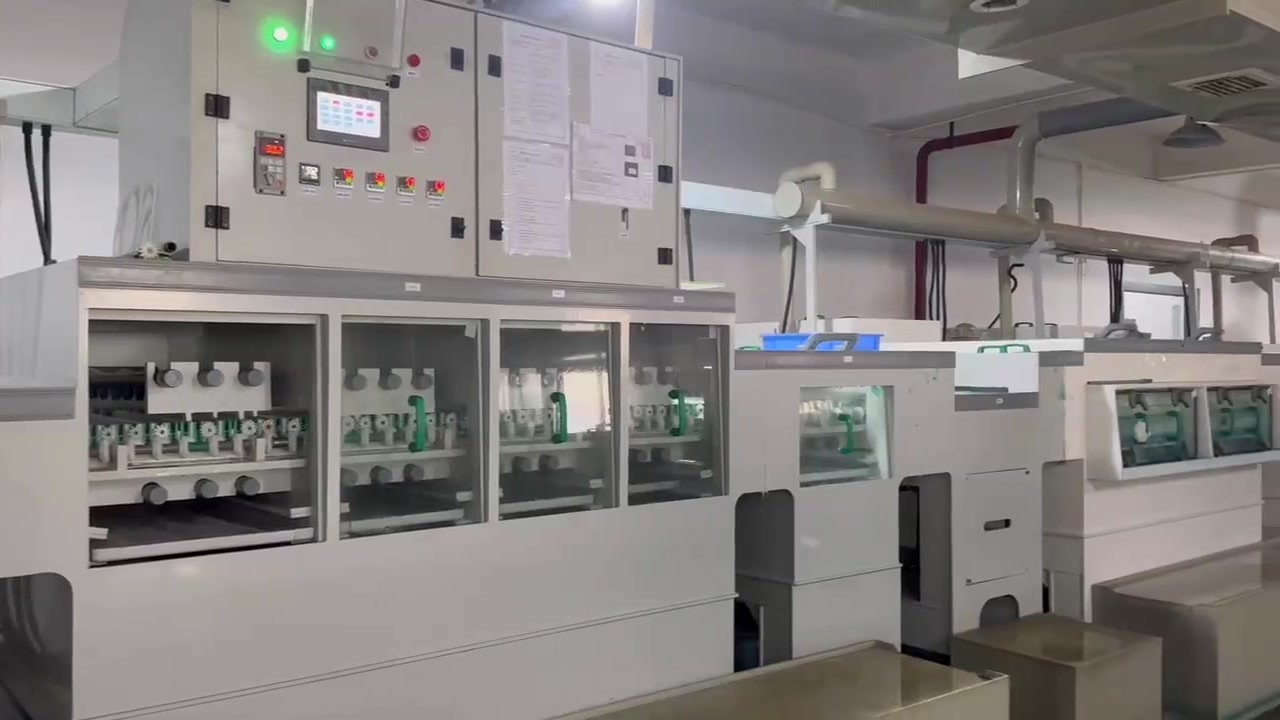
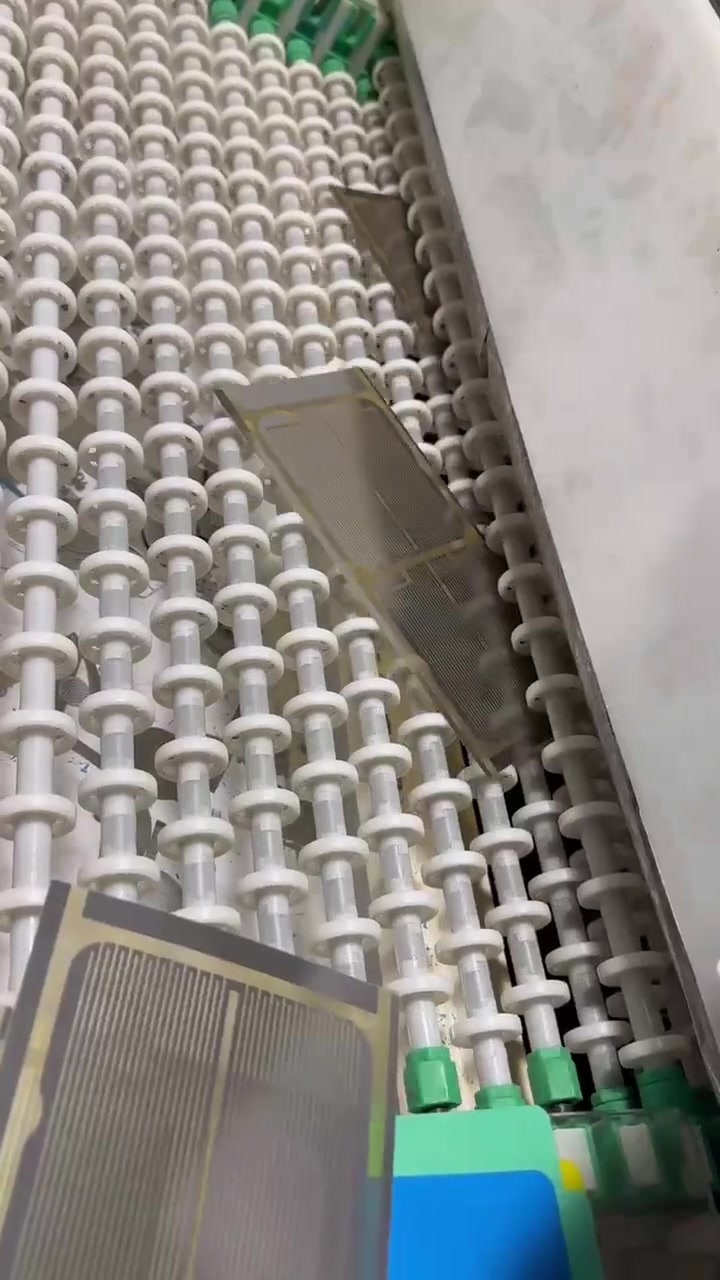
We have a full set of etching production equipment and mature processing technology. We can manufacture products in any shape with mesh sizes as small as 0.1mm, according to your requirements.


Our Advantage
Factory Direct Shipping
Our products undergo 100% QC checks before shipment, and we ensure compliance with international standards. If you require specific certifications for your target market, just let us know, and we'll meet those requirements.
Experienced Design and Manufacturing Team
We work closely with customers from the design phase to help avoid potential product flaws, ensuring both the functionality and design meet expectations.
Excellent Supply Chain Management
We can quickly adjust production schedules to meet your urgent deadlines, whether it's for large bulk orders or smaller rush orders.
OEM & ODM Support
We offer the option to print your logo or other customizations.
Strict Quality Control
Our products undergo 100% QC checks before shipment, and we ensure compliance with international standards. If you require specific certifications for your target market, just let us know, and we'll meet those requirements.
Certificate
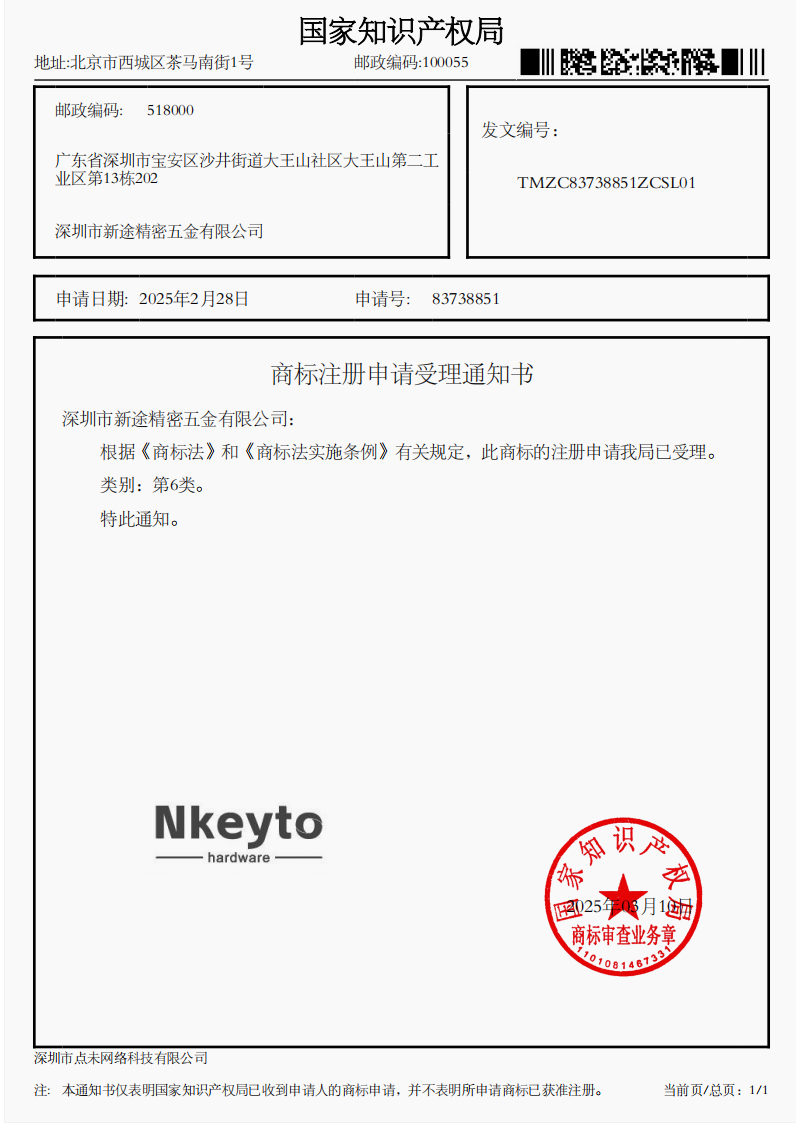
商标6类

9001
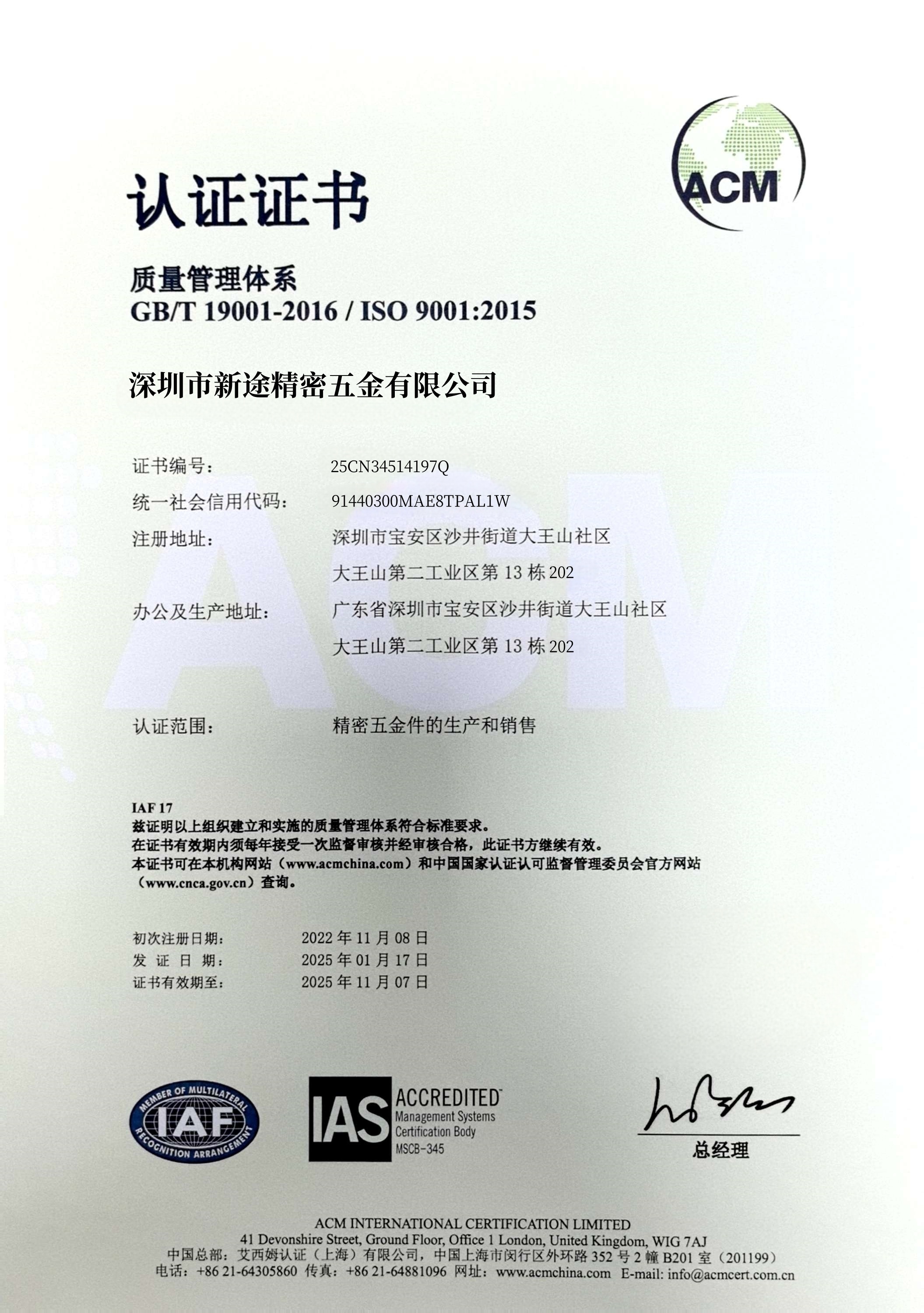
质量认证


Related Products

Shenzhen Nkeyto Precision Hardware Co., Ltd. is a factory specializing in precision hardware processing, committed to providing customers with high-quality products and services.We look forward to working with you.
Contact Us

E-mail: luna@nkeyto.com

Tel: +1 213-221-9094

Add: 13th Building, 202, Dawangshan Second Industrial Zone, Dawangshan Community, Shajing Street, Bao'an District, Shenzhen, Guangdong Province
Powered by: CEglobal
Copryright © 2025 Shenzhen Xintu Precision Hardware Co., Ltd.




Back To Top