



Precision Etched Metal Sealing Cover Plate
Category:
Key Words:
Product parameters
Parameter | Typical Range / Specification |
Product Name | Metal Sealing Cover / Packaging Cover / Shielding Lid |
Material | Stainless Steel 304 / 316 / 316L (others on request) |
Thickness | 0.05 – 1.0 mm |
Structure Type | Flat Plate / Edge Formed / Pressed Structure |
Surface Condition | Smooth / Clean / Burr-free |
Flatness | ≤ 0.02 – 0.05 mm (depending on size) |
Tolerance | ±0.01 – ±0.05 mm |
Edge Condition | Smooth edge / No sharp burrs |
Corner Type | Rounded corner / Chamfered edge |
Processing Method | Chemical Etching / Stamping / CNC |
Surface Treatment | Passivation / Polishing / Brushing / Coating (optional) |
Welding Compatibility | Suitable for laser welding / resistance welding |
Sealing Method | Adhesive bonding / Welding / Mechanical fitting |
Shape | Rectangular / Square / Custom geometry |
Size | Fully customizable |
OEM / ODM | Fully supported |
Drawing Format | CAD / PDF / DWG / DXF |
Application | Electronic packaging / EMI shielding / Module sealing |
Product Description
Product Description
This precision etched metal sealing cover plate is manufactured using advanced chemical etching technology, ensuring burr-free edges, high accuracy, and stress-free processing. Compared with stamping, the etched process provides better flatness and fine detail control, making it suitable for high-precision sealing applications.
Applications
Precision electronic components
Optical and sensing equipment
Micro device packaging
High-accuracy assemblies
Custom metal parts
Stamping vs. Chemical Etching: Why Precision Sealing Covers Require Burr-Free Edges
In precision engineering, the difference between a seamless assembly and a production bottleneck often comes down to microns. For engineers designing enclosures for sensitive electronics, medical devices, or aerospace components, the sealing cover is a critical line of defense. It must fit perfectly to protect internal circuitry from moisture, dust, and pressure fluctuations.
However, traditional manufacturing methods often struggle to deliver the required perfection for complex, thin-wall components. This is where the Chemical Etching Process offers a distinct advantage over conventional stamping, delivering the stress-free manufacturing required for high-end applications.
The Limitations of Traditional Stamping
Stamping has been the industry standard for decades, but it relies on brute force. When a metal sheet is forced through a die, the material undergoes significant mechanical stress.
For simple, thick parts, this is rarely an issue. But for thin, complex sealing covers, stamping creates inherent physical problems:
- Burrs and Sharp Edges: The shearing action of stamping often leaves microscopic metal shards (burrs) on the edges. In a sealing application, these burrs can prevent a tight gasket fit or, worse, break off and contaminate the sensitive electronics inside.
- Material Deformation: The physical pressure creates internal stress, leading to warping or "dishing." A warped cover cannot create a hermetic seal, leading to potential product failure.
- Tooling Limitations: Hard tooling is expensive and inflexible. Changing a design means scrapping the old die and building a new one.
The NKEYTO Advantage: Chemical Etching
At NKEYTO, we utilize chemical etching (photochemical machining) to bypass these physical limitations. Unlike stamping, which is a mechanical "hammering" process, etching is a chemical "dissolving" process.
We use corrosive chemicals to selectively remove material from a metal sheet that has been coated with a photoresist mask. Because the chemicals attack the metal from both sides simultaneously, the result is a smooth, vertical wall with zero mechanical stress.
This stress-free manufacturing approach ensures that the metal retains its original grain structure and physical properties. For a Burr-free Metal Cover, this translates to:
- Perfect Flatness: No warping caused by tool pressure, ensuring a reliable seal.
- Clean Edges: Smooth surfaces that are safe to handle and ideal for mating with gaskets.
- No Heat Affected Zone: Unlike laser cutting, etching does not melt the edges, preserving the material's integrity.
Precision by the Numbers
The capabilities of chemical etching extend beyond just edge quality. It allows for geometries that are impossible or prohibitively expensive to achieve with hard tooling.
Feature | Traditional Stamping | Chemical Etching (NKEYTO) |
|---|---|---|
Edge Quality | Burrs present, requires secondary deburring | Burr-free, smooth edges |
Tooling Cost | High (Hard dies required) | Low (Digital tools) |
Lead Time | Weeks (Tool fabrication) | Days (Digital setup) |
Minimum Aperture | Limited by punch strength | 0.1mm (Micro-holes) |
Why It Matters for Sealing Covers
When you specify a Precision Etched Metal Sealing Cover Plate, you are choosing a component designed for reliability.
For instance, in medical or optical applications, a cover might require a series of micro-vents to equalize pressure without letting water in. Stamping a 0.1mm hole in thin metal is incredibly difficult and wears out tools quickly. With our etching process, we can produce arrays of these micro-holes with absolute consistency.
Furthermore, because the process is digital, we can iterate designs rapidly. If you need to adjust the vent pattern or the thickness of the cover, we can update the digital mask instantly, without the cost of modifying physical dies.
Conclusion
For high-volume, simple parts, stamping has its place. But for Precision Etched Parts that demand high accuracy, complex geometries, and flawless edges, chemical etching is the superior choice. It eliminates the risks of burrs and stress, ensuring your sealing covers perform exactly as intended.
Ready to upgrade your component quality?
Contact us to discuss how our etching process can solve your design challenges.
Contact Us:
- Company: NKEYTO (Shenzhen Xintu Precision Hardware Co., Ltd.)
- Contact Person: Luna
- WhatsApp: 12132219094
Questions and Answers
Frequently Asked Questions (FAQ)
Q1: What materials can be processed using chemical etching?
We can etch almost any metal, including Stainless Steel (304, 316), Copper, Brass, Aluminum, and Nickel alloys. Stainless steel is most common for sealing covers due to its durability and corrosion resistance.
Q2: Is chemical etching cost-effective for small batches?
Yes. Since we use digital tooling (photo-tools) instead of expensive hard metal dies, the setup cost is significantly lower. This makes it the most economical choice for prototypes and low-to-medium volume production.
Q3: How does the edge quality compare to laser cutting?
While laser cutting is precise, it is a thermal process that can leave a slight oxide layer or "heat affected zone" on the edge. Chemical etching is a cold process, leaving the edge chemically clean and smooth, which is often better for plating or sealing applications.
Q4: Can you etch very thin materials?
Absolutely. We specialize in processing thin metals (from 0.03mm upwards). The etching process is gentle and does not distort thin sheets, unlike the heavy pressure of stamping.
Factory Description
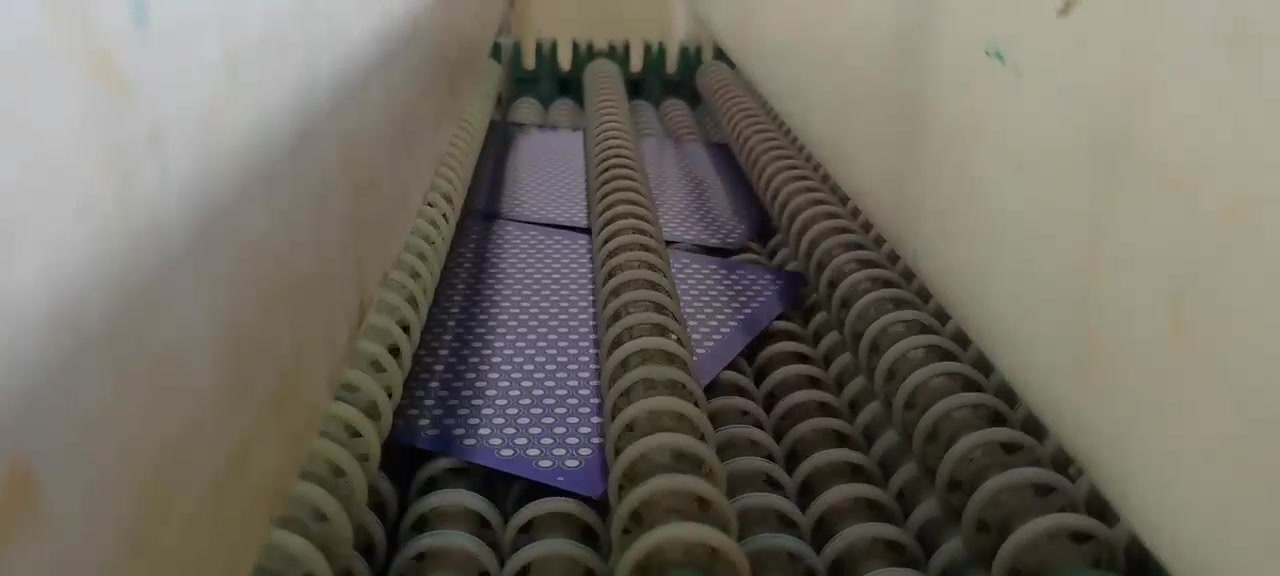
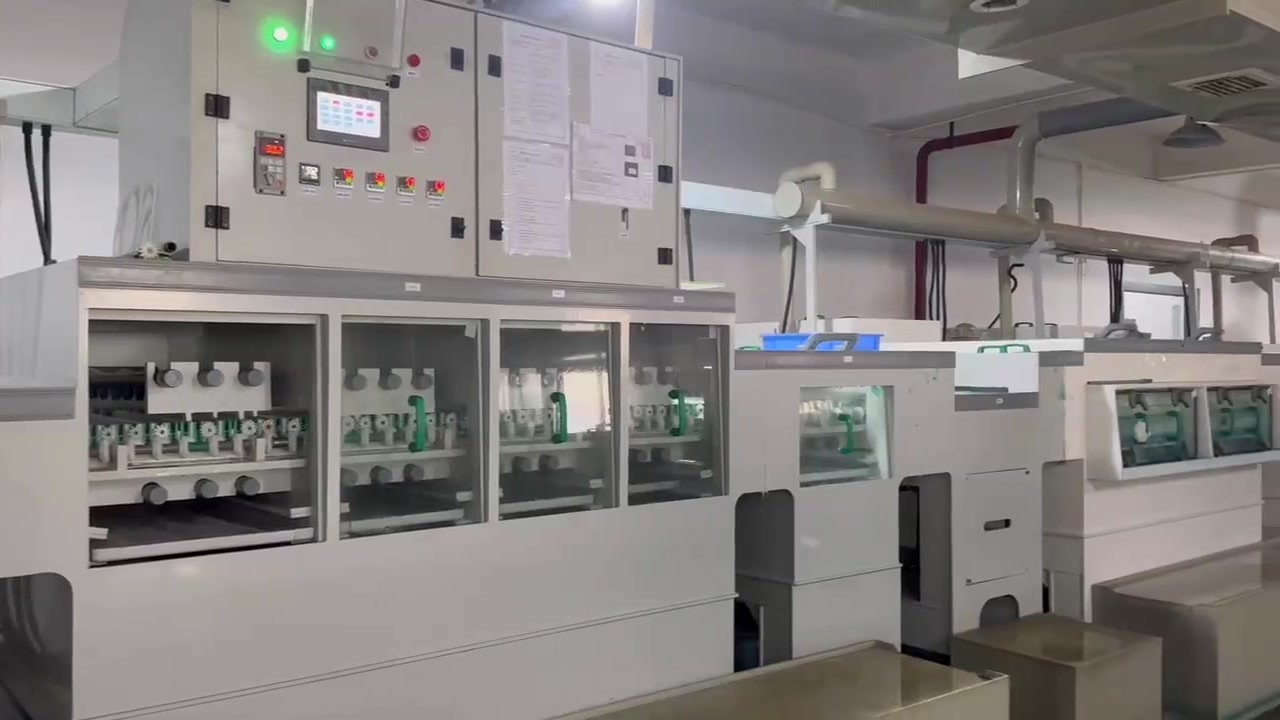
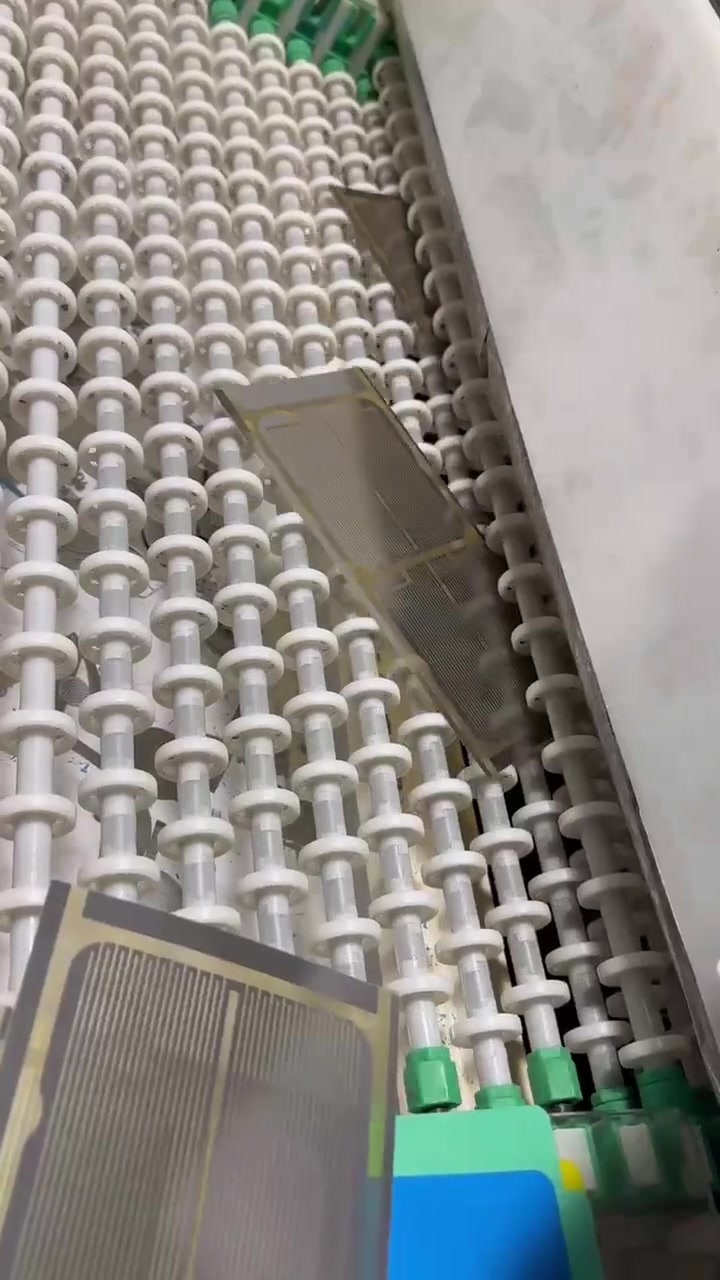
We have a full set of etching production equipment and mature processing technology. We can manufacture products in any shape with mesh sizes as small as 0.1mm, according to your requirements.

Our Advantage
Factory Direct Shipping
Our products undergo 100% QC checks before shipment, and we ensure compliance with international standards. If you require specific certifications for your target market, just let us know, and we'll meet those requirements.
Experienced Design and Manufacturing Team
We work closely with customers from the design phase to help avoid potential product flaws, ensuring both the functionality and design meet expectations.
Excellent Supply Chain Management
We can quickly adjust production schedules to meet your urgent deadlines, whether it's for large bulk orders or smaller rush orders.
OEM & ODM Support
We offer the option to print your logo or other customizations.
Strict Quality Control
Our products undergo 100% QC checks before shipment, and we ensure compliance with international standards. If you require specific certifications for your target market, just let us know, and we'll meet those requirements.
Certificate
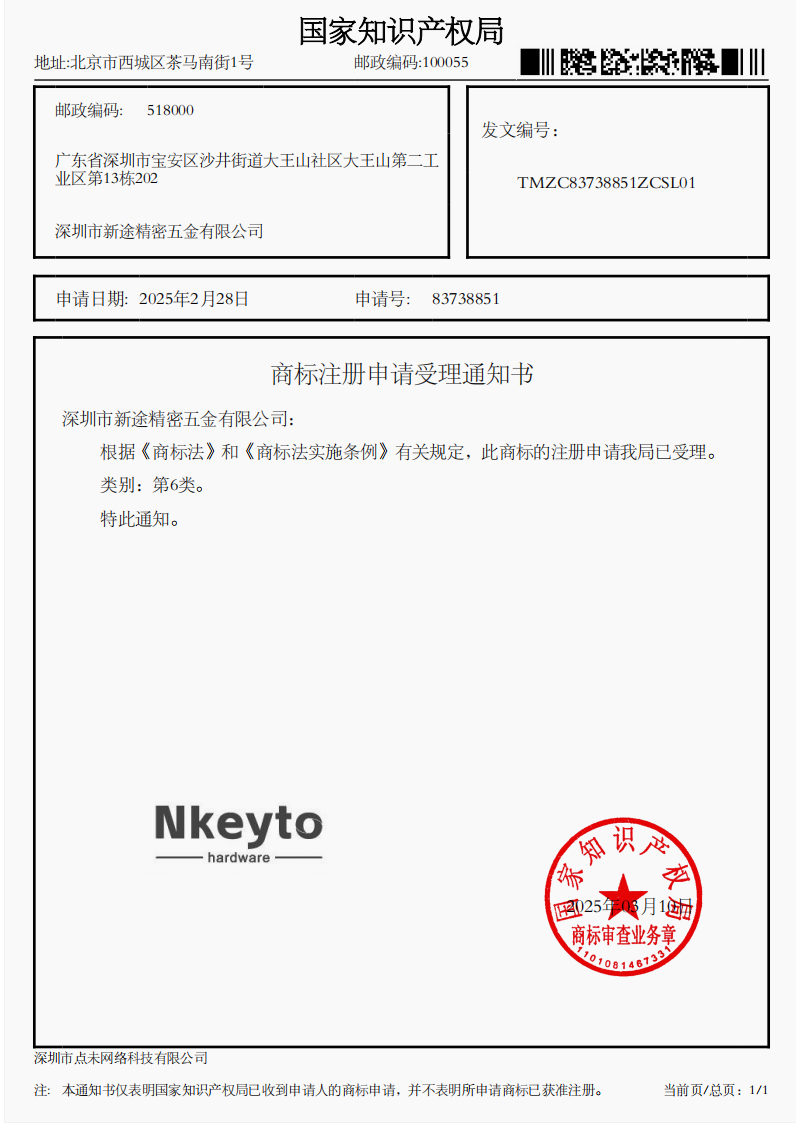
商标6类

9001
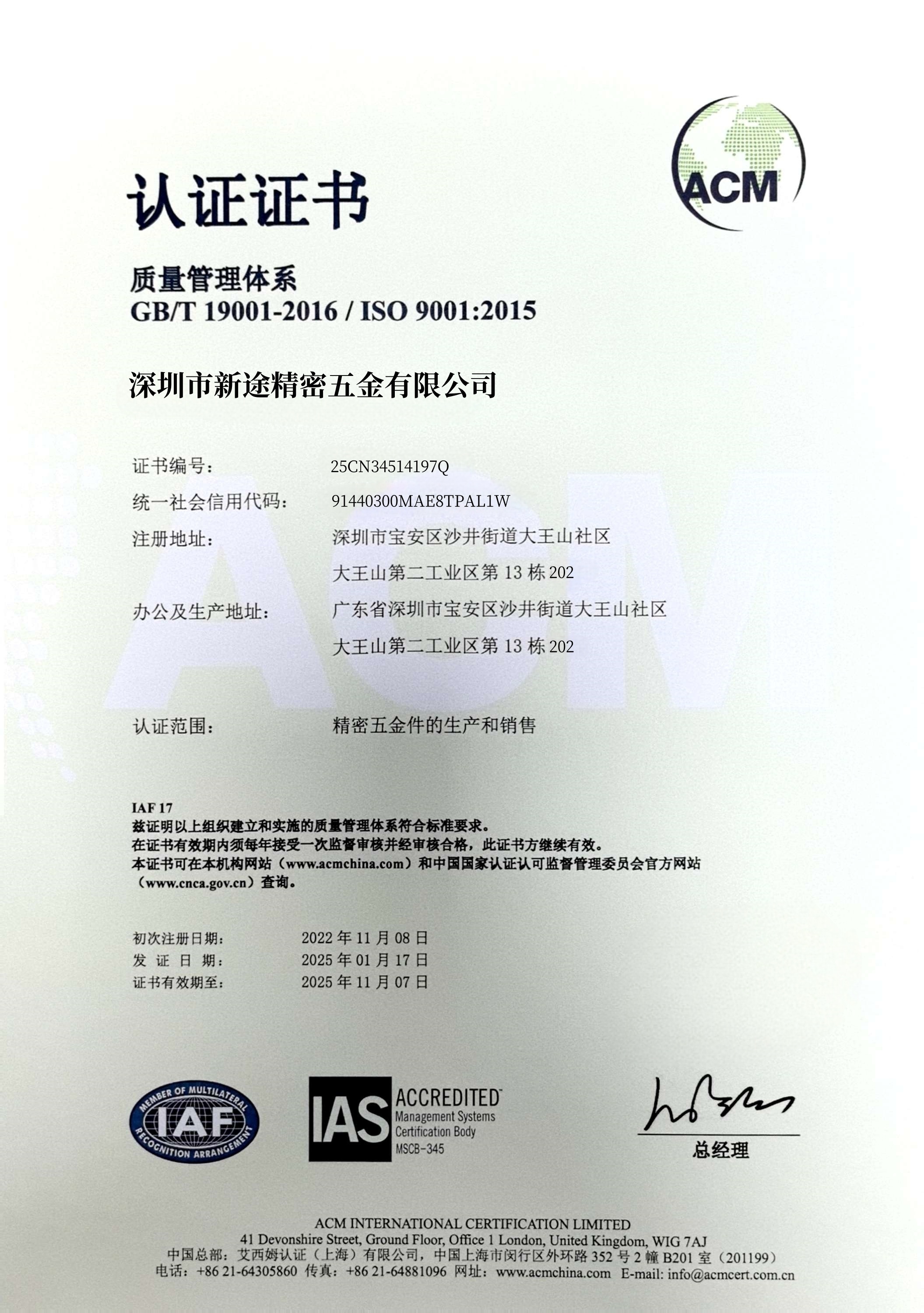
质量认证


Related Products

Shenzhen Nkeyto Precision Hardware Co., Ltd. is a factory specializing in precision hardware processing, committed to providing customers with high-quality products and services.We look forward to working with you.
Contact Us

E-mail: luna@nkeyto.com

Tel: +1 213-221-9094

Add: 13th Building, 202, Dawangshan Second Industrial Zone, Dawangshan Community, Shajing Street, Bao'an District, Shenzhen, Guangdong Province
Powered by: CEglobal
Copryright © 2025 Shenzhen Xintu Precision Hardware Co., Ltd.




Back To Top