



Precision Molybdenum Aperture Plate Micro Hole Optical Light Control Component
Category:
Key Words:
Product parameters
Parameter | Specification / Range | Notes |
Product Name | Precision Molybdenum Aperture Plate / Micro Hole Disc | Optical / Laser / Vacuum Grade |
Material | Pure Molybdenum (Mo ≥ 99.95%) | High purity, stable performance |
Density | 10.2 g/cm³ | High density metal |
Melting Point | 2620°C | Excellent high temperature resistance |
Working Temperature | ≤1800°C (vacuum/inert gas) | Key advantage over stainless steel |
Thermal Expansion Coefficient | 4.8–5.1 ×0.000001/K | Very low expansion |
Thermal Conductivity | ~138 W/m·K | Good heat dissipation |
Thickness | 0.02 – 1.0 mm | Ultra-thin achievable |
Tolerance | ±0.003 – ±0.01 mm | Higher precision than standard metal parts |
Aperture Size (Hole Diameter) | ≥0.01 mm | Micro hole capability |
Hole Accuracy | ±2–5 μm | Critical for optical alignment |
Minimum Feature Size | ≥0.01 mm | Depends on thickness |
Surface Condition | Bright / matte / blackened (optional) | Anti-reflection available |
Surface Treatment | Polishing / black coating / oxidation | Optical-grade optional |
Edge Quality | Burr-free, smooth edge | Etching advantage |
Flatness | ≤0.02 mm | High flatness for optical use |
Shape | Round, ring, micro hole, custom design | OEM supported |
Max Size | ≤300 mm (recommended) | Larger upon request |
Process | Chemical Etching / Laser Drilling / Precision Machining | Based on feature size |
Vacuum Compatibility | Excellent | Low outgassing |
Oxidation Resistance | Limited in air (>400°C) | Recommend vacuum use |
Customization | Full OEM / ODM | Based on drawing or sample |
Product Description
Product Introduction
This precision molybdenum aperture plate is designed for optical light control and micro hole positioning in high-end optical systems. As an optical plate and aperture plate, it is suitable for beam limiting, light blocking, and stray light suppression where dimensional stability is critical. Compared with stainless steel parts, the precision plate made of molybdenum offers lower thermal expansion, better thermal stability, and more reliable performance in demanding environments. This molybdenum plate can be customized in hole diameter, thickness, outer profile, and surface condition for OEM optical assemblies.
Applications
Optical light control components, optical aperture assemblies, beam limiting parts, imaging modules, optical measuring instruments, laser alignment devices, laboratory optical systems
Advantage
High thermal stability for precision optical use
Low thermal expansion for stable aperture performance
Suitable for vacuum and high-end optical environments
Micro hole processing available for precision light control
Designed for high temperature, vacuum, and precision optical applications
Why Choose Molybdenum for Precision Optical Aperture Plates? Performance vs. Stainless Steel
In the world of high-end optical systems and vacuum applications, material selection isn't just a checkbox—it's the deciding factor between system stability and failure. For years, stainless steel has been the go-to for general precision components due to its availability and cost-effectiveness. But as optical requirements push into higher temperatures, harder vacuums, and tighter tolerances, engineers are increasingly turning to a superior alternative: Molybdenum.
At our factory, we've seen a significant shift in demand for molybdenum aperture plates, especially for applications where stainless steel simply can't maintain the required physical stability. But what makes this refractory metal the preferred choice for precision optics?
The Limitations of Stainless Steel in High-Performance Optics
Stainless steel is robust and corrosion-resistant, making it excellent for general machinery. However, in precision optical paths or laser systems, it faces two critical challenges:
- Thermal Expansion: Stainless steel has a relatively high coefficient of thermal expansion. As ambient temperature rises or the component absorbs heat from a laser beam, the metal expands. In a precision aperture with a 0.1mm micro-hole, even a microscopic expansion can shift the optical axis or alter the beam shape, leading to data errors or reduced imaging quality.
- Vacuum Outgassing: In vacuum environments (like semiconductor or electron microscopy setups), standard metals can release trapped gases (outgassing), contaminating the vacuum chamber and affecting sensor sensitivity.
Why Molybdenum? The Physics of Stability
Molybdenum (Mo) is a refractory metal known for its extreme durability and stability. When we manufacture precision optical aperture plates using molybdenum, we're leveraging three specific physical properties that outperform stainless steel.
1. Ultra-Low Thermal Expansion
The most critical advantage of molybdenum is its incredibly low coefficient of thermal expansion (approx. 5.1 × 10⁻⁶/K)—roughly half that of stainless steel.
For an optical engineer, this means a molybdenum aperture plate will maintain its exact dimensions—even the diameter of a microscopic hole—even when operating temperatures fluctuate drastically. This dimensional stability is non-negotiable for high-resolution imaging systems and laser beam control.
2. High-Temperature Resistance
Molybdenum has a melting point of approximately 2620°C. While your optical system may never reach these temperatures, this property ensures the material retains its mechanical strength and doesn't deform or soften in high-heat environments (up to 1000°C+). This makes it ideal for high-temperature optical parts used in furnace viewports or aerospace sensors.
3. Vacuum Compatibility
Molybdenum exhibits extremely low vapor pressure and minimal outgassing. This makes it a "clean" material for Ultra-High Vacuum (UHV) environments. Unlike stainless steel, which may require special passivation, high-purity molybdenum is naturally suited for semiconductor manufacturing equipment and electron microscopes.
Material Comparison: Molybdenum vs. Stainless Steel (304)
To help you decide which material fits your project, we've compiled a comparison of physical properties relevant to precision machining.
Property | Molybdenum (Mo) | Stainless Steel (304) | Advantage for Optics |
|---|---|---|---|
Melting Point | ~2620°C | ~1400°C | Molybdenum: Superior for high heat. |
Thermal Expansion | 5.1 µm/m·K | 17.3 µm/m·K | Molybdenum: 3x more stable dimensionally. |
Thermal Conductivity | 138 W/m·K | 16 W/m·K | Molybdenum: Dissipates heat faster (prevents hot spots). |
Density | 10.2 g/cm³ | 8.0 g/cm³ | Stainless: Lighter, but Mo offers more mass in less volume. |
Machinability | Difficult (Brittle) | Easy (Ductile) | Stainless: Easier to machine, but Mo offers better performance. |
Application Spotlight: Precision Apertures & High-Temp Discs
In our production facility, we utilize advanced chemical etching and precision machining to process molybdenum, overcoming its hardness to create complex geometries.
Precision Molybdenum Aperture Plates
For optical light control, we manufacture aperture plates with micro-holes ranging from 0.1mm to several millimeters. Because molybdenum is chemically stable and rigid, these plates are perfect for:
- Beam limiting: Defining the exact size of a light beam without diffraction issues caused by rough edges.
- Stray light suppression: Blocking unwanted light paths in imaging modules.
High-Temperature Metal Discs
We also produce solid or perforated discs designed for harsh environments. A common application is in vacuum chambers where a component must withstand baking cycles (heating the chamber to clean it). A stainless steel disc might warp during this process, but our molybdenum discs remain flat and dimensionally true.
Ready to Upgrade Your Optical Components?
If your project requires dimensional stability that stainless steel can't provide, it's time to switch to molybdenum. We specialize in custom OEM manufacturing of precision molybdenum aperture plates and high-temperature metal discs.
Contact us today to discuss your specifications.
- Contact: Luna
- WhatsApp: 12132219094
- Factory Location: Shenzhen, China
Questions and Answers
Frequently Asked Questions (FAQ)
Q: Can you machine complex shapes in Molybdenum, or is it too brittle?
While molybdenum is harder and more brittle than steel, our factory specializes in chemical etching and precision laser/CNC processes specifically tuned for refractory metals. We can produce complex aperture shapes, slots, and micro-holes without inducing the stress cracks often associated with mechanical punching.
Q: What is the surface finish of a molybdenum aperture?
Standard molybdenum plates typically have a chemically cleaned or ground surface. For optical applications requiring minimal reflection, we can perform additional surface treatments or electropolishing to reduce surface roughness and prevent stray light scattering.
Q: Is Molybdenum more expensive than Stainless Steel?
Yes, the raw material cost is higher. However, when you consider the cost of system failure, recalibration, or part replacement in a high-temperature vacuum environment, molybdenum is often the more cost-effective choice over the device's lifecycle.
Q: What is the minimum hole size you can achieve in Molybdenum?
Using our precision etching and micro-machining capabilities, we can achieve micro-holes as small as 0.1mm (and smaller depending on thickness) with high positional accuracy.
Factory Description
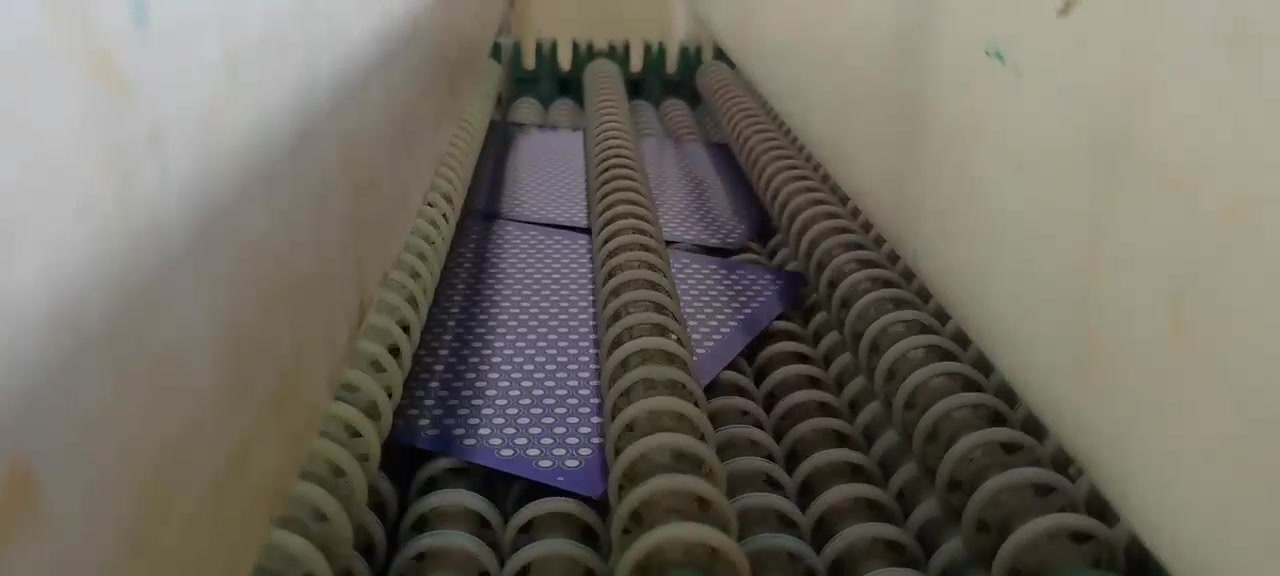
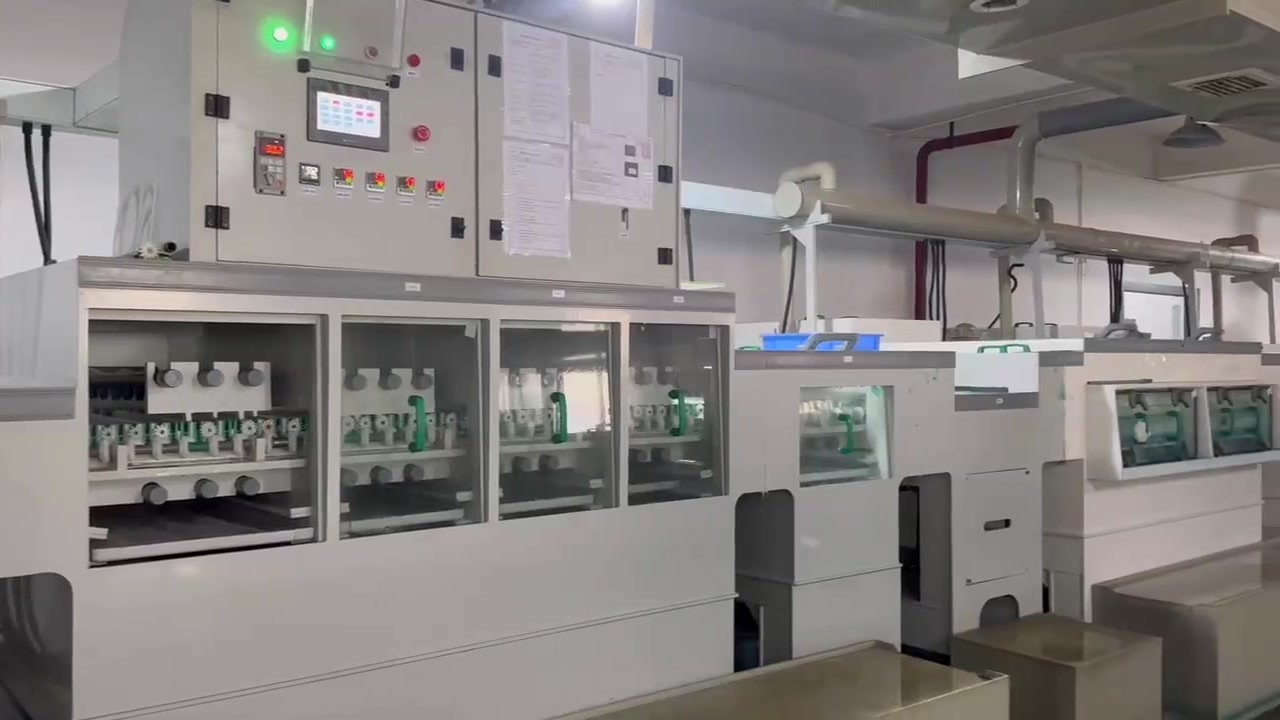
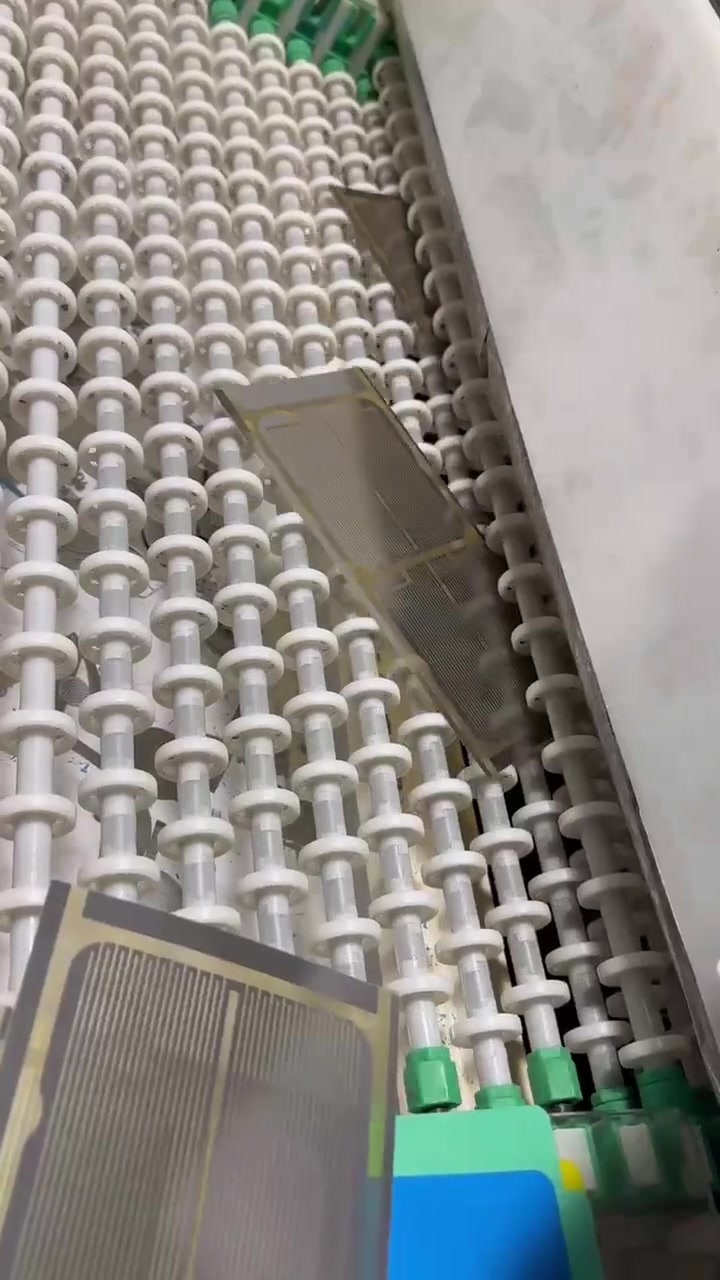
We have a full set of etching production equipment and mature processing technology. We can manufacture products in any shape with mesh sizes as small as 0.1mm, according to your requirements.

Our Advantage
Factory Direct Shipping
Our products undergo 100% QC checks before shipment, and we ensure compliance with international standards. If you require specific certifications for your target market, just let us know, and we'll meet those requirements.
Experienced Design and Manufacturing Team
We work closely with customers from the design phase to help avoid potential product flaws, ensuring both the functionality and design meet expectations.
Excellent Supply Chain Management
We can quickly adjust production schedules to meet your urgent deadlines, whether it's for large bulk orders or smaller rush orders.
OEM & ODM Support
We offer the option to print your logo or other customizations.
Strict Quality Control
Our products undergo 100% QC checks before shipment, and we ensure compliance with international standards. If you require specific certifications for your target market, just let us know, and we'll meet those requirements.
Certificate
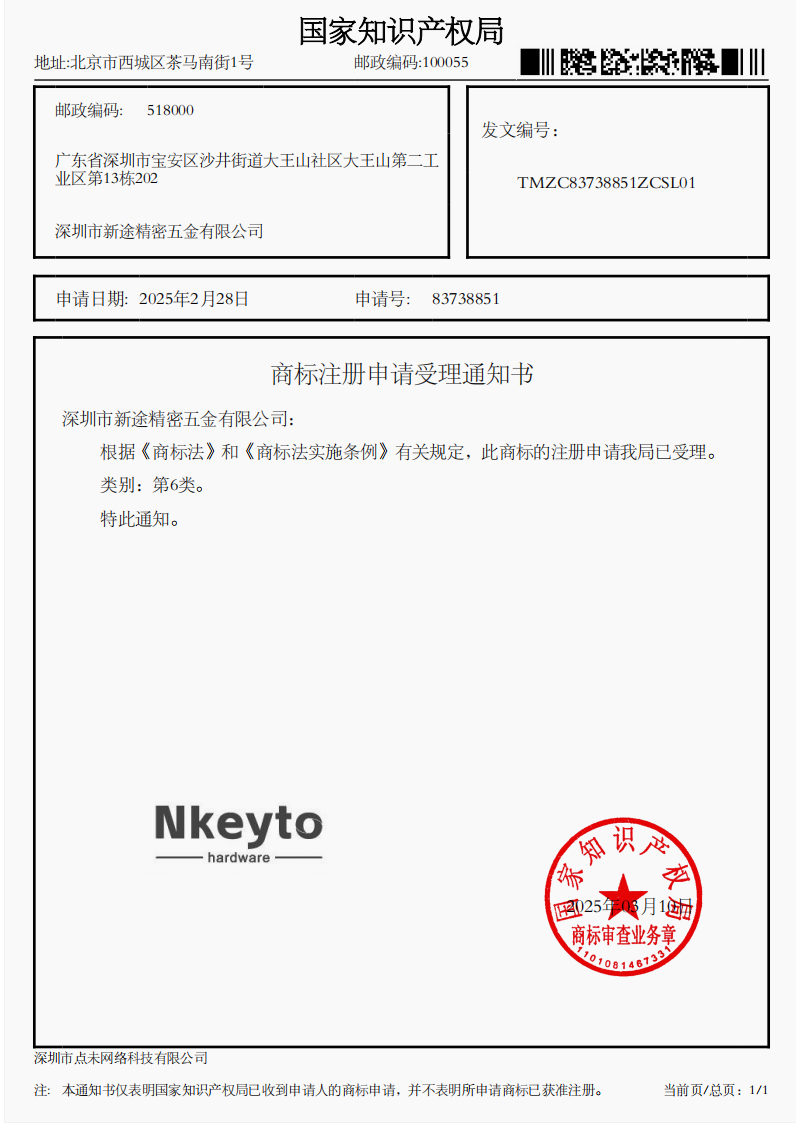
商标6类

9001
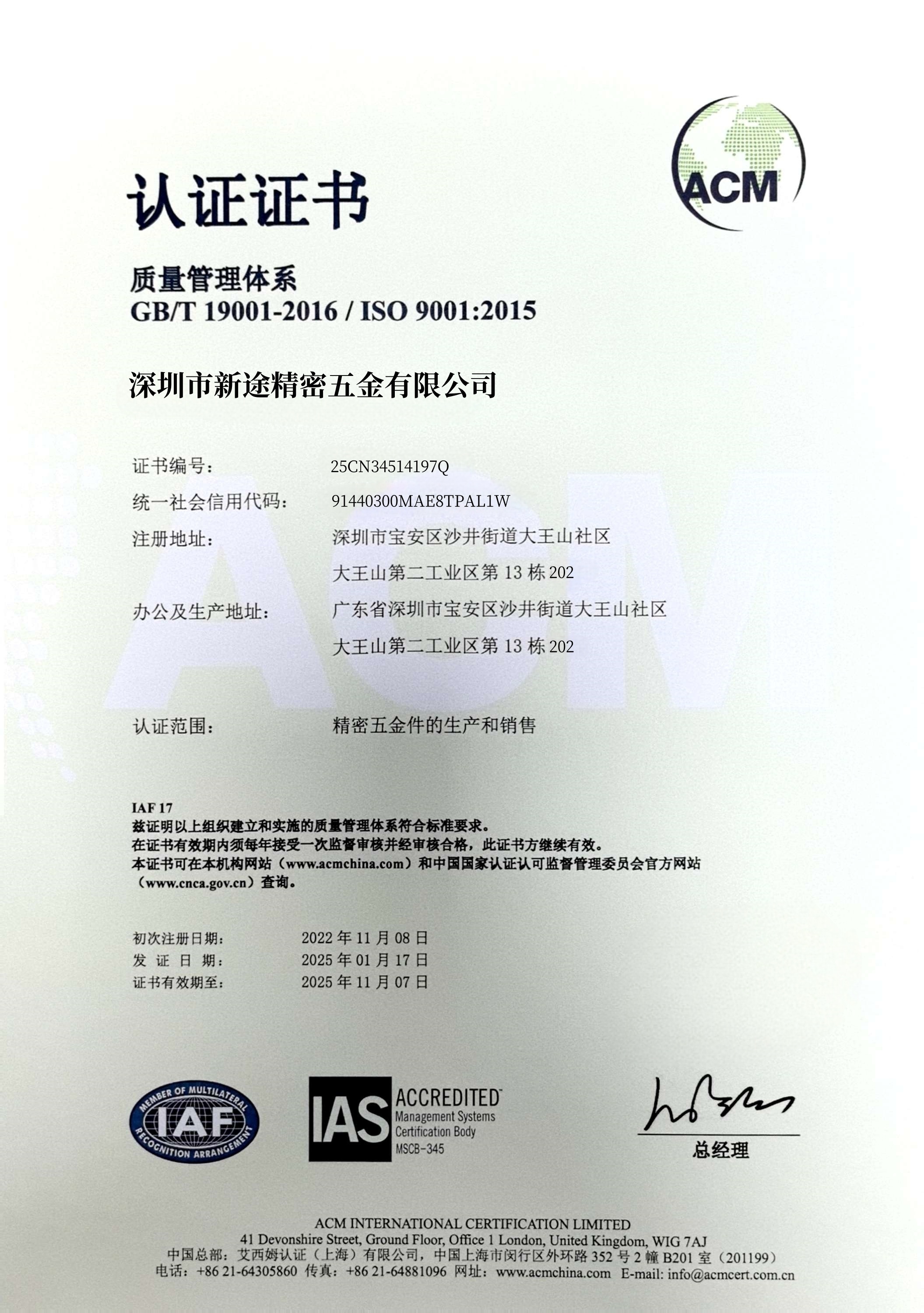
质量认证


Related Products

Shenzhen Nkeyto Precision Hardware Co., Ltd. is a factory specializing in precision hardware processing, committed to providing customers with high-quality products and services.We look forward to working with you.
Contact Us

E-mail: luna@nkeyto.com

Tel: +1 213-221-9094

Add: 13th Building, 202, Dawangshan Second Industrial Zone, Dawangshan Community, Shajing Street, Bao'an District, Shenzhen, Guangdong Province
Powered by: CEglobal
Copryright © 2025 Shenzhen Xintu Precision Hardware Co., Ltd.




Back To Top