



Precision Optical Slit Plate Stainless Steel Micro Slit Aperture
Category:
Key Words:
Product parameters
Parameter | Specification |
Product Name | Optical Slit Plate / Slit Aperture Plate / Micro Slit Plate |
Material | Stainless Steel (SUS304 / SUS301), Nickel, Copper, Molybdenum (optional) |
Thickness | 0.02 mm – 0.50 mm |
Slit Width | 20 μm – 500 μm (custom available) |
Slit Tolerance | ±1 – ±5 μm |
Slit Type | Single Slit / Multi Slit / Parallel Slit / Custom Pattern |
Slit Length | 0.5 mm – 100 mm (custom) |
Manufacturing Process | Chemical Etching / Laser Cutting / Precision Machining |
Edge Condition | Burr-free / Smooth edge |
Surface Treatment | Polished / Matte / Black Coating (anti-reflection) |
Flatness | ≤ 0.01 – 0.05 mm |
Dimensional Tolerance | ±0.01 – ±0.02 mm |
Light Control | High precision light transmission and beam shaping |
Operating Temperature | -50°C to 300°C (material dependent) |
Corrosion Resistance | High (stainless steel / coating optional) |
Mounting Type | Through hole / Frame mount / Custom fixing |
Application Type | Optical Measurement / Laser Control / Detection Systems |
Customization | Slit width / spacing / shape / material / coating |
Product Description
Product Introduction:
This precision optical slit plate is a high accuracy stainless steel plate designed for micro-scale light control applications. The micro slit plate features ultra-fine slit apertures with excellent dimensional consistency, ensuring stable optical performance. As a reliable optical slit plate, it is widely used in precision optical systems requiring accurate beam shaping and signal control.
Applications:
Spectrometers, optical alignment systems, laser calibration devices, scientific research instruments, precision optical measurement equipment
The Role of Precision Slit Plates in Laser Measurement Systems
In the rapidly evolving field of photonics and laser technology, the stability and accuracy of the laser source are paramount. While the laser generator itself is the heart of the system, the components that shape and analyze the beam are equally critical. Among these, the Laser Slit Plate plays a specialized and vital role.
At our factory, we understand that a slit plate in a laser system is not merely a piece of metal with a hole in it; it is a precision instrument used for beam shaping, collimation, and energy profiling. This article explores the technical function of slit plates within laser measurement setups and why dimensional accuracy is non-negotiable for high-power and high-precision applications.
The Function of a Slit Plate: Beam Shaping and Collimation
In optical physics, a slit acts as a spatial filter. When placed in the path of a laser beam, it physically blocks unwanted portions of the light while allowing a specific cross-section to pass. This process is fundamental to two key applications:
- Beam Shaping: Lasers often emit light in irregular patterns (such as the fast and slow axes of a laser diode). A precision slit can trim these edges, creating a defined line or a specific geometric profile required for alignment or projection.
- Collimation: To create a parallel beam of light (collimated light) that does not diverge over distance, optical engineers use a slit at the focal point of a lens. The Laser Slit Plate effectively filters out diverging rays, ensuring that only light traveling in the desired direction continues through the optical train.
The Critical Role in Beam Profiling
One of the most demanding applications for our components is in laser beam profiling. To characterize a laser's quality (often measured as the M² factor), the beam's energy distribution must be mapped with extreme precision.
This is where our Precision Optical Slit Plate Stainless Steel Micro Slit Aperture comes into play. In a scanning slit beam profiler, the laser beam passes through a very narrow slit (often rotating or moving linearly) before hitting a detector.
- The Scanning Process: As the slit scans across the beam, the detector measures the intensity of the light passing through at each specific point.
- The Requirement for Precision: If the slit width varies even slightly, or if the edges are not perfectly sharp, the resulting data will be distorted. A high-quality slit ensures that the measured intensity profile accurately reflects the true energy distribution of the laser, free from artifacts caused by the aperture itself.
Why Stainless Steel is the Material of Choice
For laser applications, material selection is driven by thermal and mechanical stability. While we manufacture slits in various metals, stainless steel (SUS304 or SUS316) is the industry standard for laser calibration components.
- Thermal Resistance: High-power lasers can generate significant heat. If the slit plate absorbs any portion of the beam, the material must withstand thermal expansion without warping. Stainless steel offers excellent stability in these conditions.
- Durability: Unlike softer metals, stainless steel maintains its edge quality over time, resisting wear and environmental degradation.
Spotlight: Precision Optical Slit Plate for Laser Calibration
Our Precision Optical Slit Plate Stainless Steel Micro Slit Aperture is engineered specifically for these high-stakes environments.
When manufacturing a slit for laser calibration, we focus on:
- Edge Quality: Using chemical etching, we ensure the slit walls are vertical and free of burrs. A burr-free edge prevents diffraction spikes that could interfere with sensitive detectors.
- Dimensional Accuracy: Whether the application requires a 30-micron slit for high-resolution scanning or a wider aperture for beam shaping, our process holds tight tolerances (±1μm to ±5μm). This ensures that the "Laser Slit Plate" performs consistently across every unit produced.
Comparison: Scanning Slit vs. Camera Profiling
To understand where our slit plates fit in the market, it is helpful to compare two common beam profiling methods:
Feature | Scanning Slit Profiler | Camera Profiler |
|---|---|---|
Mechanism | Uses a moving Laser Slit Plate to sample the beam | Uses a 2D sensor array (CMOS/CCD) |
Resolution | Very High (limited by slit width) | Limited by pixel size |
Power Handling | High (samples only a fraction of the beam) | Low (requires heavy attenuation) |
Key Component | Precision Optical Slit Plate | Sensor Chip |
Best For | High-power lasers, astigmatic beams | Low-power, real-time visualization |
As shown, the scanning slit method relies entirely on the quality of the slit. Because it samples the beam rather than capturing the whole image at once, it can handle much higher power levels without damaging the detector, provided the slit is manufactured to exact specifications.
Conclusion
The precision of a laser system is only as good as its weakest optical component. By providing high-quality, burr-free, and dimensionally accurate slit plates, we ensure that your laser measurement systems deliver reliable data. Whether for Beam Shaping, Laser Calibration, or complex profiling, our stainless steel apertures are built to perform in the most demanding optical environments.
Need a custom slit plate for your laser system?
Contact Luna via WhatsApp at 12132219094 to discuss your technical requirements and request a quote for your precision optical components.
Questions and Answers
Frequently Asked Questions (FAQ)
Q: What is the typical slit width for laser beam profiling?
A: It varies by application, but widths typically range from 10 microns to 100 microns. Our Precision Optical Slit Plate Stainless Steel Micro Slit Aperture can be customized to meet these specific resolution requirements.
Q: Can these slit plates handle high-power lasers?
A: Yes. Because the slit plate acts as a physical barrier, it can withstand high energy densities. However, for very high power, we recommend materials with high thermal conductivity or specific heat treatments to manage thermal load.
Q: How does the slit width affect the measurement?
A: A narrower slit provides higher spatial resolution, allowing you to see finer details in the beam's intensity profile. However, it also reduces the signal strength reaching the detector. Our manufacturing process ensures the width is exact, so you can calibrate your signal-to-noise ratio accurately.
Q: Do you offer blackening for laser slit plates?
A: Yes. We offer black oxide coatings to reduce stray light reflection, which is crucial for maintaining high contrast in Beam Shaping and calibration applications.
Factory Description
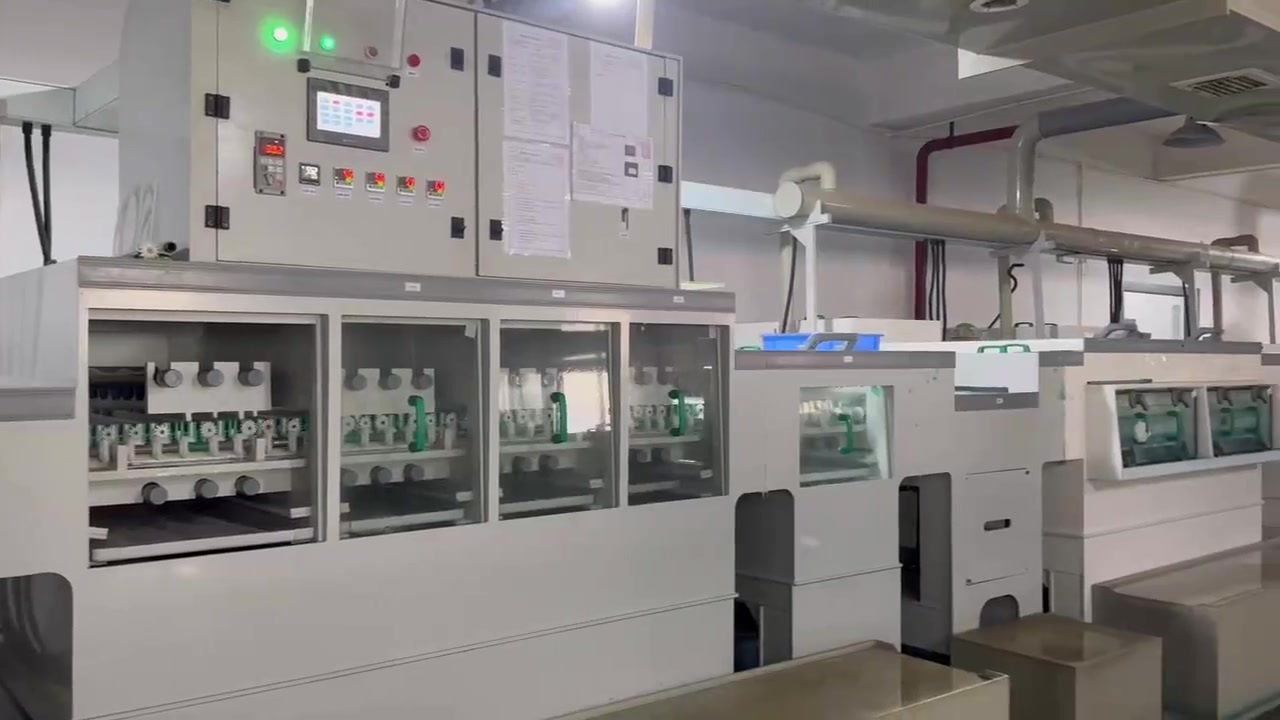
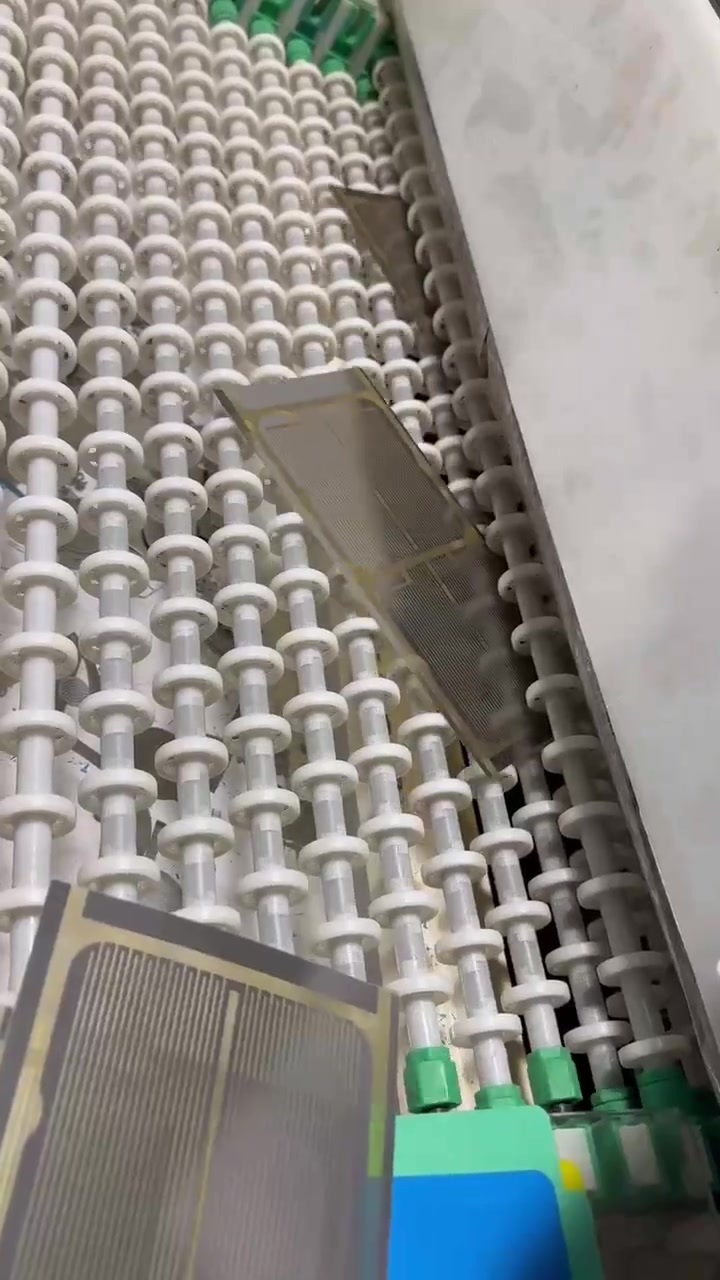
We have a full set of etching production equipment and mature processing technology. We can manufacture products in any shape with mesh sizes as small as 0.1mm, according to your requirements.


Our Advantage
Factory Direct Shipping
Our products undergo 100% QC checks before shipment, and we ensure compliance with international standards. If you require specific certifications for your target market, just let us know, and we'll meet those requirements.
Experienced Design and Manufacturing Team
We work closely with customers from the design phase to help avoid potential product flaws, ensuring both the functionality and design meet expectations.
Excellent Supply Chain Management
We can quickly adjust production schedules to meet your urgent deadlines, whether it's for large bulk orders or smaller rush orders.
OEM & ODM Support
We offer the option to print your logo or other customizations.
Strict Quality Control
Our products undergo 100% QC checks before shipment, and we ensure compliance with international standards. If you require specific certifications for your target market, just let us know, and we'll meet those requirements.
Certificate

商标6类

9001

质量认证


Related Products

Shenzhen Nkeyto Precision Hardware Co., Ltd. is a factory specializing in precision hardware processing, committed to providing customers with high-quality products and services.We look forward to working with you.
Contact Us

E-mail: luna@nkeyto.com

Tel: +1 213-221-9094

Add: 13th Building, 202, Dawangshan Second Industrial Zone, Dawangshan Community, Shajing Street, Bao'an District, Shenzhen, Guangdong Province
Powered by: CEglobal
Copryright © 2025 Shenzhen Xintu Precision Hardware Co., Ltd.




Back To Top