



Shim Applications – Precision Shims for Various Industries
Category:
Key Words:
Product parameters
Parameter | Specification / Range |
Product Name | Custom Precision Metal Shim |
Material Options | Stainless Steel 304 / 316, Brass, Copper, Aluminum |
Thickness Range | 0.01mm – 1.0mm |
Thickness Tolerance | ±0.002mm – ±0.01mm (depending on thickness) |
Outer Dimensions | Custom (based on drawing) |
Inner Diameter (ID) | Custom (for shim washers) |
Shape | Round, square, irregular, custom geometry |
Hole Type | Round holes, slots, micro holes, multi-hole patterns |
Minimum Hole Size | ≥ 0.1mm (depending on material & thickness) |
Minimum Line Width | ≥ 0.05mm (etching process) |
Flatness | ≤ 0.02mm (depending on thickness) |
Surface Condition | Smooth, burr-free (etching) |
Edge Quality | No burrs, no deformation |
Manufacturing Process | Chemical Etching / Laser Cutting / CNC Machining |
Surface Treatment | Passivation, polishing, plating (optional) |
Hardness | Depends on material (customizable if required) |
Temperature Resistance | Up to 400°C (stainless steel typical) |
Corrosion Resistance | Excellent (SS304/316) |
Tolerance Control | High precision / tight tolerance available |
Drawing Format | CAD (DWG, DXF), PDF |
OEM / Customization | Fully supported |
Sample Availability | Available before mass production |
Production Volume | Prototype / small batch / mass production |
Product Description
Precision shims are widely used across multiple industries for spacing, alignment, and tolerance control. From motors and gearboxes to optical systems and electronic sensors, different applications require specific shim designs, materials, and thicknesses. This guide provides an overview of common shim applications and helps you choose the right solution based on your industry needs.
Overview of Shim Applications
Shims play a critical role in ensuring accurate assembly and reliable performance. Depending on the application, shims can be used for:
- Alignment correction
- Gap and clearance control
- Load distribution
- Component positioning
👉 Below are typical industries where precision shims are commonly used.
Motor Applications
🔹 Motor Shims for Alignment & Adjustment
Shims are widely used in electric motors to adjust the position of components such as shafts, rotors, and housings. Proper alignment helps reduce vibration, improve efficiency, and extend service life.
Typical Uses:
- Shaft alignment
- Rotor positioning
- Motor assembly calibration
👉 Related Page: Motor Adjustment Precision Shim
Gearbox Applications
🔹 Gearbox Shims for Clearance Control
In gearbox systems, shims are used to control gear spacing and ensure proper meshing. Accurate shim selection helps reduce wear, noise, and transmission loss.
Typical Uses:
- Gear alignment
- Bearing spacing
- Transmission adjustment
👉 Related Page: Gearbox Alignment Stainless Steel Shim
Optical Applications
🔹 Ultra Thin Shims for Optical Alignment
Optical systems require extremely high precision, often at micron-level tolerance. Ultra thin shims are used to align lenses and optical components accurately.
Typical Uses:
- Lens positioning
- Laser system alignment
- Imaging device calibration
👉 Related Page: Optical Alignment Ultra Thin Shim
Sensor & Electronics Applications
🔹 Precision Shims for Sensors & Electronic Components
Shims are used in electronic and sensor systems to maintain precise spacing and positioning. Ultra thin and etched shims are especially suitable for compact designs.
Typical Uses:
- Sensor positioning
- PCB spacing
- Micro component alignment
👉 Related Page: Sensor Positioning Metal Shim
Automotive Applications
🔹 Automotive Shims for Performance & Durability
In automotive systems, shims are used for spacing, alignment, and load distribution. They must withstand vibration, temperature changes, and mechanical stress.
Typical Uses:
- Engine components
- Transmission systems
- Brake assemblies
- Suspension systems
👉 Related Page: Automotive Precision Shim Washer
How to Choose the Right Shim
Selecting the right shim depends on several factors:
- Thickness: Required spacing or tolerance
- Material: Stainless steel, brass, etc.
- Application: Mechanical, optical, electronic
- Precision requirement: Standard vs tight tolerance
👉 For complex or custom requirements, professional support is recommended.
Custom Shim Solutions
We provide custom shim solutions for various industries:
- Ultra thin shims (down to 0.01mm)
- Tight tolerance precision shims
- Complex shapes and structures
- OEM and batch production
👉 Our engineering team can help you select the most suitable shim based on your application.
CTA
👉 Not sure which shim is right for your application?
Contact us with your requirements or drawings, and we will recommend the best solution
Questions and Answers
FAQ
Here are answers to some of the most common questions regarding shim selection and application.
Q1: What materials are commonly used for precision shims?
The choice of material depends on the operating environment and application requirements. Common materials include:
- Stainless Steel (e.g., SUS304, SUS316): Offers excellent corrosion resistance and durability.
- Brass/Copper: Ideal for electrical conductivity and thermal applications.
- Plastic/PTFE: Used for electrical insulation or low-friction environments.
- Aluminum: Lightweight and suitable for general spacing tasks.
Q2: Can you manufacture custom shims with non-standard shapes?
Yes, we specialize in custom manufacturing. Beyond standard washers and discs, we can produce shims in complex geometries, including squares, rectangles, and custom profiles based on your technical drawings or CAD files.
Q3: What is the thinnest shim thickness you can produce?
For high-precision applications, such as optical systems, we can manufacture ultra-thin shims with thicknesses as low as 0.01mm. We also offer etched shims for intricate, burr-free designs.
Q4: How do I determine the correct tolerance for my application?
Tolerance selection depends on the precision required by your assembly.
- Standard Tolerance: Suitable for general industrial spacing and gap filling.
- Precision/Tight Tolerance: Necessary for sensitive equipment like motors, sensors, and optical devices where minute deviations affect performance.
Q5: Do you offer small quantity orders for prototyping?
Yes, we understand the importance of testing and validation. We support both low-volume prototype orders and high-volume mass production to meet your development and commercial needs.
Factory Description
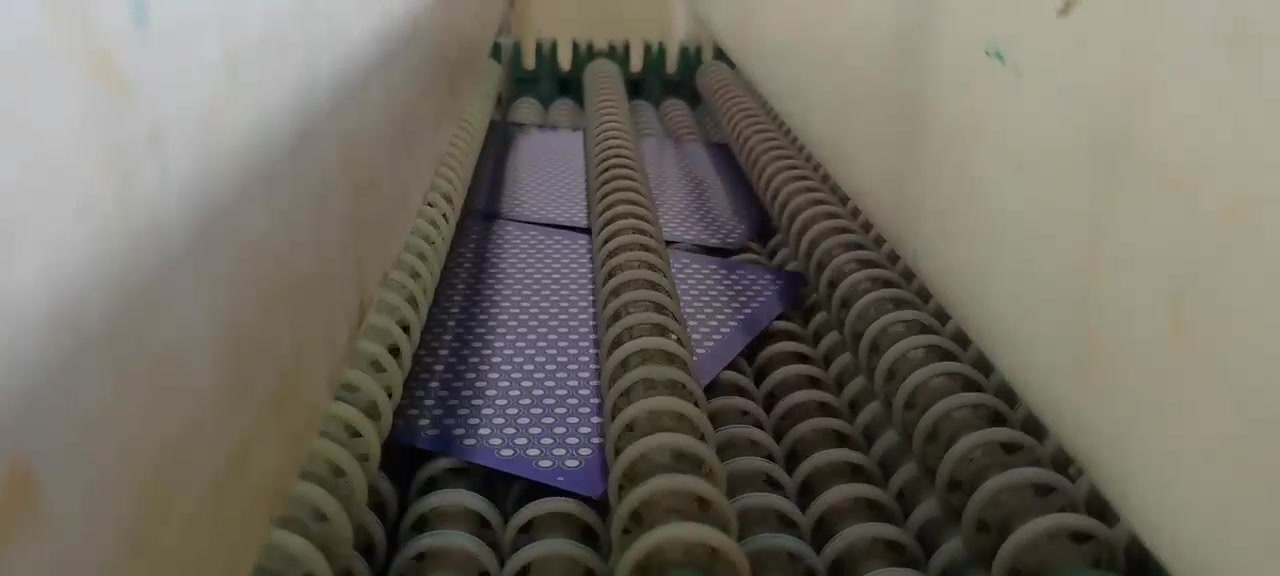
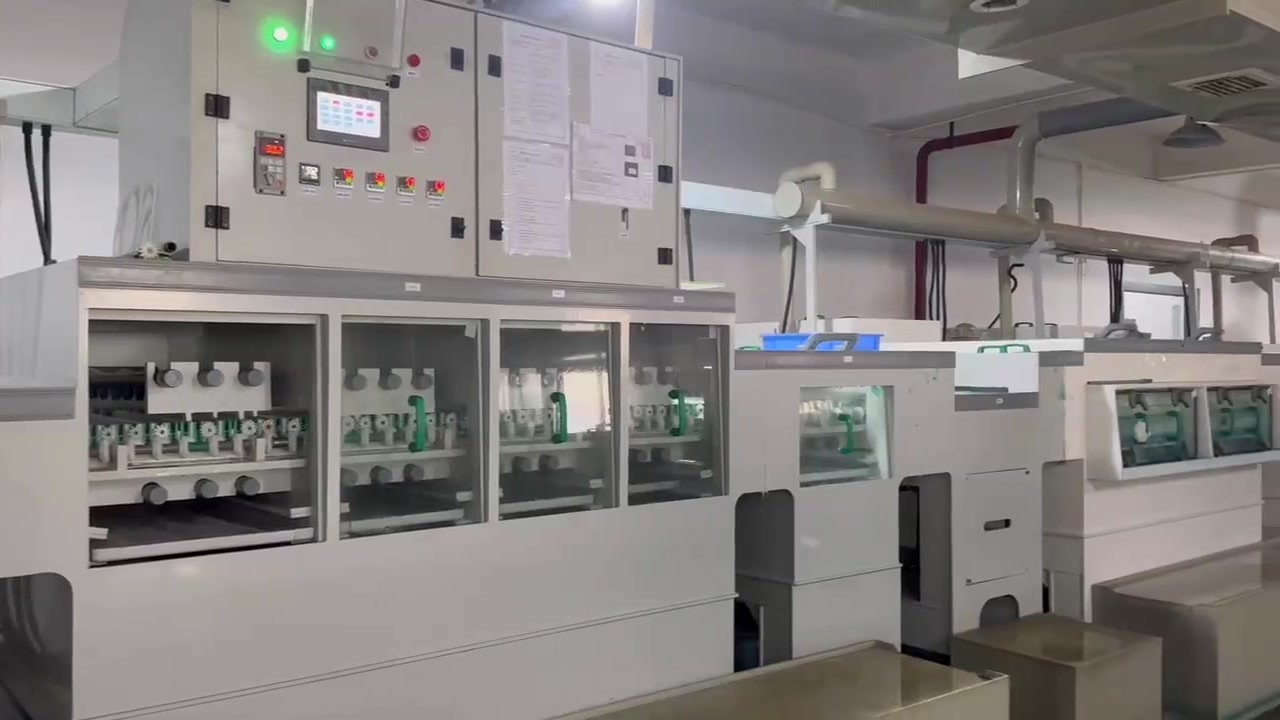
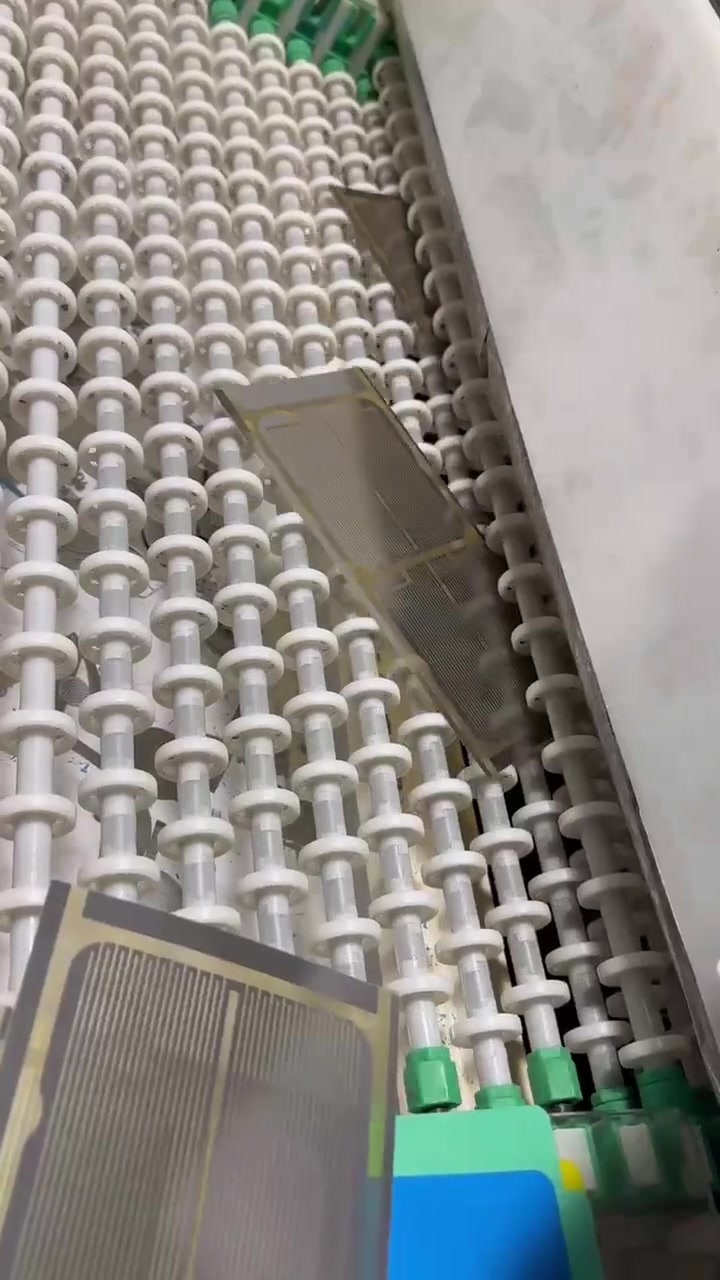
We have a full set of etching production equipment and mature processing technology. We can manufacture products in any shape with mesh sizes as small as 0.1mm, according to your requirements.

Our Advantage
Factory Direct Shipping
Our products undergo 100% QC checks before shipment, and we ensure compliance with international standards. If you require specific certifications for your target market, just let us know, and we'll meet those requirements.
Experienced Design and Manufacturing Team
We work closely with customers from the design phase to help avoid potential product flaws, ensuring both the functionality and design meet expectations.
Excellent Supply Chain Management
We can quickly adjust production schedules to meet your urgent deadlines, whether it's for large bulk orders or smaller rush orders.
OEM & ODM Support
We offer the option to print your logo or other customizations.
Strict Quality Control
Our products undergo 100% QC checks before shipment, and we ensure compliance with international standards. If you require specific certifications for your target market, just let us know, and we'll meet those requirements.
Certificate
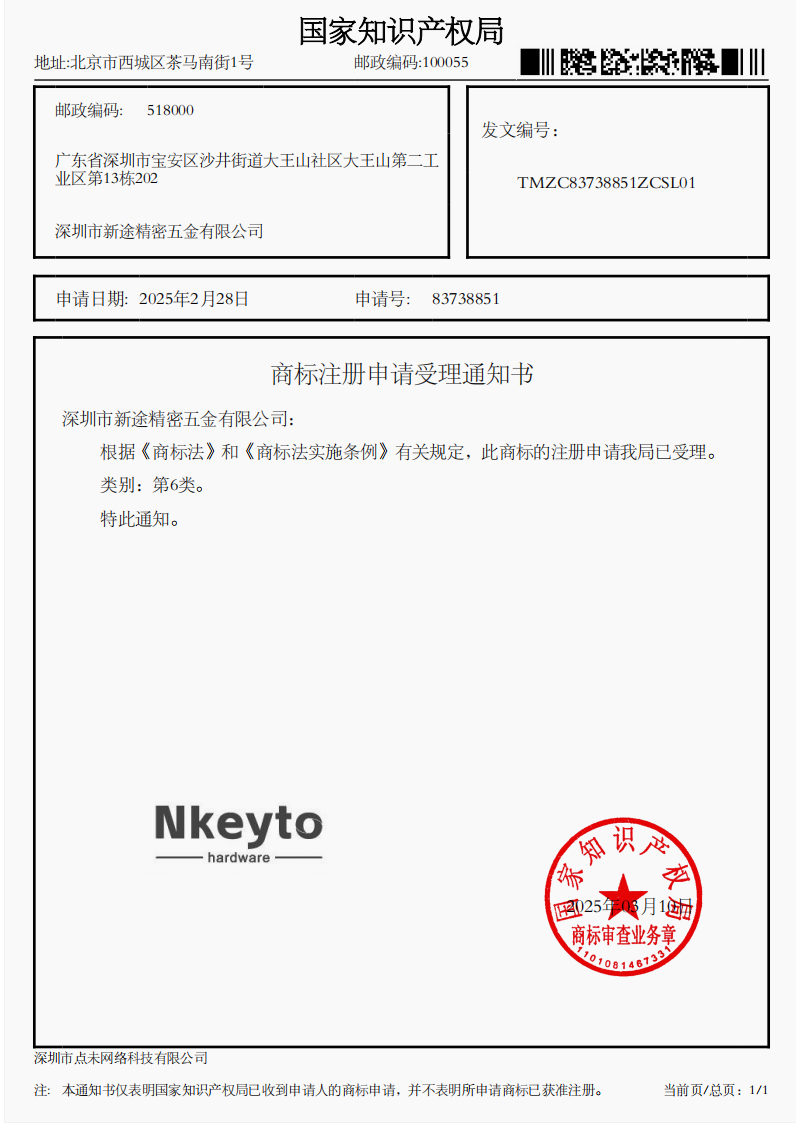
商标6类

9001
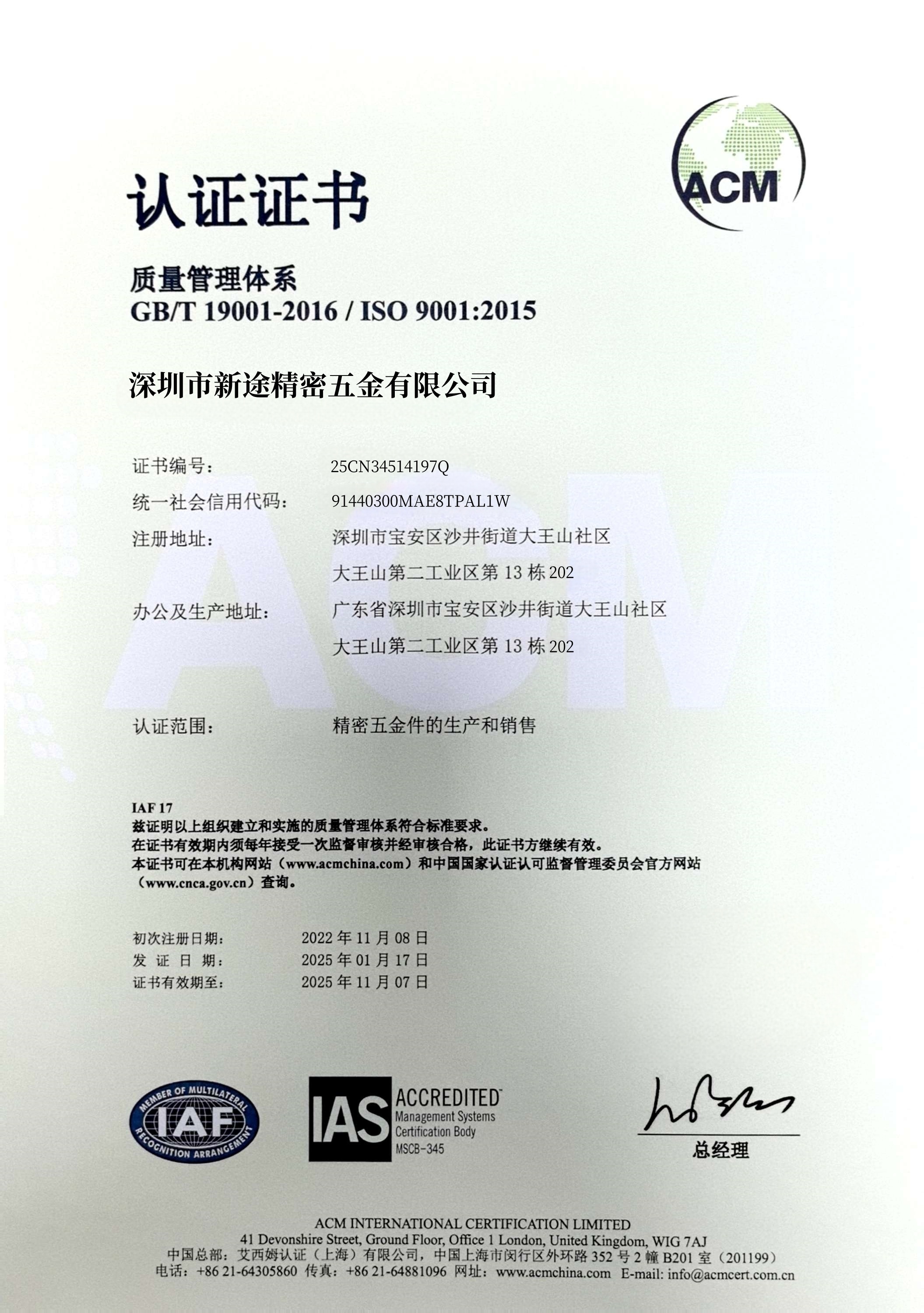
质量认证


Related Products

Shenzhen Nkeyto Precision Hardware Co., Ltd. is a factory specializing in precision hardware processing, committed to providing customers with high-quality products and services.We look forward to working with you.
Contact Us

E-mail: luna@nkeyto.com

Tel: +1 213-221-9094

Add: 13th Building, 202, Dawangshan Second Industrial Zone, Dawangshan Community, Shajing Street, Bao'an District, Shenzhen, Guangdong Province
Powered by: CEglobal
Copryright © 2025 Shenzhen Xintu Precision Hardware Co., Ltd.




Back To Top