



Shim Material Guide – Stainless Steel (304 vs 316) and Other Materials
Category:
Key Words:
Product parameters
Parameter | Specification / Range |
Product Name | Custom Precision Metal Shim |
Material Options | Stainless Steel 304 / 316, Brass, Copper, Aluminum |
Thickness Range | 0.01mm – 1.0mm |
Thickness Tolerance | ±0.002mm – ±0.01mm (depending on thickness) |
Outer Dimensions | Custom (based on drawing) |
Inner Diameter (ID) | Custom (for shim washers) |
Shape | Round, square, irregular, custom geometry |
Hole Type | Round holes, slots, micro holes, multi-hole patterns |
Minimum Hole Size | ≥ 0.1mm (depending on material & thickness) |
Minimum Line Width | ≥ 0.05mm (etching process) |
Flatness | ≤ 0.02mm (depending on thickness) |
Surface Condition | Smooth, burr-free (etching) |
Edge Quality | No burrs, no deformation |
Manufacturing Process | Chemical Etching / Laser Cutting / CNC Machining |
Surface Treatment | Passivation, polishing, plating (optional) |
Hardness | Depends on material (customizable if required) |
Temperature Resistance | Up to 400°C (stainless steel typical) |
Corrosion Resistance | Excellent (SS304/316) |
Tolerance Control | High precision / tight tolerance available |
Drawing Format | CAD (DWG, DXF), PDF |
OEM / Customization | Fully supported |
Sample Availability | Available before mass production |
Production Volume | Prototype / small batch / mass production |
Product Description
Choosing the right material is essential for shim performance in different environments. Stainless steel shims, especially 304 and 316 grades, are widely used due to their strength and corrosion resistance. However, materials such as brass, copper, and aluminum are also used depending on application requirements. This guide explains the differences between shim materials and helps you select the best option for your project.
Why Material Selection Matters
Shim material affects:
- Strength and durability
- Corrosion resistance
- Temperature performance
- Electrical conductivity
- Cost and machinability
👉 Selecting the correct material ensures long-term performance and reliability.
Stainless Steel Shims (Most Common)
🔹 Stainless Steel 304 Shim
Features:
- Good corrosion resistance
- Cost-effective
- Widely available
Applications:
- General industrial use
- Mechanical assemblies
- Standard environments
🔹 Stainless Steel 316 Shim
Features:
- Superior corrosion resistance (especially in harsh environments)
- Better resistance to chemicals and moisture
- Suitable for marine or high-humidity conditions
Applications:
- Marine equipment
- Chemical environments
- Medical and food-related equipment
✔ 304 vs 316 – Key Difference
Property | 304 | 316 |
|---|---|---|
Corrosion Resistance | Good | Excellent |
Cost | Lower | Higher |
Environment | General use | Harsh / corrosive |
Typical Use | Industrial | Marine / chemical |
👉 Choose 316 shim for demanding environments, and 304 shim for general applications.
Other Common Shim Materials
🔹 Brass Shims
Features:
- Good corrosion resistance
- Easy to form and cut
- Moderate strength
Applications:
- Decorative hardware
- Light mechanical use
- Electrical components
🔹 Copper Shims
Features:
- Excellent electrical conductivity
- Good thermal conductivity
- Soft and flexible
Applications:
- Electrical systems
- Heat transfer applications
- Conductive components
🔹 Aluminum Shims
Features:
- Lightweight
- Easy to machine
- Good corrosion resistance
Applications:
- Lightweight assemblies
- Aerospace components
- Non-heavy load applications
How to Choose the Right Shim Material
When selecting shim material, consider:
✔ Environment
- Humid / chemical → 316 stainless steel
- General → 304 stainless steel
✔ Mechanical Load
- High load → stainless steel
- Light load → aluminum or brass
✔ Electrical Requirement
- Conductive → copper
- Non-conductive → stainless steel
✔ Cost Consideration
- Budget-sensitive → 304 or aluminum
- Performance priority → 316
Material vs Application Overview
Application | Recommended Material |
|---|---|
Industrial machinery | Stainless Steel 304 |
Marine / chemical | Stainless Steel 316 |
Electronics | Copper / Stainless Steel |
Lightweight systems | Aluminum |
Decorative / light use | Brass |
Material & Manufacturing Compatibility
Different materials work better with specific processes:
- Etching → stainless steel, copper, brass (best for precision)
- Laser cutting → stainless steel, aluminum
- Stamping → standard metal materials
👉 For ultra-thin and high-precision shims, stainless steel is most commonly used.
Custom Material Options
We provide shim materials based on your requirements:
- Stainless Steel 304 / 316
- Brass / Copper / Aluminum
- Custom material selection
- OEM and batch production
👉 Not sure which material to choose? We can recommend the best option.
CTA
👉 Not sure which shim material is right for your application?
Contact us today with your requirements or drawings, and we will recommend the best solution.
Questions and Answers
FAQ
Q1: What is the most commonly used shim material?
A: Stainless steel 304 is the most widely used for general applications.
Q2: When should I use 316 stainless steel shims?
A: In corrosive, marine, or high-humidity environments.
Q3: Are copper shims suitable for precision applications?
A: Yes, especially when electrical conductivity is required.
Q4: Can you provide custom material shims?
A: Yes, we support multiple materials based on your application.
Factory Description
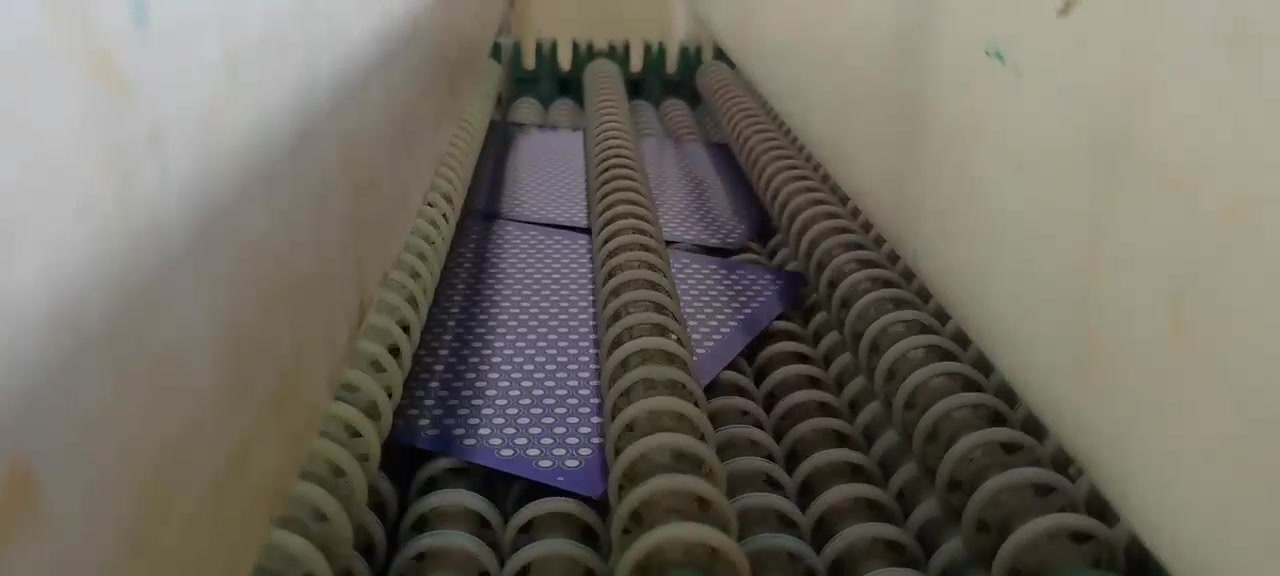
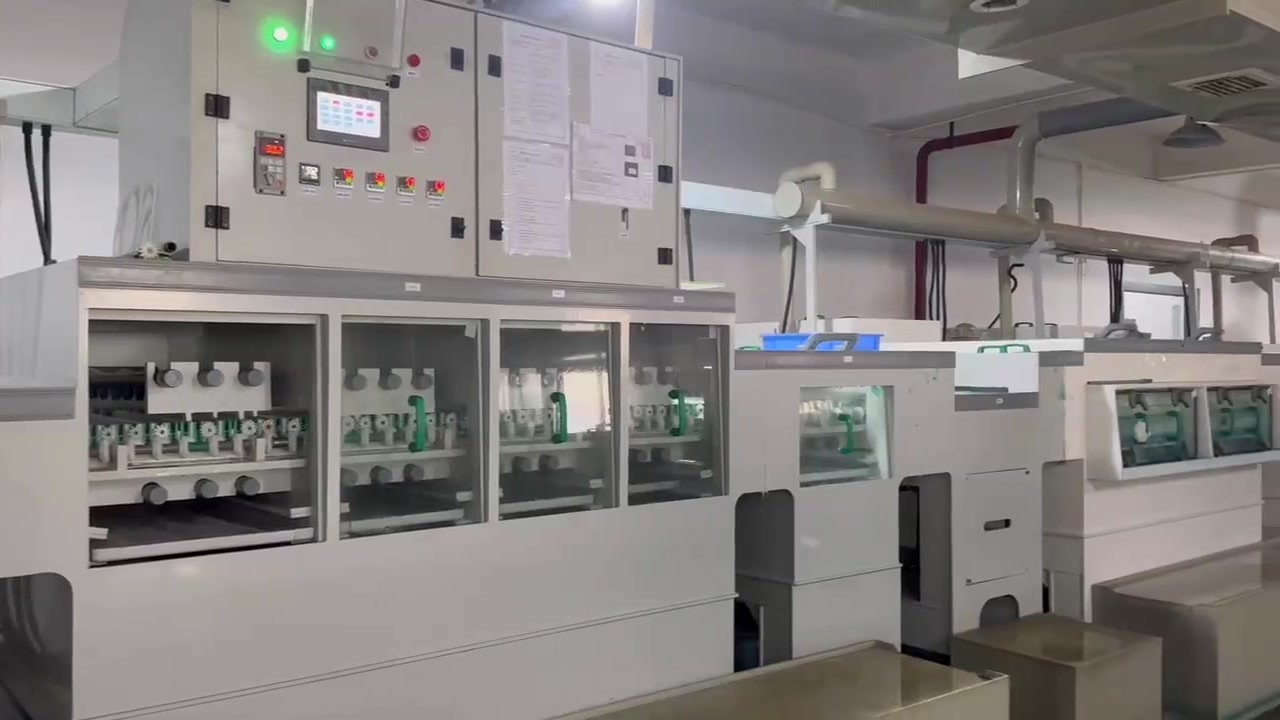
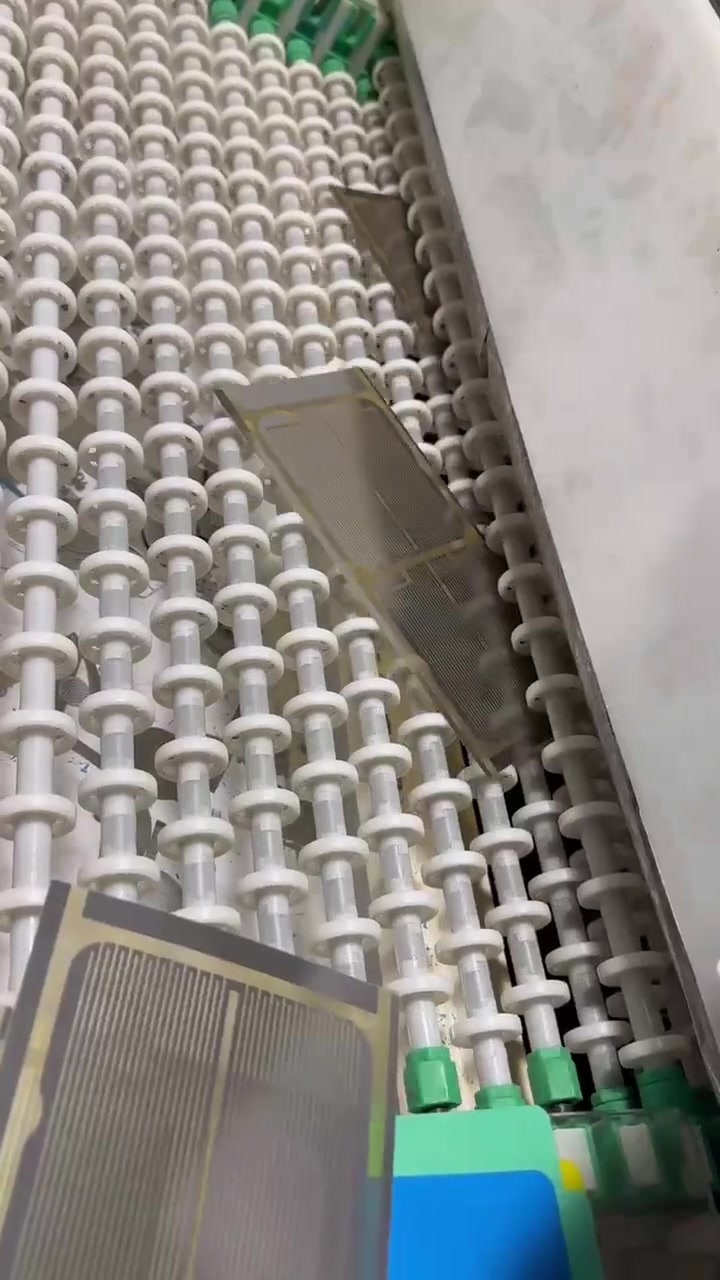
We have a full set of etching production equipment and mature processing technology. We can manufacture products in any shape with mesh sizes as small as 0.1mm, according to your requirements.

Our Advantage
Factory Direct Shipping
Our products undergo 100% QC checks before shipment, and we ensure compliance with international standards. If you require specific certifications for your target market, just let us know, and we'll meet those requirements.
Experienced Design and Manufacturing Team
We work closely with customers from the design phase to help avoid potential product flaws, ensuring both the functionality and design meet expectations.
Excellent Supply Chain Management
We can quickly adjust production schedules to meet your urgent deadlines, whether it's for large bulk orders or smaller rush orders.
OEM & ODM Support
We offer the option to print your logo or other customizations.
Strict Quality Control
Our products undergo 100% QC checks before shipment, and we ensure compliance with international standards. If you require specific certifications for your target market, just let us know, and we'll meet those requirements.
Certificate
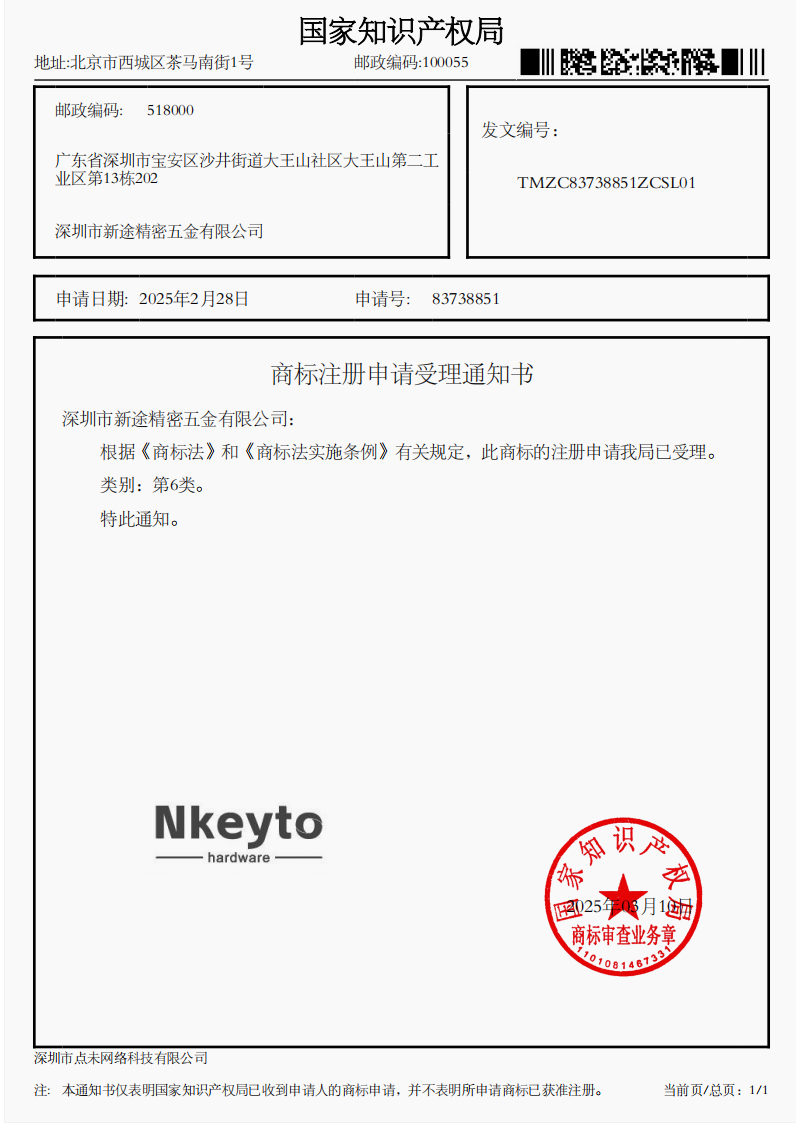
商标6类

9001
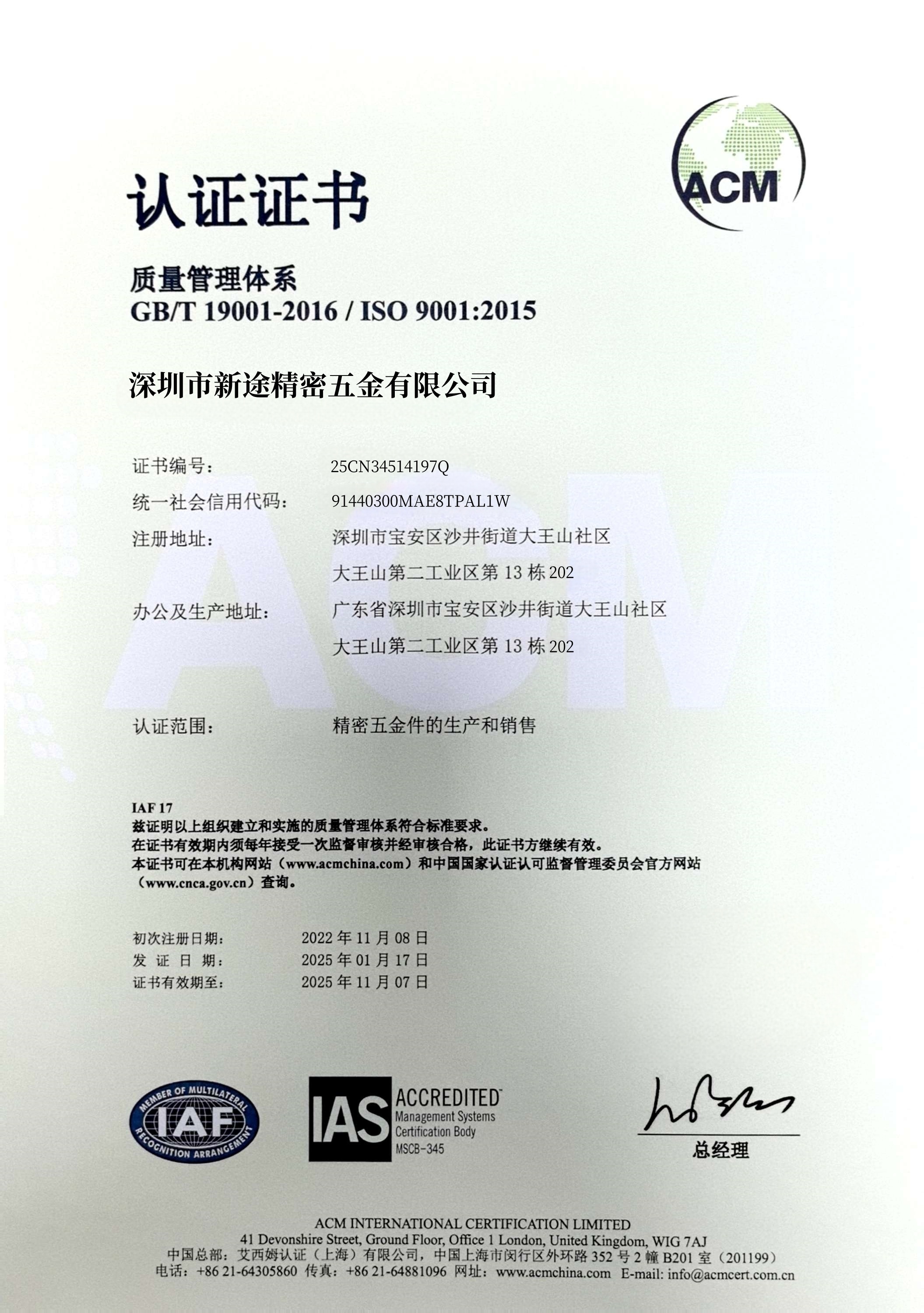
质量认证


Related Products

Shenzhen Nkeyto Precision Hardware Co., Ltd. is a factory specializing in precision hardware processing, committed to providing customers with high-quality products and services.We look forward to working with you.
Contact Us

E-mail: luna@nkeyto.com

Tel: +1 213-221-9094

Add: 13th Building, 202, Dawangshan Second Industrial Zone, Dawangshan Community, Shajing Street, Bao'an District, Shenzhen, Guangdong Province
Powered by: CEglobal
Copryright © 2025 Shenzhen Xintu Precision Hardware Co., Ltd.




Back To Top