



Stainless Steel Sealing Cover Plate
Category:
Key Words:
Product parameters
Parameter | Typical Range / Specification |
Product Name | Metal Sealing Cover / Packaging Cover / Shielding Lid |
Material | Stainless Steel 304 / 316 / 316L (others on request) |
Thickness | 0.05 – 1.0 mm |
Structure Type | Flat Plate / Edge Formed / Pressed Structure |
Surface Condition | Smooth / Clean / Burr-free |
Flatness | ≤ 0.02 – 0.05 mm (depending on size) |
Tolerance | ±0.01 – ±0.05 mm |
Edge Condition | Smooth edge / No sharp burrs |
Corner Type | Rounded corner / Chamfered edge |
Processing Method | Chemical Etching / Stamping / CNC |
Surface Treatment | Passivation / Polishing / Brushing / Coating (optional) |
Welding Compatibility | Suitable for laser welding / resistance welding |
Sealing Method | Adhesive bonding / Welding / Mechanical fitting |
Shape | Rectangular / Square / Custom geometry |
Size | Fully customizable |
OEM / ODM | Fully supported |
Drawing Format | CAD / PDF / DWG / DXF |
Application | Electronic packaging / EMI shielding / Module sealing |
Product Description
Product Description
This stainless steel sealing cover plate is designed for general enclosure and packaging applications requiring reliable sealing performance. Manufactured with high precision, it features smooth edges, excellent flatness, and stable dimensional accuracy, ensuring effective protection and long-term durability in various industrial environments.
Applications
General equipment enclosures
Industrial sealing components
Electrical housings
Mechanical protection covers
Multi-purpose sealing structures
Stainless Steel vs. Aluminum: Choosing the Right Material for Industrial Sealing Covers
In the world of industrial manufacturing, the choice of material is often a balancing act between performance, weight, and cost. When it comes to protecting sensitive components, the Industrial Sealing Plate plays a critical role. It is the first line of defense against dust, moisture, and physical impact.
While aluminum is frequently chosen for its lightweight properties, there are specific environments where only the durability of steel will suffice. In this guide, we will compare these two materials to help you decide when to specify a Stainless Steel Cover for your next project.
The Material Showdown: Strength vs. Weight
Aluminum is a popular choice in aerospace and consumer electronics where weight reduction is paramount. It is easy to machine and naturally resistant to corrosion due to its oxide layer. However, in heavy-duty industrial applications, aluminum has its limitations.
Stainless steel, particularly grades like SUS304 and SUS316, offers superior tensile strength and hardness. A Stainless Steel Cover can withstand higher mechanical stress and is less likely to deform under pressure compared to its aluminum counterpart.
Here is a quick comparison for industrial sealing applications:
Feature | Aluminum (e.g., 5052/6061) | Stainless Steel (e.g., SUS304/316) |
|---|---|---|
Weight | Lightweight (approx. 1/3 of steel) | Heavy and Dense |
Strength | Moderate | High Tensile Strength |
Corrosion Resistance | Good (General use) | Excellent (Harsh environments) |
Cost | Generally Lower | Moderate to High (depending on grade) |
The Challenge of Harsh Environments
Why would an engineer choose the heavier option? The answer lies in the operating environment.
If your device is used in outdoor construction, marine settings, or chemical processing plants, a Corrosion Resistant Metal Cover is not just a preference—it is a necessity. Aluminum can pit and corrode when exposed to saltwater or acidic chemicals.
Stainless steel, specifically the SUS316 grade, contains molybdenum, which dramatically increases its resistance to chlorides and industrial solvents. This makes our stainless steel sealing plates ideal for:
- Automotive Electronics: Under the hood, components face high heat, oil, and road salt.
- Marine Equipment: Exposure to salt spray requires maximum protection.
- Food & Beverage: High-grade steel is essential for hygiene and resistance to cleaning agents.
Enhancing Durability with Surface Treatments
At our factory, we understand that material selection is just the first step. To maximize the lifespan of an Industrial Sealing Plate, surface treatment is key.
We offer a range of post-processing services to enhance the natural properties of stainless steel:
- Passivation: This chemical process removes free iron from the surface, enhancing the natural chromium oxide layer. It is crucial for ensuring the Stainless Steel Cover remains rust-free in humid conditions.
- Electropolishing: This removes microscopic surface imperfections, reducing the surface area where bacteria or contaminants could hide.
- Plating: For specific conductivity or aesthetic requirements, we can apply nickel or gold plating over the steel base.
Precision Manufacturing: From Sheet to Seal
Working with stainless steel requires powerful machinery due to the material's hardness. Unlike softer metals, stainless steel work-hardens quickly.
NKEYTO utilizes advanced Laser Cutting and Chemical Etching to process these materials.
- Laser Cutting: Perfect for thicker plates, providing a strong, clean cut without warping the material.
- Chemical Etching: Ideal for thin, complex sealing plates. It creates no mechanical stress, ensuring the metal retains its flatness—a critical factor for a proper seal.
Conclusion
While aluminum has its place in lightweight design, the Stainless Steel Sealing Cover Plate remains the undisputed champion of durability. When reliability cannot be compromised, and the environment is unforgiving, stainless steel provides the peace of mind that your internal components are safe.
Need help selecting the right material for your enclosure?
Our engineering team is ready to assist with material selection and DFM analysis.
Contact Us:
- Company: NKEYTO (Shenzhen Xintu Precision Hardware Co., Ltd.)
- Contact Person: Luna
- WhatsApp: 12132219094
Questions and Answers
Frequently Asked Questions (FAQ)
Q1: What is the difference between SUS304 and SUS316 for sealing covers?
SUS304 is the standard grade for general corrosion resistance and is cost-effective. SUS316 contains molybdenum, which provides superior resistance to chlorides (salt) and acids. We recommend SUS316 for marine or chemical industry applications.
Q2: Can you manufacture sealing covers with custom gaskets?
Yes. We can integrate sealing grooves or bonding areas into the design. Our precision manufacturing ensures that the mating surface is perfectly flat, allowing for a tight seal with rubber or silicone gaskets.
Q3: How does laser cutting affect the corrosion resistance of the cover?
Laser cutting is a thermal process, but our advanced fiber lasers minimize the heat-affected zone. We can follow up with passivation or grinding to ensure the cut edges maintain the same corrosion resistance as the base material.
Q4: Do you offer small batches for testing?
Absolutely. Our flexible production lines, including CNC and laser cutting, allow us to support prototypes and small batches efficiently, helping you validate your material choice before mass production.
Factory Description
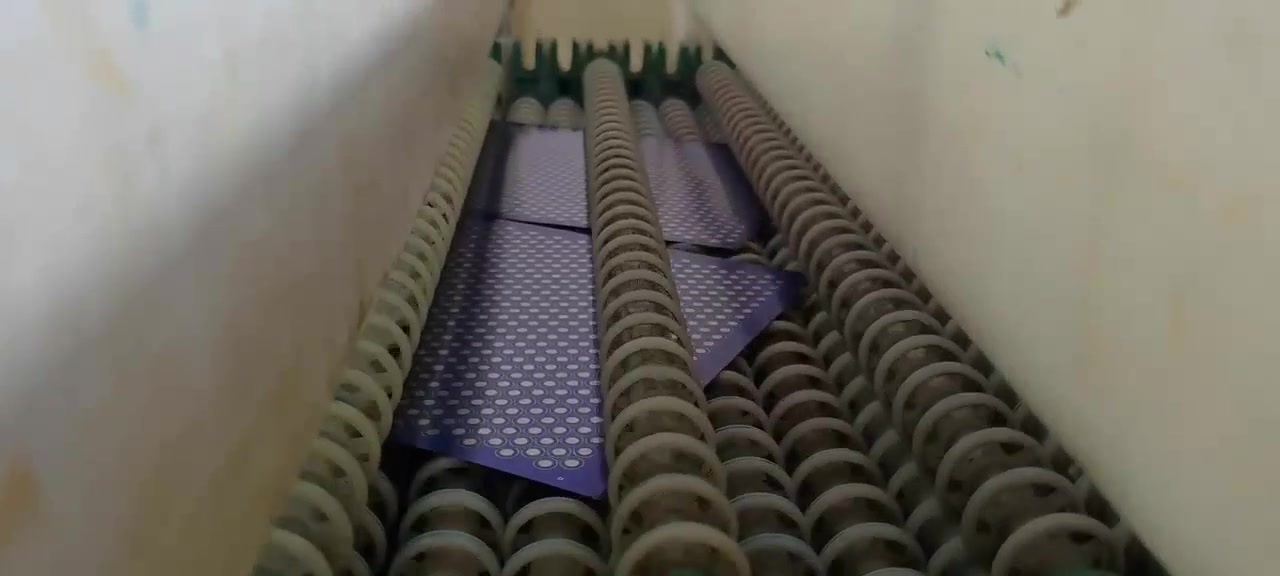
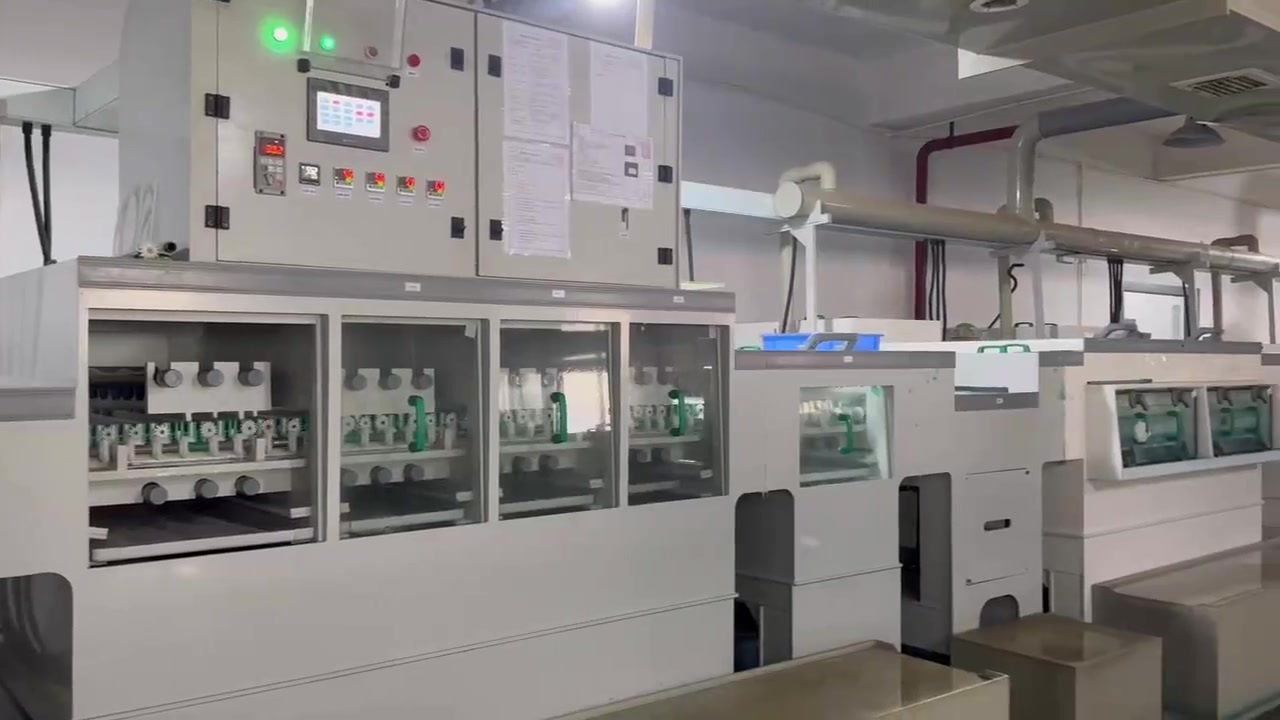
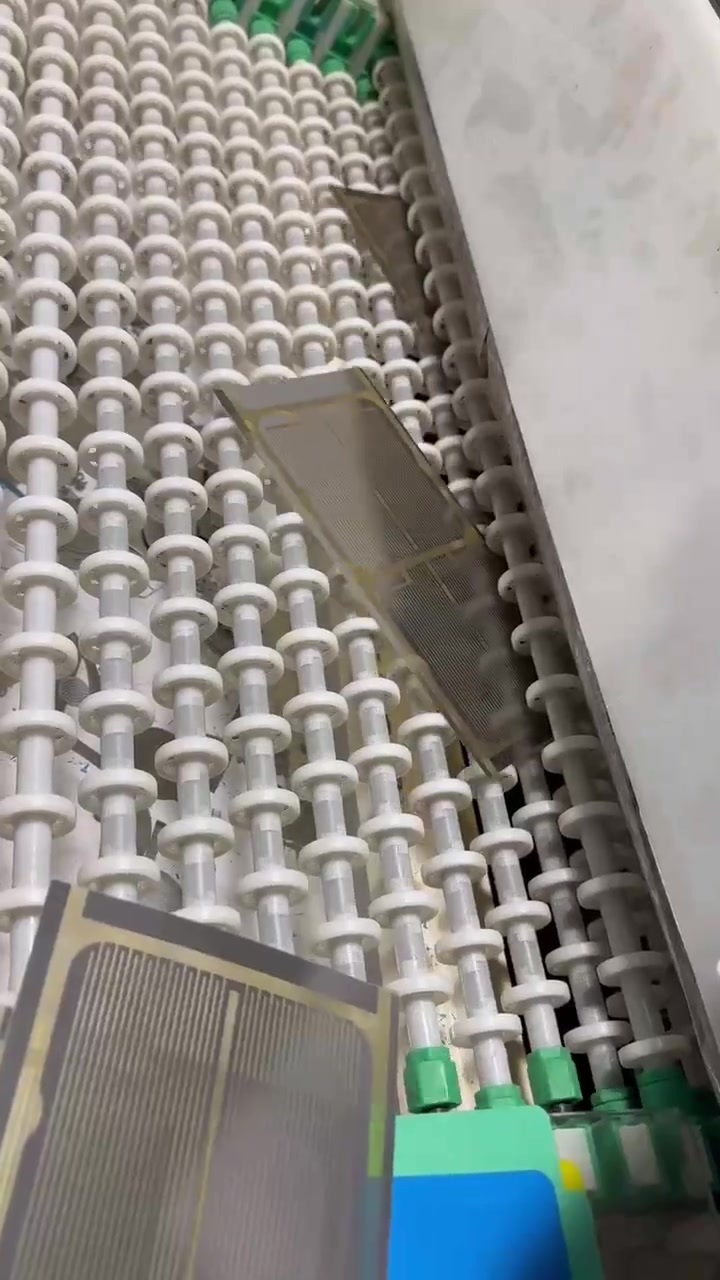
We have a full set of etching production equipment and mature processing technology. We can manufacture products in any shape with mesh sizes as small as 0.1mm, according to your requirements.

Our Advantage
Factory Direct Shipping
Our products undergo 100% QC checks before shipment, and we ensure compliance with international standards. If you require specific certifications for your target market, just let us know, and we'll meet those requirements.
Experienced Design and Manufacturing Team
We work closely with customers from the design phase to help avoid potential product flaws, ensuring both the functionality and design meet expectations.
Excellent Supply Chain Management
We can quickly adjust production schedules to meet your urgent deadlines, whether it's for large bulk orders or smaller rush orders.
OEM & ODM Support
We offer the option to print your logo or other customizations.
Strict Quality Control
Our products undergo 100% QC checks before shipment, and we ensure compliance with international standards. If you require specific certifications for your target market, just let us know, and we'll meet those requirements.
Certificate
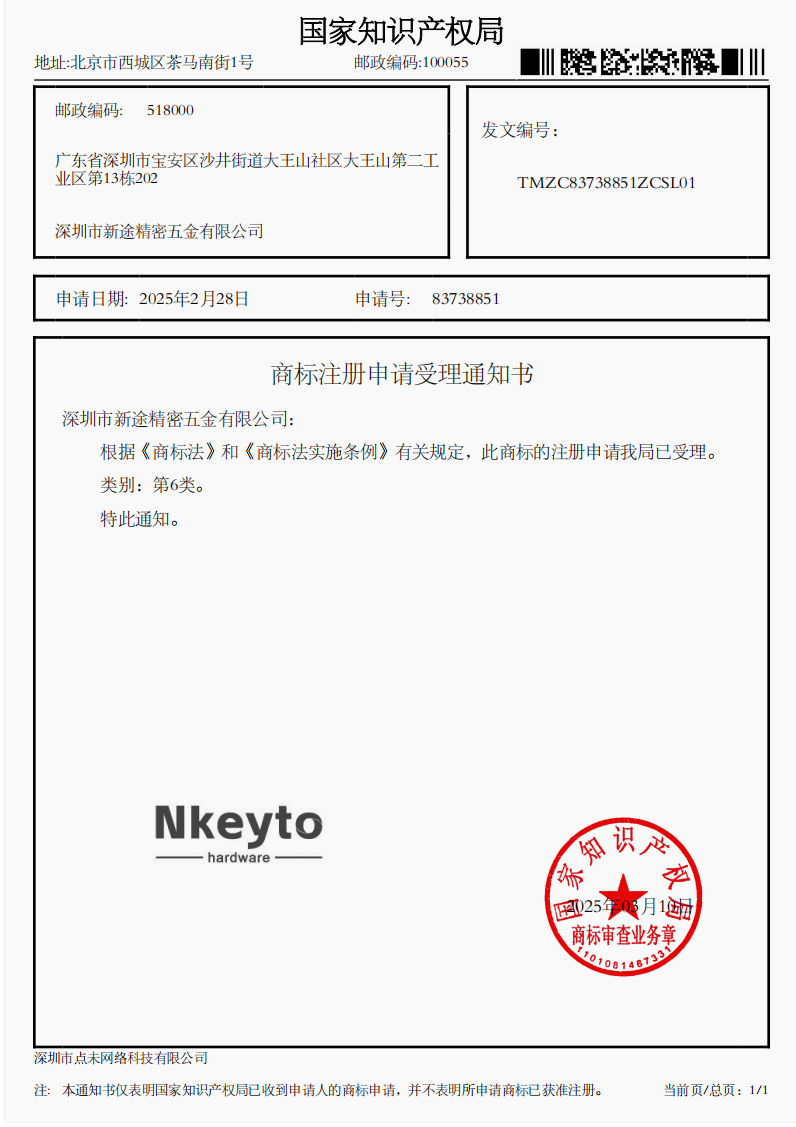
商标6类

9001
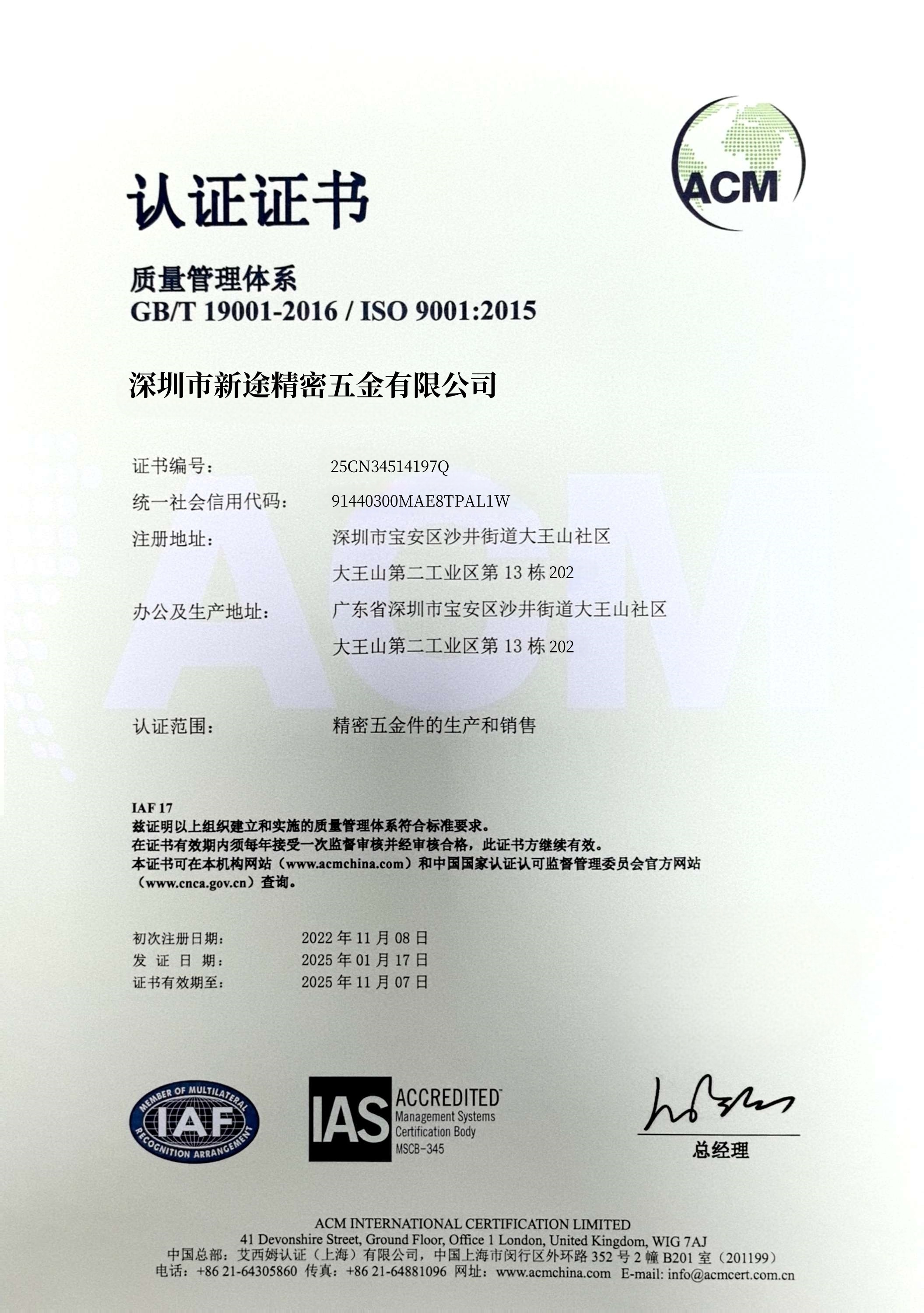
质量认证


Related Products

Shenzhen Nkeyto Precision Hardware Co., Ltd. is a factory specializing in precision hardware processing, committed to providing customers with high-quality products and services.We look forward to working with you.
Contact Us

E-mail: luna@nkeyto.com

Tel: +1 213-221-9094

Add: 13th Building, 202, Dawangshan Second Industrial Zone, Dawangshan Community, Shajing Street, Bao'an District, Shenzhen, Guangdong Province
Powered by: CEglobal
Copryright © 2025 Shenzhen Xintu Precision Hardware Co., Ltd.




Back To Top