



Toner Doctor Blade for Laser Printer Cartridge
Category:
Key Words:
Product parameters
Parameter | Typical Range / Specification |
Product Name | Toner Metering Blade / Doctor Blade |
Base Material | Stainless Steel (SUS301 / SUS304 / SK5 optional) |
Thickness | 0.05 – 0.20 mm |
Blade Length | Customizable (based on cartridge model) |
Blade Width | Customizable |
Edge Type | Straight edge / Precision ground edge |
Edge Straightness | ≤ 0.01 mm |
Coating Type | PU (Polyurethane) / PTFE / Carbon coating |
Coating Thickness | 5 – 30 μm |
Surface Quality | Smooth, uniform coating, burr-free edge |
Hardness (Base) | HRC 35 – 55 (depending on material) |
Processing Method | Precision cutting / Etching / Coating |
Flatness | ≤ 0.02 mm |
Tolerance | ±0.01 – ±0.03 mm |
OEM / ODM | Fully supported |
Compatible Models | HP / Canon / Brother / Custom cartridges |
Application | Toner cartridge / Laser printer / Copier |
Product Description
Product Description
This toner doctor blade is specifically designed for laser printer cartridges, providing precise control of toner layer thickness on the developer roller. Its high-quality coating ensures uniform toner distribution, reducing background shading and improving print clarity.
Applications
Toner cartridge manufacturing
Laser printer maintenance
Copier cartridge systems
Office consumables industry
Replacement parts
Improving Print Quality: The Critical Role of Precision Toner Doctor Blades
In the world of laser printing, the difference between a professional document and a rejected printout often comes down to microns. For engineers and procurement specialists in the consumables industry, understanding the mechanics of the Toner Doctor Blade is essential. This small component plays a massive role in the imaging process, acting as the gatekeeper for toner distribution.
At our factory, we understand that a High Precision Blade is not just a piece of metal; it is a functional component that dictates the clarity, density, and cleanliness of the final print.
The Science of Toner Layer Control
The primary function of a doctor blade is to regulate the thickness of the toner layer on the developer roller. This process, known as Toner Layer Control, is critical for image development.
- Metering: As the developer roller rotates, the blade creates a precise gap. Toner particles pass under this gap to form a thin, uniform film.
- Charging: The friction between the blade and the toner helps triboelectrically charge the particles, ensuring they adhere correctly to the drum later in the process.
If the blade edge is imperfect or the gap varies even slightly, the result is inconsistent toner density. This leads to common print defects such as "fogging" (background shading) or light prints, which are unacceptable in high-quality office consumables.
Critical Parameters: Straightness and Flatness
To achieve optimal Developer Blade Specs, manufacturers must prioritize geometric precision. The two most critical parameters are straightness and flatness.
Imagine a blade that is slightly bowed or warped. When installed in a cartridge, it will not make uniform contact with the roller.
- Center Bowing: Can cause light printing in the middle of the page.
- Edge Warping: Often leads to streaks or dark bands on the sides.
Our manufacturing process focuses on minimizing internal stress in the metal to ensure that every blade remains perfectly straight and flat, guaranteeing consistent pressure across the entire width of the roller.
Material Selection and Surface Engineering
The longevity and performance of a Toner Doctor Blade for Laser Printer Cartridge depend heavily on material science.
- Base Material: We typically utilize high-grade stainless steels like SUS301 or SUS304. These materials offer the perfect balance of elasticity and hardness, allowing the blade to maintain its shape under pressure without permanently deforming.
- Surface Coating: The Printer Blade Coating is equally important. Toner is an abrasive material; without a proper coating, the metal blade would wear down quickly, altering the gap and ruining print quality. We apply specialized coatings (such as polymer or fluoropolymer layers) that reduce the coefficient of friction. This ensures smooth toner flow and prevents the blade from damaging the sensitive OPC drum or magnetic roller.
Solving the "Background Shading" Issue
One of the most common challenges in cartridge remanufacturing is background shading—where the white parts of the page look gray. This is often caused by a blade that fails to scrape off excess toner effectively.
By utilizing our High Precision Blade solutions, manufacturers can eliminate this issue. Our blades are engineered with precise edge geometry that cleans the roller effectively without being aggressive enough to cause wear. This balance ensures that only the intended amount of toner is transferred, resulting in crisp text and sharp images with clean white backgrounds.
Precision You Can Measure
In the consumables market, reputation is built on reliability. We ensure that every Toner Doctor Blade for Laser Printer Cartridge leaving our facility meets strict tolerance standards, typically within ±0.01mm. This level of precision ensures that your cartridges perform consistently, batch after batch.
Need a reliable supplier for printer components?
Contact us to discuss your specific material and tolerance requirements.
Contact Us:
- Company: NKEYTO (Shenzhen Xintu Precision Hardware Co., Ltd.)
- Contact Person: Luna
- WhatsApp: 12132219094
Questions and Answers
Frequently Asked Questions (FAQ)
Q1: What materials do you recommend for long-life blades?
For standard applications, SUS301 offers excellent spring properties. For more corrosive environments or extended lifecycles, we recommend SUS304 or specialized coated alloys to resist toner abrasion.
Q2: How does coating affect the performance of the blade?
A high-quality Printer Blade Coating reduces friction, which minimizes heat generation and wear. It also improves the triboelectric charging of the toner, leading to better print contrast and less waste.
Q3: Can you manufacture blades with specific hardness requirements?
Yes. We can heat-treat the metal to achieve specific hardness levels (measured in HRC) tailored to your Developer Blade Specs, ensuring the blade is stiff enough to meter toner but flexible enough to absorb minor roller irregularities.
Q4: What is your tolerance capability for thickness?
Our precision manufacturing capabilities allow us to maintain thickness tolerances as tight as ±0.01mm, which is crucial for maintaining uniform Toner Layer Control.
Factory Description
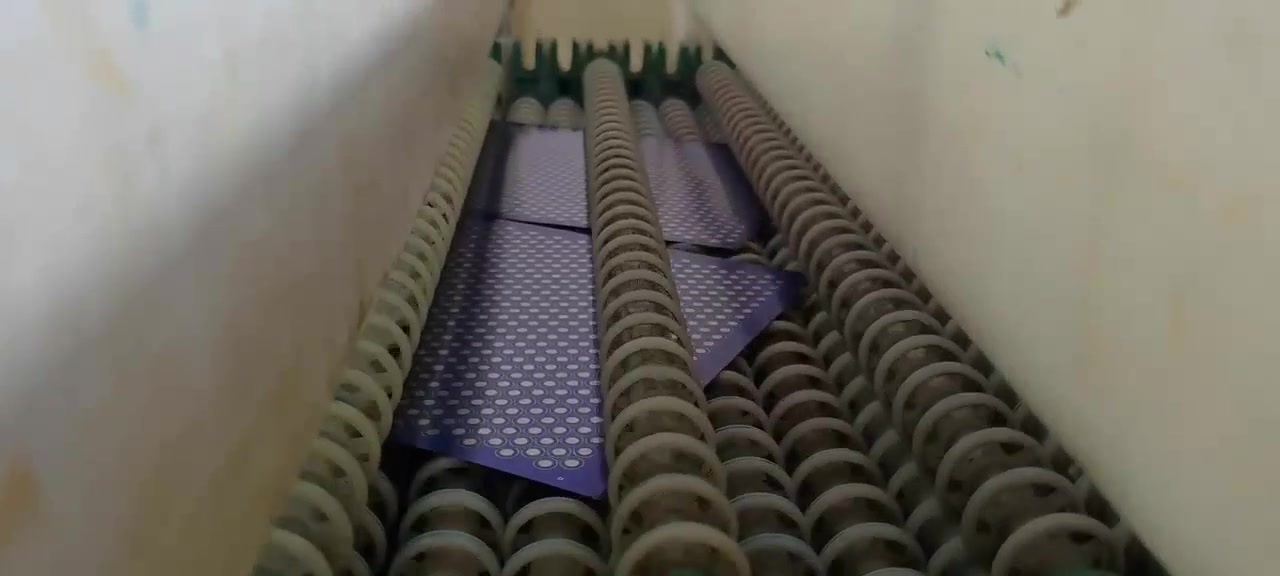
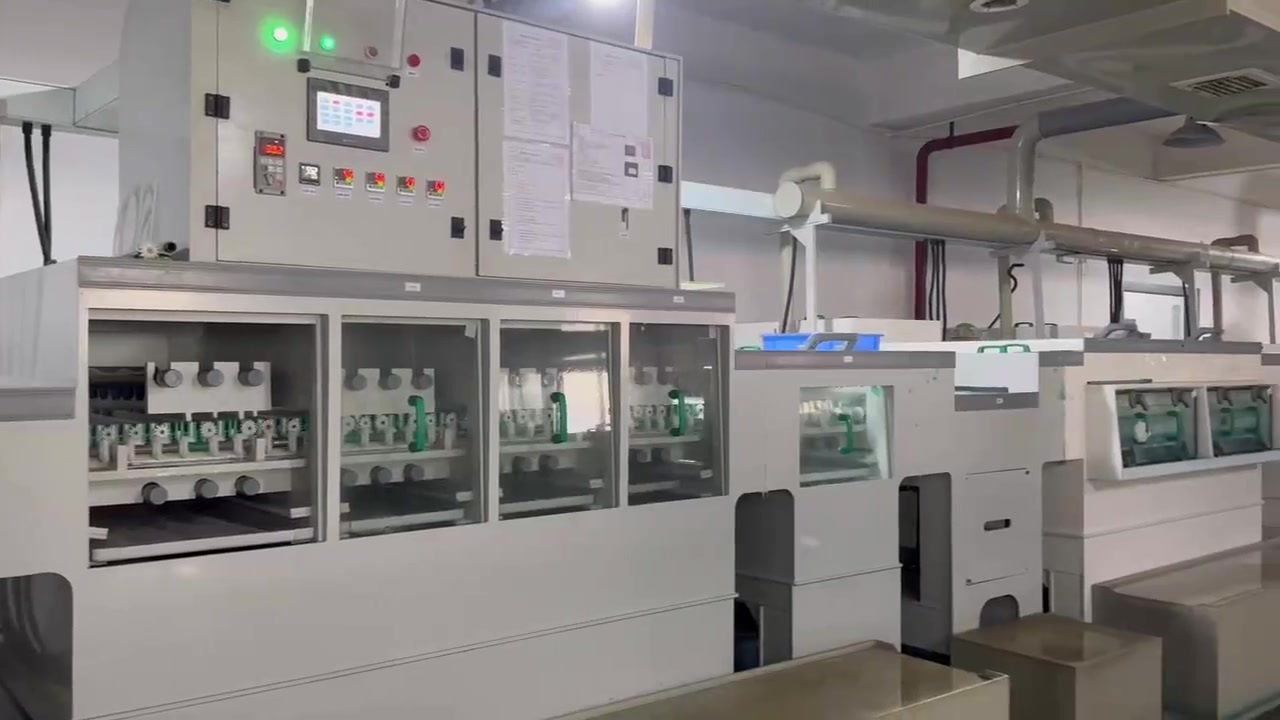
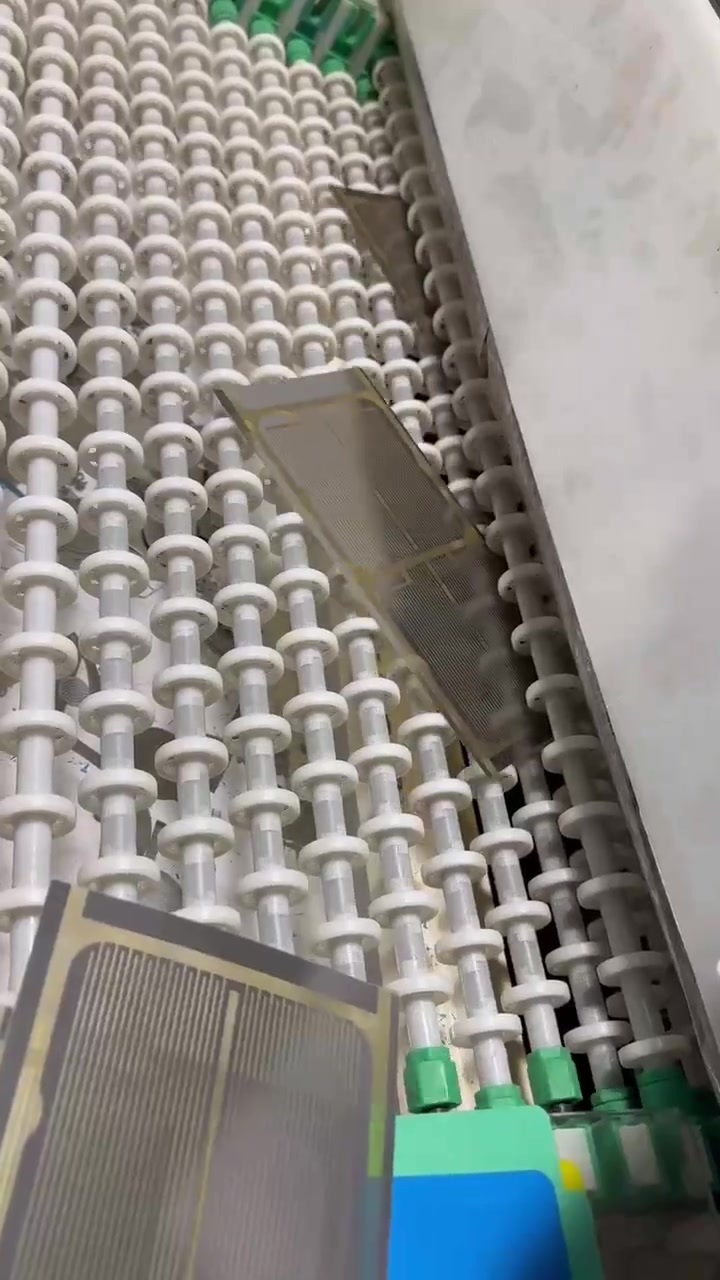
We have a full set of etching production equipment and mature processing technology. We can manufacture products in any shape with mesh sizes as small as 0.1mm, according to your requirements.

Our Advantage
Factory Direct Shipping
Our products undergo 100% QC checks before shipment, and we ensure compliance with international standards. If you require specific certifications for your target market, just let us know, and we'll meet those requirements.
Experienced Design and Manufacturing Team
We work closely with customers from the design phase to help avoid potential product flaws, ensuring both the functionality and design meet expectations.
Excellent Supply Chain Management
We can quickly adjust production schedules to meet your urgent deadlines, whether it's for large bulk orders or smaller rush orders.
OEM & ODM Support
We offer the option to print your logo or other customizations.
Strict Quality Control
Our products undergo 100% QC checks before shipment, and we ensure compliance with international standards. If you require specific certifications for your target market, just let us know, and we'll meet those requirements.
Certificate
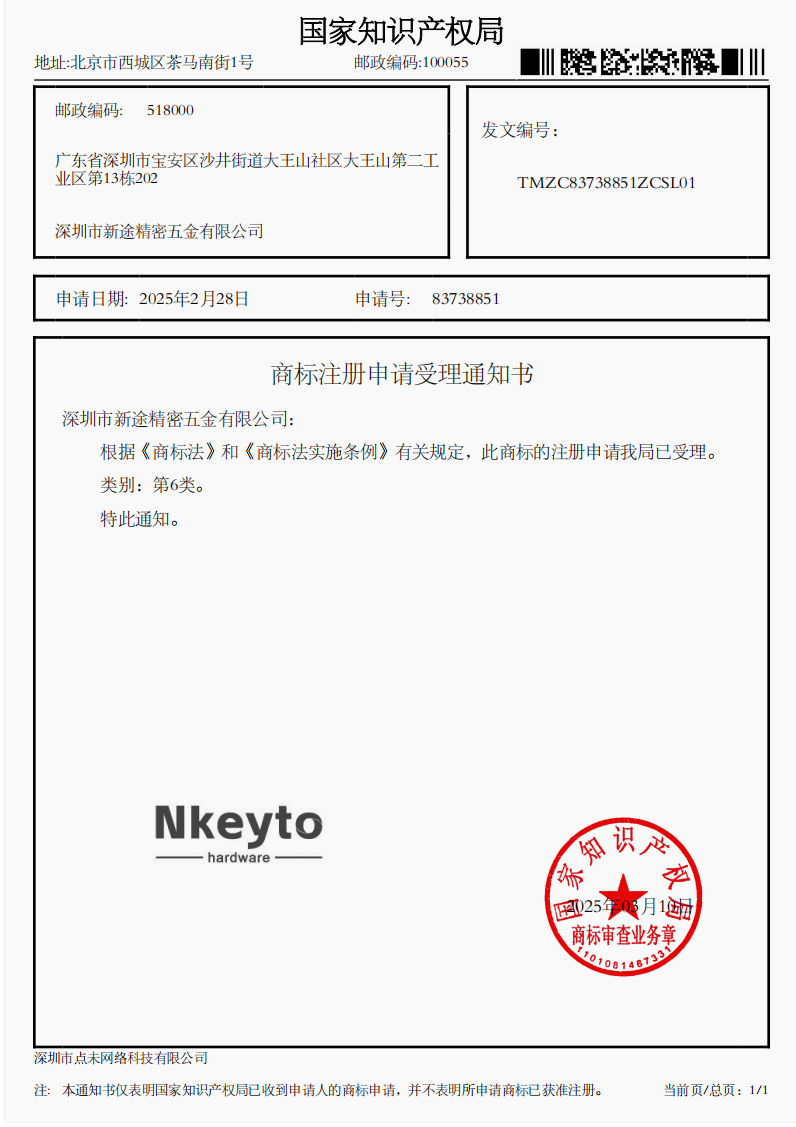
商标6类

9001
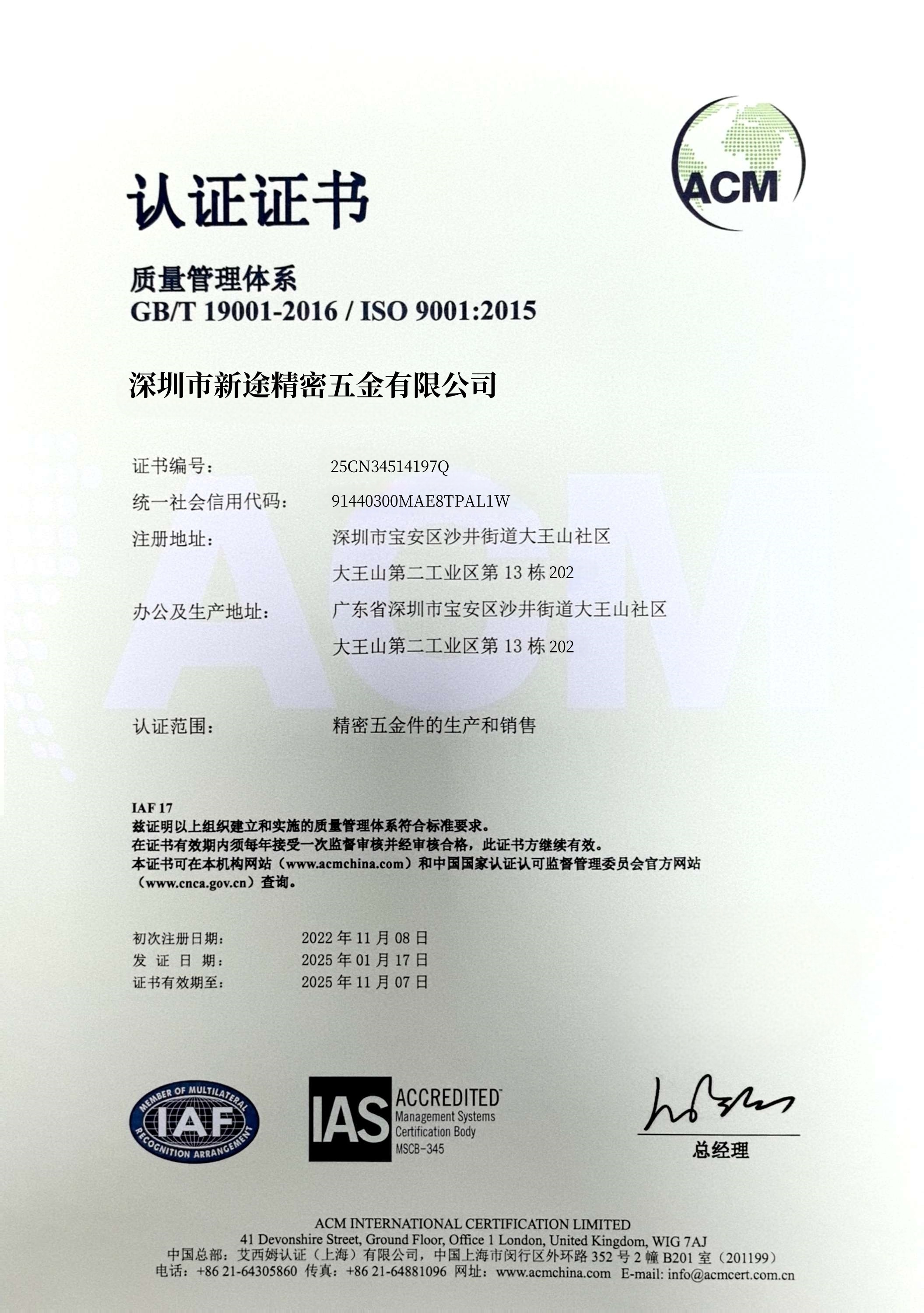
质量认证


Related Products

Shenzhen Nkeyto Precision Hardware Co., Ltd. is a factory specializing in precision hardware processing, committed to providing customers with high-quality products and services.We look forward to working with you.
Contact Us

E-mail: luna@nkeyto.com

Tel: +1 213-221-9094

Add: 13th Building, 202, Dawangshan Second Industrial Zone, Dawangshan Community, Shajing Street, Bao'an District, Shenzhen, Guangdong Province
Powered by: CEglobal
Copryright © 2025 Shenzhen Xintu Precision Hardware Co., Ltd.




Back To Top