



Vacuum Fixture Aluminum Plate for Small Parts Holding and Assembly
Category:
Key Words:
Product parameters
Parameter | Specification |
Material | Aluminum Alloy (6061 / 5052 / 7075 optional) |
Surface Treatment | Anodizing (clear / black / custom color) |
Thickness | 2 mm – 20 mm (customizable) |
Plate Size | Custom (based on drawing) |
Slot / Hole Size | ≥ 0.1 mm (depending on process) |
Pattern Type | Etched slots / CNC machined holes / custom patterns |
Tolerance | ±0.01 mm – ±0.05 mm |
Flatness | ≤ 0.05 mm (depending on size) |
Surface Roughness | Ra 0.8 – 3.2 μm |
Edge Condition | Deburred / Smooth edges |
Processing Methods | Chemical Etching + CNC Machining / Laser Cutting (optional) |
Mounting Features | Threaded holes / positioning holes / custom design |
Vacuum Function | Optional (vacuum channels / suction holes) |
Operating Temperature | -40°C to 200°C (depending on material) |
Application | Fixture / Workholding / Assembly / Positioning |
MOQ | 1 pc (prototype) / small batch supported |
OEM / ODM | Fully supported (based on drawings or samples) |
Product Description
Product Description:
This vacuum fixture aluminum plate is designed for securely holding small components during assembly and processing. It supports vacuum-assisted positioning for high-precision applications.
Applications :
vacuum fixture plate for small parts
semiconductor wafer holding fixture
chip assembly vacuum plate
micro component vacuum jig
SMT assembly fixture
precision vacuum workholding plate
Solving Micro-Part Handling: Custom Vacuum Fixture Plates with Etched Micro-Holes
In the realm of high-precision manufacturing, holding a part is often more challenging than machining it. As electronic components shrink—think micro-LEDs, thin-film sensors, or bare semiconductor dies—traditional mechanical clamping becomes a liability. The pressure from a physical clamp can crack fragile substrates, while standard vacuum chucks often lack the specific surface geometry required to hold such tiny targets.
The solution lies in the precise engineering of the vacuum interface itself. At our factory, we have moved beyond simple drilling to create Vacuum Fixture Aluminum Plates that utilize advanced chemical etching and hybrid manufacturing to solve the most difficult handling challenges.
The Limitations of Mechanical Clamping and Standard Vacuum
When dealing with components smaller than 5mm or ultra-thin substrates (under 0.2mm), standard holding methods fail.
- Mechanical Clamps: Risk inducing stress fractures or damaging the active surface of the component.
- Standard Vacuum Plates: Typically rely on drilled holes. However, drilling has physical limits. A standard drill bit cannot easily create holes smaller than 0.5mm without breaking, and it often leaves burrs that can scratch the part or block airflow.
To achieve a secure hold on a micro component vacuum jig, the suction must be distributed evenly across the part's surface, requiring a high density of micro-holes that only specialized processes can deliver.
The Core Technology: Why We Choose Chemical Etching
Our competitive advantage lies in our ability to combine Chemical Etching with CNC Machining. While CNC is excellent for profiling and pocketing, chemical etching is the superior method for creating the vacuum micro-holes.
Unlike mechanical drilling, which shears metal, chemical etching dissolves material. This distinction is critical for high-value clients.
Why We Use Etching for Micro-Holes:
- Burr-Free Edges: This is our strongest advantage. Etching results in perfectly smooth, burr-free hole edges. This is non-negotiable for semiconductor wafer holding fixtures, where even a microscopic burr could damage the silicon or trap contaminants.
- High Density Arrays: We can create hole arrays with a pitch (spacing) as tight as 0.2mm. This allows for a massive number of suction points on a small surface area, ensuring that even the smallest chip stays flat.
- Size Capability: We can reliably produce holes ranging from 0.1mm to 0.5mm. Attempting to drill these holes mechanically is slow, expensive, and prone to tool breakage.
Engineering the Vacuum: Internal Flow and Zoning
A vacuum plate is only as good as its airflow design. If the vacuum channel is too narrow, suction is weak; if it is too wide, the pump loses efficiency.
We utilize a hybrid manufacturing approach to optimize the vacuum fixture plate design:
- Internal Flow Channels: We use CNC machining to carve out the main vacuum reservoirs and flow channels within the aluminum body. This ensures high-volume airflow to the surface.
- Surface Micro-Channels: For ultra-thin parts that might curl, we can etch micro-channels (grooves) on the surface to help distribute vacuum pressure laterally, pulling the edges of the part down effectively.
- Zoned Vacuum Control: For plates that handle multiple parts simultaneously, we can design independent vacuum zones. This allows an operator to activate suction only where a part is present, saving energy and maintaining maximum grip strength where it is needed most.
Comparison: Drilled vs. Etched Vacuum Plates
Feature | Mechanically Drilled Plate | Chemically Etched Plate (Our Standard) |
|---|---|---|
Min Hole Size | ~0.5mm (High risk of bit breakage) | 0.1mm (High precision, no tool wear) |
Hole Quality | Potential for burrs/rough edges | 100% Burr-free, smooth edges |
Hole Density | Limited by drill tool size | Very High, complex patterns possible |
Cost | High for micro-holes (slow process) | Cost-effective for high-density arrays |
Material Selection and Flatness
For our vacuum fixture aluminum plates, we typically recommend Aluminum 6061-T6 or Aluminum 5052. These alloys offer a balance of machinability and corrosion resistance.
However, the material is only half the battle. The surface flatness is paramount. If the plate is warped, the vacuum will leak, and the holding force will be inconsistent. Our manufacturing process includes a precision grinding step after machining and anodizing to ensure the surface is perfectly flat (often within 0.02mm over 100mm). This guarantees that the small parts holding force is uniform across the entire array.
Applications
Our etched vacuum fixture plates are currently solving handling issues in several key industries:
- Semiconductor & IC Packaging: Holding bare dies and wafers during wire bonding or die attach processes without cracking the silicon.
- SMT Assembly: Securing thin, flexible PCBs that tend to warp during the solder paste printing or pick-and-place stages.
- Medical Micro-fluidics: Holding delicate glass or polymer chips used in diagnostic devices, where surface contamination from burrs must be avoided.
- Camera Modules: Aligning and holding VCM (Voice Coil Motor) components during assembly.
Why Partner With Us?
We are not just a machine shop; we are a multi-process manufacturing facility. By integrating Chemical Etching, CNC Machining, and Laser Cutting under one roof, we can produce complex vacuum fixture plates that other shops simply cannot make.
Whether you need a plate with 0.1mm holes for a micro-sensor or a large-format plate for panel-level processing, we have the technology to deliver a burr-free, high-precision solution.
Ready to Optimize Your Assembly Line?
Stop struggling with damaged parts and inconsistent holding. Upgrade to a custom-engineered vacuum solution designed for your specific component geometry.
Contact Luna today to discuss your micro-hole requirements.
- WhatsApp: +86 12132219094
- Company: NKEYTO Precision Hardware
Questions and Answers
Frequently Asked Questions (FAQ)
Q1: What is the smallest hole size you can etch for a vacuum plate?
A: We can chemically etch holes as small as 0.1mm in aluminum. This allows for extremely high-density suction patterns suitable for micro-components.
Q2: Can you design the vacuum channels for me?
A: Yes. If you provide the component dimensions, our engineering team can design the optimal flow channels and hole patterns to ensure maximum holding force and can share a DFM report before production.
Q3: How do you prevent the vacuum from leaking if the part is small?
A: We use a technique called "Zoned Vacuum" or "Micro-hole arrays." By placing hundreds of tiny holes in the area where the part sits, we ensure sufficient suction even if the part doesn't cover the entire plate.
Q4: What materials do you use for vacuum fixtures?
A: We primarily use Aluminum 6061-T6 and Aluminum 5052 due to their excellent machinability and anodizing properties. For corrosive environments, we can also work with Stainless Steel, though etching parameters differ.
Q5: Do you offer prototypes?
A: Absolutely. We support both prototyping and mass production. Our hybrid manufacturing process allows us to turn around prototypes quickly without the high cost of custom mold tooling.
Factory Description
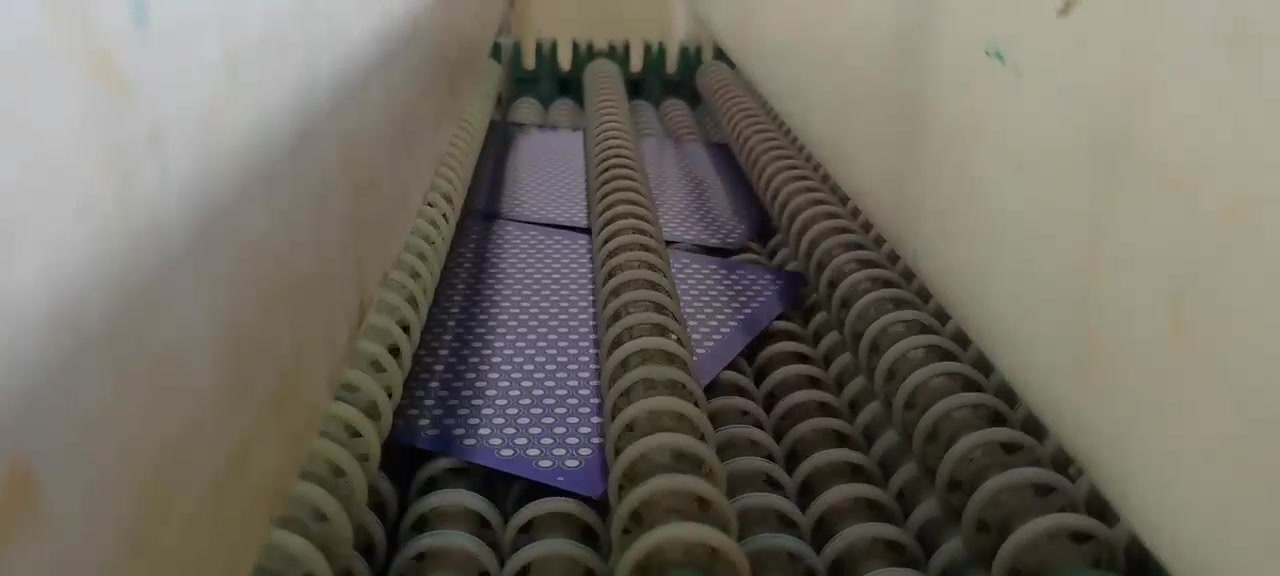
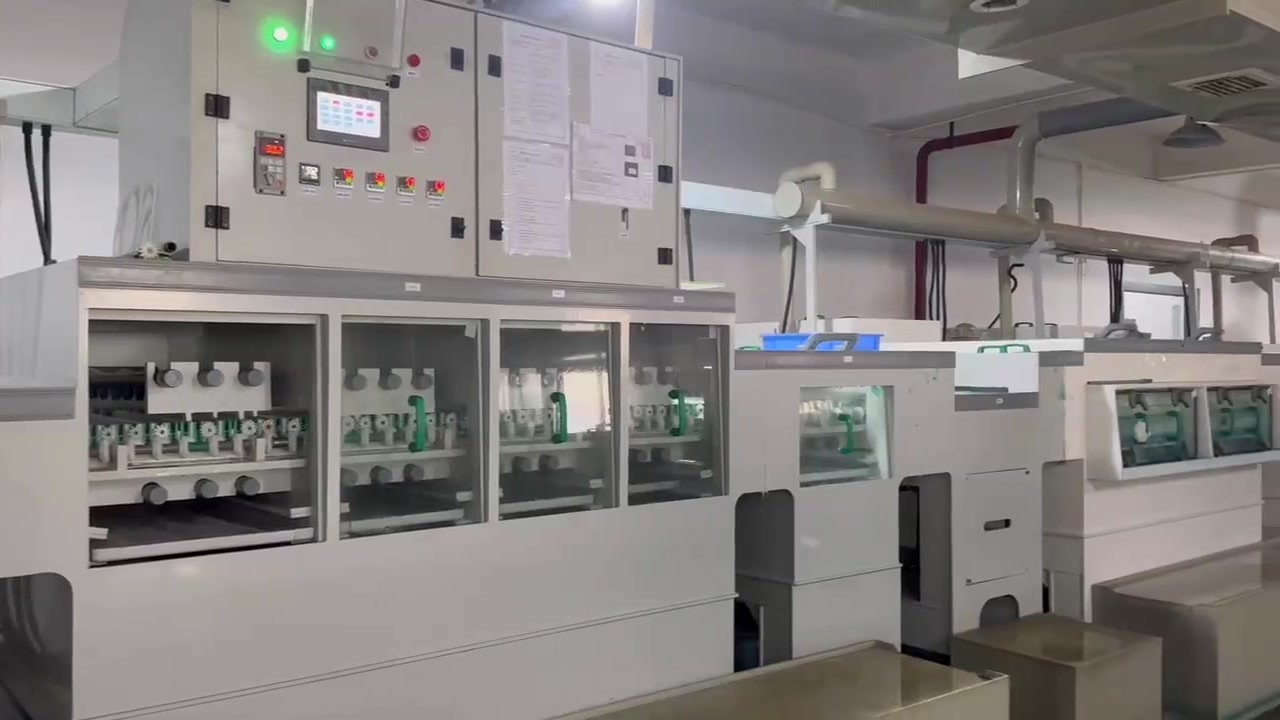
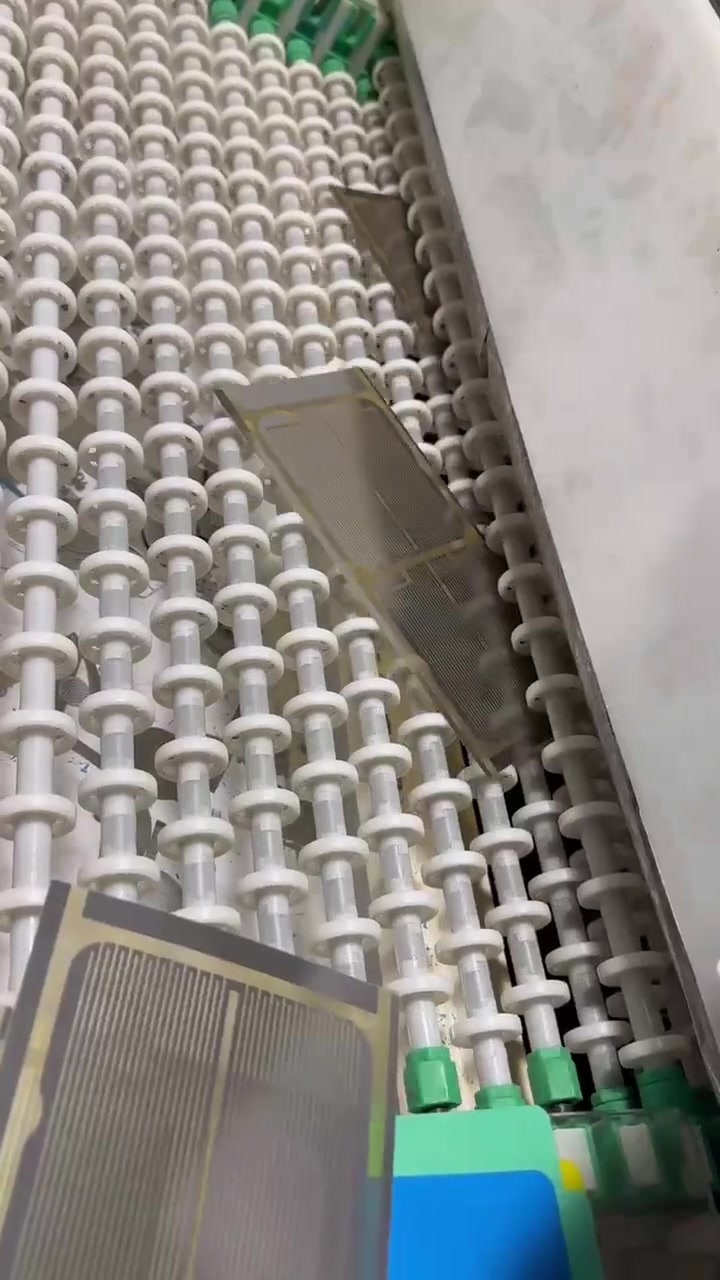
We have a full set of etching production equipment and mature processing technology. We can manufacture products in any shape with mesh sizes as small as 0.1mm, according to your requirements.

Our Advantage
Factory Direct Shipping
Our products undergo 100% QC checks before shipment, and we ensure compliance with international standards. If you require specific certifications for your target market, just let us know, and we'll meet those requirements.
Experienced Design and Manufacturing Team
We work closely with customers from the design phase to help avoid potential product flaws, ensuring both the functionality and design meet expectations.
Excellent Supply Chain Management
We can quickly adjust production schedules to meet your urgent deadlines, whether it's for large bulk orders or smaller rush orders.
OEM & ODM Support
We offer the option to print your logo or other customizations.
Strict Quality Control
Our products undergo 100% QC checks before shipment, and we ensure compliance with international standards. If you require specific certifications for your target market, just let us know, and we'll meet those requirements.
Certificate
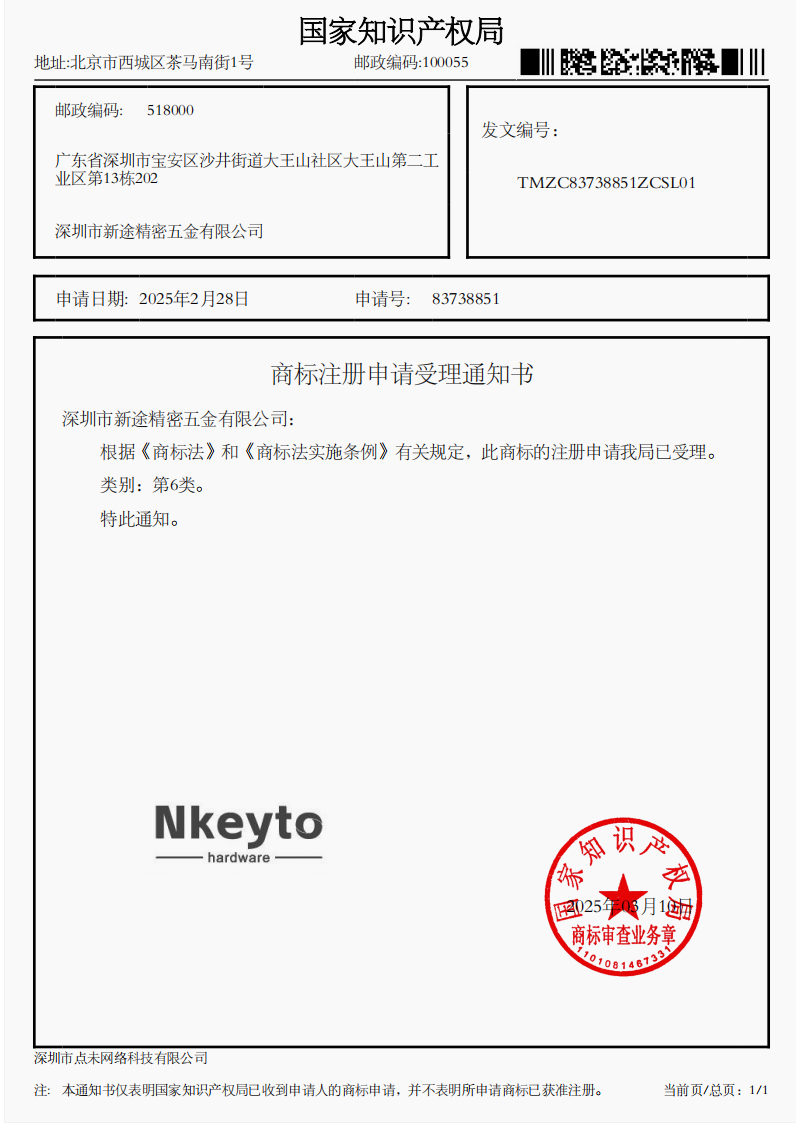
商标6类

9001
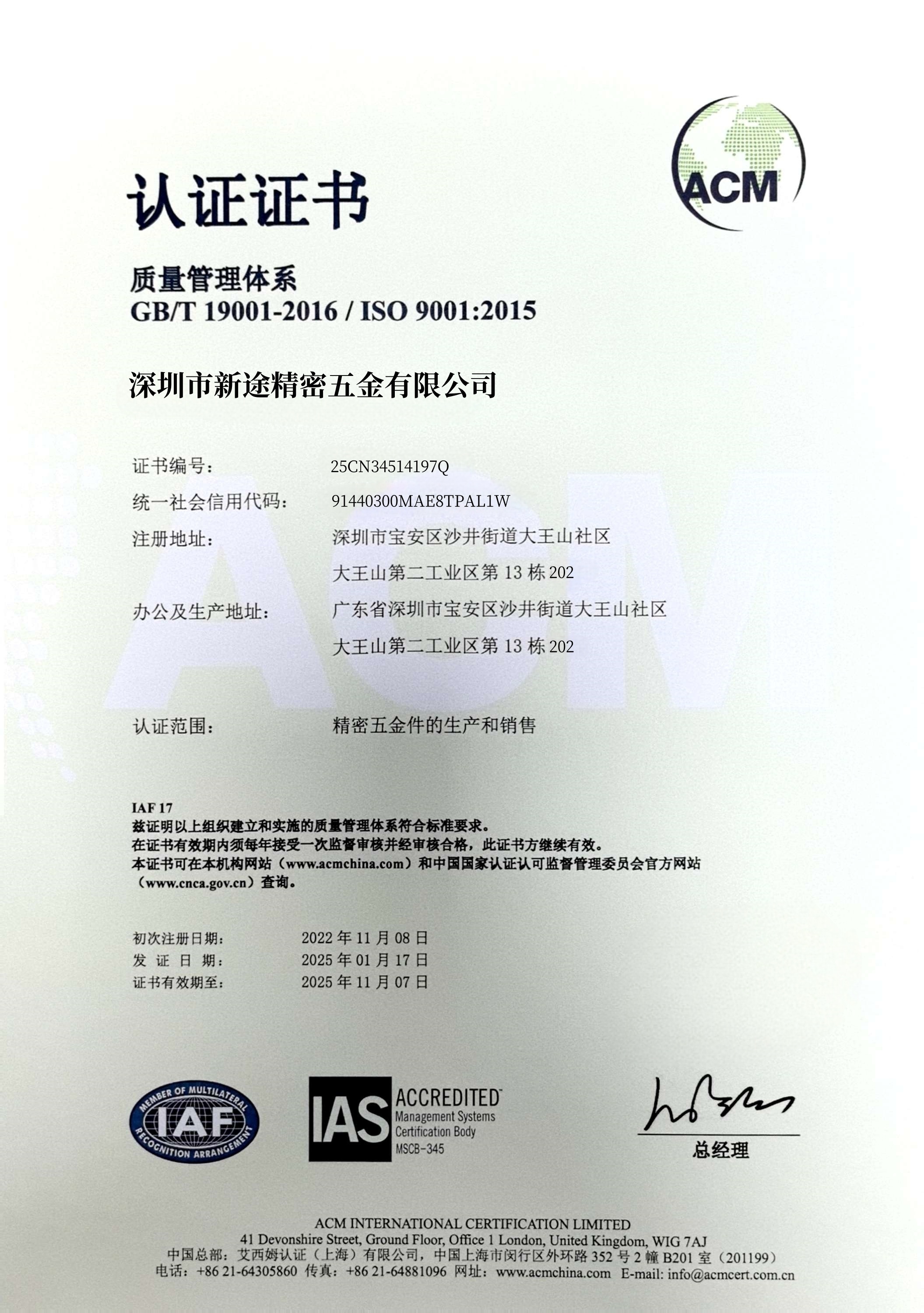
质量认证


Related Products

Shenzhen Nkeyto Precision Hardware Co., Ltd. is a factory specializing in precision hardware processing, committed to providing customers with high-quality products and services.We look forward to working with you.
Contact Us

E-mail: luna@nkeyto.com

Tel: +1 213-221-9094

Add: 13th Building, 202, Dawangshan Second Industrial Zone, Dawangshan Community, Shajing Street, Bao'an District, Shenzhen, Guangdong Province
Powered by: CEglobal
Copryright © 2025 Shenzhen Xintu Precision Hardware Co., Ltd.




Back To Top